Sözlük
/davetkâr
davetkâr
"davetkâr" kelimesinin İngilizcesi: tempting, enticing, alluring. Anlamı, çevirisi, telaffuzu ve örnek cümleler aşağıdadır.
Çeviri
Geneltemptingadj
Genelenticingadj
Genelalluringadj
Görsel

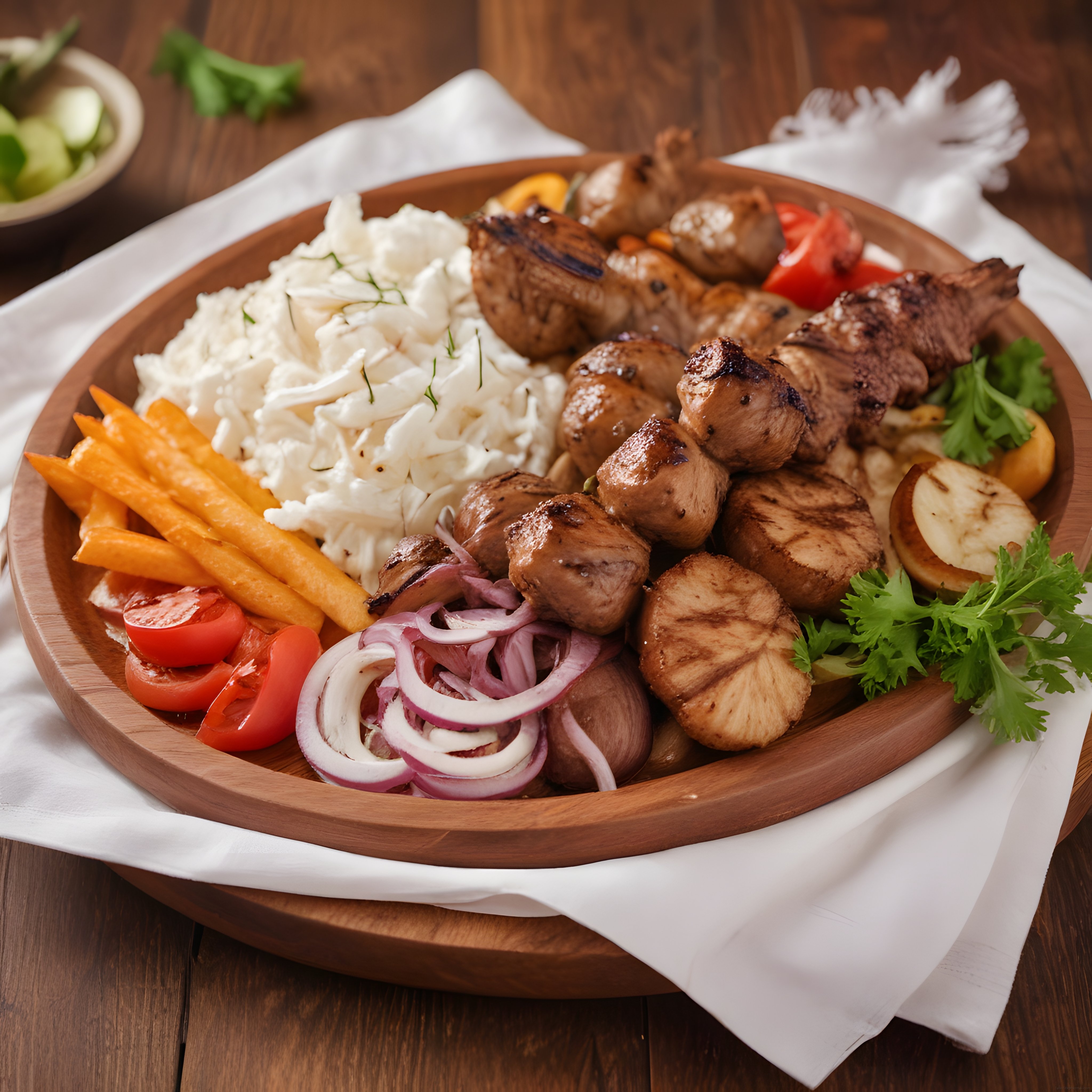
Tanım
•Çağırarak davet eden, çekici.
•Çağıran, davet eden bakış, davranış vb.
•Çekimi olan, cezp edici
Diğer Dillerde
attractive, fetching; handsome
çekim: karşılaştırma attraktiver · üstünlük am attraktivsten
eş: anziehend, hübsch, ansprechend, lukrativ, reizvoll
köken: Borrowed from French attractif, from Latin attractīvus.
aile: Attraktivität
JULIET Wie kamst du hierher, sag mir, und warum? — JULIET nasıl Sen söyle bana, davetkâr ve sebepten cam'st?
Fransızcaattirant, séduisant, tentant /a.ti.ʁɑ̃/
attractive
eş: attrayant
JULIETTE Comment cam'st-tu ici, dites-moi, et pourquoi? — JULIET nasıl Sen söyle bana, davetkâr ve sebepten cam'st?
Des psychologues ont essayé d'analyser quels traits physiques étaient considérés comme attirants.
İspanyolcatentador /tentaˈdoɾ/
tempting
köken: From tentar + -dor.
aile: tentadoramente
JULIETA ¿Cómo cam'st tú aquí, dime, ¿y por qué? — JULIET nasıl Sen söyle bana, davetkâr ve sebepten cam'st?
İtalyancaaffascinante, allettante, intrigante, seducente, tentatore /af.faʃ.ʃiˈnan.te/
present participle of affascinare
eş: accattivante, adescatore, allettante, ammaliante, attraente, avvincente
GIULIETTA Come cam'st sei qui, dimmi, e perché? — JULIET nasıl Sen söyle bana, davetkâr ve sebepten cam'st?
ДЖУЛЬЕТТА Как cam'st Ты сюда, скажи мне, и почему? — JULIET nasıl Sen söyle bana, davetkâr ve sebepten cam'st?
Felemenkçeaanlokkelijk, verleidelijk /ˌaːnˈlɔ.kə.lək/
attractive, alluring, tempting
çekim: karşılaştırma aanlokkelijker · üstünlük aanlokkelijkst
eş: aantrekkelijk, bekoorlijk, bevallig, verleidelijk
köken: From aanlokken + -e- + -lijk.
aile: aanlokkelijkheid
JULIET Hoe cam'st gij herwaarts, zeg mij, en waarom? — JULIET nasıl Sen söyle bana, davetkâr ve sebepten cam'st?
Portekizceencantador /ẽ.kɐ̃.taˈdoʁ/
charming (pleasant; charismatic; beautiful)
köken: From encantar + -dor.
JULIET Como cam'st tu cá, diga-me, e por quê? — JULIET nasıl Sen söyle bana, davetkâr ve sebepten cam'st?
Yunancaδελεαστικός /ðe.le.a.stiˈkos/
tempting, enticing, alluring, seductive
köken: Learned borrowing from Koine Greek δελεαστικός (deleastikós). By surface analysis, δελεασ- (stem of δελεάζω (deleázo)) + -τικός (-tikós).
aile: δελεαστικά
ΙΟΥΛΙΕΤΑ Πώς cam'st εσύ εδώ, πες μου, και διά του οποίου; — JULIET nasıl Sen söyle bana, davetkâr ve sebepten cam'st?
Lehçekusicielski, nęcący, pociągający, ponętny, powabny, przyciągający /pɔ.t͡ɕɔŋ.ɡaˈjɔn.t͡sɘ/
attractive, alluring, appealing
çekim: karşılaştırma bardziej pociągający · üstünlük najbardziej pociągający
eş: uroczy, kuszący, nęcący, ponętny, zachęcający
köken: Etymology tree Proto-Indo-European *h₂ep Proto-Indo-European *-o Proto-Indo-European *h₂epó Proto-Indo-European *h₂pó Proto-Balto-Slavic *pa Proto-Slavic *po Proto-Slavic *po- Old Polish po- Polish po- Proto-Indo-European *ten- Proto-Indo-European *tengʰ-der. Proto-Balto-Slavic *tingteider. Proto-Slavic *tegti Proto-Slavic *tęgati Polish ciągać Polish pociągać Proto-Indo-European *-onts…
JULIA Jak cam'st ty tu, powiedz mi, i po co? — JULIET nasıl Sen söyle bana, davetkâr ve sebepten cam'st?
Ukraynacaспокусливий /spoˈkusɫeʋei̯/
alluring, enticing, tempting · seductive (sensually attractive)
köken: From споку́са (spokúsa) + -ливий (-lyvyj).
attractive, appealing · attractive
köken: Borrowed from Sanskrit आकर्षक (ākarṣaka).
Fincehoukutteleva, puoleensavetävä, viehättävä, viettelevä /ˈhou̯kutːeleʋɑ/
attractive, tempting, alluring, enticing
çekim: karşılaştırma houkuttelevampi · üstünlük houkuttelevin
aile: houkuttelevasti, houkuttelevuus
JULIET Miten cam'st sinä tänne, kerro minulle, ja miksi? — JULIET nasıl Sen söyle bana, davetkâr ve sebepten cam'st?
Macarcacsábos /ˈt͡ʃaːboʃ/
tempting, attractive
çekim: karşılaştırma csábosabb · üstünlük legcsábosabb
köken: csáb + -os (adjective-forming suffix)
aile: csábosan, csábosság
Júlia Hogyan cam'st te ide, mondd meg, és miért? — JULIET nasıl Sen söyle bana, davetkâr ve sebepten cam'st?
Latincepellax /ˈpɛl.laːks/
deceitful, deceptive
köken: For unattested pellex, from pelliciō + -s (confer illex from illiciō), with replacement of -ex by the suffix -āx (“inclined to”) after fallāx with a similar meaning.
aile: pellācia
… invidiā postquam pellācis Ulixī (haud ignōta loquor) superīs concessit ab ōrīs, adflīctus vītam in tenebrīs lūctūque trahēbam
Juliet Hvordan cam'st du hid, fortæl mig, og hvorfor? — JULIET nasıl Sen söyle bana, davetkâr ve sebepten cam'st?
Жулиета Как cam'st ти тука, кажи ми, и защо? — JULIET nasıl Sen söyle bana, davetkâr ve sebepten cam'st?
Katalancatemptador
Gürcüceმაცდუნებელი, მაცდური, მიმზიდველი /mimzidʷe̞li/
future passive participle of იზიდავს (izidavs)
köken: From მი- (mi-) + მზიდველი (mzidveli), the latter from ზიდვა (zidva) + მ- -ელი (m- -eli).
Esperantoalloga /alˈloɡa/
attractive, appealing, alluring
köken: Etymology tree Esperanto al Esperanto al- Esperanto logi Esperanto allogi Esperanto -a Esperanto alloga From allogi + -a.
alloga viro
alloga propono
Donald Broadribb (translator), Doroteo kaj la Sorĉisto de Oz (Dorothy and the Wizard of Oz) by L. Frank Baum, Chapter 8,
Makedoncaсоблазнив
Eş & Zıt Anlamlılar
Örnek Cümleler
Ancak, ev sahnesi göründüğü kadar davetkâr değildi.
However, the domestic scene was not as inviting as it seemed.
JULIET nasıl Sen söyle bana, davetkâr ve sebepten cam'st?
JULlET How cam'st thou hither, tell me, and wherefore?