coşku
/d͡ʒoʃˈku/
noun
C2 seviye
TR → EN
"coşku" kelimesinin İngilizcesi: excitement, enthusiasm, rage. Anlamı, çevirisi, telaffuzu ve örnek cümleler aşağıdadır.
Çeviri
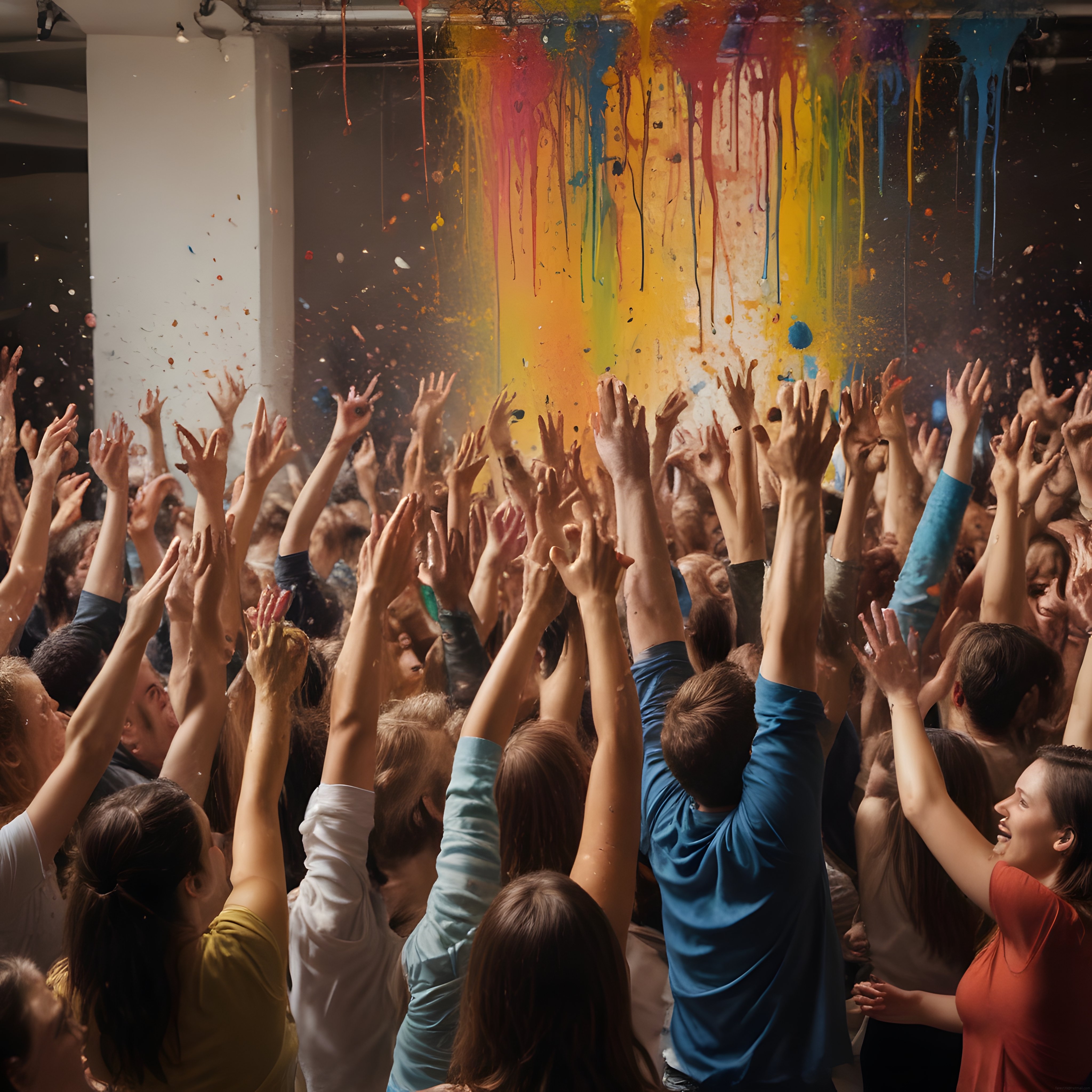
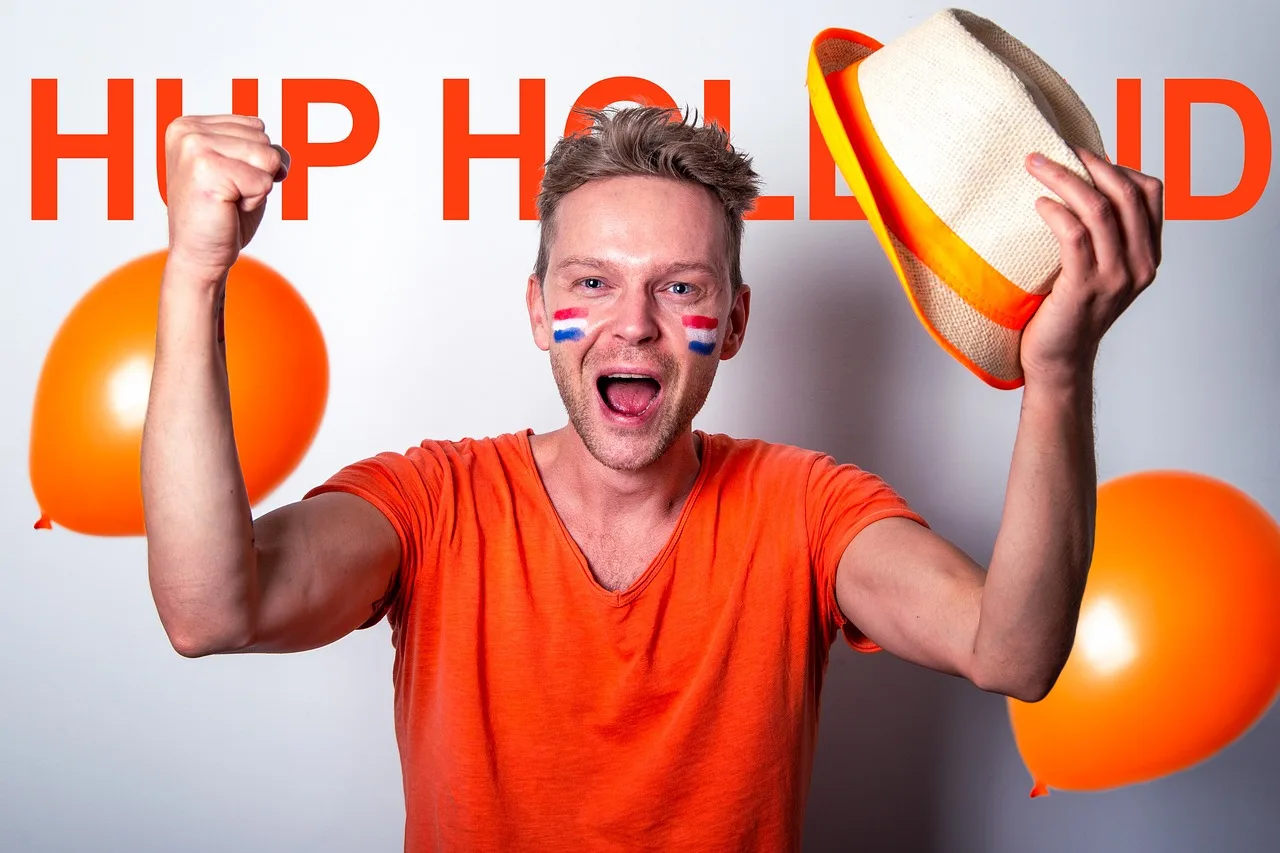
Genelexcitementnoun
Genelenthusiasmnoun
Genelrage
Görsel
Çekim Tablosu
Belirtme (-i)coşkuu
Yönelme (-e)coşkua
Bulunma (-de)coşkuda
Çıkma (-den)coşkudan
Tamlayan (-in)coşkuun
Çoğul (-ler)coşkular
Tanım
•düşünceyle, duyguyla dolarak yücelme, ruhun kendini aşıp yücelmesi, heyecan
•genellikle büyük istekle ortaya çıkan geçici hayranlık veya heyecan durumu
•salgı bezleri ve dinamik etkinliklerle kendine özgü ilişkileri bulunan iç veya dış uyaranların kamçıladığı güçlü duygu durumu
•sevinç gösterileriyle beliren güçlü heyecan
•Bir düşünceyle, bir duyguyla dolarak yücelme, ruhun kendini aşıp yücelmesi
•Genellikle büyük bir istekle ortaya çıkan geçici hayranlık veya heyecan durumu
•Salgı bezleri ve dinamik etkinliklerle kendine özgü ilişkileri bulunan iç veya dış uyaranların kamçıladığı güçlü duygu durumu
•Sevinç gösterileriyle beliren güçlü heyecan
Diğer Dillerde
AlmancaAufgeregtheit, Aufregung, Begeisterung, Erregtheit, Erregung, Rage (dişil) /ˈaʊ̯fʁeːɡʊŋ/
excitement · agitation
çekim: çoğul Aufregungen · tamlayan Aufregungen
Dort ist Leidenschaft. — Bir coşku var.
Fransızcacourroux, excitation, faire rage, fureur, furie, rage (eril) /ku.ʁu/
ire, wrath
köken: Inherited from Old French corropt, corroz, deverbal of the verb correcier (whence Modern French courroucer).
Nohmi, T. 2006. — Çoşkuner, T. 2004.
Allez, ne m'aimez plus, ne versez plus de larmes […] / Je me défendrai mieux contre votre courroux
Helsinki et Stockholm face au courroux russe [title]
İspanyolcacausar estragos, emoción, encolerizarse, furia, furor, ira (dişil) /emoˈθjon/
emotion (person's internal state of being) · excitement · anticipation
çekim: çoğul emociones
köken: Borrowed from French émotion.
Wang, W.-T. 2004. — Çoşkuner, T. 2004.
İtalyancaeccitamento, fregola, furore, imperversare, infuriare, orgasmo (eril) /et.t͡ʃi.taˈmen.to/
excitement, frisson · arousal · provocation, incitement
çekim: çoğul eccitamenti
eş: eccitazione, eccitabilità, esaltazione, emotività, stimolo, incentivo
Fattizzo, T. 2004. — Çoşkuner, T. 2004.
Rusçaвозбуждение; экстаз, волнение, энтузиазм, воодушевление
Будет полон энтузиазма. — Coşkulu olacaklardır.
Arapçaاِنْدَلَعَ, حَنَق, غَضِبَ
سؤال مُحفز: ماذا بعد ؟ يا ديك الصباح.. — Coşkun Sabah, (d.
Farsçaخشم /ˈxaʃm/
anger, wrath, rage
köken: From Middle Persian ʾyšm, xyšm (xēšm, “anger”), from Old Persian *aišima (compare Avestan 𐬀𐬉𐬱𐬆𐬨𐬀 (aēšəma), 𐬀𐬉𐬴𐬨𐬀 (aēṣ̌ma)), from Proto-Iranian *HayšHmah, from Proto-Indo-Iranian *HayšHmas, from Proto-Indo-European *h₁oysh₂-mo-s, from *h₁eysh₂-. Cognate with Parthian 𐫙𐫢𐫖𐫃 (ʿšmg /išmag/, “wrath, the demon wrath”), Northern Kurdish hov (“savage”) and more distantly Latin īra. Akin to Old Armenian…
aile: خشمگین
خشم بر شاهان شه و ما را غلام خشم را هم بستهام زیر لگام
Azericehəyacan, təlatüm /tæɫɑːˈtym/
choppiness, roughness · excitement, tizzy · unrest, instability, riot, civil commotion, upheaval
çekim: çoğul təlatümlər · tamlayan təlatümün
köken: Borrowed from Arabic تَلَاطُم (talāṭum), verbal noun of تَلَاطَمَ (talāṭama, “to clash, to brawl”).
aile: təlatümlü
siyasi təlatümlər zamanı
het seksueel of emotioneel (te) gespannen zijn
eş: geilheid, exaltatie, uitgelatenheid, drift, opwinding, spanning
Ze zullen enthousiast zijn. — Coşkulu olacaklardır.
Portekizceempolgação, enfurecer-se, excitação, fúria, raiva (dişil) /ẽ.pow.ɡaˈsɐ̃w̃/
enthusiasm, excitement
çekim: çoğul empolgações
köken: From empolgar + -ção.
A Batalha Brilhante!». — "Batalla coşkusu!".
άλλη μορφή του λυσσομανάω
Θα είναι ενθουσιώδες. — Coşkulu olacaklardır.
act violently, rage about, struggle, be riotous
çekim: geçmiş 暴れた
総ケヤキ造り。 — Büyük coşku yaratır.
Tanaka Corpus 少年たちは二階でどたばた暴れていた。 Shōnen-tachi wa nikai de dotabata abarete ita. The boys were banging about upstairs.
anger (a strong feeling of displeasure, hostility or antagonism towards someone or something)
çekim: tamlayan ilskas
köken: From Old Swedish ilzka (noun), from Old Norse íllska, derivative of Old Swedish ilzker (“evil”, adjective), Old Norse *íllskr, to the same stem as ill (adjective), illa (adverb); Old Swedish ilder (adjective), Old Swedish illa (adverb); Old Norse íllr (adjective), ílla (adverb), from Proto-Germanic *ilhilaz, from Proto-Indo-European *h₁elḱ- (whence Latin ulcus (“sore”), Ancient Greek ἕλκος…
De kommer att vara entusiastiska. — Coşkulu olacaklardır.
Lehçeamok, ekscytacja, podekscytowanie, podniecenie, szał, wściekłość (eril) /ˈa.mɔk/
amok, frenzy (act of behaving disruptively or uncontrollably) · amok, killing frenzy (act of going on a killing spree) · frenzy, mania (violent derangement)
çekim: tamlayan amoku
eş: atak szału, furia, pasja, szewska pasja, biała gorączka, szał
köken: Borrowed from English amok, from Portuguese amouco, from Malay amuk. First attested in the first half of the 20th century.
Wykaże entuzjazm. — Coşkulu olacaklardır.
verbal noun of збуди́ти pf (zbudýty): arousal, excitation, rousing, stimulation · excitement (the state of being excited) · excitation
çekim: tamlayan збу́дження
köken: From the збу́дж- (zbúdž-) stem of збуди́ти (zbudýty) + -ення (-ennja).
Утворює великі косяки. — Büyük coşku yaratır.
Hintçeउत्तेजना, उत्सुकता (dişil) /ʊt̪.t̪eːd͡ʒ.nɑː/
excitement, furore
çekim: çoğul उत्तेजनाएँ
köken: Borrowed from Sanskrit उत्तेजना (uttejanā).
Finceinnostus, jännitys, kiihtymys, raivo, raivota, riehua /ˈinːostus/
enthusiasm, excitement
çekim: çoğul innostukset · tamlayan innostuksen
köken: innostua + -us
Karppinen, T. 2004. — Çoşkuner, T. 2004.
Çekçeběs, běsnění, hit, móda, výkřik (módy), vzrušení (eril) /ˈbjɛs/
demon
çekim: çoğul běsové · tamlayan běsa
eş: děs, vztek, čert
köken: Inherited from Old Czech běs, from Proto-Slavic *běsъ.
Bude nadšený. — Coşkulu olacaklardır.
Rumenceexcitare, excitație, mânie, turba (dişil)
excitation, excitement
çekim: çoğul excitări · tamlayan excitări
köken: From excita + -re.
Entuziasmul este contagios. — Coşku bulaşıcıdır.
excitement, thrill · anxiety, agitation
çekim: çoğul izgalmak
köken: From the stem of the verb izgat + -alom. Created during the Hungarian language reform, which took place in the 18th–19th centuries.
aile: izgalmas
Lelkesek lesznek. — Coşkulu olacaklardır.
İbraniceהִתְפַּעֲלוּת, הִתְרַגְּשׁוּת, זַעַם, חֵמָה
גדיש ט', 2004. — Çoşkuner, T. 2004.
Latincefurō, rabiēs, saeviō, tumor /ˈtʊ.mɔr/
the state of being swollen · swelling; tumor · the swell of the sea
çekim: çoğul tumōrēs · tamlayan tumōris
köken: Etymology tree Proto-Indo-European *tum-der. Latin tumeō Proto-Indo-European *-os Proto-Indo-European *-s Proto-Indo-European *-ōs Proto-Italic *-ōs Latin -or Latin tumor From tumeō (“to bulge; to swell”) + -or.
aile: tumōrōsus
Tumor ille locī permānsit, et altī collis habet speciem.
madness, insanity · rage
çekim: tamlayan galskabs
köken: From gal (“mad”) + -skab.
aile: hundegalskab, kogalskab, krigsgalskab
De vil være entusiastiske. — Coşkulu olacaklardır.
Norveççeherja, opphisselse, spenning
Han malte andektige bilder. — Coşku dolu resimler yaptı.
to run amok · to rage
köken: Inherited from Malay اموق (amuk), from Javanese ꦲꦩꦸꦏ꧀ (amuk), from Old Javanese amūk, from aN- + wūk (“furious attack”), probably onomatopoeic.
aile: amukan, beramuk, beramuk-amuk, beramuk-amukan, mengamuk, mengamukkan, pengamuk, pengamukan, amuk massa
Cipta Adi Pusaka. — Büyük coşku yaratır.
Vietnamcathịnh nộ /tʰïŋ˧˨ʔ no˧˨ʔ/
wrath; rage
köken: Sino-Vietnamese word from 盛怒.
Họ rất nhiệt tình. — Coşkulu olacaklardır.
Bulgarcaбеснея, бяс, вилнея, възбуда, вълнение, ярост /bʲa̟s/
hydrophobia, rabies · rage, fury, rabidity · demon
çekim: çoğul бесове́
köken: Inherited from Old Church Slavonic бѣсъ (běsŭ), from Proto-Slavic *běsъ.
Вървете в боя!" — "Batalla coşkusu!".
Etimoloji
By surface analysis, coş- + -ku. Coined in 1941.
Eş & Zıt Anlamlılar
Örnek Cümlelercoşku ile daha fazla örnek cümle →
Tom coşkulu.
Tom is exuberant.
Biz çoşkuluyduk.
We were exhilarated.
Coşku bulaşıcıdır.
Enthusiasm is contagious.
sadece coşkulu ol.
Just be enthusiastic.
Sen coşkulu musun?
Are you enthusiastic?
Çoşkuner, T. 2004.
Frest, T. 2004.
Tom çok coşkuludur.
Tom's very effusive.
Tom ve Mary coşkulu.
Tom and Mary are enthusiastic.
O coşku ile dinlendi.
He was listened to with enthusiasm.
Coşkun, Hülya (2008).
Tezcan, Hülya (2008).
Coşkulu olacaklardır.
They're going to be enthusiastic.
Tom coşkulu, değil mi?
Tom is enthusiastic, isn't he?