Sözlük
ateş
/aˈteʃ/
noun
A1 seviye
TR → MACARCA
"ateş" kelimesinin İngilizcesi: elsüt, hőemelkedés, hőfok, hőmérséklet, kályha. Anlamı, çevirisi, telaffuzu ve örnek cümleler aşağıdadır.
Çeviri
Genelelsüt
Genelhőemelkedés
Genelhőfok
Genelhőmérséklet
Genelkályha
Genelkiéget
Görsel

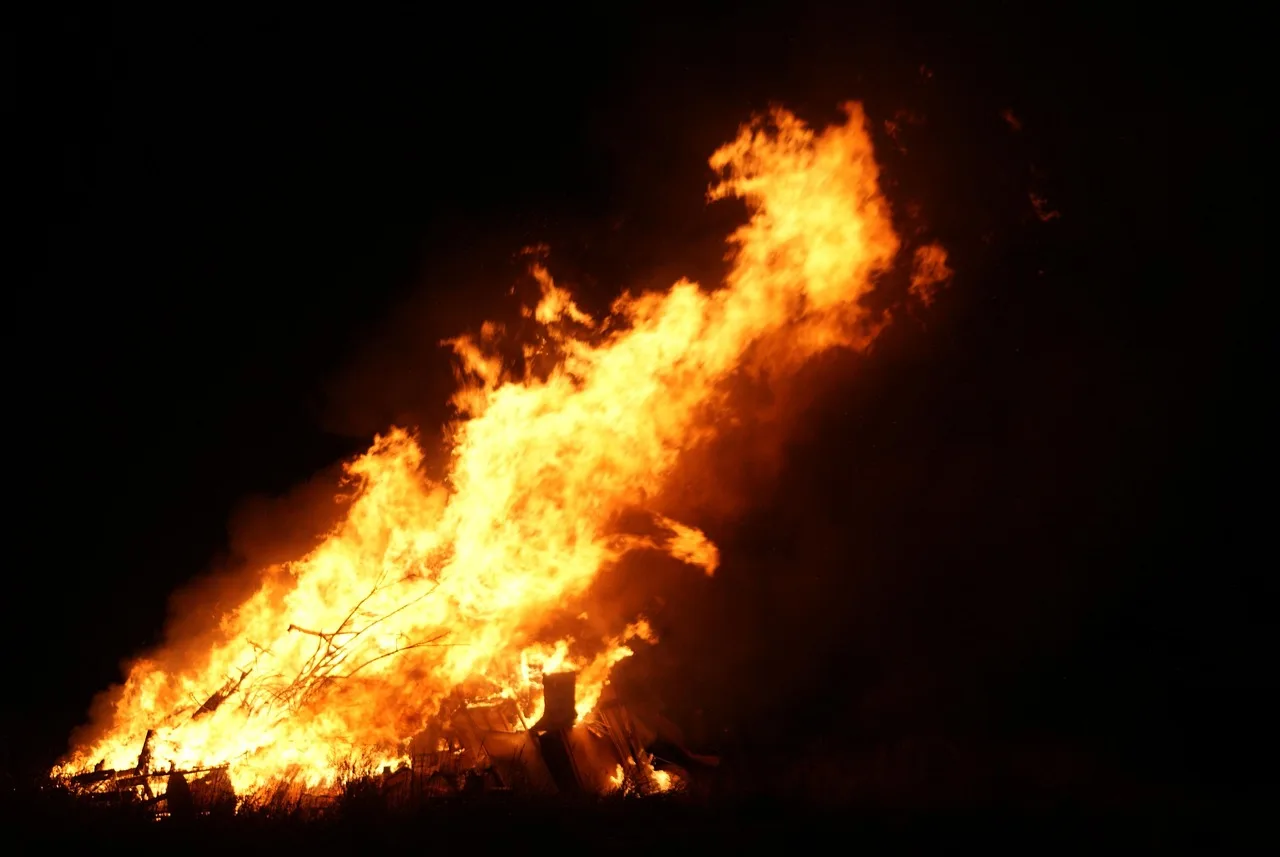


Çekim Tablosu
Belirtme (-i)ateşi
Yönelme (-e)ateşe
Bulunma (-de)ateşte
Çıkma (-den)ateşten
Tamlayan (-in)ateşin
Çoğul (-ler)ateşler
Tanım
•low-grade fever (a minor increase in the normal, constant temperature of the human body) · rise in temperature
Atasözü & Deyim
“Altın ateşte, insan mihnette belli olur”
“Ateş demekle ağız yanmaz”
“Ateş düştüğü yeri yakar”
“Ateş olmayan yerden duman çıkmaz”
“Az ateş çok odunu yakar”
Diğer Dillerde
fire (chemical process) · fire (instance of something burning) · fire; the act of firing
çekim: çoğul Feuern · tamlayan Feuers
eş: Flamme, Brand, Feuersbrunst, Beschuss, Glanz, Schwung
köken: From Middle High German viur, from Old High German fiur, from Proto-West Germanic *fuir. Cognate with Dutch vuur, Low German Füer, West Frisian fjoer, English fire, Danish fyr.
aile: Faustfeuerwaffe, Feuer frei, Feueralarm, Feuerameise, Feuerarm, Feuerball, Feuerbohne, feuerfarben, feuerfest, Feuerfisch
Das Kind hatte Fieber. — Çocuk ateşlendi.
Feuer fangen
Hätten Sie mal Feuer für mich?
Fransızcafeu, Feu, Feu d’artillerie, fièvre, Fièvre (eril) /fø/
fire · lighter, something to light a cigarette with · traffic light
çekim: çoğul feux
eş: calcination, consomption, crémation, ignition, incandescence, flammes
köken: Inherited from Old French fu, from Latin focus (“hearth”), which in Late and Vulgar Latin replaced the Classical Latin ignis (“fire”). Not related to English fire or German Feuer.
aile: à petit feu, à plein feux, allume-feu, arme à feu, au coin du feu, au feu, avoir le feu au cul, avoir le feu aux fesses, baptême du feu, bouche à feu
Comme le feu. — Ateş gibi.
As-tu remarqué que tes cheveux sont en feu ?
Tu aurais du feu ?
feux tricolores
to fire, to dismiss, to sack
çekim: geçmiş cesanteé · ortaç cesanteado · şimdiki cesantea
köken: From cesante + -ear.
Arde la vida 2. — 2. Ali Ateş.
İtalyancafuoco (eril) /ˈfwɔ.ko/
fire · torment · lightning, thunderbolt
çekim: çoğul fuochi
eş: fiamma, incendio, vampa, fiammata, vampata, falò
köken: From Latin focus (“hearth”).
aile: affocare, antifuoco, dare fuoco, focace, focale, focato, focheggiare, fochista, focone, focoso
"Fuoco ragazza mia!" — "Gençlik ateşi!".
Rusça(мужское имя), огонь (eril) /ɐˈɡonʲ/
fire (also figurative) · light · fire (of weapons)
çekim: çoğul огни́ · tamlayan огня́
eş: костёр, жар, пла́мя, пыл, свет, стрельба́
zıt: лёд
köken: Inherited from Old East Slavic огнь (ognĭ), from Proto-Slavic *ogňь, from Proto-Balto-Slavic *ugnis, from Proto-Indo-European *h₁n̥gʷnis. Cognate with Latvian uguns, Latin ignis (whence English ignition and igneous, Latin borrowings), Sanskrit अग्नि (agní), Albanian e enjte. Compare also Hittite 𒀀𒀝𒉌𒅖 (a-ak-ni-iš), an Indo-Aryan borrowing. Doublet of Агни (Agni). The second o-letter is not from an…
aile: огнёвка, Огнели́с, огнемёт, огнеопа́сный, огнепокло́нник, огнесто́йкий, огнестре́л, огнестре́льный, огнетуши́тель, огнеупо́рный
У тебя нет температуры. — Ateşin yok.
burnt
çekim: çoğul حَرَائِق · tamlayan حَرِيقٍ
نار (دين). — Utku Ateş (d.
أُصِيبَ سَبْعَةُ عُمَّالٍ عَلَى ٱلْأَقَلِّ فِي ٱلْحَرِيقِ
fire · flame · ardour, zeal, blaze
çekim: çoğul atəşlər · tamlayan atəşin
köken: Borrowed from Classical Persian آتش (ātaš).
aile: atəşkəs, atəşə tutmaq, atəş açmaq
sevgi atəşi
atəş altında olmaq
ölümcül atəş
heat · temperature · fever
çekim: çoğul haroratlar · tamlayan haroratning
köken: Etymology tree Arabic حَرَارَة (ḥarāra)bor. Classical Persian حَرَارَت (harārat)bor. Chagatai حرارت (ḥrārt /harārat/) Uzbek harorat Inherited from Chagatai حرارت (ḥrārt /harārat/), borrowed from Classical Persian حَرَارَت (harārat), borrowed from Arabic حَرَارَة (ḥarāra).
aile: haroratli, haroratsiz
Felemenkçehitte, koorts, moed, vlammenzee, vuur (dişil) /ˈɦɪtə/
heat (extreme warmth)
köken: From Middle Dutch hitte, from Old Dutch *hitta, from Proto-Germanic *hitjō; see *haitį̄. Cognate with German Hitze. Now commonly interpreted as heet (“hot”) + -te (“ness”). Also related with English heat.
aile: hitteberoerte, hittebestendig, hittegolf, hitteschild, hittestress, hittig, verhitten, zomerhitte
Haar element is vuur. — Elementi Ateş'tir.
Ze konden niet langer werken door de hitte.
to throw · to fire (shoot a gun)
çekim: geçmiş atirei · ortaç atirado · şimdiki atira
köken: From a- + tiro + -ar.
aile: atirador, atirado
"A Fonte da Juventude." — "Gençlik ateşi!".
Yunancaαπολύω, θερμάστρα, θερμοκρασία, πυρ, πυρετός, πυρκαγιά /a.poˈli.o/
to release, give freedom to · to dismiss, lay off, discharge; (informal) fire, sack · to discharge, demobilise; (informal) demob
çekim: geçmiş απέλυσα · ortaç έχοντας απολύσει · şimdiki απολύει · ulaç απολύοντας
köken: From Ancient Greek ἀπολύω (apolúō). Morphologically, from απο- (apo-) + λύω (lýo).
Japonca火。
Korece기온, 발사(發射)하다, 발열, 발포(發砲)하다, 온도, 큰불 /kio̞n/
air temperature
köken: Sino-Korean word from 氣溫 (“air temperature”)
to fire (a gun, a bullet, a piece of fireworks, a rocket, etc.) · to discharge · to launch (a torpedo, etc.)
çekim: geçmiş avfyrade · ortaç avfyrad · ulaç avfyrande
köken: av + fyra
avfyra en pistol
avfyra tio skott
avfyra en fyrverkeripjäs
to beat (to strike or hit multiple times to cause pain) · to beat (to strike, e.g. a surface multiple times) · to beat (to whip eggs or cream quickly and repeatedly and turn them into a stiff mass using a special tool)
çekim: geçmiş bito · şimdiki bije
eş: uderzać, tłuc, reg. śl. ciulać, tykać, machać, emitować
köken: Etymology tree Proto-Indo-European *bʰeyh₂- Proto-Balto-Slavic *bī́ˀtei Proto-Slavic *bìti Old Polish bić Polish bić Inherited from Old Polish bić.
aile: biobójczy, bitny, bity, i do bitki, i do wypitki, nie w ciemię bity, z bijącym sercem, niech kule biją kogoś, bicie, bijatyka, bijnik
bić kijem
bić po twarzy/w twarz
bić w bęben
Ukraynacaва́тра, вого́нь, гаря́чка, звільни́ти, звільня́ти, піч /pʲit͡ʃ/
oven
çekim: çoğul пе́чі · tamlayan пе́чі
köken: From Middle Ukrainian пѣчъ (pič), from Old East Slavic печь (pečĭ), from Proto-Slavic *peťь, from Proto-Balto-Slavic *pektís, from Proto-Indo-European *pékʷtis, from *pekʷ-.
aile: мікрохвильова́ піч
Agni · Agni (missile)
çekim: çoğul अग्नियाँ
köken: Etymology tree Proto-Indo-European *h₁engʷ- Proto-Indo-European *h₁n̥gʷnís Proto-Indo-Iranian *Hagníš Proto-Indo-Aryan *Hagníṣ Sanskrit अग्नि (agní)lbor. Hindi अग्नि Learned borrowing from Sanskrit अग्नि (agní). Doublet of आग (āg). First attested as Old Hindi अग्नि (agni).
to activate, to enable (to put something into action)
çekim: geçmiş aktivoinut · şimdiki aktivoi · ulaç aktivoiva
köken: From Latin activus + -oida.
aile: aktivoiminen, aktivointi, aktivoitua, inaktivoida
Çekçeoheň (eril) /ˈoɦɛɲ/
fire · conflagration · fire; shooting
çekim: çoğul ohně · tamlayan ohně
eş: červený kohout, požár, palba, horkost
köken: Inherited from Old Czech oheň, from Proto-Slavic *ogňь.
hasit oheň
Rumencefebră, foc, incendiu, sobă, temperatură (dişil) /ˈfe.brə/
fever
çekim: çoğul febre · tamlayan febre
köken: Borrowed from Italian febbre, Latin febris. Compare the inherited doublet fior.
Macarcaelsüt, hőemelkedés, hőfok, hőmérséklet, kályha, kiéget /ˈhøːɛmɛlkɛdeːʃ/
low-grade fever (a minor increase in the normal, constant temperature of the human body) · rise in temperature
çekim: çoğul hőemelkedések
köken: From hő (“heat”) + emelkedés (“increase”).
aile: hőemelkedéses
To light, light up, ignite (a fire, lamp, or the like). · To fire, to heat (pottery or the like).
çekim: geçmiş הִדְלַקְתָּ
Latincefebris, flamma, focus, ignis, incendium /ˈfɛ.brɪs/
fever
çekim: çoğul febrēs · tamlayan febrium
köken: From Proto-Italic *feɣʷris, from earlier pre-Italic *θeɣʷris, from Proto-Indo-European *dʰegʷʰ-ri-s, an extension of the root *dʰegʷʰ- (“to burn, warm”). Cognate with februum, foveō, Ancient Greek τέφρα (téphra).
aile: febresco, febrīcitō, febricōsus, febrīcula, febrīculentus, febrīculōsus, febrifugia, febrīlis, febriō
to fire; sack
çekim: geçmiş afskedigede · ortaç afskediget · ulaç afskedigende
zıt: ansætte
aile: afskedigelse
Etimoloji
(Bu girdinin köken kısmı şimdilik eksiktir. Lütfen eklenmesine yardımcı olun ve sonrasında {{kökenisteniyor}} şablonunu kaldırın.)
Deyimler
Kelime Ailesi
Eş & Zıt Anlamlılar
Örnek Cümleler
Ateşin yok.
You don't have a temperature.
Ateşim var.
I have a fever.
Ateş yanar.
Fire burns.
Ateş söndü.
The fire is out.
Ateş yakar.
The fire burns.
Ateşe atın!
Kill it with fire!
Ateş azaldı.
The fever has abated.
Ateşi normal.
His temperature is normal.
Ateş serbest!
Open fire!
Ateşi söndür.
Put out the fire.
Ateşim çıktı.
I feel feverish.
Ateşin var mı?
Do you have a match?
İlgili Sorular
Tanrı'nın bir katil olduğu ve insanların büyük bir kısmının ateş ve kükürt gölüne gideceği düşüncesine katılıyor musunuz?
Indiana’da sınıf D suç kapsamında bir ateşli silah göstermekten alınabilecek ceza ne kadar olabilir?
Ay içinde her Cumartesi rezervasyonda çalıştığımda birinin ateşli silahla yaralanması oluyor. Bu benim şanssız olduğumu mu gösteriyor?
7 yaşındaki çocukların ateşini azaltmanın yolları nelerdir?
Speedball oyununda ne amaçlanıyor? 20 BPS hızında ateş edip boya dökmek mi?