yerküre
/ˈjæɾ.cy.ɾe/
noun
TR → EN
"yerküre" kelimesinin İngilizcesi: earth, terra, earth, earth. Anlamı, çevirisi, telaffuzu ve örnek cümleler aşağıdadır.
Çeviri
Genelearthnoun
Genelterra
Genelearth
Genelearth
Görsel
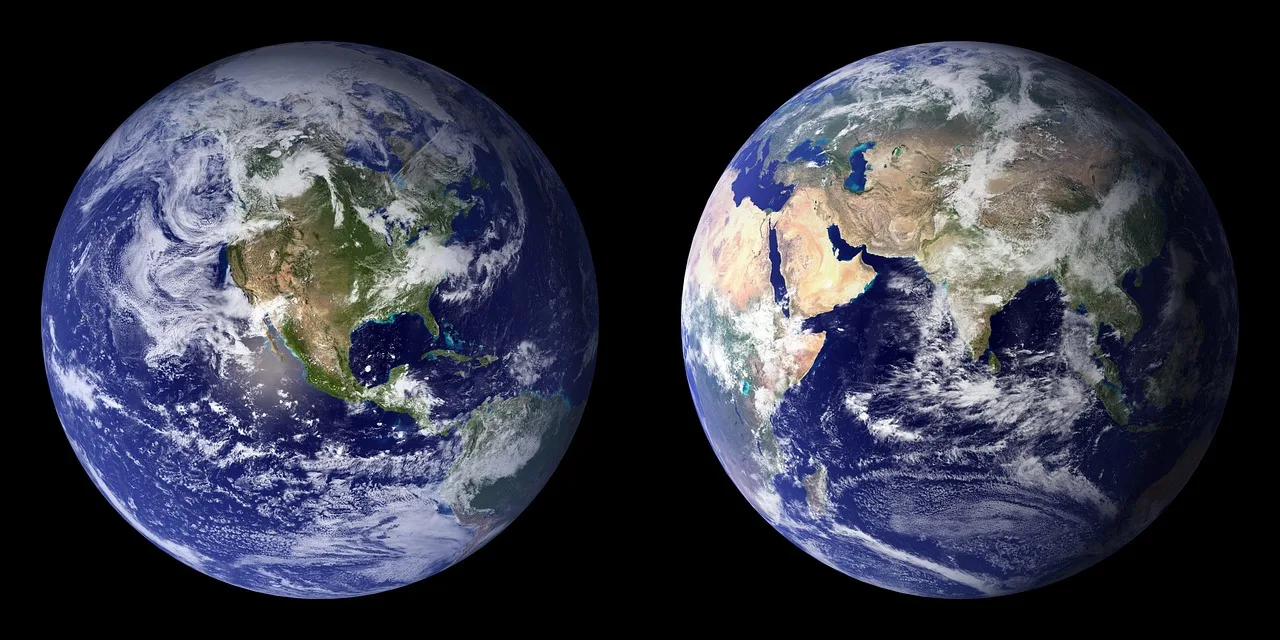
Çekim Tablosu
Belirtme (-i)yerküreyi
Yönelme (-e)yerküreye
Bulunma (-de)yerkürede
Çıkma (-den)yerküreden
Tamlayan (-in)yerkürenin
Çoğul (-ler)yerküreler
Tanım
•üstünde yaşadığımız gök cismi, yer, yer yuvarı, yer yuvarlağı
•Üstünde yaşadığımız gök cismi
Diğer Dillerde
Almancaglobus (eril)
globe
çekim: çoğul Globen · tamlayan Globusses
eş: Erdball, Erdkugel
köken: Borrowed from Latin globus.
SchreibtischglobusName — Masaüstün YerküreName
Fransızcaargile (dişil) /aʁ.ʒil/
clay
çekim: çoğul argiles
köken: From Latin argilla.
aile: argile smectique, pieds d'argile
Globe terrestreName — Masaüstün YerküreName
İspanyolcaaterrar, conectar a tierra, madriguera, poner a tierra, suelo, terreno /ateˈraɾ/
to bring down, to ground · to cover with earth, soil, sand, etc. · to land
çekim: geçmiş aterré · ortaç aterrado · şimdiki atierra
eş: abatir, derribar, derrocar
köken: From a- + tierra (“land”) + -ar.
aile: aterraje, aterramiento
Globo terráqueo para el escritorioName — Masaüstün YerküreName
İtalyancacollegare a terra, interrare, massa, mettere a terra, suolo, tana /in.terˈra.re/
to plant (seeds, plants, etc.) · to dig in (guns, etc.) · to fill in (a hole, etc.)
çekim: geçmiş interràto · ortaç interràto · şimdiki intèrra · ulaç interrànte
eş: sotterrare, seppellire, inumare, tumulare, coprire, ricoprire
köken: From Vulgar Latin *interrāre (“to put into earth”), from Latin in (“in”) + terra (“earth”). Numerous cognates include English inter; French enterrer; Catalan, Galician, Portuguese, and Spanish enterrar.
Globo per il desktopName — Masaüstün YerküreName
Rusçaглобус, земной шар (eril) /ˈɡɫobʊs/
globe (model of the Earth)
çekim: çoğul гло́бусы · tamlayan гло́буса
köken: First attested in 1697. Borrowed from Latin globus.
aile: гло́бусный
Настольный глобусName — Masaüstün YerküreName
Arapçaأرض, أَرْض, الْأَرْض, تُرَاب, تُربة, تُرْبَة (dişil) /ʔardˤ/
earth, land · Earth, earth · country, land
çekim: çoğul أَرَاضٍ · tamlayan أَرْضٍ
köken: From Proto-Semitic *ʔarṣ́-. Compare Hebrew אֶרֶץ (érets), Aramaic אַרְעָא (ʾarʿā) / Aramaic ܐܪܥܐ (ʔarʕā). False cognate of Dutch aarde.
aile: أَرْضِيّ, أَرْضِيَّة
سطح المكتب الكرة الأرضيةName — Masaüstün YerküreName
مَنِ ٱقْتَنَى كَلْبًا لَيْسَ بِكَلْبِ صَيْدٍ وَلَا مَاشِيَةٍ وَلَا أَرْضٍ فَإِنَّهُ يَنْقُصُ مِنْ أَجْرِهِ قِيرَاطَانِ كُلَّ يَوْمٍ.
Farsçaاِرْت, ارت کردن, جَهان, خاک, خَاک, خاک کردن /ˈxaːk/
earth · soil · dust
köken: From Middle Persian [Book Pahlavi needed] (hʾk' /xāk/), ultimately from Proto-Indo-European *h₂eHs-.
aile: خاکانداز
خامنهای ضحاک، میکشیمت زیر خاک.
world, earth
çekim: çoğul dünyalar · tamlayan dünyanın
köken: Borrowed from Arabic دُنْيَا (dunyā).
aile: dünyagir, dünyagörüşü, dünyasını dəyişmək, dünyaya gətirmək, dünyəvi, ümumdünya
dünyanın ən bahalı maşını
dünyanı gəzmək, görmək
dünyanın hər küncündə
land, earth, soil · country · place
çekim: çoğul жерлер · tamlayan жердің
köken: From Proto-Turkic *yẹr. Cognate with Turkish yer.
aile: жерлеу
Özbekçetuproq
ground, soil · territory · ashes, particularly of a dead person
çekim: çoğul tuproqlar · tamlayan tuproqning
köken: Inherited from Chagatai توفراق (toṗraq, tofraq), from Proto-Turkic *toprak.
Felemenkçeaarde, Aarde, aarden, begraven, droge land, grond (dişil) /ˈaːr.də/
earth, soil, ground · earth, ground
çekim: çoğul aardes
eş: aardbol, aardrijk, bol, globe, planeet, terra
köken: From Middle Dutch āerde, from Old Dutch ertha, from Proto-West Germanic *erþu, from Proto-Germanic *erþō. False cognate of Arabic أَرْض (ʔarḍ).
aile: aardachtig, aardappel, aardebaan, aarden, aardewerk, aardgebonden, aardkunde, aardlaag, aardman, aardolie
Globe op het bureaubladName — Masaüstün YerküreName
Een kudde wisenten heeft de aarde hier vertrapt.
De vochtige aarde ruikt goed.
Portekizcechão, enterrar, solo, toca (eril) /ˈʃɐ̃w̃/
ground, soil, earth · floor · land
çekim: çoğul chãos
köken: Inherited from Old Galician-Portuguese chão (“ground”), from Latin plānum (“level ground”) < plānus, from Proto-Indo-European *pleh₂- (“flat”). Compare Galician chan and Spanish llano. Doublet of plano, porão, piano, and lhano.
aile: rés do chão
GloboName — Masaüstün YerküreName
Não deixe cair nada no chão.
Este é o nosso chão.
Ainda tem um chão até o dia de eu me mudar.
Gaia, the Earth goddess · Gaia (the theory propounded by James Lovelock)
köken: From Ancient Greek Γαῖα (Gaîa).
Υδρόγειος επιφάνειας εργασίαςName — Masaüstün YerküreName
(US) ground, (UK) earth, a connection electrically to the ground
çekim: geçmiş アースした
köken: From a transliteration of British English earth.
aile: アース線
デスクトップ地球儀Name — Masaüstün YerküreName
soil
aile: 土壤學, 土壤学, 土壤污染, 土壤肥力, 土壤肥度, 土壤肥沃
諸侯欲聞之,當持土地所出,以供喪事。 — Yerküre, kutupları birleştiren çizgi ekseninde (yer ekseni) döner.
earth; Mother Earth; firm ground
köken: Sino-Korean word from 大地
데스크톱 지구본Name — Masaüstün YerküreName
to bury; to perform a burial · to bury; to hide or conceal; to cover with earth or large quantities of earth or snow · to bury; to put an end to
çekim: geçmiş begravde · ortaç begravd · ulaç begravande
köken: From Old Swedish begrava, from Middle Low German begrāven, from Proto-Germanic *bigrabaną. Equivalent to be- + gräva.
SkrivbordsjordglobName — Masaüstün YerküreName
Lehçegleba, Terra, uziemiać, uziemić, uziemienie, zakopać (dişil) /ˈɡlɛ.ba/
soil · bail, wipeout; a fall, especially during a sports activity · gleba
çekim: çoğul gleby · tamlayan gleby
eş: ziemia, grunt, podłoże, rola
köken: Etymology tree Latin glēbalbor. Polish gleba Learned borrowing from Latin glēba.
aile: bezglebowy, glebowy, glebnąć
Ziemia na biurkuName — Masaüstün YerküreName
soil, ground, bottom · allotment land · ground, basis, foundation
çekim: çoğul ґрунти́ · tamlayan ґру́нту
köken: Inherited from Old Ruthenian кгрунтъ (grunt), ґрунтъ (grunt), from Middle High German grunt.
Настільний глобусName — Masaüstün YerküreName
earth, ground
çekim: çoğul अवनियाँ
köken: Borrowed from Sanskrit अवनि (avani).
Fincehaudata, kaivaa maahan, kolo, maa, Maa, maadoittaa /ˈhɑu̯dɑtɑˣ/
to bury, inter, entomb · to bury, abandon
çekim: geçmiş haudannut · şimdiki hautaa · ulaç hautaava
köken: hauta (“grave”) + -ta
aile: hautaamaton, hautajaiset, hautaus, hautuu, hautautua, polttohaudata
Maapallo työpöydälläName — Masaüstün YerküreName
Çekçehlína, pochovat, uzemnění, uzemnit, země, Země (dişil) /ˈɦliːna/
earth, soil · clay
çekim: çoğul hlíny · tamlayan hlíny
eş: zemina, půda, prsť, zem, jíl
köken: Inherited from Old Czech hlína, from Proto-Slavic *glina, from Proto-Balto-Slavic *gléiˀnāˀ, from Proto-Indo-European *gleh₁y-.
aile: hliněný, hlinitý, hliniště, hlinka
Zeměkoule na pracovní plošeName — Masaüstün YerküreName
hlína je hnědá
keramická hlína
earth, ground · land
çekim: çoğul pământuri · tamlayan pământului
köken: Inherited from Latin pavīmentum (“floor composed of small stones beaten down”), possibly through attested Vulgar Latin paumentum. Compare Italian pavimento, Aromanian pimintu, Istro-Romanian pemint, Logudorese Sardinian pamentu (“floor”), pomentu, Friulian palment. Doublet of paviment.
aile: alcalino-pământos, împământa, împământare, împământeni, împământenire, nepământean, nepământesc, pământean, pământeană, pământeancă
Glob de birouName — Masaüstün YerküreName
Macarcaföld, Föld, földel, földelés, leföldel, lyuk /ˈføld/
earth, land · plot, estate, a piece or stretch of land · soil, dirt
çekim: çoğul földek
köken: Of uncertain origin, perhaps a derivation. One explanation is that it is from föl (“the upper part of something”) + -d (nominal suffix, originally diminutive suffix). For similar derivation, compare gyenge (“weak”) > gyengéd (“gentle”).
aile: földecske, földel, földes, földi, földség, földtelen, földabrosz, földadó, földalap, földalatti
Asztali földgömbName — Masaüstün YerküreName
İbraniceאֲדָמָה, אֶרֶץ, כַּדּוּר הָאָרֶץ
פלנטריום שולחניName — Masaüstün YerküreName
Latincehumus, mundus, orbis, orbis terrarum, saeculum, solum /ˈhʊ.mʊs/
ground, floor · earth, soil
çekim: çoğul humī · tamlayan humī
köken: From Proto-Italic *homos, from earlier *xomos, ultimately from *dʰéǵʰōm (“earth”). De Vaan suggests that the o-stem emerged in Latin on the basis of the ambiguous locative form humī, itself from earlier *homei, from Proto-Indo-European *ǵʰémi. Alternatively, Sihler reconstructs a seperate Proto-Indo-European adjective of the shape *dʰǵʰomós. Cognates include Sanskrit क्ष (kṣa), Ancient Greek χθών…
aile: humilis, humō
[Triptolemus] prīmus arābit et seret et culta praemia tollet humō
earth · Earth (the planet humans live on); see also Jorden · dirt, soil
çekim: çoğul jorde · tamlayan jords
köken: From Old Danish iorþ, iorth, from Old Norse jǫrð, from Proto-Germanic *erþō, from Proto-Indo-European *h₁er-.
SkrivebordsglobusName — Masaüstün YerküreName
Jeg har købt en sæk jord til bede i min baghave.
Jeg smed den på jorden!
Etimoloji
By surface analysis, yer (“earth, ground”) + küre (“sphere”).
Eş & Zıt Anlamlılar
Örnek Cümleler
Ve yerküre.
And the earth!
Masaüstün YerküreName
Desktop Globe
Yerküreye baktığımızda,
And when we look at the earth
Ondan sonra da yerküreyi döşedi,
And afterwards spread out the earth.
Yerkürenin yaklaşık yarı mesafesi.
It's nearly halfway around the globe.
350, yerkürenin en önemli numarası.
350, the most important number on earth.
Yerküre gezegenlerden bir tanesidir.
The earth is one of the planets.
Yerküre bir sarsılışla sarsıldığında,
When the earth is shaken up convulsively,
Hiç kuşkusuz, benim yerkürem geniştir.
Certainly, spacious is My earth.
Yerküre, o sarsıntıyla sarsıldığı zaman,
WHEN THE WORLD is shaken up by its cataclysm,
Yer, gezegen olarak yerkürenin kendisidir.
The land was designated as Ziamet land.
Yerküre kendine has sarsıntısıyla sallandığı,
WHEN THE WORLD is shaken up by its cataclysm,
İlgili Sorular
İlgili / Bileşik Terimler
Genelearth science
Genelearth science