Sözlük
/turta
turta
"turta" kelimesinin İngilizcesi: tart, pie, tart. Anlamı, çevirisi, telaffuzu ve örnek cümleler aşağıdadır.
Çeviri
Geneltart
Genelpie
Geneltart
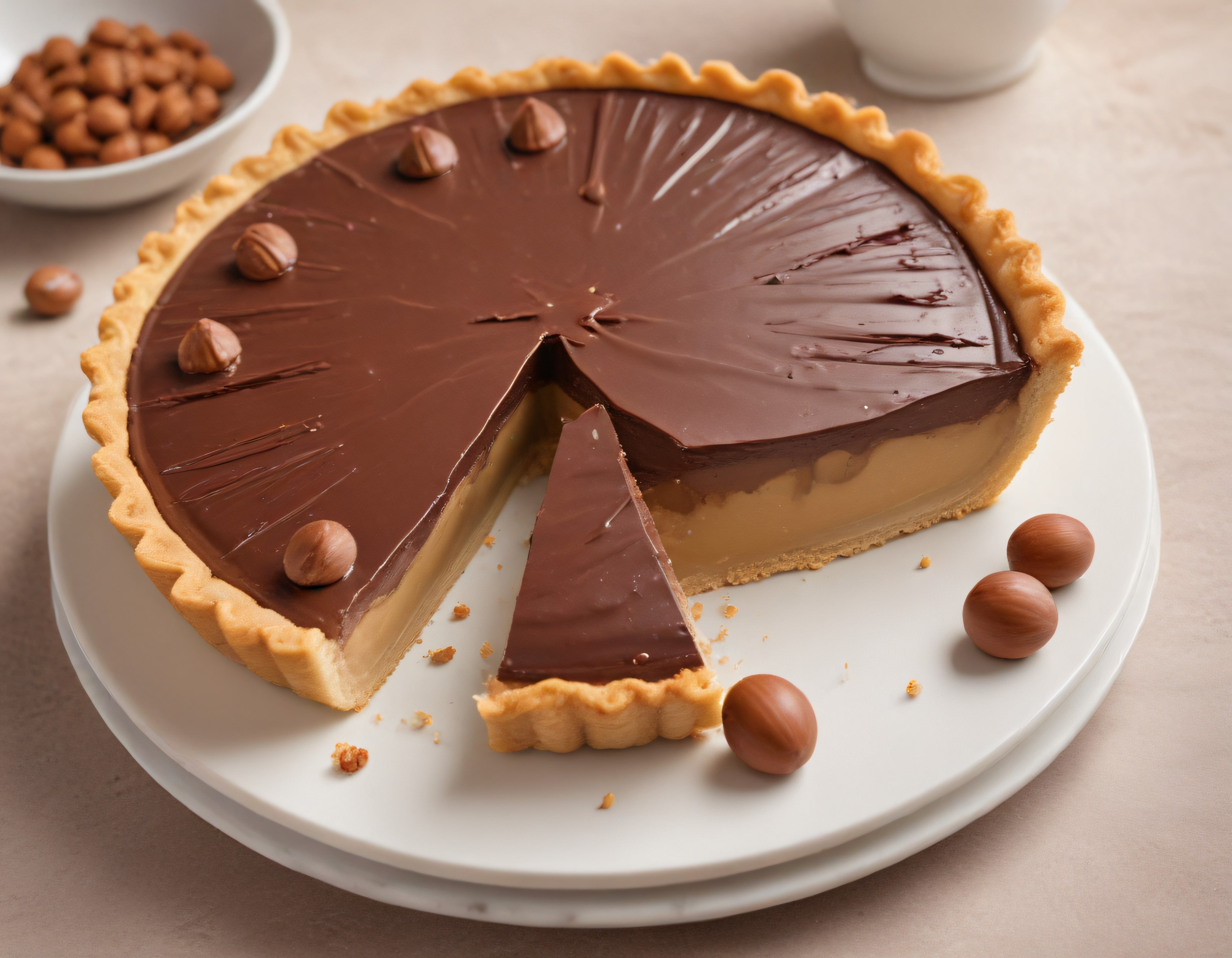
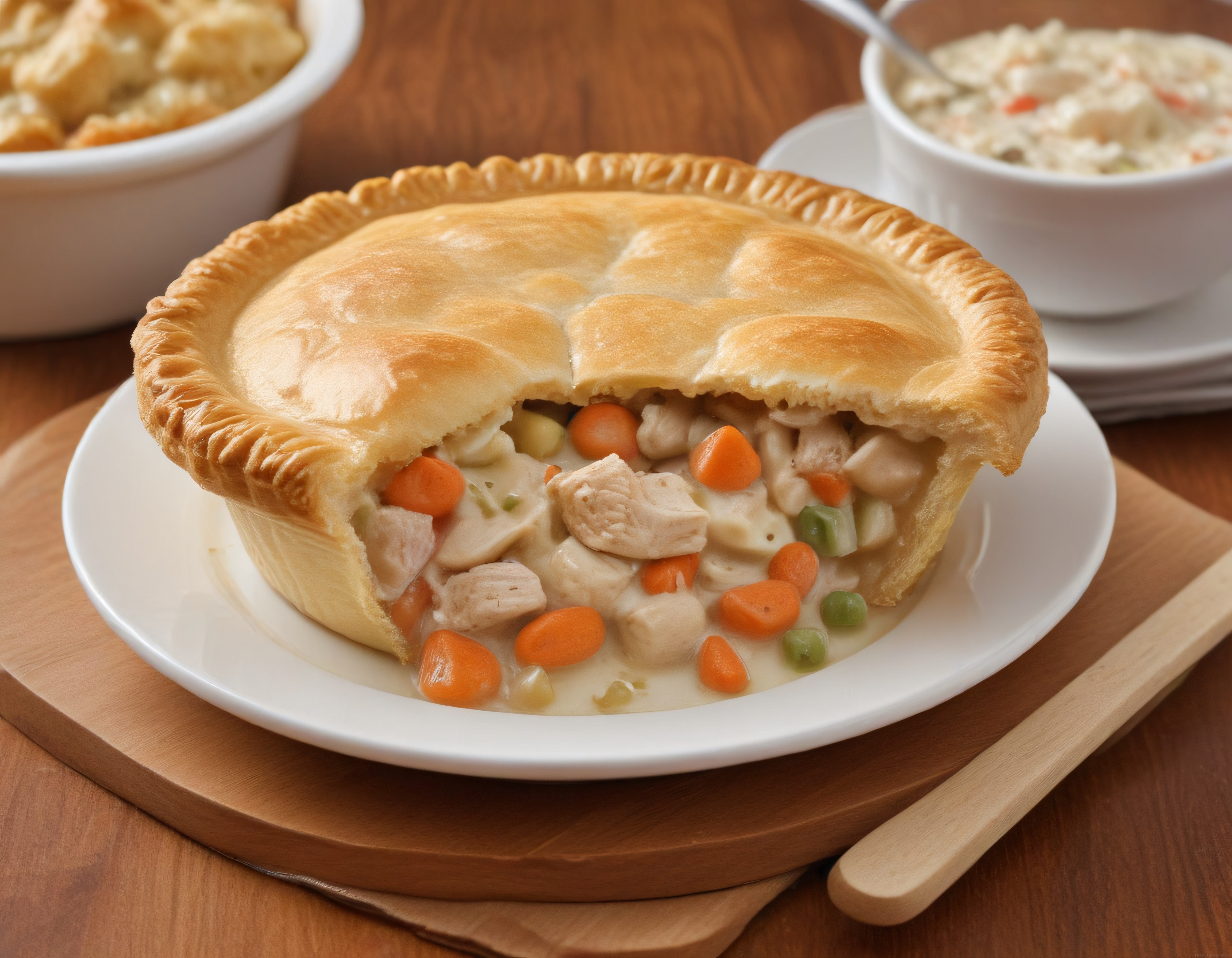
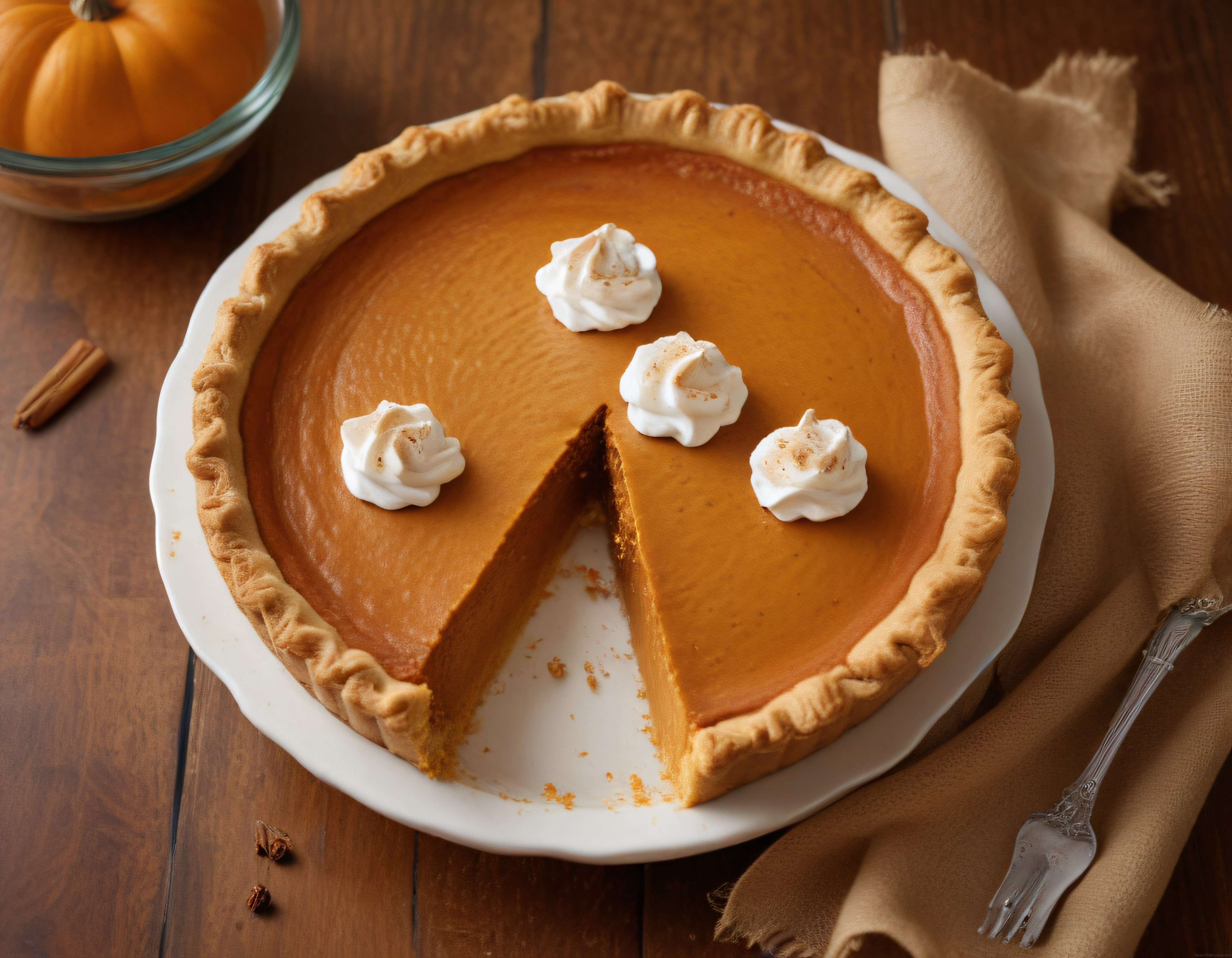
Görsel

Tanım
•isim: Üzeri yufka kaplı, meyveli veya kakaolu bir pasta türü
Diğer Dillerde
Almancabut see Kuchen, Flittchen, herb, Hure, Pastete, Prostituierte (nötr) /ˈflɪtçən/
hussy; tart; slut (a promiscuous (young) woman)
çekim: tamlayan Flittchens
eş: Schlampe
köken: Probably from underlying *Flitterchen, from flittern (“to flutter, glitter, giggle, flatter, caress”) + -chen, or alternatively from the related noun Flitter (“lustre, glitter, cheap jewellery, vanity”).
Kapitel XI. Wer stahl die Törtchen? — Bölüm XI. Kim Turtalar Stole?
bitter · sour
köken: Inherited from Old French amer, from Latin amārus, from Proto-Indo-European *h₂eh₃mós (“bitter, raw”).
aile: doux-amer, rose amère
Deux pizzas. — İki turta.
acerb (bitter to the taste) · acerbic (sour or bitter) · biting, scathing, acerbic
köken: Borrowed from Latin acerbus.
aile: acerbamente, exacerbar
¿Quién robó las tartas? — Kim Turtalar Stole?
İtalyancaacido, aspro, crostata, donnaccia, pasticcio, prostituta /ˈa.t͡ʃi.do/
acid
çekim: çoğul acidi
eş: acidulo, acre, agro, asprigno, aspro, inacidito
köken: From Latin acidus.
aile: acido acetico, acido acetilsalicilico, acido acrilico, acido adipico, acido antranilico, acido arachidonico, acido ascorbico, acido aspartico, acido barbiturico, acido benzoico
Due torte. — İki turta.
Rusçaторт /tort/
cake, torte
çekim: çoğul то́рты · tamlayan то́рта
köken: Borrowed from Italian torta.
Кто украл Пироги? — Kim Turtalar Stole?
Торопуло оста́вил в свое́й ко́мнате на мину́ту го́стя одного́. Стол был накры́т на две персо́ны и укра́шен то́ртом.
Arapçaفَطِيرَة
هتان اثنتان — İki turta.
sour
çekim: karşılaştırma daha turş · üstünlük ən turş
köken: From Classical Persian تُرْش (turš).
Tatarcaбәлеш
savoury pie, pasty (often containing meat) · pâté (now chiefly used in compounds)
çekim: çoğul pasteien
köken: From Middle Dutch pasteide.
aile: ganzenpastei, leverpastei
Twee taarten. — İki turta.
sour; acid; sharp; tangy (of a taste) · cold; unfriendly (of a person)
çekim: karşılaştırma mais azedo · üstünlük o mais azedo
köken: Inherited from Old Galician-Portuguese azedo, from Latin acētum (“vinegar”).
Duas tortas. — İki turta.
η πρωτοϊνδοευρωπαϊκή γλώσσα
Ποιος έκλεψε το Τάρτες; — Kim Turtalar Stole?
그리스어 알파벳의 열여섯째 글자, Π / π. (부록: 그리스어 알파벳). 그리스어에서는 피로 읽고, 영어에서는 pi로 표기하고 "파이"로 읽는다.
köken: From English pie.
파이 두 개 — İki turta.
a whore (prostitute) · a whore (promiscuous person, slut) · a whore (person offering themselves in some non-sexual capacity in a way perceived as indicating a lack of self-respect)
çekim: çoğul horor · tamlayan horas
köken: From Old Swedish hōra, from Old Norse hóra, from Proto-Germanic *hōrǭ, from Proto-Indo-European *kéh₂ros (“dear, loved”). Compare Danish hore, English whore, Dutch hoer, German Hure. Doublet of kär.
aile: horbock, horkarl, horklut, horunge, svennehora
Två tårtor. — İki turta.
Han verkar hora ut sig till vilka tveksamma sponsorer som helst
dough, batter · cake, pie
çekim: çoğul ciasta · tamlayan ciasta
eş: placek
köken: Etymology tree Proto-Slavic *těsto Old Polish ciasto Polish ciasto Inherited from Old Polish ciasto.
Dwa ciastka. — İki turta.
Ukraynacaпирі́г
Це пиріг. Це паралель. — Bu turta. -
Hintçeपाई (dişil) /pɑː.iː/
pie (former Indian coin)
çekim: çoğul पाइयाँ
köken: Inherited from Sanskrit पादिका (pādikā, “foot, shoe, quarter”), from पाद (pāda, “foot, quarter”) + -इक (-ika, “-ic: forming adjectives”).
Fincehapan, huora, ilotyttö, kakku, kakuttaa, kirpeä /ˈhɑpɑn/
sour, acid in taste · sour, peevish, irritable, grumpy, fretful, ill-tempered · acidic, acid
çekim: karşılaştırma happamampi · üstünlük happamin
köken: From Proto-Finnic *hap'oin (compare Estonian hapu), from Proto-Finno-Permic *šappa (compare Erzya чапамо (čapamo), Moksha шапама (šapama), Eastern Mari шопо (šopo)). The declension has been levelled to a plain m-stem with two variants happama- and happame- (see usage notes below for original dialectal distribution).
aile: hapahko, hapoinen, happamahko, happamaton, happamasti, happamesti, happamuus, happo, hapantua, hapata
Kuka varasti Tarts? — Kim Turtalar Stole?
hapan mehu
tramp, floozie (promiscuous woman)
çekim: çoğul běhny · tamlayan běhny
eş: poběhlice, coura, šlapka, čubka, rajda, děvka
köken: From běhat + -na.
Dvěma koláčům. — İki turta.
traditional pie or pastry (savory or sweet, often filled with cheese and fruit, and coming in various forms, sometimes like a pancake or crêpe)
çekim: çoğul plăcinte · tamlayan plăcinte
köken: Inherited from Latin placenta, from Ancient Greek πλακόεντα (plakóenta). Doublet of the borrowing placentă. Compare Aromanian plãtsintã.
aile: plăcintar, plăcintărie, plăcintuță
Cine a furat tarte? — Kim Turtalar Stole?
Macarcafanyar, pite, prostituált, ribanc, ringyó /ˈfɒɲɒr/
tart, sour, acid (not too sour but sharp to the taste, like an unripe apple) · wry (smile), dry (sense of humor)
çekim: karşılaştırma fanyarabb · üstünlük legfanyarabb
köken: Back-formation from fanyarog, a variant of fanyalog (“to sniff, to be dismissive or contemptuous of something with a glum, unenthusiastic face”).
aile: fanyar-édes, fanyaran, fanyarkás, fanyarság
2 pite. — İki turta.
İbraniceפַּאי, פַּשְׁטִידָה, תַּמְלִיא
שתי עוגות — İki turta.
Latinceacidus, crustum, placenta /ˈa.kɪ.dʊs/
sour, tart, acid, bitter · harsh, grating, rough, shrill · disagreeable, unpleasant; sharp, keen, pungent; sharp-tongued
çekim: karşılaştırma acidior · üstünlük acidissimus
köken: Etymology tree Proto-Indo-European *h₂eḱ- Proto-Indo-European *-éh₁ti Proto-Indo-European *-yeti Proto-Indo-European *-éh₁yeti Proto-Indo-European *h₂eḱéh₁yeti Proto-Italic *akēō Latin aceō Proto-Indo-European *dʰeh₁-der. Proto-Italic *-iðos Latin -idus Latin acidus From aceō (“to be sour”) + -idus.
aile: acidē, aciditās, acidulus, dulcacidus, salmacidus, subacidus
acidic, sour, tangy · acerbic, biting, sarcastic
çekim: karşılaştırma syrligere · üstünlük syrligst
köken: From sur or syre + -lig.
aile: syrlighed
2 lagkager. — İki turta.
Norveççehore, prostituert, tøs
Hun liker tennis og ridning. — Ördeklerden ve turtalardan hoşlanır.
Örnek Cümleler
İki turta.
Two pies.
Bu turta. -
This is the pie.
Noel Turtası
Christmas Pie
Dobos turtası
Dobos Cake
Bu bir turta.
So that's equal to one pie.
Turta pişirdim.
I baked a pie.
Turta lezzetli.
The pie is delicious.
Bir turtam var.
So I have a pie.
Ve çeyrek turta.
And then let's say, one fourth of a pie.
İki turta vardı.
There were two pies.
Turta pişiriyorum.
I'm baking a pie.
Bir parça turta al.
Have a piece of pie.
İlgili Sorular
İlk turta kim tarafından yapıldı?
Tatlı patatesli turta tarifi nasıl hazırlanır?
Ürün (tort, turta vb.) fikirleri ve tariflerin telif hakları kapsamında nasıl korunur?
Adam bir kedi ve bir devekuşu eşliğinde bara girip "Üç bira alabilir miyim?" diyor. Barmen "£3.00" diyor ve kedi "Ben ödeyecek değilim!" diyor. Adam tam £3.00 veriyor. Ertesi gün aynı grup "Üç bira ve üç turta" istiyor, barmen "£6.00" diyor, kedi yine aynı tepkiyi veriyor ve adam £6.00 çıkarıyor. Üçüncü gün ne olacak?
İlk kez turtayi kim ortaya koydu?