Sözlük
/semâ
sema
/seˈmaː/
name
TR → EN
"sema" kelimesinin İngilizcesi: scheme, blue, empyrean, firmament, heaven. Anlamı, çevirisi, telaffuzu ve örnek cümleler aşağıdadır.
Çeviri
Genelschemenoun
Genelblue
Genelempyrean
Genelfirmament
Genelheaven
Genelsky
Genelsphere
Genelvault
Genelwelkin
Genelazure
Geneldiagram
Genelheaven
Genelheaven
Genelheaven
Genelheaven
Genelheaven
Görsel
Çekim Tablosu
Belirtme (-i)semayı
Yönelme (-e)semaya
Bulunma (-de)semada
Çıkma (-den)semadan
Tamlayan (-in)semanın
Çoğul (-ler)semalar
Tanım
•isim: gök
•isim: Mevlevi dervişlerinin ney, nısfiye vb. çalgılar eşliğinde, kollarını iki yana açıp dönerek yaptıkları ayin
•eskimiş: İşitme, duyma
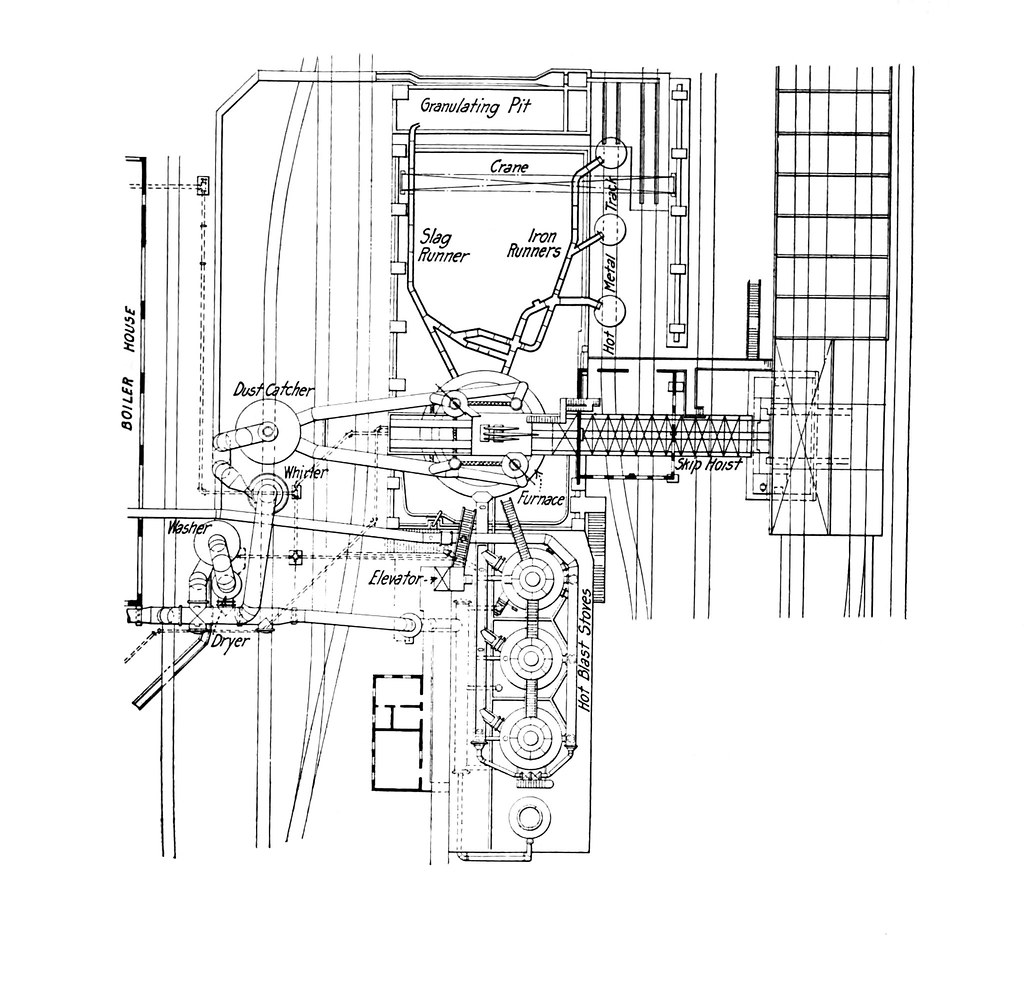
•isim: Bir aletin, bir aracın veya bir biçimin ana çizgilerini gösteren çizim
•Bir edebiyat eserinin, bir tasarının planı
Diğer Dillerde
Almancahimmel (eril)
inflection of himmeln: · singular imperative
çekim: çoğul Himmeln · tamlayan Himmels
eş: Troposphäre, Atmosphäre, Himmelsmeer, Abrahams Schoß, bessere Welt, das ewige Leben
köken: From Middle High German himel, from Old High German himil, from Proto-West Germanic *himil.
aile: Erdenhimmel, Gotteshimmel, Himmelbett, Himmelfahrt, himmelhoch, himmelisch, Himmelisch, himmeln, Himmelsachse, Himmelsäquator
& Schema — & Şema
Auf der breiten Waldstraße, im kühlen Herbstschatten der Tannen, durch die ein mattblauer Himmel schimmerte, begegneten sich die Freunde.
beyond
çekim: çoğul au-delàs
eş: en delà
zıt: en deçà
köken: From à + le + delà.
& Modèle de couleurs — & Şema
Il est allé rejoindre ses proches dans l'au-delà.
İtalyancaa luci rosse, azzurro, blu, depresso, malinconico, paradiso /adˈd͡zur.ro/
light blue, azure, sky blue (especially the light blue colour/color of the sky) · in or of an Italian national team (athlete, player, etc.)
çekim: çoğul azzurri
eş: blu, celeste, glauco, turchese, turchino, pervinca
köken: From Medieval Latin lazulum (through a variant lazurum and with rebracketing of the initial l- as the article l'), from Arabic لَازَوَرْد (lāzaward, “lapis lazuli”), from Persian لاجورد (lâjvard, “lapis lazuli”). Cognate with English azure, French azur, and Portuguese and Spanish azul.
& Schema — & Şema
heaven, firmament
çekim: çoğul небеса́ · tamlayan не́ба
eş: небеса, небосвод, небосклон, поднебесье, рай
köken: Borrowed from Old Church Slavonic небо (nebo), from Proto-Slavic *nebo. Doublet of нёбо (njóbo), the inherited East Slavic form.
aile: небе́сный, Поднебе́сная, поднебе́сье, небожи́тель, небосво́д, небоскло́н, небоскрёб, не́бо в кле́точку, не́бо с овчи́нку, попа́сть па́льцем в не́бо
& Схема — & Şema
на не́бе
копти́ть не́бо
небо в кле́точку
flickering, glinting · blue, blue-coloured
köken: Color or defect adjective from the root ز ر ق (z r q). Compare Ancient Greek γλαυκός (glaukós) for the semantic development.
مخطط — & Şema
وَنَحْشُرُ الْمُجْرِمِينَ يَوْمَئِذٍ زُرْقًا
blue · aquatic · aqueous
köken: From آب (“water”) + ـی (-i, suffix forming adjectives).
heaven, paradise
çekim: çoğul cənnətlər · tamlayan cənnətin
köken: Etymology tree Arabic جَنَّة (janna)bor. Classical Persian جَنَّت (jannat)bor. Old Anatolian Turkish جنت Azerbaijani cənnət Inherited from Old Anatolian Turkish جنت, borrowed from Classical Persian جَنَّت (jannat), borrowed from Arabic جَنَّة (janna).
sky, heaven, firmament
çekim: çoğul аспандар · tamlayan аспанның
köken: Derived from Classical Persian آسْمَان (āsmān).
aile: аспандау, аспандық, аспанкез
Özbekçefirdavs, gʻamgin, koʻk, moviy /kok/
greens
çekim: çoğul koʻklar · tamlayan koʻkning
köken: Inherited from Chagatai کوک (kök), from Proto-Turkic *kȫk (“blue, sky”).
Tatarcaжәннәт, зәңгәр
blue (colour)
köken: From Persian زنگار (zangâr).
Зәңгәр күлмәгеңне киясең дә, / Зәңгәр күлгә көн дә киләсең.
Felemenkçeschema, diagram
& Schema — & Şema
Portekizcecéu (abóbada celeste)
Esquema — & Şema
Yunancaμπλε, ουράνια, ουρανός, παράδεισος /ble/
blue
köken: Borrowed from French bleu.
& Σχήμα — & Şema
pink, the colour · pink, the flower · eroticism, something erotic
eş: 桃色, 桜色, 石竹色
köken: Borrowed from English pink.
スキーム(S) — & Şema
Çince下流的, 藍 /蓝, 藍色 /蓝色
亞 曼 、 示 瑪 、 摩 拉 大 — Amam, Şema, Molada,
paradise
köken: Sino-Korean word from 樂園.
새 배열 — Yeni Şema
İsveççeblå, blåvinge, deprimerad, himmel, himmelrike, sky /bloː/
blue · of or pertaining to conservatives or liberals in European politics
çekim: karşılaştırma blåare · üstünlük blåast
köken: From Old Norse blár (“blue”), from Proto-Germanic *blēwaz (“blue”).
aile: azurblå, babyblå, berlinerblå, blixtblå, blyblå, blåblodig, blåbär, blågrå, blågrön, blågul
Schema — & Şema
blå(a) blåbär [see the declension table]
Lehçebłękit, błękitnieć, błękitny, modraszek, niebieścić, niebieski (eril) /ˈbwɛŋ.kit/
sky blue (color, pigment, or clothes) · blue sky, clear sky
çekim: çoğul błękity · tamlayan błękitu
eş: lazur, niebo
köken: Back-formation from błękitny. First attested in 1778.
aile: błękitnawy, błękitniutki, błękitny, błękitnawo, błękitnie, błękitno, błękit królewski, błękit pruski, błękitek, błękitność
& Zestaw — & Şema
Ukraynacaблаки́тний, голуби́й, лазу́рний, порнографі́чний, си́ній, сумни́й
Схема — & Şema
alternative spelling of अंबर (ambar)
çekim: çoğul अम्बरों
Fincealakuloinen, alavireinen, avomeri, demokraattinen, melankolinen, paratiisi /ˈɑlɑˌkuloi̯nen/
blue, melancholic · in low spirits, dejected, down, downcast
çekim: karşılaştırma alakuloisempi · üstünlük alakuloisin
köken: ala- + kulo + -inen. The middle component is of unknown origin. It is possibly from kulo (“dry, dead grass”) in reference to such grass being flattened down, thus "beat down".
aile: alakulo, alakuloisesti, alakuloisuus
& Ei väritystä — & Şema
blue
çekim: çoğul modři · tamlayan modři
& Schéma — & Şema
blue · blue, sad
köken: From a Vulgar Latin root *albaster, albastrum, derived from Latin albus (“white”). Probably originally referred to the whiteness in a lightly clouded sky. See also the formations in Italian biancastro (“whitish”), nerastro (“blackish”), French blanchâtre (“whitish”), noirâtre (“blackish”) (with the suffixes -astro and -âtre deriving from Latin -astrum, accusative singular of -aster). Compare also…
aile: albăstri, albăstrime, albăstrui
& Schema — & Şema
Macarcadisznó, ég, égbolt, erotikus, kék, kékít /ˈdisnoː/
swine, pig (mammal) · wild boar · inkblot (a blot of ink)
çekim: çoğul disznók
köken: Borrowing from an Oghur language before the times of the Hungarian conquest of the Carpathian Basin (at the turn of the 9th and 10th centuries). Compare Chuvash сысна (sysna, “pig”), Eastern Mari сӧсна (sösna, “pig”). Dialectal gyisznó retains an older form of the word.
aile: disznólkodik, disznóság, disznódelfin, disznóhal, disznóhús, disznóól, disznópásztor, disznózsír, sündisznó, vaddisznó
& Színséma — & Şema
İbraniceגַּן עֵדֶן, כָּחוֹל, כְּחוּלָה, כַּחְלִיל, פרדיסא, שָׁמַיִם
& ללא תרשים צבעים — & Şema
Latinceazurinus (lapis, ML.), blavus (la-lat), caelum, caeruleus, caerulus, caesius /ˈkae̯.ɫũː/
heaven (where the stars and the Milky Way is) · climate, weather · the summit of prosperity, happiness, honor
çekim: çoğul caelī · tamlayan caelī
köken: Uncertain; possibly from Proto-Italic *kailom (with a gender change to masculine), from Proto-Indo-European *kéh₂i-lom (“whole”), originating in the augural sphere and indicating "the whole" as opposed to templum (“the part”) and cognate with Latin caelebs (and perhaps sincērus and caerimōnia), Russian це́лый (célyj, “whole, intact”), Proto-Germanic *hailaz. May be cognate of Oscan 𐌊𐌀𐌝𐌋𐌀 (kaíla,…
aile: caeles, caelestīnus, caelestis, caelicola, caelicus, caelifer, caelifluus, caeligenus, caeliger, caeliloquus
illa ego sum, cui tū solitus prōmittere caelum. ei mihi, prō caelō quālia dōna ferō!
viditque in somnis scalam stantem super terram et cacumen illius tangens caelum
Horace, Epistles I.xi.27 http://www.thelatinlibrary.com/horace/epist1.shtml (translation Eugene Ehrlich, Say It in Latin, →ISBN
Dancablåfugl
blue (butterfly in family Lycaenidae)
çekim: çoğul blåfugle · tamlayan blåfugls
köken: From blå + fugl.
& Skema — & Şema
Etimoloji
Arapça ﺳﻤﺎﺀ (ar)
Deyimler
devre şeması
Eş & Zıt Anlamlılar
Örnek Cümleler
& Şema
& Scheme
Şema:% 1
Scheme: %1
Yeni Şema
New Scheme
XMP Şeması
XMP Schema
Basit Şema
Basic Schema
XML Şeması
XML Schema
güç şeması
power scheme
Şemayı sil
Remove scheme
LSI şeması
Schematic of LSI
DTD / Şema:
DTD / Schema:
Renk Şeması
Color Scheme
Renk şeması:
Color scheme:
Birleşik Kelimeler