Sözlük
/sınav
sınav
/sɯˈnav/
noun
B2 seviye
TR → EN
"sınav" kelimesinin İngilizcesi: test, trial, push-up, press-up, blue. Anlamı, çevirisi, telaffuzu ve örnek cümleler aşağıdadır.
Çeviri
Geneltestnoun
Geneltrialnoun
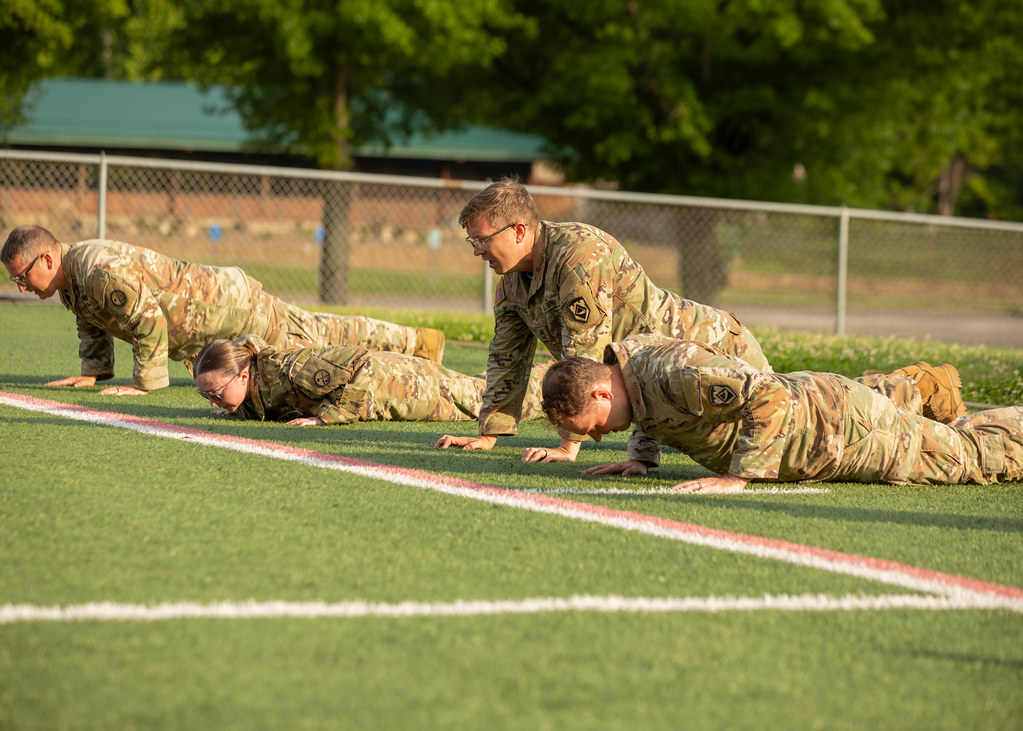
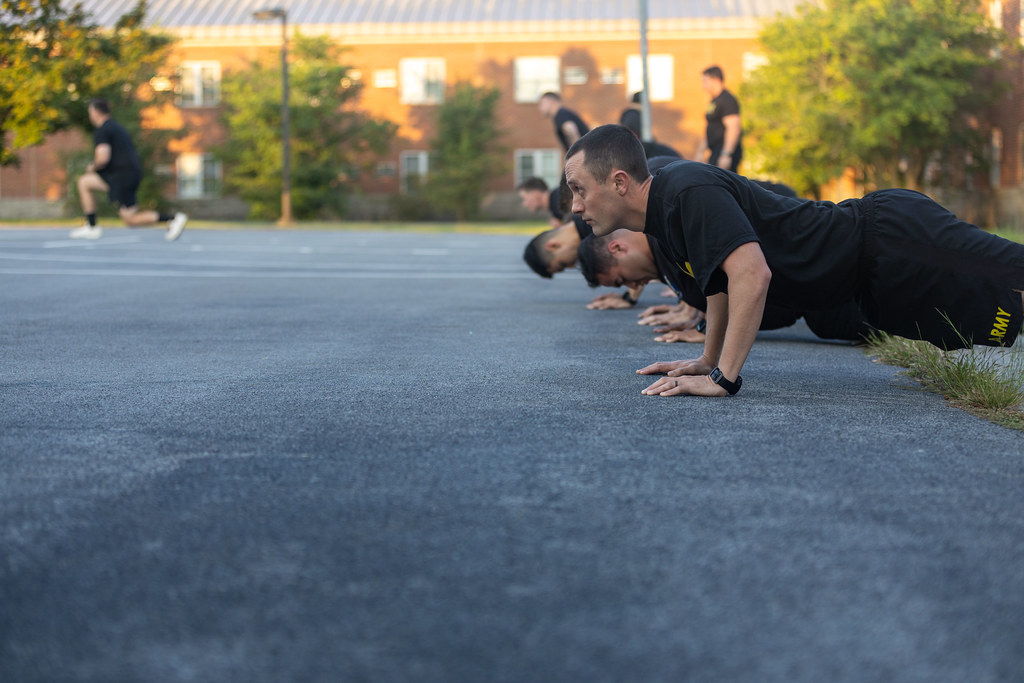
Genelpush-upnoun
Genelpress-upnoun
Genelblue
Genelexam
Genelexamination
Genelpush up
Genelpush up
Genelpush up
Görsel
Çekim Tablosu
Belirtme (-i)sınavı
Yönelme (-e)sınava
Bulunma (-de)sınavda
Çıkma (-den)sınavdan
Tamlayan (-in)sınavın
Çoğul (-ler)sınavlar
Tanım
•(mecaz) direnme, dayanışma, güç gerektiren, sonuçta bir deneyim kazandıran zor durum
•öğrencilerin veya bir işe girmek isteyenlerin bilgi derecesini anlamak için yapılan yoklama, imtihan, test
•Öğrencilerin veya bir işe girmek isteyenlerin bilgi derecesini anlamak için yapılan yoklama
•Yüzüstü yere uzanılıp eller omuz açıklığında yere dayalı bir biçimde, ayak parmakları üzerinde, bel ve dizler bükülmeden dirseklerin yukarı aşağı doğru indirilip kaldırılmasıyla yapılan bir beden hareketi
•Direnme, dayanışma, güç gerektiren, sonuçta bir deneyim kazandıran zor durum
Diğer Dillerde
Almancaabverlangen, aufzeigen, blaaw, blau, Blau, blau werden
to demand
çekim: geçmiş verlangte ab · ortaç abverlangt · şimdiki verlangt ab · ulaç abverlangend
eş: abfordern, beanspruchen, einfordern
köken: ab- + verlangen
& Quiz — & Sınav
jemandem ein Opfer abverlangen
to blue (brighten laundry)
çekim: geçmiş azuré · ortaç azuré · şimdiki azure · ulaç azurant
eş: bleuir, bleuter, blanchir
aile: azurage
& Questionnaire — & Sınav
blue
çekim: çoğul azules
eş: azur, blao, cianótico, lívido
köken: Etymology tree Proto-Indo-European *ǵʰelh₃-der.? Classical Persian لاژورد (Lāžvard) Classical Persian لَاجَوَرْد (lājaward)bor. Arabic لَازُوَرْد (lāzuward) Andalusian Arabic [Term?]bor. Old Spanish azur Spanish azul Inherited from Old Spanish azur, from an Andalusian Arabic *لَازُورْد (*lāzūrd), contracted form of Arabic لَازُوَرْد (lāzuward, “lapis lazuli”), from Persian لاجورد (lâjvard, “lapis…
aile: al azul, arándano azul, azul celeste, azul cielo, azul de cobalto, azul de mar, azul de Prusia, azul de Sajonia, azul de ultramar, azul marino
& Prueba — & Sınav
İtalyancaa luci rosse, azzurro, blu, depresso, esame, malinconico /adˈd͡zur.ro/
light blue, azure, sky blue (especially the light blue colour/color of the sky) · in or of an Italian national team (athlete, player, etc.)
çekim: çoğul azzurri
eş: blu, celeste, glauco, turchese, turchino, pervinca
köken: From Medieval Latin lazulum (through a variant lazurum and with rebracketing of the initial l- as the article l'), from Arabic لَازَوَرْد (lāzaward, “lapis lazuli”), from Persian لاجورد (lâjvard, “lapis lazuli”). Cognate with English azure, French azur, and Portuguese and Spanish azul.
& Quiz — & Sınav
Rusçaэкзамен, испытание, тест
& Тест — & Sınav
Arapçaأزرق, أَزْرَق, أزرگ, اِبْتَلَى, اِخْتِبَار, اِخْتَبَرَ /ʔaz.raq/
flickering, glinting · blue, blue-coloured
köken: Color or defect adjective from the root ز ر ق (z r q). Compare Ancient Greek γλαυκός (glaukós) for the semantic development.
الإختبار — & Sınav
وَنَحْشُرُ الْمُجْرِمِينَ يَوْمَئِذٍ زُرْقًا
Farsçaآبی, اَفْسُرْدِه, غَمْگین, کَبود /ʔaː.ˈbiː/
blue · aquatic · aqueous
köken: From آب (“water”) + ـی (-i, suffix forming adjectives).
blue · stingy · unripe
çekim: karşılaştırma daha göy · üstünlük ən göy
köken: From Proto-Turkic *kȫk (“blue, green”).
aile: göyərti, göyərmək, göygöz, göygözlü
examination
çekim: çoğul емтихандар · tamlayan емтиханның
köken: Etymology tree Arabic اِمْتَحَنَ (imtaḥana) Arabic اِمْتِحَان (imtiḥān)bor. Classical Persian اِمْتِحَان (imtihān)bor. Kazakh емтихан Borrowed from Classical Persian اِمْتِحَان (imtihān), borrowed from Arabic اِمْتِحَان (imtiḥān), from اِمْتَحَنَ (imtaḥana).
examination, test
çekim: çoğul imtihonlar · tamlayan imtihonning
köken: Etymology tree Arabic اِمْتَحَنَ (imtaḥana) Arabic اِمْتِحَان (imtiḥān)bor. Classical Persian اِمْتِحَان (imtihān)bor. Uzbek imtihon Borrowed from Classical Persian اِمْتِحَان (imtihān), borrowed from Arabic اِمْتِحَان (imtiḥān), from اِمْتَحَنَ (imtaḥana).
blue (colour)
köken: From Persian زنگار (zangâr).
Зәңгәр күлмәгеңне киясең дә, / Зәңгәр күлгә көн дә киләсең.
Felemenkçeblauw, blauwtje, depressief, proef, terneergeslagen /blɑu̯/
blue · visibly bruised · pertaining to aquatic nature
çekim: karşılaştırma blauwer · üstünlük blauwst
köken: From Middle Dutch blau, blauwe, from Old Dutch *blāo, from Proto-West Germanic *blāu, from Proto-Germanic *blēwaz. Doublet of bleu.
& Toets — & Sınav
De lucht is vandaag zo blauw en helder.
Ze droeg een blauw jurkje op het feest.
blauw oog
Portekizceazulado, borocoxô, cerúleo, exame, pornô, pornográfico /a.zuˈla.du/
having a blue tint or hue; bluish
çekim: karşılaştırma mais azulado · üstünlük o mais azulado
köken: From azular + -ado.
& Questionário — & Sınav
test, examination (at secondary/high school level)
çekim: çoğul διαγωνίσματα · tamlayan διαγωνίσματος
& Κουίζ — & Sınav
test · quiz
çekim: geçmiş テストした
köken: From English test.
クイズ(Q) — & Sınav
明日テストがある。
Çince下流的, 藍 /蓝, 藍色 /蓝色
大学入学资格考试 — Olgunluk sınavı
examination
köken: Sino-Korean word from 檢査, from 檢 (“examining”) + 査 (“inquiring”)
학습경로는? — Sınav Nedir?
İsveççeblå, blåvinge, deprimerad, dugga, försök, prov /bloː/
blue · of or pertaining to conservatives or liberals in European politics
çekim: karşılaştırma blåare · üstünlük blåast
köken: From Old Norse blár (“blue”), from Proto-Germanic *blēwaz (“blue”).
aile: azurblå, babyblå, berlinerblå, blixtblå, blyblå, blåblodig, blåbär, blågrå, blågrön, blågul
& Prov — & Sınav
blå(a) blåbär [see the declension table]
Lehçebłękit, błękitnieć, błękitny, egzamin, modraszek, niebieścić (eril) /ˈbwɛŋ.kit/
sky blue (color, pigment, or clothes) · blue sky, clear sky
çekim: çoğul błękity · tamlayan błękitu
eş: lazur, niebo
köken: Back-formation from błękitny. First attested in 1778.
aile: błękitnawy, błękitniutki, błękitny, błękitnawo, błękitnie, błękitno, błękit królewski, błękit pruski, błękitek, błękitność
& Quiz — & Sınav
Ukraynacaблаки́тний, випробовувати, випробо́вувати, випро́бування, випро́бувати, ви́пробувати /ʋeprɔˈbɔwʊʋɐte/
to test, to put to the test, to try, to try out (to evaluate by testing or experimentation)
çekim: geçmiş випробо́вуваний · şimdiki випробо́вує
köken: From випроб- (vyprob-) + -о́в- (-óv-) + -увати (-uvaty). Compare Belarusian выпрабо́ўваць (vyprabówvacʹ), Polish wypróbowywać.
aile: випробо́вування, випробо́вуватися
& Тест — & Sınav
випробо́вувати до́лю
test, testing, trial
çekim: çoğul आज़माइशें
köken: Borrowed from Classical Persian آزمایش (āzmāyiš). Compare Bengali আজমায়েশ (ajmaẏeś).
aile: आज़माइशी
ज़ोर आज़माइश
Fincealakuloinen, alavireinen, avomeri, demokraattinen, haastaa, järjestää tentti /ˈɑlɑˌkuloi̯nen/
blue, melancholic · in low spirits, dejected, down, downcast
çekim: karşılaştırma alakuloisempi · üstünlük alakuloisin
köken: ala- + kulo + -inen. The middle component is of unknown origin. It is possibly from kulo (“dry, dead grass”) in reference to such grass being flattened down, thus "beat down".
aile: alakulo, alakuloisesti, alakuloisuus
& Kysely — & Sınav
Çekçemodř, modrý, test, testovat, vyzkoušet, zkoušet (dişil) /ˈmotr̝̊/
blue
çekim: çoğul modři · tamlayan modři
& Kvíz — & Sınav
blue · blue, sad
köken: From a Vulgar Latin root *albaster, albastrum, derived from Latin albus (“white”). Probably originally referred to the whiteness in a lightly clouded sky. See also the formations in Italian biancastro (“whitish”), nerastro (“blackish”), French blanchâtre (“whitish”), noirâtre (“blackish”) (with the suffixes -astro and -âtre deriving from Latin -astrum, accusative singular of -aster). Compare also…
aile: albăstri, albăstrime, albăstrui
Examenul este in curand. — Sınav yakında.
Macarcadisznó, erotikus, kék, kékít, kékre fest, kékül /ˈdisnoː/
swine, pig (mammal) · wild boar · inkblot (a blot of ink)
çekim: çoğul disznók
köken: Borrowing from an Oghur language before the times of the Hungarian conquest of the Carpathian Basin (at the turn of the 9th and 10th centuries). Compare Chuvash сысна (sysna, “pig”), Eastern Mari сӧсна (sösna, “pig”). Dialectal gyisznó retains an older form of the word.
aile: disznólkodik, disznóság, disznódelfin, disznóhal, disznóhús, disznóól, disznópásztor, disznózsír, sündisznó, vaddisznó
& Kvíz — & Sınav
İbraniceכָּחוֹל, כְּחוּלָה, כַּחְלִיל, מִבְחָן, תְּכֵלֶת
כיצד נערך התלמוד? — Sınav Nedir?
Latinceazurinus (lapis, ML.), blavus (la-lat), caeruleus, caerulus, caesius, cyaneus (cyan) /kae̯ˈrʊ.ɫe.ʊs/
Deep water blue: the deep (blue) color associated with water and with the rainy sky · Dyed or colored blue · Used as an epithet of sea and river deities or things connected with them
köken: Dissimilation of *caeluleus, derived from caelum (“sky, heaven”) + -uleus (diminutive suffix). However, in Classical Latin the word is attested as denoting the color of the rainy sky and that of deep water, and was on the whole associated with water.
aile: caerula, caerulāns, caeruleātus, caeruleum
Dancablåfugl, eksamen, forsøg, prøve, prøvelse, udfordre
blue (butterfly in family Lycaenidae)
çekim: çoğul blåfugle · tamlayan blåfugls
köken: From blå + fugl.
& Quiz — & Sınav
Etimoloji
Borrowed from Crimean Tatar sınav during the language reform. By surface analysis, sına- + -av
Deyimler
ara sınavı
sınavda bırakmak
sözlü sınav
Eş & Zıt Anlamlılar
Örnek Cümleler
& Sınav
& Quiz
Sınav Türü
Type of Test
Sınav adı:
Quiz name:
Kart Sınavı
& Flashcard Quiz
Sınav olduk.
We had a test.
Sınav zordu.
The exam was difficult.
Sınav kekti.
The exam was easy.
Sınav Nedir?
What's the lesson?
Giriş sınavı
Entrance exam
Sınavı geçti.
She passed the exam.
Sözlük Sınavı
Vocabulary exam
Bu sınavı yap
Do this quiz