Sözlük
/manga
manga
"manga" kelimesinin İngilizcesi: squad. Anlamı, çevirisi, telaffuzu ve örnek cümleler aşağıdadır.
Çeviri
Genelsquad
Görsel
Çekim Tablosu
Belirtme (-i)mangayı
Çoğul (-ler)mangalar
Tanım
•isim, askerlik: On kişilik asker birliği
•isim: Japonlara özgü çizgi roman
•isim, denizcilik: Savaş gemilerinde deniz erlerinin oturduğu sıra
•Savaş gemilerinde deniz erlerinin yattığı koğuş
Diğer Dillerde
group
çekim: çoğul Gruppen · tamlayan Gruppen
eş: Gemeinschaft, Personenkreis, Team, Kategorie, Klasse
köken: Borrowed from French groupe, from Italian gruppo, groppo, from Vulgar Latin *cruppus, (cf. Renaissance Latin grupus), from Proto-Germanic *kruppaz (“lump, group, body, crop”), from Proto-Indo-European *grewb- (“to crumple, bend, crawl”). Doublet of Kropf.
aile: Aldehydgruppe, Alkoxygruppe, Altersgruppe, Aminogruppe, Arbeitsgruppe, Baugruppe, Blutgruppe, Borgruppe, Carbonsäuregruppe, Carboxygruppe
Mangamädchen. — Manga Kızları
Fransızcaescadron, escouade (eril) /ɛs.ka.dʁɔ̃/
squadron
çekim: çoğul escadrons
köken: Borrowed from Italian squadrone.
Des personnages de manga. — Manga Kızları
İspanyolcaconjunto, cuadrilla, cuadro, escuadra, escuadrón, iwia /konˈxunto/
joint
çekim: çoğul conjuntos
köken: Borrowed from Latin coniūnctus, perfect passive participle of coniungō (“to join together”), from cum- + iungō (“to join”).
aile: declaración conjunta, en conjunto
Chicas Manga. — Manga Kızları
İtalyancasquadra (dişil) /ˈskwa.dra/
set square, triangle (tool) · team, squad, group, side · team, set, crew, bunch, gang, shift
çekim: çoğul squadre
eş: strumento per disegnare, équipe, staff, organismo, ente, ;
köken: Deverbal from squadrare + -a. May correspond to a Vulgar Latin *exquadra, from *exquadro, exquadrāre, from Latin ex- + quadrō, from quadrus. Compare French équerre.
Ragazze manga. — Manga Kızları
Девушки Манга. — Manga Kızları
Farsçaجوخه
Portekizceequipe, esquadra, grupo de soldados (dişil) /eˈki.pi/
team
çekim: çoğul equipes
köken: Borrowed from French équipe (“team”), from équiper (“to equip”).
As "Manga Girls". — Manga Kızları
ομάδα λίγων (περίπου 30) στρατιωτών ή αστυνομικών
Κορίτσια από ιστορίες Manga. — Manga Kızları
law (the body of rules established in a community by its authorities) · a law (a binding regulation or custom established in a community in this way) · a law (more generally)
çekim: çoğul lagar · tamlayan lags
köken: From Old Swedish lagh, from Old Norse lǫg. Cognate with Danish lov, Norwegian lov, English law. Related to Old Norse leggja “to define”.
aile: djungelns lag, grundlag, lagakraftvunnen, lagberedning, lagbestämmelse, lagbok, lagbrott, lagbrytare, lagbud, lagbunden
Mangansikkim. kgm — Mangansikkim. kgm
Lehçedrużyna, ekipa, oddział, szwadron (dişil) /druˈʐɘ.na/
team (group of professional players) · team, troop (organized group of people carrying out a task together) · troop (group of at least 16 scouts acting together)
çekim: çoğul drużyny · tamlayan drużyny
eş: kompania, gromada, grupa, zespół
köken: Etymology tree Proto-Indo-European *dʰrewgʰ-der. Proto-Balto-Slavic *draugás Proto-Slavic *drugъ Proto-Indo-European *-iHneh Proto-Balto-Slavic *-īˀnāˀder. Proto-Slavic *-ina Proto-Slavic *družina Old Polish drużyna Polish drużyna Inherited from Old Polish drużyna. By surface analysis, drug + -yna.
aile: wewnątrzdrużynowy, drużynka, drużynówka
Dziewczyny z Mangi. — Manga Kızları
Ukraynacaвідді́лення, гру́па, загі́н
Дівчатка з коміксів манґа. — Manga Kızları
Hintçeटुकड़ी (dişil) /ʈʊk.ɽiː/
detachment, unit, squad · group, division · fragment, piece
çekim: çoğul टुकड़ियाँ
köken: From टुकड़ा (ṭukṛā, “piece, part”) + -ई (-ī, “feminine suffix”).
Finceryhmä /ˈryhmæ/
group (number of things or persons being in some relation to each other) · team (group of people on a work project) · body (coherent group, group of people having a common purpose or opinion)
çekim: çoğul ryhmät · tamlayan ryhmän
köken: From Proto-Finnic *rühmä (compare Estonian rühm), borrowed from Proto-Baltic [Term?] (compare Lithuanian trūkšmas).
aile: ryhmittäin, ryhmittää, ryhmyri, ryhmäläinen, ryhmäyttää, ryhmäytyä, ryhmääntyä, aaltoryhmä, Abelin ryhmä, adjektiiviryhmä
Manga-tyttöjä. — Manga Kızları
Ryhmä aseistettuja vartijoita saattoi minut ulos rakennuksesta.
B-vitamiiniryhmä
group, band, gang, pack, troop, flock
çekim: çoğul cete · tamlayan cete
köken: Borrowed from Old Church Slavonic чета (četa), from Proto-Slavic *četa.
Managuaindia. kgm — Mangansikkim. kgm
brigade (a smaller work team in a factory, organized for specific work tasks during the party-state years) · brigade (military unit composed of usually two regiments and including soldiers from the same arms of service)
çekim: çoğul brigádok
eş: dandár
köken: From German Brigade, from French brigade, from Italian brigata (“troop, brigade”), from brigare (“to fight”), from briga (“strife”), from Celtic - see Welsh bri (“power”), Old Irish bríg (“force, power, value”).
aile: brigádos, brigádértekezlet, brigádfelelős, brigádmozgalom, brigádmunka, brigádnapló, brigádrendszer, brigádváltás, brigádverseny
Manga lányok. — Manga Kızları
Norveççetropp
Han var også kjent for sine årlige jordbærfester. — Ayrıca mangal partileriyle ünlüdür.
Endonezceskuat
Ah, Min Ah aku melihat webtoonmu! — Min Ah! Manganı gördüm!
Bulgarcaотбо́р
Тук е Група 4, на юго-изток от катастрофата сме. — Dördüncü Manga.
Estoncajagu
share, part · amount, share · section
çekim: çoğul jaod · tamlayan jao
köken: From Proto-Finnic *jako.
Esineb ainult koos pinnatulega. — Sadece mangada görülür.
Suurem jagu heina on tehtud.
Igal mehel on oma jagu muresid.
Raamat on jaotatud viieks jaoks.
Galcecarfan (dişil) /ˈkarvan/
weaver's beam · group, faction · squad, team
çekim: çoğul carfanau
köken: Inherited from Middle Welsh carvan. Related to Breton karvan (“warp beam; jaw”) and Irish carbad (“chariot”).
aile: carfan annog, carfanyddiaeth
herd (of horses) · squad, section
çekim: çoğul ջոկեր
köken: From Old Armenian ջոկ (ǰok).
aile: ջոկ-ջոկ, ջոկածուրիկ, ջոկել, ջոկնվել, ջոկող, ջոկողություն, ջոկովի, ջոկջկել, ջոկջոկատել, ջոկռտել
Esperantoeskadrono /eskaˈdrono/
squadron
çekim: çoğul eskadronoj
köken: From French escadron, Russian эскадро́н (eskadrón). Compare Italian squadrone, Spanish escuadrón, German Schwadron. Doublet of eskadro.
Khmerceក្រុម
group, team, council, unit, platoon, body (of people) · corps · administrative service (subdivision of a ក្រសួង (krɑɑsuəng))
aile: ក្រុមហ៊ុន, បាញ់ក្រុមជម្រើសជាតិ
Etimoloji
Borrowed from Japanese 漫画(まんが) (manga).
Örnek Cümleler
Manga serileri
Series
Mangansikkim. kgm
Mangan
(Manga bölüm=393).
Tutuila (391).
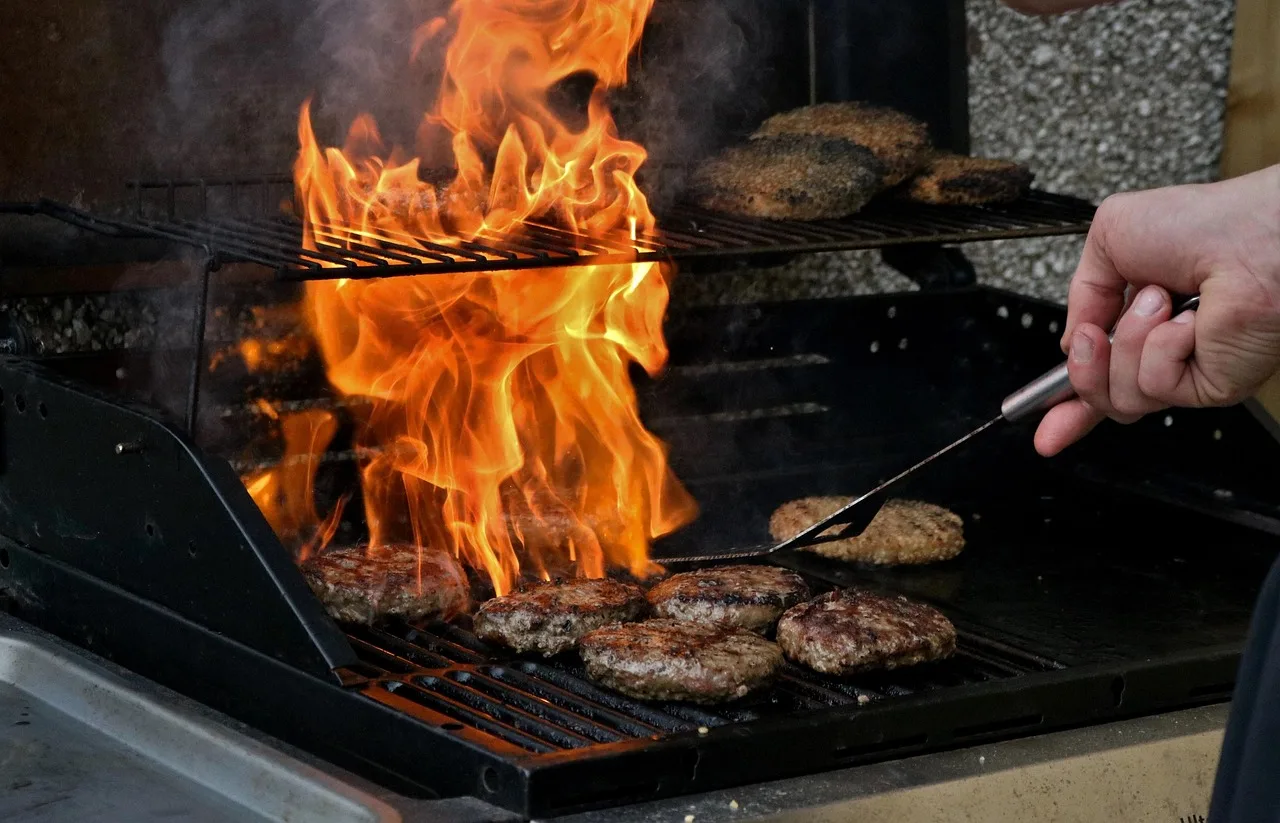
Mangalda Adana kebabı
Adana kebabı on the mangal
Mangalla ısıtılıyordu.
Calentando Banquillo.
Min Ah! Manganı gördüm!
Ah, Min Ah I saw your webtoon!
Sadece Manga'da yer alır.
She is in the manga only.
Anime ve mangaya bayılır.
He is a fan of anime and manga.
Manga Planet (İngilizce).
Retrieved November 16, 2017. ↑ "Land of the Lustrous 5". Penguin Random House.
Tom mangalda kül bırakmaz.
Tom talks big.
Diğer mangalar da gelecek.
Right, babe.
Mangan'ın Atom numarasıdır.
The atomic number of manganese.
İlgili Sorular
ABD'de en popüler manga hangisidir?
Tek bir manga alabileceğinizi varsaysak, hangi animeye dönüşmesini istersiniz ve o manga kaçıncı cilt olur?
Tek bir manga seçebilecek olsanız, hangi animeye dönüşmesini isterdiniz? Ayrıca o manga kaçıncı cilt olur?
Bana manga serileri hakkında önerilerde bulunabilir misiniz?
ABD pazarında en çok satan manga hangisi?