Sözlük
/mahalle
mahalle
noun
C1 seviye
TR → EN
"mahalle" kelimesinin İngilizcesi: neighbourhood, district, neighborhood, quarter. Anlamı, çevirisi, telaffuzu ve örnek cümleler aşağıdadır.
Çeviri
Genelneighbourhoodnoun
Geneldistrict
Genelneighborhood
Genelquarter
Görsel

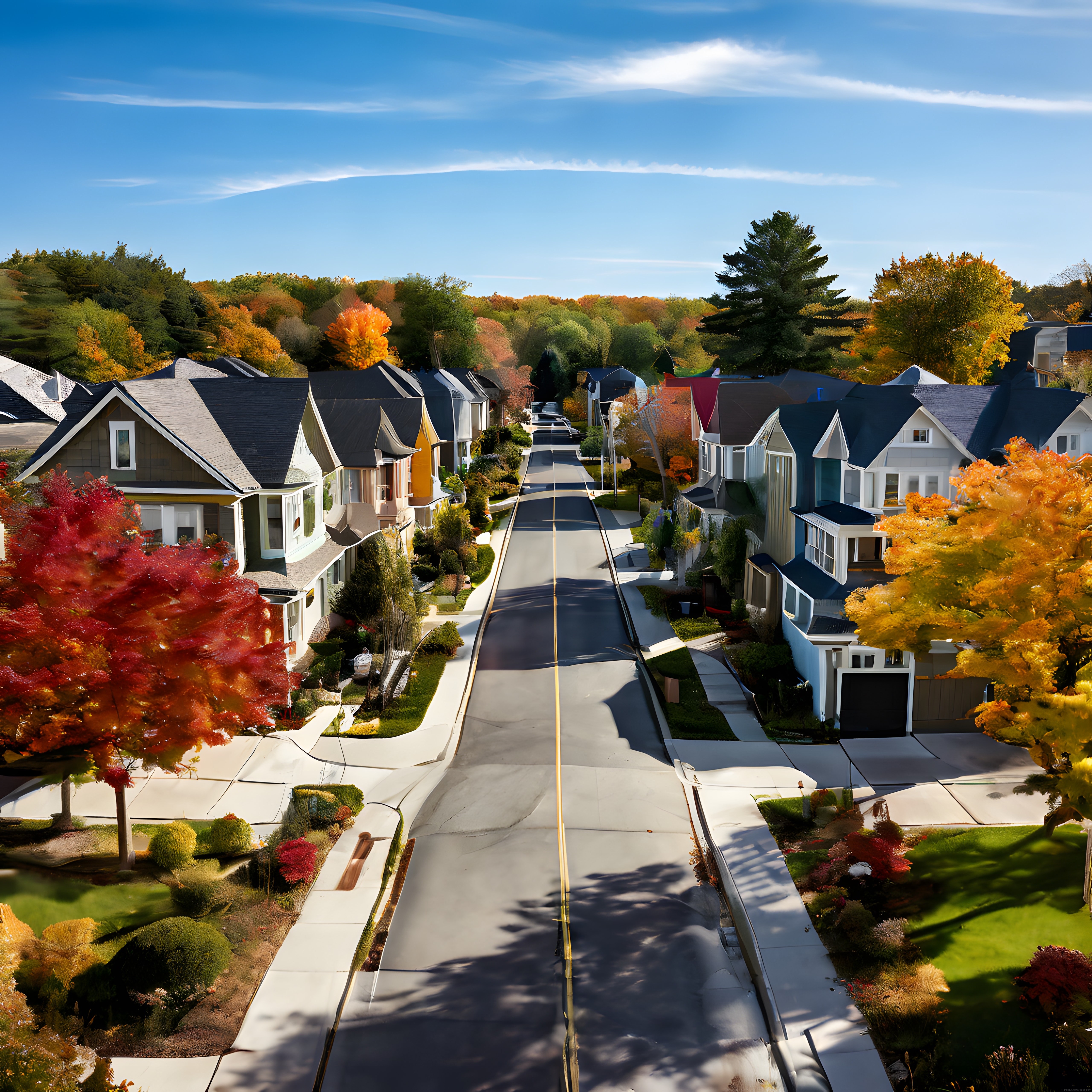

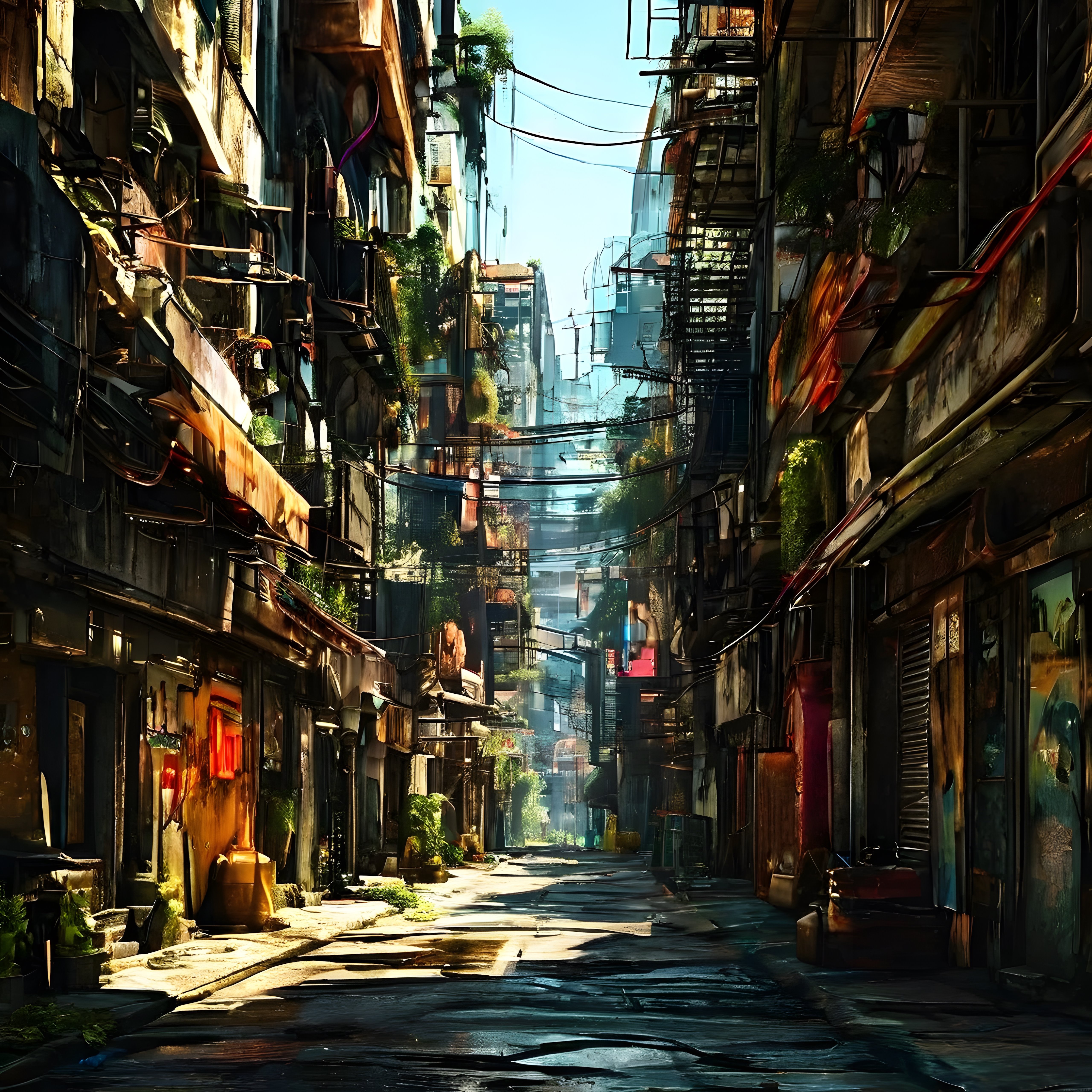
Çekim Tablosu
Belirtme (-i)mahalleyi
Yönelme (-e)mahalleye
Bulunma (-de)mahallede
Çıkma (-den)mahalleden
Tamlayan (-in)mahallenin
Çoğul (-ler)mahalleler
Tanım
•isim: Bir şehrin bir kasabanın, büyükçe bir köyün en az beş yüz nüfusa sahip parçalarından her biri
•Bu parçalarda oturan insanların tamamı
Atasözü & Deyim
“Bir kötünün yedi mahalleye zararı vardır (dokunur)”
“Otuz iki dişten çıkan, otuz iki mahalleye yayılır”
Diğer Dillerde
AlmancaBezirk, Distrikt, im Bereich von, Kiez, Kreis, Landkreis (eril) /bəˈt͡sɪʁk/
district, borough (formal administrative division)
çekim: çoğul Bezirke · tamlayan Bezirks
eş: Gebiet, Territorium, Distrikt, Sprengel, Politische Gemeinde
köken: From Middle High German bezirc, from be- + zirc, from Latin circus, itself from Ancient Greek κίρκος (kírkos, “circle, ring”).
Vimala gehört zu uns. — Abaza mahallesidir.
FransızcaQuartier, partie d'une ville
Forêt du Der. — Orman mahallesidir.
İspanyolcabarrio, cercanía, distrito, vecindad, vecindario (eril) /ˈbarjo/
neighbourhood · any neighbourhood of the original or ancient part of a city (usually excluding new growth after the 1930s, 40s or 50s, depending on the state or city) · slum
çekim: çoğul barrios
eş: arrabal, sector, urbanización, favela
köken: Borrowed from Andalusian Arabic بَرِّيّ (barriyy, “exterior”), referring to the outer, surrounding or less civilized or urbanized parts of a city, from classical Arabic بَرِّيّ (barriyy, “wild”). Compare Portuguese bairro, Catalan barri.
aile: barriada, barrio bajo, barrio residencial, de barrio
Contaran con 35 departamentos. — 35 mahallesi vardır.
un barrio de clase media
Desde la sala La Raza, en un barrio popular del norte de la capital, dieron el salto al formato multicines en 1973.
İtalyancadistretto, intorno, municipio, quartiere, vicinanza, vicinato (eril) /disˈtret.to/
district, precinct, area, zone · recruiting office
çekim: çoğul distretti
eş: area, circoscrizione, dipartimento, ripartizione, zona
köken: From Latin districtus.
aile: distrettuale
Offre 8 posti letto. — 8 mahallesi vardır.
Rusçaмикрорайон (eril) /ˌmʲikrərɐˈjɵn/
neighborhood; microdistrict, microraion (residential complex in a current or former communist country)
çekim: çoğul микрорайо́ны · tamlayan микрорайо́на
eş: мкр-н, мкрн
köken: From микро- (mikro-, “micro-”) + райо́н (rajón, “district”)
В соседнем пос. — Mahalleye ulaşım.
Arapçaجِوَار, حَيّ, قُرْب, مُدِيرِيَّة, مُقَاطَعَة, مِنْطَقَة
شفعة الجوار. — Kürt mahallesidir.
Farsçaمحله
neighbourhood · quarter
çekim: çoğul محلهها
eş: محل
köken: Borrowed from Arabic مَحَلَّة (maḥalla).
quarter, neighborhood
çekim: çoğul məhəllələr · tamlayan məhəllənin
köken: From Arabic مَحَلَّة (maḥalla).
Kazakçaаудан
region, district · county · area
çekim: çoğul аудандар · tamlayan ауданның
eş: аймақ, округ, өлке
Özbekçenohiya, okrug
okrug, region, district
çekim: çoğul okruglar · tamlayan okrugning
köken: Borrowed from Russian о́круг (ókrug).
Felemenkçewijk, stadswijk, buurt, kwartier
de gezamenlijke bewoners van [1]: wijkbewoners, buurtbewoners
Tegenwoordig woont hij in Buurse. — Şu an mahalledir.
Portekizcebairro, região, vizinhança, zona (eril) /ˈbaj.ʁu/
neighborhood, area (of a city)
çekim: çoğul bairros
köken: From Old Galician-Portuguese bairro, barrio, from Arabic بَرِيّ (bariyy, “savage”), referring to the outer, surrounding or less civilized or urbanized parts of a city. Compare Spanish barrio.
aile: abairrar, bairro de lata, barrio nobre, bairrismo
Fala vizinho. — Mahalleye ulaşım.
το να είναι κανείς γείτονας με κάποιον
Ένα Δάσος για 13. — 13 mahalleden oluşur.
neighborhood, environs, vicinity
eş: 近所, 近辺
彼女は今この近くにいますよ。 — Şu an mahalledir.
この付近には近づかないほうがいい。
area, zone, precinct · a ward; area; district · parish
köken: Sino-Korean word from 區域, from 區 (“area”) + 域 (“district”)
옛 도시에 사는 오니. — Eski bir mahalledir.
a residential area
çekim: çoğul bostadsområden · tamlayan bostadsområdes
köken: bostad (“residence”) + -s- + område (“area”)
Cirkus Cirkör. — Çerkez mahallesidir.
Lehçedystrykt, dzielnica, otoczenie, sąsiedztwo (eril) /ˈdɘs.trɘkt/
district
çekim: çoğul dystrykty · tamlayan dystryktu
köken: Etymology tree Proto-Indo-European *dwóh₁ Proto-Indo-European *d(w)is- Proto-Italic *dis- Latin dis- Proto-Indo-European *strengʰ-der. Proto-Indo-European *streyg-der. Latin stringō Latin distringō Latin districtuslbor. Polish dystrykt Learned borrowing from Latin districtus.
Pozostaje na orbicie okołoziemskiej. — Yörük mahallesidir.
Ukraynacaдільни́ця, окі́л, око́лиці, регіо́н, сусі́ди, сусі́дство
Поблизу ліс. — Orman mahallesidir.
district
çekim: çoğul जनपदों
köken: Borrowed from Sanskrit जनपद (janápada).
aile: महाजनपद
Fincealue, kaupunginosa, kulmakunta, kylä, läheisyys, lähistö /ˈɑlueˣ/
area, region (any considerable and connected part of a space or surface) · region, area (regional subdivisions) · oblast (regional administrative unit in Russia)
çekim: çoğul alueet · tamlayan alueen
köken: From Proto-Finnic *alovëh. Equivalent to ala (“area”) + -ue. First attested in 1829 in an edition of the newspaper Oulun Wiikko-Sanomia. According to SSA, the form alue may have been adopted in the standard language as a result of Karelian influence (Karelian aloveh), being native only in the 'easternmost' of dialects; the Tavastian dialectal word aloo is probably related, however.
aile: alueellinen, -alueinen, alueittain, aallonpituusalue, aaltoalue, aarnialue, aavikkoalue, aika-alue, aivokuorialue, alankoalue
Oppositio sai nyt 35 paikkaa. — 35 mahallesi vardır.
metsätalousalue
mikroaaltoalue
bassoalue
quarter (section of a town) · district
çekim: çoğul čtvrti · tamlayan čtvrti
Blízké okolí . . — Toplu mahalledir.
Rumencecartier, județ, raion, regiune, vecinătate (nötr)
quarter, district (part of town), neighbourhood
çekim: çoğul cartiere · tamlayan cartierului
köken: Borrowed from French quartier.
Acest cartier este sumbru. — Bu mahalle acımasız.
verbal noun of jár: (the act of) walking or going · gait, (some kind of) walking (the way a person or an animal walks) · walk (distance measured by the time required by walking)
çekim: çoğul járások
köken: From jár (“to walk, go”) + -ás (noun-forming suffix).
aile: betlehemjárás, busójárás, búcsújárás, észjárás, időjárás, járásbíróság, kísértetjárás, medvejárás, nyelvjárás, szavajárás
14 államban van jelen. — 14 mahallesi vardır.
Járás közben jól tudok gondolkodni.
iskolába járás
alvajárás
İbraniceמָחוֹז, שְׁכוּנָה
ומוקפים במעגל. — Çerkez mahallesidür.
Latincepāgus, proximum, vīcīnia, vicinitas
inflection of proximus (“nearest, next”): · nominative/accusative/vocative neuter singular
çekim: tamlayan proximī
Dancabydel, cirka, i omegnen af, kvarter, nabolag, naboskab
A quarter; a part of a town or city; (Australia, New Zealand) a suburb
çekim: çoğul bydele · tamlayan bydels
köken: by (“city”) + del (“part”)
Moralsk opløsning c. — İnönü Mahallesi c.
Norveççeboområder, naboer, naboskap, strøk
De kunne ha intill 8 sengeplasser. — 8 mahallesi vardır.
Endonezcedistrik, ketetanggaan, lingkungan, lingkungan tetangga, persekitaran, pertetanggaan /ˈdistrik/
district: an administrative division of an area
çekim: çoğul distrik-distrik
köken: From Dutch district, from Middle Dutch district, from Middle French district, from Medieval Latin districtus (“a district within which the lord may distrain, also jurisdiction”), from Latin districtus, past participle of distringō, distringere (“draw asunder, compel, distrain”), from dis- (“apart”) + stringō, stringere (“draw tight, strain”).
aile: kedistrikan
Daerah di sekitar Gn. — Köy kürt mahallesidir.
Etimoloji
From Ottoman Turkish محله (“station; parish, ward”), from Arabic مَحَلَّة (maḥalla).
Deyimler
Kelime Ailesi
kenar mahalle
mahalle arası
mahalle arkadaşı
mahalle çapkını
mahalle karısı
mahalle mektebi
teneke mahallesi
yedi mahalle
aşağı mahalle
mahalle baskısı
mahalle bekçisi
mahalle imamı
mahalle kahvesi
mahalle kavgası
mahalle muhtarı
mahallenin delisi
yukarı mahalle
Örnek Cümleler
Ermeni Mahallesi
Armenian Quarter
Mahalleden misin?
Are you from the neighbourhood?
Mahalle sessizdi.
The neighborhood was silent.
Şu an mahalledir.
He's back in the neighbourhood now.
Mahalleye ulaşım.
镇江交通运输.
Elçilik Mahallesi
Legation Quarter
Mahallede yeniyim.
I'm new to the neighborhood.
İnönü Mahallesi c.
Unknown man c.
Mahallem harikadır.
My neighborhood is wonderful.
Bu mahalle acımasız.
This neighborhood is violent.
Bu kötü bir mahalle.
It's a bad neighborhood.
Bu kaba bir mahalle.
This is a rough neighborhood.
İlgili Sorular
İnsanların duyduğunda saygı duyacağı bir mahalle ismi nasıl olur?
Atlanta, GA'da bekarların rahatça yaşayabileceği en uygun mahalle nedir?
Çocuk için saygınlık taşıyan bir mahalle ismi önerisi alabilir miyim?
Mahalle sakinleri olarak Stanley Ave üzerindeki park çizgilerini boyamak için nasıl bir yol izleyebiliriz?
Mahalle karakterini korumak, zengin kesimin toplumun çeşitliliğine tek tip kültür normları getirmesiyle aynı şey midir?
Birleşik Kelimeler
mahalle arasımahalle arkadaşımahalle baskısımahalle bekçisimahalle çapkınımahalle imamımahalle kahvesimahalle karısımahalle kavgasımahalle mektebimahalle muhtarımahallenin delisiaşağı mahallekenar mahalleyedi mahalleyukarı mahalleteneke mahallesi