Sözlük
/kanca
kanca
noun
C1 seviye
TR → EN
"kanca" kelimesinin İngilizcesi: hook, barb, crampon, gudgeon, hook. Anlamı, çevirisi, telaffuzu ve örnek cümleler aşağıdadır.
Çeviri
Genelhooknoun
Genelbarb
Genelcrampon
Genelgudgeon
Genelhook
Genelpeg
Genelhook
Genelhook
Görsel
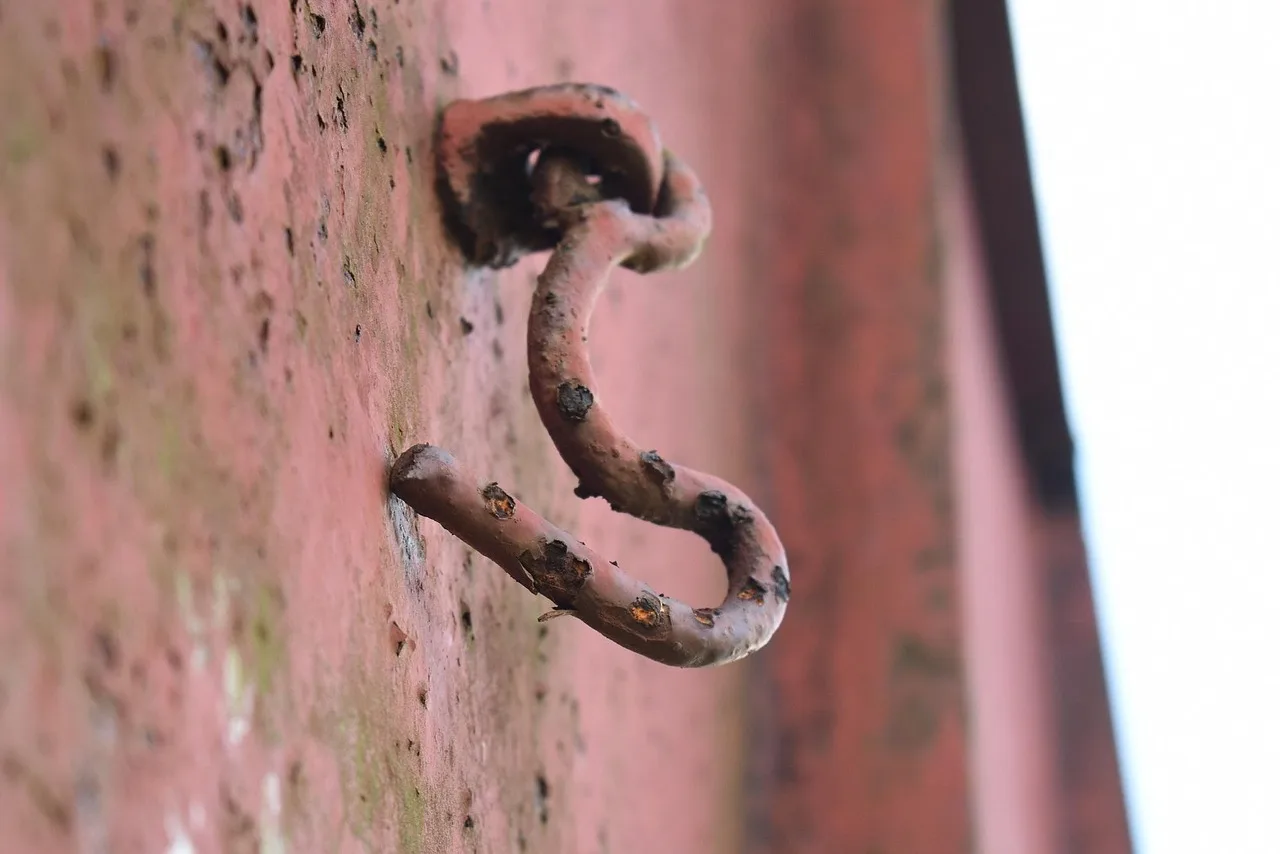
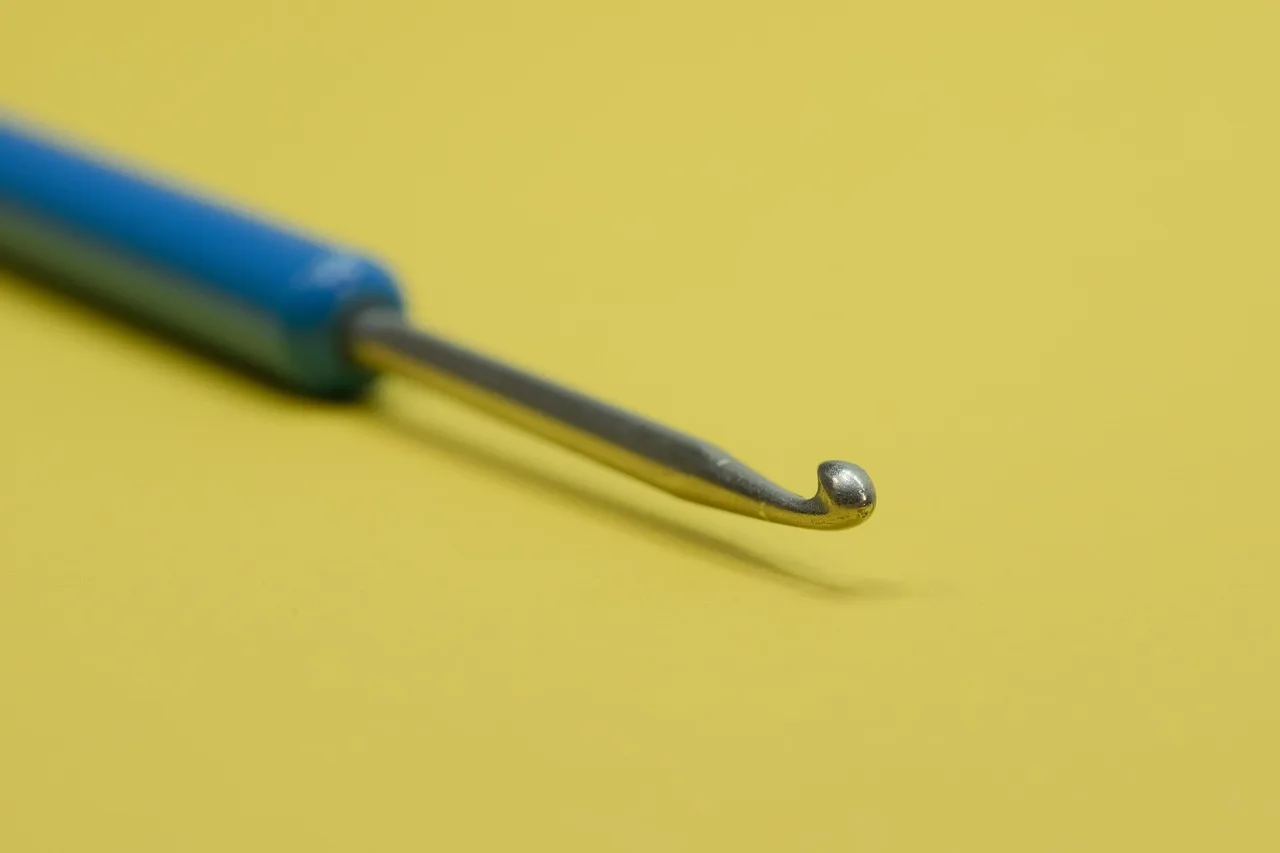
Çekim Tablosu
Belirtme (-i)kancayı
Yönelme (-e)kancaya
Bulunma (-de)kancada
Çıkma (-den)kancadan
Tamlayan (-in)kancanın
Çoğul (-ler)kancalar
Tanım
•isim: Bir şey çekmeye yarar, ucu çengelli demir çubuk
Atasözü & Deyim
“Anca beraber, kanca beraber”
Diğer Dillerde
Almancaanklammern, Aufmacher, Bindung, einhaken, Grad, haken /ˈanˌklamɐn/
to attach something (with a peg, clip, etc.) · to cling, to clinch · to cling to someone (To have an intense emotional dependency on (someone))
çekim: geçmiş klammerte an · ortaç angeklammert · şimdiki klammert an · ulaç anklammernd
eş: festklammern
köken: an- + klammern.
WINS-Eintrittspunkt: — WINS & kancası:
Fransızcaaccrocher, agrafe, bras roulé, cataloguer comme, cheville, cheviller /a.kʁɔ.ʃe/
to hook, hook up (attach with a hook) · to pick up, become attached to · to pick up, to come to learn (e.g. a skill)
çekim: geçmiş accroché · ortaç accroché · şimdiki accroche · ulaç accrochant
köken: From a- + croc + -er. Compare Franco-Provençal acrochiér, Italian accroccare.
aile: accro, accroc, accrochage, accrochant, accroché, accroche-cœur, accroche-plat, accrochement, accrocheur, avoir le cœur bien accroché
Programme externe & #160;: — WINS & kancası:
Accrocher quelque chose au mur.
Accrocher de la poussière.
Accrocher
plural of broch · plural of broche
WINS hook: — WINS & kancası:
İtalyancaadescare, agganciare, agganciarsi, attaccapanni, attirare, bischero /a.desˈka.re/
to bait (fish, birds) · to lure, to entice · to hook, to solicit (a john) (in reference to prostitution)
çekim: geçmiş adescàto · ortaç adescàto · şimdiki adésca · ulaç adescànte
eş: prendere, allettare, ammaliare, attirare, attrarre, avvincere
köken: From Latin adēscāre (“to feed, fatten”), from ad + ēsca (“food”).
Aggancio WINS: — WINS & kancası:
Rusçaкрюк /krʲuk/
hook · detour
çekim: çoğul крюки́ · tamlayan крюка́
eş: крючок
köken: According to Pokorny, from Proto-Indo-European *gers- (“to twist, bend, turn”), see also Old Saxon kerian, Old Norse keyra (“to whip”), also Ancient Greek γέρδιος (gérdios, “weaver”). According to Vasmer, the word is borrowed from Old Norse krókr, itself probably from the same Indo-European root.
aile: закорю́чка, скрю́ченный, скрю́чась, скрю́чившись, скрю́чить, скрю́чивать, крю́чить, крючкова́тый, крючкотво́р, крючкотво́рец
& Перехват WINS: — WINS & kancası:
ру́ки-крю́ки (у кого́-либо)
Arapçaخَطَّاف, لَكْمَة خُطَّافِيَّة, وَتَد
خدمة ويندوز لأسماء الإنترنت (WINS) موضع إضافة في الروتين: — WINS & kancası:
Farsçaآکج, آویزان کردن, به قلاب انداختن, به قلاب وصل کردن, جا لباسی, چنگک /ʔaː.ˈkid͡ʒ/
hook
köken: Ultimately from Proto-Indo-European *ang- (“curve, bend”). Cognate with Sogdian [script needed] (ʾʾkʾyšʾk /ākēšāk/, “hook, pulling instrument”), Sanskrit अङ्कुश (aṅkuśa, “hook”). Compare Armenian ակիշ (akiš), an Iranian borrowing.
fork · hook
çekim: çoğul çəngəllər · tamlayan çəngəlin
köken: Borrowed from Persian چنگال (čangâl).
Özbekçeilgak, ilmoq
Felemenkçehaak, stevenhaak, verslaven (eril) /ɦaːk/
hook · bracket (for enclosing text or mathematical symbols)
çekim: çoğul haken
köken: From Middle Dutch hāke, from Old Dutch *hako, from Proto-West Germanic *hakō, from Proto-Germanic *hakô.
aile: garderobehaak, haakbus, haakneus, haaksnavel, haaktand, haken, hakenkruis, inhaken, onthaken, puthaak
WINS hook: — WINS & kancası:
Portekizcecavilha, cavilhar, cravelha, fisgar, pregador, prendedor (dişil) /kaˈvi.ʎɐ/
dowel, peg
çekim: çoğul cavilhas
köken: Borrowed from Italian caviglia or Old Occitan cavilla, from Vulgar Latin *cāvicla, from syncopation of *cāvicula, from Classical Latin clāvicula, diminutive of clāvis (“key”). Doublet of chavelha, cravelha, and clavícula.
Atendedor do WINS: — WINS & kancası:
Yunancaάγκιστρο, αγκιστρώνω, γάντζος (nötr) /ˈaŋ.ɟi.stɾo/
hook · surgical instrument · "{ }" braces, curly brackets
çekim: çoğul άγκιστρα · tamlayan αγκίστρου
eş: γάντζος
köken: From Ancient Greek ἄγκιστρον (ánkistron).
WINS σύνδεση: — WINS & kancası:
hook
köken: First attested in the Bullyu dugongbu si eonhae (分類杜工部詩諺解 / 분류두공부시언해), 1481, as Middle Korean 갈고ᇰ이〮 (Yale: kàlkwònɡí).
쇠사슬에 달린 철구를 주무기로 사용한다. — Zincire bağlanmış kanca kullanır.
a bend
çekim: çoğul böjar · tamlayan böjs
köken: From Old Norse beygja.
aile: knäböj
WINS- inkoppling: — WINS & kancası:
Lehçehak, klamerka, kołek, kotwiczka, sierpowy, spinacz (eril) /ˈxak/
hook (rod bent into a curved shape, typically with one end free and the other end secured to a rope or other attachment) · hook (type of punch delivered with the arm rigid and partially bent and the fist travelling nearly horizontally mesially along an arc) · upper fang of a bull deer
çekim: çoğul haki · tamlayan haka
eş: zaczep, półokrąg, kompromat
köken: Borrowed from Middle High German hāke, hāken, from Old High German hako.
aile: hakowaty, hakownica, mieć haka, z hakiem
& Podłączenie do WINS: — WINS & kancası:
Ukraynacaга́чок, з'єдна́ти, злови́ти, па́стка, поєдна́ти, прищі́пка
З' єднання з WINS: — WINS & kancası:
hook, goad (especially used to drive an elephant) · control, restraint
çekim: çoğul अंकुशों
köken: Borrowed from Sanskrit अङ्कुश (aṅkuśa).
लोहे के दाम पर सरकार अंकुश लगाएगी।
अंकुश रखना
Finceansa, hukki, huorata, jäädä koukkuun, jätkä, kaaripallo /ˈɑnsɑ/
trap · booby trap
çekim: çoğul ansat · tamlayan ansan
köken: From Proto-Finnic *ansa (compare Estonian aas), borrowed from Proto-Balto-Slavic *ansā (compare Old Prussian ansis (“hook, latch”), Latvian osa), from Proto-Indo-European *h₂emseh₂ (compare Latin ānsa (“handle”)).
aile: ansastaa, Ansio, ansio, ansoittaa, ansajuoni, ansakuoppa, ansalanka, Ansamaa, ansapolku, ansaraitti
Constellation name (optional) — KANCAConstellation name (optional)
diminutive of hák; little hook · fishhook · háček (diacritic)
çekim: çoğul háčky · tamlayan háčku
köken: From hák + -ek. The diminutive form of hák (“hook”); compare the German Häkchen. More information is in the 'Etymology' subsection of 'English' section.
HÁKConstellation name (optional) — KANCAConstellation name (optional)
Mně se ta holka nijak zvlášť nelíbila, ale když jsem ji měl na háčku (pro nevodáky vpředu v kanoi), tak byla dobrá.
to suspend, to hang · to hook · to pick up, to seduce (romantically)
çekim: geçmiş agățat · ortaç agățat · şimdiki agață
köken: From a- + Vulgar Latin *accaptiāre, from a- + *captiāre, from Latin captus. Compare Aromanian acats.
aile: agățare, agățătoare, agațament
Constellation name (optional) — KANCAConstellation name (optional)
hook (rod bent into a curved shape, especially for fishing) · ogonek, cedilla (˛ ¸) · hook
çekim: çoğul horgok
köken: From Proto-Finno-Ugric *korɜ- (“to scrape off, scratch, rub”) + -g (noun-forming suffix).
aile: horgas, horgász, horgászat, horgocska, horgol, horgony, horogkereszt, horogütés
WINS- horog: — WINS & kancası:
İbraniceוָו
אנו משתמשים בחכות גדולות שיש עליהן מיליון או 2 מיליון קרסים. — Bir ya da iki milyon kancası olan misinalar kullanıyoruz.
Latinceadhāmō, hāmus, uncus /ˈʊŋ.kʊs/
hook, barb · a hook used to drag criminals by the neck · a surgical instrument
çekim: çoğul uncī · tamlayan uncī
köken: From Proto-Italic *onkos, from Proto-Indo-European *h₂ónkos (“hook”). Cognates include Ancient Greek ὄγκος (ónkos) and Sanskrit अङ्क (aṅká).
aile: uncātiō, uncātus, uncifer
uncus quadrātus
uncus rotundus
to hang (transitive) · to hang (intransitive)
çekim: geçmiş hang · ortaç hængt · ulaç hængende
köken: A merger of two related verbs: 1. Old Norse hengja (“to hang (transitive)”), from Proto-Germanic *hangijaną, cognate with German hängen; and 2. Old Norse hanga (“to hang (intransitive)”), from Proto-Germanic *hanhaną, cognate with English hang and German hangen. In the past tense, Danish still distinguishes transitive hængte from intransitive hang (though they are often mixed up).
aile: afhænge, behænge, efterhængt, frithængende, have noget hængende over hovedet, hænge i, hænge i bremsen, hænge i en klokkestreng, hænge i en tynd tråd, hænge i gardinerne
WINS- indkobling: — WINS & kancası:
Norveççehekte, huke, kroke, skru
«Skal dere sparke Halvorsen, Riste?». — "Beşiktaş Rothen'e kancayı attı".
Endonezcekait /ˈkait/
hook (a rod bent into a curved shape) · hook (a snare; a trap) · hook (the part of a system's operation that can be intercepted to change or augment its behaviour)
çekim: çoğul kait-kait
köken: Inherited from Malay kait.
aile: berkait, berkait-kaitan, berkaitan, berpengait, kaitan, keterkaitan, mengait, mengaitkan, pengait, sekait
Dan dia mencuri umpan manis cinta dari kait ketakutan: — Ve o aşk korku kanca tatlı yem çalmak:
Etimoloji
(Bu girdinin köken kısmı şimdilik eksiktir. Lütfen eklenmesine yardımcı olun ve sonrasında {{kökenisteniyor}} şablonunu kaldırın.)
Deyimler
Örnek Cümleler
WINS & kancası:
WINS hook:
Şapkamı kancaya astım.
I hung my hat on the peg.
Ceketi askı kancasına koy.
Put the coat on the hanger.
Tom ceketini kancaya astı.
Tom hung his coat on a hook.
Beni yine kanca çalışıyor?
He's trying to hook me up again?
Tom anahtarlarını kancaya astı.
Tom hung up his keys on the hook.
KANCAConstellation name (optional)
HOOK
-Tanırm! Kapıda kanlı bir kanca var.
Oh, my god! there is a bloody hook on the door
Tom kancayı balığın ağzından çıkardı.
Tom took the hook out of the fish's mouth.
Ve o aşk korku kanca tatlı yem çalmak:
And she steal love's sweet bait from fearful hooks:
Kanca yardımıyla bir uçurumdan geçebiliyor.
He can walk with the assistance of a walker.
Tom balığın kancasını çıkardı ve onu suya geri bıraktı.
Tom unhooked the fish and released it back into the water.
İlgili Sorular
Sizce hangi tip sütyen daha rahat: ön kanca mı yoksa arka kanca mı?
Erkekler: Ön kancalı bir sütyeni mi yoksa arka kancalı bir sütyeni mi çıkarmak daha iyi?
Ön kancalı sütyen mi, yoksa arka kancalı sütyen mi tercih edilmeli?
Arkadaşımla güreşirken cam bir kitap rafına çarptım, yüzük parmağım bakır kancaya takıldı ve ciddi bir parçayı yırtıldı; iki katı büyüklükte bir yırtık var. Kırılmış gibi görünüyor ama hastaneye gitmek istemiyorum, nasıl kendim bakım yapabilirim?
Erkek bakış açısından, ön kancalı mı yoksa arka kancalı sütyen mi çıkarmak daha iyi?
İlgili / Bileşik Terimler
Genelaquiline nose
Birleşik Kelimeler
kancabaşkanca burunlu