Sözlük
/kürek
kürek
/cy.ɾec/
noun
B2 seviye
TR → EN
"kürek" kelimesinin İngilizcesi: oar, paddle, oar, rowing, scoop. Anlamı, çevirisi, telaffuzu ve örnek cümleler aşağıdadır.
Çeviri
Geneloarnoun
Genelpaddlenoun
Geneloar
Genelrowing
Genelscoop
Genelshovel
Genelspade
Geneloar
Geneloar
Genelrowing
Genelscoop
Genelshovel
Genelspade
Görsel
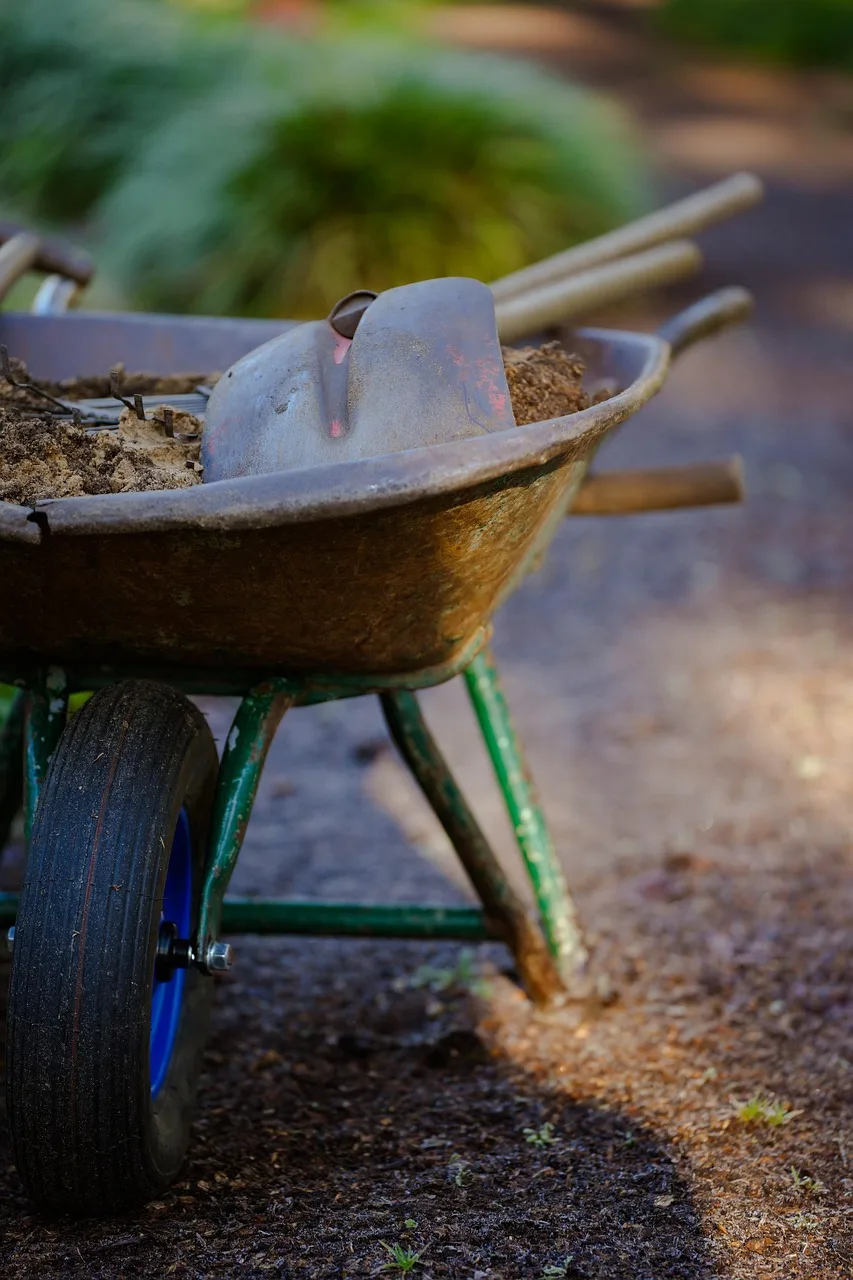
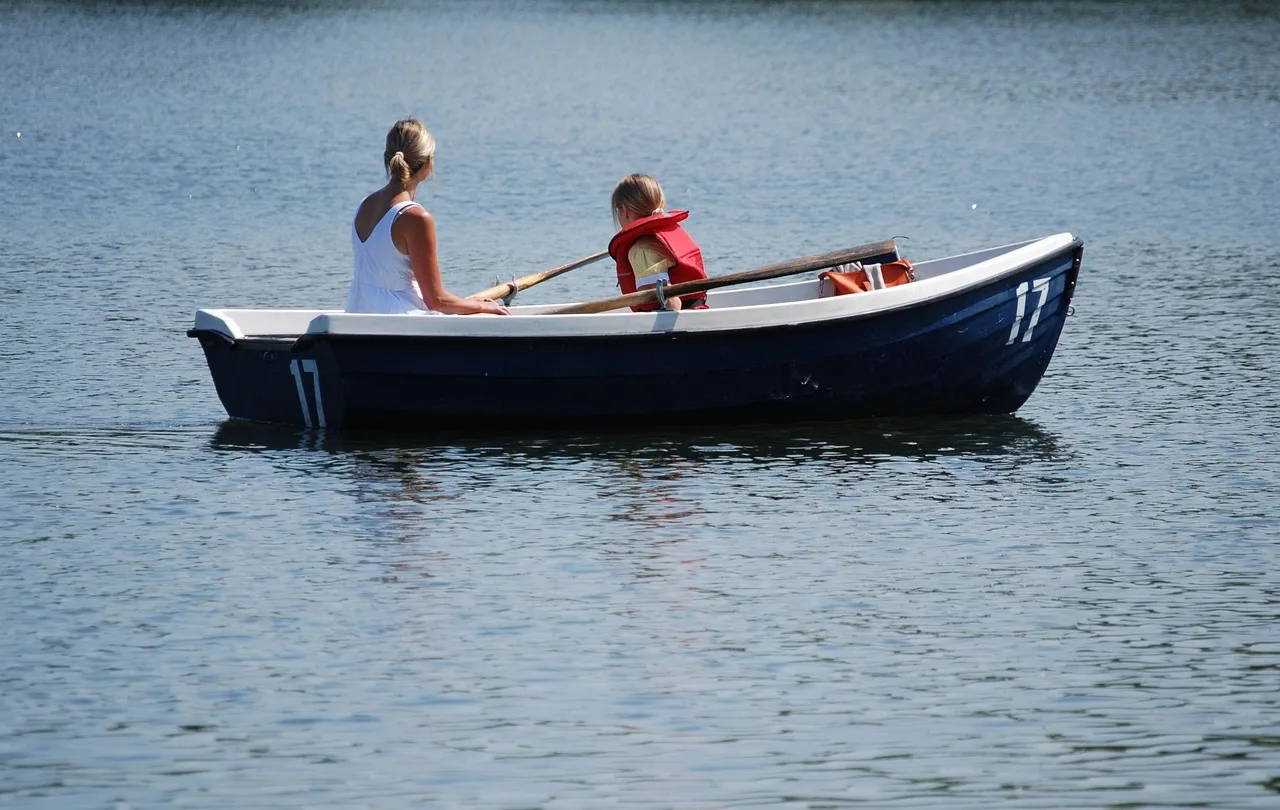
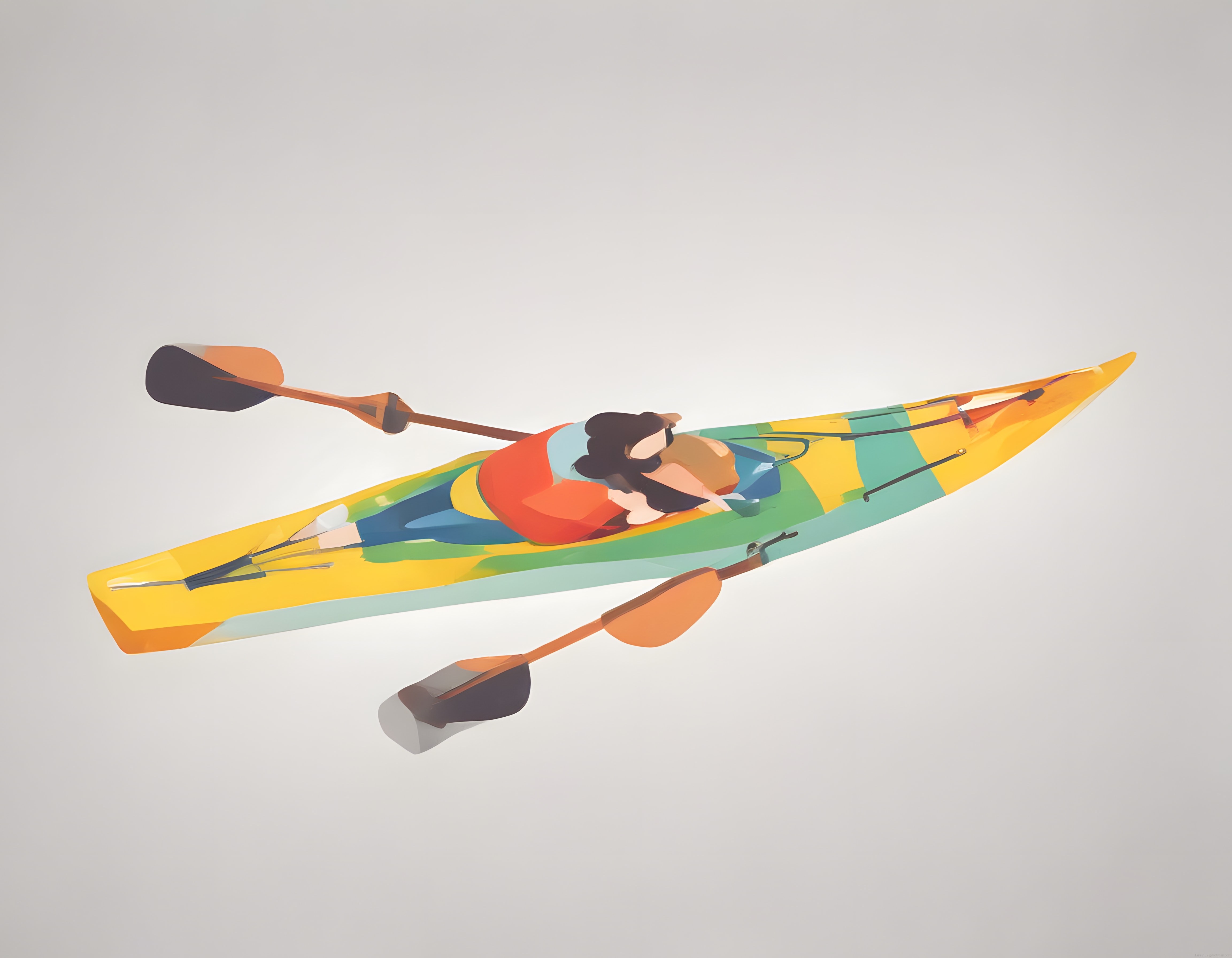

Çekim Tablosu
Belirtme (-i)küreği
Yönelme (-e)küreğe
Bulunma (-de)kürekte
Çıkma (-den)kürekten
Tamlayan (-in)küreğin
Çoğul (-ler)kürekler
Tanım
•küçük deniz teknelerini yürütmeye yarayan, bir ucu yassı, uzun ağaç alet
•toprak, kömür gibi şeyleri bir yerden bir yere alıp atmaya, taşımaya yarayan ve yayvan bir bölümü, buna bağlı uzun bir sapı bulunan araç, pala
•Küçük deniz teknelerini yürütmeye yarayan, bir ucu yassı, uzun ağaç
•Gemilerde kürek çekme yoluyla uygulanan ceza
•Toprak, kömür ve benzerini bir yerden bir yere alıp atmaya, taşımaya yarayan ve yayvan bir bölümü, buna bağlı uzun bir sapı bulunan araç
Atasözü & Deyim
“Mart kapıdan baktırır, kazma kürek yaktırır”
Diğer Dillerde
Almancaspaten (eril) /ˈʃpaːt(ə)n/
spade · idiot, dumbass
çekim: tamlayan Spatens
eş: Vollpfosten
köken: The word was originally restricted to Low and Central German: from Middle High German spade, spate and Middle Low German spade, both from Old Saxon spado (possibly also Old High German *spato), from Proto-Germanic *spadô. Due to its northern origin the form has undergone open-syllable lengthening before -t- (which was generally blocked in Upper German). Cognate to English spade; see there for…
Gefahren. — Kürek çekiyor. Güneş?
FransızcaPelle (dişil) /pɛl/
shovel, spade · dustpan · fluke (anchor blade)
çekim: çoğul pelles
eş: pelletée, galoche, patin, soupe de langue, chute, gamelle
köken: Inherited from Middle French pelle, from Old French pele, from Latin pāla (“shovel, spade”). Doublet of pale, which is of either dialectal or Occitan origin.
Il rame... — Kürek çekiyor.
Les feuilles mortes se ramassent à la pelle / Les souvenirs et les regrets aussi
İspanyolcacacillo, cazo, chiva, cucharada, cucharazo, cucharón (eril) /kaˈθiʝo/
diminutive of cazo; small pan
çekim: çoğul cacillos
eş: cacito
köken: From cazo + -illo.
Rema, remó. — Kürek çekiyor.
İtalyancaanteprima, anticipazione, badile, colpo giornalistico, cucchiaiata, cucchiaione (dişil) /an.teˈpri.ma/
trailer, preview, teaser · antecedent · preview
çekim: çoğul anteprime
köken: From ante- + prima.
Fila, messi in fila (Rowed) — Kürek çekiyor.
Rusçaвесло (nötr) /vʲɪsˈɫo/
oar, paddle, scull · spoon · rifle, especially a sniper rifle (which looks like an oar)
çekim: çoğul вёсла · tamlayan весла́
eş: винтовка
köken: Inherited from Old East Slavic весло (veslo), from Proto-Slavic *veslo (“oar”).
aile: двувесёлка, веслоно́гий, суши́ть вёсла
Он гребёт. — Kürek çekiyor.
Arapçaمِجْرَاف, مِجْرَفَة, مِغْرَفَة
عوامات اليدين، جربت كل شيء. — El kürekleri, her şey.
Farsçaبیل, خبر داغ, خبر دست اول /ˈbeːl/
shovel, spade · 12 hours
çekim: çoğul بیلها
köken: Inherited from Middle Persian [Book Pahlavi needed] (byl /bēl/), from Proto-Iranian *bádHr̥, from Proto-Indo-Iranian *bʰádʰHr̥, from Proto-Indo-European *bʰódʰh₂-r̥. Compare Latin fodiō (“to dig”), Serbo-Croatian bȏd (“sting”).
aile: بیل زدن, بیلچه
back of the body · small of the back · waist
çekim: çoğul bellər
köken: From Proto-Turkic *bẹ̄l.
aile: bel bağlamaq
Belim ağrıyır.
uşaqlığı at belində keçən adam
spade, shovel
çekim: çoğul күректер · tamlayan күректің
köken: From *kürek (“shovel, spade”), from Proto-Turkic *küre- (“to shovel, rake up”). Cognate with Bashkir көрәк (körək), Kyrgyz күрөк (kürök, “shovel, spade”), etc.
aile: күректеу, күрекші
Özbekçekurak
Tatarcaкөрәк
Felemenkçebol, nieuwtje, noviteit, primeur, schep, scheppen (eril) /bɔl/
a sphere; a ball, globe or bulb · a head; one's brains · a scoop (of ice etc.)
çekim: çoğul bollen
eş: bal, kloot, kogel, sfeer
köken: From Middle Dutch bol, bolle, from Old Dutch *bolla, from Proto-West Germanic *bollā, from Proto-Germanic *bullǭ (“round object or vessel, ball, bowl”).
aile: appelbol, beschuitbol, bloembol, boldriehoek, bolgewas, bolhoed, bolkaf, bolleboos, bollebuis, bolleke
('rowed' [rode]) — Kürek çekiyor.
Portekizceconcha, conchada, furo jornalístico, pá, padejar (dişil) /ˈkõ.ʃɐ/
seashell · the shell of any mollusk · scoop; ladle (specialised spoon for serving)
çekim: çoğul conchas
köken: From Vulgar Latin *concla, from Latin conchula, diminutive of concha, from Ancient Greek κόγχη (kónkhē), from Proto-Indo-European *kongʰo-
aile: conchinha
Mãos, remos, tudo. — El kürekleri, her şey.
Yunancaφτυάρι, φτυαρίζω (nötr)
garden spade, shovel · peel (used by bakers)
çekim: çoğul φτυάρια · tamlayan φτυαριού
köken: From Ancient Greek πτυάριον (ptuárion).
Εδώ είναι μια ομάδα ανθρώπων σε μια ομάδα κωπηλασίας κολεγίου. — Bir üniversite kürek takımı.
a shovel
eş: ショベル, スコップ
köken: Borrowed from English shovel.
オリンピック選手に教わってもダメでした — El kürekleri, her şey.
Korece스쿠프
핸드패들(손에 차서 수영연습을 도와주는 기구)과 다른 모든 것들도 마찬가지였습니다. — El kürekleri, her şey.
a scoop, a bucket · an excavator; contraction of grävskopa
çekim: çoğul skopor · tamlayan skopas
köken: From Old Swedish skōpa, borrowing from Middle Low German schōpe, from Proto-Germanic *skōpō.
Det här är helt hopplöst. — Belli ki, tamamen bo,suna kürek çekmi,siz.
ladle, dipper, scoop (deep-bowled spoonlike utensil with a long, usually curved, handle) · wooden poles for guiding and supporting nets under the ice
çekim: çoğul chochle · tamlayan chochli
eş: warząchew, reg. śl. kielnia
aile: chochlarz, chochlować
Próbowałem łopatek do pływania itp. — El kürekleri, her şey.
Ukraynacaківш /kʲiu̯ʃ/
scoop, dipper, ladle · bucket (of an excavator)
çekim: çoğul ковші́ · tamlayan ковша́
köken: Inherited from Old East Slavic ковшь (kovšĭ), borrowed from Lithuanian káušas (“ladle, dipper, big spoon”), derived from Lithuanian káuti (“hew, chop out”), from Proto-Balto-Slavic *káuˀtei, from Proto-Indo-European *kowh₂-, from the root *kewh₂-.
Щавель також вживають як послаблюючий засіб. — Kürekler ayrıca bir dezavantaj olarak görünüyordu.
an instrument for digging, spade, shovel
çekim: çoğul खनित्रों
köken: Borrowed from Sanskrit खनित्र (khanitra).
Finceäyskäröinti, heilautus, ilma-aukko, kaapia, kauha, kauhallinen /ˈæy̯skærøi̯nti/
bailing
çekim: çoğul äyskäröinnit · tamlayan äyskäröinnin
köken: äyskäröidä + -nti
20. helmikuuta 1994) on italialainen soutaja. — 20 Şubat 1994), İtalyan kürekçi.
Çekçelopata, pádlo, veslo (dişil) /ˈlopata/
shovel
çekim: çoğul lopaty · tamlayan lopaty
köken: Inherited from Old Czech lopata, from Proto-Slavic *lopata.
aile: lopatka, po lopatě
Zde máme skupinu chlapů v univerzitním mužstvu. — Bir üniversite kürek takımı.
goblet (usually of wood), bowl, dish · tumbler (drinking glass) · trophy in the form of a cup
çekim: çoğul cupe · tamlayan cupe
köken: Inherited from Late Latin cuppa, from Latin cūpa for the first few senses, with some senses later borrowed from Hungarian kupa and French coupe.
Începător. — Kürek çekiyor.
shovel (hand tool with a handle, used for moving portions of material such as earth, snow, and grain from one place to another, with some forms also used for digging)
çekim: çoğul ásólapátok
köken: From ásó (“digging”) + lapát (“shovel”).
aile: ásólapátnyi, ásólapátos
Kézi uszony, minden. — El kürekleri, her şey.
İbraniceאֵת
משוטי ידיים, הכל. — El kürekleri, her şey.
a shovel
çekim: çoğul rutra · tamlayan rutrī
köken: Etymology tree Latin ru(ō) Proto-Indo-European *-trom Proto-Italic *-trom Latin -trum Latin rutrum From ru(ō) (“to dig”) + -trum.
aile: rutellum
Dancascoop, skovl /ˈsɡ̊ɒwˀl/
shovel
çekim: çoğul skovle
köken: From Old Danish skul, from Proto-Germanic *skuflō, *skūblō, cognate with Swedish skovel, English shovel, German Schaufel. The Danish word is probably partially a loan from Middle Low German schuffele.
Hent en skovl. — Bir kürek getir!
Norveççemåke, skuffe
Et annet fiendtlig angrep kom i 1854, under Krimkrigen. — Kurekdere Muharebesi, 1854 yılında Kırım Savaşı esnasında gerçekleşmiştir.
Etimoloji
From Ottoman Turkish كورك (kürek). By surface analysis, küre- + -ek, ultimately from Proto-Turkic *küre- (“to rake”). Cognate with Azerbaijani kürək.
Deyimler
kürek sporu
kürek takımı
tahta kürek
tek kürek
akıntıya kürek çekmek
kayık küreği
küreğin kullanımı
Eş & Zıt Anlamlılar
Örnek Cümleler
Kürek çekme
Rowing
Kürek nerede?
Where's the oar?
Kürek çekiyor.
Row, rowed.
Kürek kariyeri
Rowing career
Bir kürek getir!
Bring a shovel.
Boşa kürek çekme.
Don't spit into the wind.
Seni kürek dilli !
You're quite a sharp talker!
O kürek otuz dolar.
That shovel costs thirty dollars.
Sırayla kürek çekelim.
Let's take turns rowing.
Boşa kürek çekiyorsun.
You're flogging a dead horse.
Kürek çekmeye gidelim.
Let's go rowing.
Kürek çekmeyi severim.
I like rowing.
İlgili Sorular
İlgili / Bileşik Terimler
Genelscapula
Genelshoulder blade