gece
/ɟe̞ˈd͡ʒɛ/
adj
A1 seviye
TR → EN
"gece" kelimesinin İngilizcesi: night, nocturnal, night, evening, nighttime. Anlamı, çevirisi, telaffuzu ve örnek cümleler aşağıdadır.
Çeviri
Genelnightnoun
Genelnocturnaladj
Genelnight
Genelevening
Genelnighttime
Genelnighttime
Genelnight
Genelnight
Genelnighttime
Genelnight
Genelnight
Genelnighttime
Genelat nightadv
Görsel
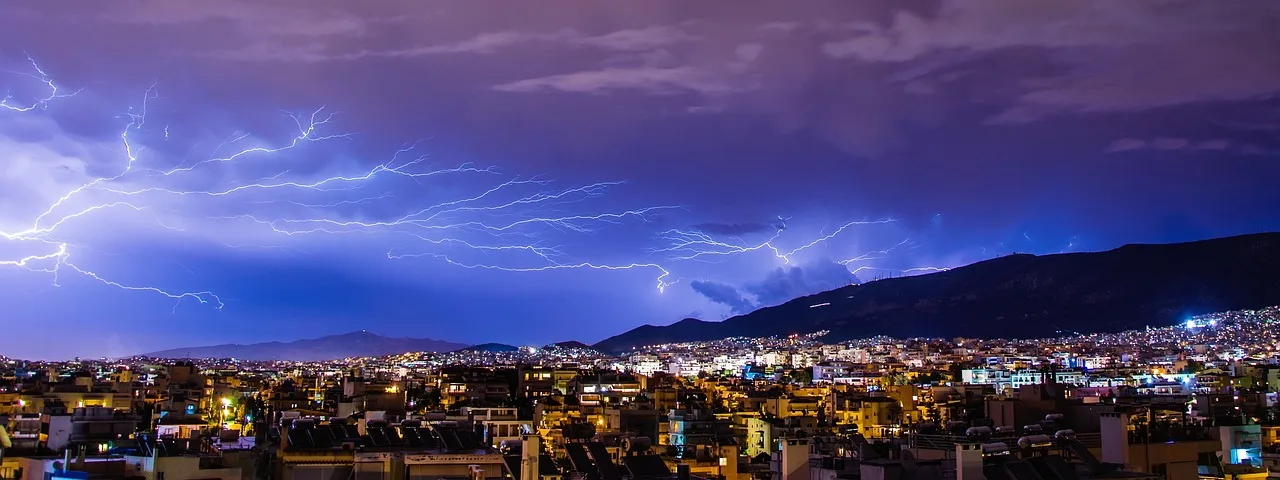

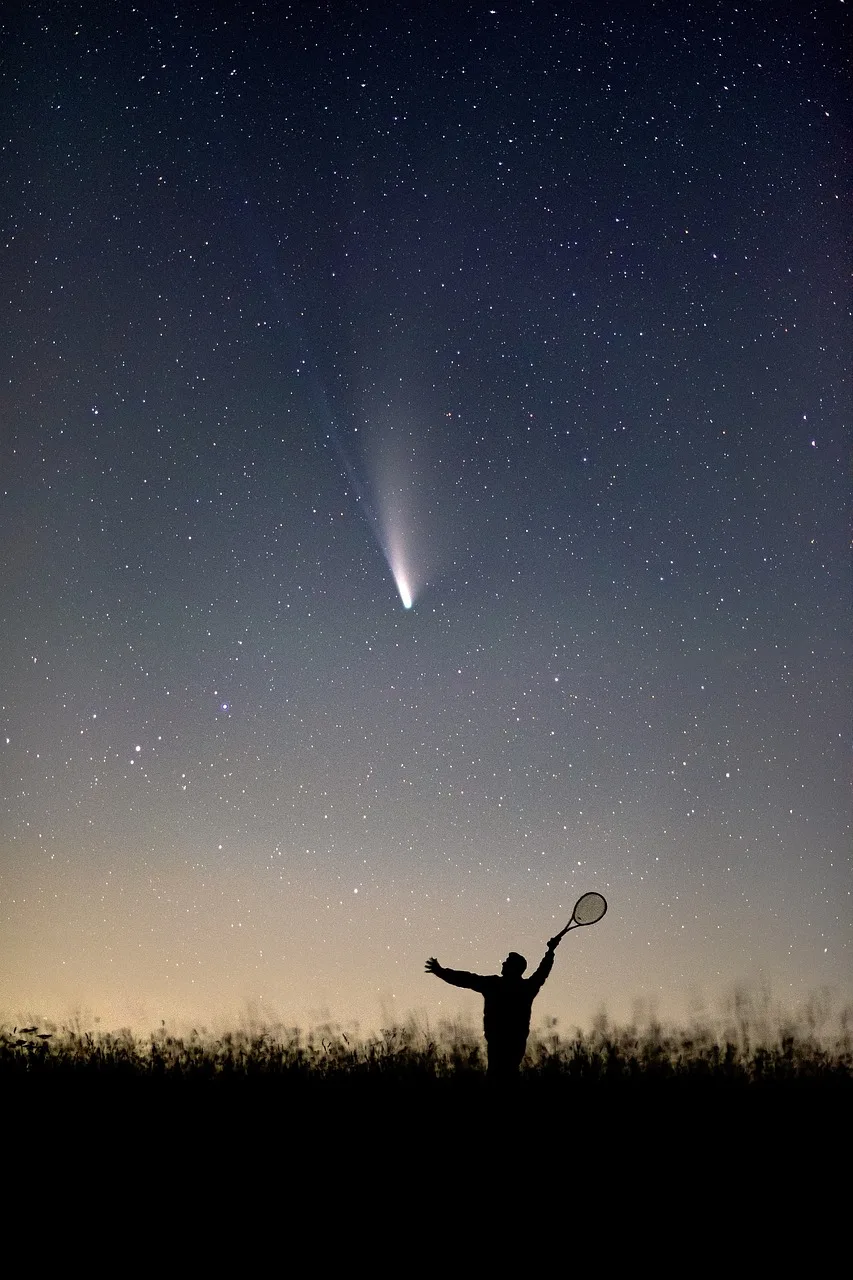

Çekim Tablosu
Belirtme (-i)geceyi
Yönelme (-e)geceye
Bulunma (-de)gecede
Çıkma (-den)geceden
Tamlayan (-in)gecenin
Çoğul (-ler)geceler
Tanım
•isim: Akşamdan sonra başlayan ve gün ağarıncaya kadar geçen zaman dilimi; tün, şeb
•Bu süre içindeki karanlık
•Eğlence, anma vb. amaçlarla geceleyin düzenlenen toplantı
•zarf: geceleyin
•zarf: Herhangi bir saat başını geçerek, geçerken
•isim, ağızlardan: yaka
Atasözü & Deyim
“Gece gözü, kör gözü”
“Gece işi, körler işi”
“Komşu boncuğunu çalan gece takınır”
“Arabanın ön tekerleği nereden geçerse art tekerleği de oradan geçer”
“Boynuz kulaktan sonra çıkar, ama kulağı geçer”
Diğer Dillerde
Almancadie Nacht, nacht (dişil) /naxt/
night · darkness
çekim: çoğul Nächte · tamlayan Nächte
eş: Dunkel, Dunkelheit, Finsternis, Schwärze
köken: Etymology tree Proto-Indo-European *nókʷts Proto-Germanic *nahts Proto-West Germanic *naht Old High German naht Middle High German naht German Nacht Inherited from Middle High German naht, from Old High German naht, from Proto-West Germanic *naht, from Proto-Germanic *nahts, from Proto-Indo-European *nókʷts.
aile: Butternacht, die Nacht zum Tag machen, Einbruch der Nacht, Gebnacht, gute Nacht, gut' Nacht, gut Nacht, Krampusnacht, Kristallnacht, Nacht und Nebel
Vorheriger Monat — Geçen ay
Die Nacht war lang und frostig.
Sie wurden von der Nacht verschlungen.
night
çekim: çoğul nuits
eş: neuille
köken: Etymology tree Proto-Indo-European *nókʷts Proto-Italic *nokts Latin nox Old French noit Middle French nuyt French nuit Inherited from Middle French nuyt, from Old French noit, from Latin nox, from Proto-Italic *nokts, from Proto-Indo-European *nókʷts.
aile: à la nuit tombante, abri de nuit, astre de la nuit, bleu nuit, boîte de nuit, bonne nuit, bonnet de nuit, chemise de nuit, corbeau de nuit, de nuit
dernier mois — geçen ay
İspanyolcacheno, noche, oscuridad, sorna, tarde, véspero (dişil) /ˈnot͡ʃe/
night (the period between sunset and sunrise) · evening (after sunset)
çekim: çoğul noches
zıt: día
köken: Etymology tree Proto-Indo-European *nókʷts Proto-Italic *nokts Latin nox Old Spanish noche Spanish noche Inherited from Old Spanish noche, from Latin nox, from Proto-Italic *nokts, from Proto-Indo-European *nókʷts.
aile: a boca de noche, a buenas noches, a la caída de la noche, alcalde de noche, anoche, anteojo de noche, bella de noche, buenas noches, dama de noche, de la noche a la mañana
Último mes — Geçen Ay
por la noche
durante la noche
night, nighttime (period of time from sundown to sunup)
çekim: çoğul но́чи · tamlayan но́чи
eş: ночное время, вечер
köken: PIE word *nókʷts Inherited from Old East Slavic ночь (nočĭ), from Proto-Slavic *noťь, from Proto-Balto-Slavic *náktis, ultimately from Proto-Indo-European *nókʷts. Doublet of нощь (noščʹ, “night (archaic)”), borrowed from Old Church Slavonic.
aile: заночева́ть, переночева́ть, ночёвка, ночёвщик, ночева́ть, но́чью, полно́чи, на ночь гля́дя, под покро́вом но́чи, поля́рная ночь
в прошлом месяце — geçen ay
но́чью
2 часа́ но́чи
за́ ночь
Arapçaبليل, سورة الليل, عشية, ليل, لَيْل, ليلة (dişil)
The 92nd sura (chapter) of the Qur'an.
الشهر الماضي — Geçen Ay
Farsçaتاریکی, شامْگاه, شَب, شَو, شُو /taː.riː.ˈkiː/
darkness
köken: From تاریک (târik, “dark”) + ـی (-i, suffix forming abstract nouns).
چشمامو باز میبندم رو به این تاریکی آره ایستادهم
evening
çekim: çoğul axşamlar · tamlayan axşamın
köken: Inherited from Old Anatolian Turkish [script needed] (aχşam, “night”), ultimately from Proto-Iranian *xšáfnyah. See Ottoman Turkish آخشام (ahşam) for more.
aile: axşamınız xeyir, axşam bazarı
ötən axşam
dünən axşam
Axşam saat altıda futbol başlayır.
evening
köken: From Proto-Turkic *kēče (“night, evening”). Cognate to Turkish gece (“night”), geç (“late”), Turkmen gīje (“night”), Yakut киэһэ (kiehe, “evening”), etc.
aile: кешкі, кешкілік, кешкілікте
night · evening · yesterday
çekim: çoğul kechalar · tamlayan kechaning
köken: From Proto-Turkic *kēče (“night, evening”).
aile: kechalik
evening
köken: From Proto-Turkic *kēč. Cognate with Bashkir кис (kis), Kazakh кеш (keş), Chuvash каҫ (kaś)
during the night, in the night, at night
zıt: overdag
köken: Originally des nachts, a fossiled genitive form of nacht (“night”) in contemporary Dutch.
Vorige maand — Geçen ay
Portekizceanoitecer, crepúsculo vespertino, escuridão, noitada, noite, noitinha /a.noj.teˈse(ʁ)/
to darken (as night approaches)
çekim: geçmiş anoiteci · ortaç anoitecido · şimdiki anoitece
eş: anoutecer, entardecer, ocaso
köken: From Old Galician-Portuguese anoitecer. By surface analysis, a- + noite (“night”, noun) + -ecer. Compare Galician anoitecer, Spanish anochecer.
último mês — geçen ay
at night, by night, nightly
çekim: çoğul βράδια · tamlayan βραδιού
köken: From Byzantine Greek βραδύ (bradú), from Ancient Greek βραδύς (bradús, “slow”), due to it being the last part of the day and for it seeming to be the longest wait for it to arrive (compare the similar semantic development of Spanish tarde).
Προηγούμενος μήνας — Geçen ay
Τι βγήκε βράδυ μέσα στο σκοτάδι να κάνει βόλτα;
Japonca夜、晩
一月あたりの時間: — Geçen ay
night; nightfall
eş: 黑天, 夜, 夕, 暮, 暮夜, 宵
晚安! — İyi geceler!
沉寂的大地 在靜靜的夜晚默默地哭泣
沉寂的大地 在静静的夜晚默默地哭泣
Korece(낮다음에 시작되는) 밤
지난 달 — Geçen Ay
(early) evening
çekim: çoğul aftnar · tamlayan aftons
köken: From Old Swedish aptan, aftan, afton, from Old Norse aptann, from Proto-Germanic *ēbanþs, from Proto-Indo-European *h₁epi. Cognates include Norwegian Nynorsk aftan, Norwegian Bokmål aften, Danish aften, Icelandic aftann, English even (evening), Dutch avond and German Abend.
aile: god afton, aftonstjärna, julafton, midsommarafton, nyårsafton, påskafton, pingstafton, tranafton, valborgsmässoafton
förra månaden — geçen ay
Lehçewieczór, zmierzch (eril) /ˈvjɛ.t͡ʂur/
evening (time of day before night) · evening (party or gathering held in the evening)
çekim: çoğul wieczory · tamlayan wieczoru
eş: koniec dnia, wieczorowa pora, wieczornica
köken: Etymology tree Proto-Indo-European *kʷséps? Proto-Indo-European *wek⁽ʷ⁾sperosder. Proto-Balto-Slavic *wékeras Proto-Slavic *vȅčerъ Old Polish wieczór Polish wieczór Inherited from Old Polish wieczór. Doublet of nieszpory.
aile: wieczorny, wieczorowy, jak wieczór długi, od rana do wieczora, pod wieczór, wieczorem, podwieczorek, wieczornica, wieczorynka, wieczór autorski
Ostatni miesiąc — Geçen ay
Ukraynacaве́чір, ніч, ночі́вля, су́тінки /nʲit͡ʃ/
night, nighttime (period of time from sundown to sunup)
çekim: çoğul но́чі · tamlayan но́чі
köken: Inherited from Old East Slavic ночь (nočĭ).
А тепер вночі. — Ve gece.
darkness (the absence of light)
çekim: çoğul अंधकारों
zıt: प्रकाश, रौशनी, उजाला
köken: Etymology tree Proto-Indo-Iranian *andʰás Sanskrit अन्ध (andhá) Proto-Indo-European *kʷer-der. Sanskrit -कार (-kāra) Sanskrit अन्धकार (andhakāra)lbor. Hindi अंधकार Learned borrowing from Sanskrit अन्धकार (andhakāra). Doublet of अँधेरा (andherā).
aile: अंधकारमय
evening
çekim: çoğul ehtoot · tamlayan ehtoon
köken: From Proto-Finnic *ëktago. Related to Estonian õhtu, Votic ohtogo, and possibly also Northern Sami ikte (“yesterday”). Replaced in the standard language in the 19th century with ilta, which was traditionally used in the eastern dialects.
aile: ehtoollinen, ehtookellot, ehtoopalvelus, ehtoopuoli, myöhäisehtoo
viime kuussa — geçen ay
elämän ehtoo (lit. "evening of the life")
Ja Jumala kutsui valkeuden päiväksi, ja pimeyden hän kutsui yöksi. Ja tuli ehtoo, ja tuli aamu, ensimmäinen päivä.
Çekçenoc (dişil) /ˈnot͡s/
night, nighttime (period of time from sundown to sunup)
çekim: çoğul noci · tamlayan noci
köken: Inherited from Old Czech noc, from Proto-Slavic *noťь.
aile: celonoční, každonoční, noční, nocleh, nočník, dobrou noc, ponocovat
minulý měsíc — geçen ay
Rumenceînserare, întuneric, noapte, seară (dişil)
nightfall · twilight, dusk
çekim: çoğul înserări · tamlayan înserări
köken: From însera + -re.
Luna trecută — Geçen ay
Macarcaalkony, alkonyat, éj, éjjel, éjszaka, éjszakázás /ˈɒlkoɲ/
dusk, twilight, nightfall
çekim: çoğul alkonyok
köken: Back-formation from alkonyodik. Created during the Hungarian language reform, which took place in the 18th–19th centuries. First attested in 1746.
aile: alkonyat, alkonyi, alkonyul, alkonyú, alkonytájt
Múlt hónap — Geçen Ay
İbraniceלַיְלָה, ערב, עֶרֶב (eril) /ˈeʁev/
evening, night · the day before
çekim: çoğul עֲרָבִים
köken: Cognates include Arabic غَرْب (ḡarb, “west”).
aile: ארוחת ערב, בין ערביים, לִפְנוֹת עֶרֶב, עֶרֶב חַג הַמּוֹלָד, עֶרֶב טוֹב
חודש — Geçen Ay
עֶרֶב פֶּסַח
Latincecaligo, nocturna tempora, nox, tenebrae, vesper, vespera (dişil) /kaːˈliː.ɡoː/
fog, mist, vapor · darkness, gloom · fog, darkness (inability to perceive mentally)
çekim: çoğul cālīginēs · tamlayan cālīginis
köken: Formation from an earlier adjective is possible, similarly to several similar nouns in -īgō, examples at rōbīgō, with the verb deriving from the noun, as cālīgō (noun) + -ō. A possible reading in Pacuvius suggests earlier verb semantics as “I make dark”, consistent with this construction. Possibly from Proto-Indo-European *kel- (“dark spot”), suggested to be connected to columba (“dove, pigeon”),…
aile: cālīgātiō
Dancaaften, mørke, nat, nattesøvn, overnatning, skumring /ˈaftən/
evening · night (evening)
çekim: çoğul aftener · tamlayan aftens
eş: kvæld
zıt: morgen
köken: From Old Danish aftæn, from Old Norse aptann, from Proto-Germanic *aftanaz, *aftunaz. Cognate with Swedish afton and Norwegian Nynorsk aftan. The West Germanic forms English even, Dutch avond, and German Abend go back to a different form: *ēbanþs. The relation between the two forms is unclear.
aile: aftenandagt, aftenarbejde, aftenbelysning, aftenbrug, aftenbøn, aftendæmring, aftenfest, aftenflade, aftengudstjeneste, aftenhimmel
Sidste & måned — Geçen Ay
Etimoloji
Osmanlı Türkçesi گیجه, Eski Anadolu Türkçesi, Eski Türkçe 𐰛𐰃𐰲𐰀 (𐰛iča).
Deyimler
gecesini gündüzüne katmak
geceye kalmak
geceyi gündüze katmak
Kelime Ailesi
ateş gecesi
gece bekçisi
gece yanığı
gece yarısı
gecekondu
gecenin körü
kandil gecesi
Regaip gecesi
cuma gecesi
gece gösterimi
gece hayatı
gece körlüğü
gece öğretimi
gece uçuşu
gecesefası
sıra gecesi
Berat gecesi
gecce gündüz
Eş & Zıt Anlamlılar
Örnek Cümleler
Ve gece.
And at night.
Geçen Ay
Last Month
Geçen yıl
Previous
Açık Gece
Clear Night
Gece oldu.
Night came on.
O geçecek.
That'll pass.
Gece genç.
The night is young.
Geçen yıl?
In the last year?
- Bu gece.
Tonight.
Geçen yıl.
Last year
Ne gecesi?
What sort of night?
Geçen yıl!
Last year!
İlgili Sorular
İlgili / Bileşik Terimler
Genelnightlife
Genelnightclub
Genelmidnight
Genelnightclub
Genelnightclub
Genelnighthawks
Genelmidnight
Genelnight bird
Genelblack crowned night heron
Genelnight porter
Genelnight watchman
Genelnight watch
Genelday and night
Genelretinitis pigmentosa
Geneleuropean green toad
Genelnight monkey
Birleşik Kelimeler
gece bekçisigece gösterimigece gündüzgece hayatıgece işçiliğigece kıyafetigecekondugece körlüğügece kulübügece kuşugece mavisigece öğretimigecesefasıgece uçuşugece yanığıgece yarısıgece yatısıgece yayıgecenin körüyarı geceateş gecesiBerat Gecesicuma gecesidonanma gecesiKadir Gecesikandil gecesikına gecesiMevlit GecesiMiraç GecesiRegaip Gecesisıra gecesi