Sözlük
/buyu
buyu
/byˈjy/
noun
B1 seviye
TR → EN
"buyu" kelimesinin İngilizcesi: magic, spell, charm, charm, hoodoo. Anlamı, çevirisi, telaffuzu ve örnek cümleler aşağıdadır.
Çeviri
Genelmagicnoun
Genelspellnoun
Genelcharmnoun
Genelcharm
Genelhoodoo
Genelincantation
Genelmagic
Genelspell
Geneltheurgy
Genelweird
Genelwitchcraft
Genelwitchery
Genelwitching
Genelart
Genelconjuration
Genelenchant
Genelspell
Genelsorcery
Genelmagical
Genelmagic
Genelspell
Genelmagical
Genelsorcery
Genelspell
Genelmagic
Genelmagical
Genelsorcery
Genelspell
Genelmagic
Genelmagic
Genelmagical
Genelsorcery
Görsel



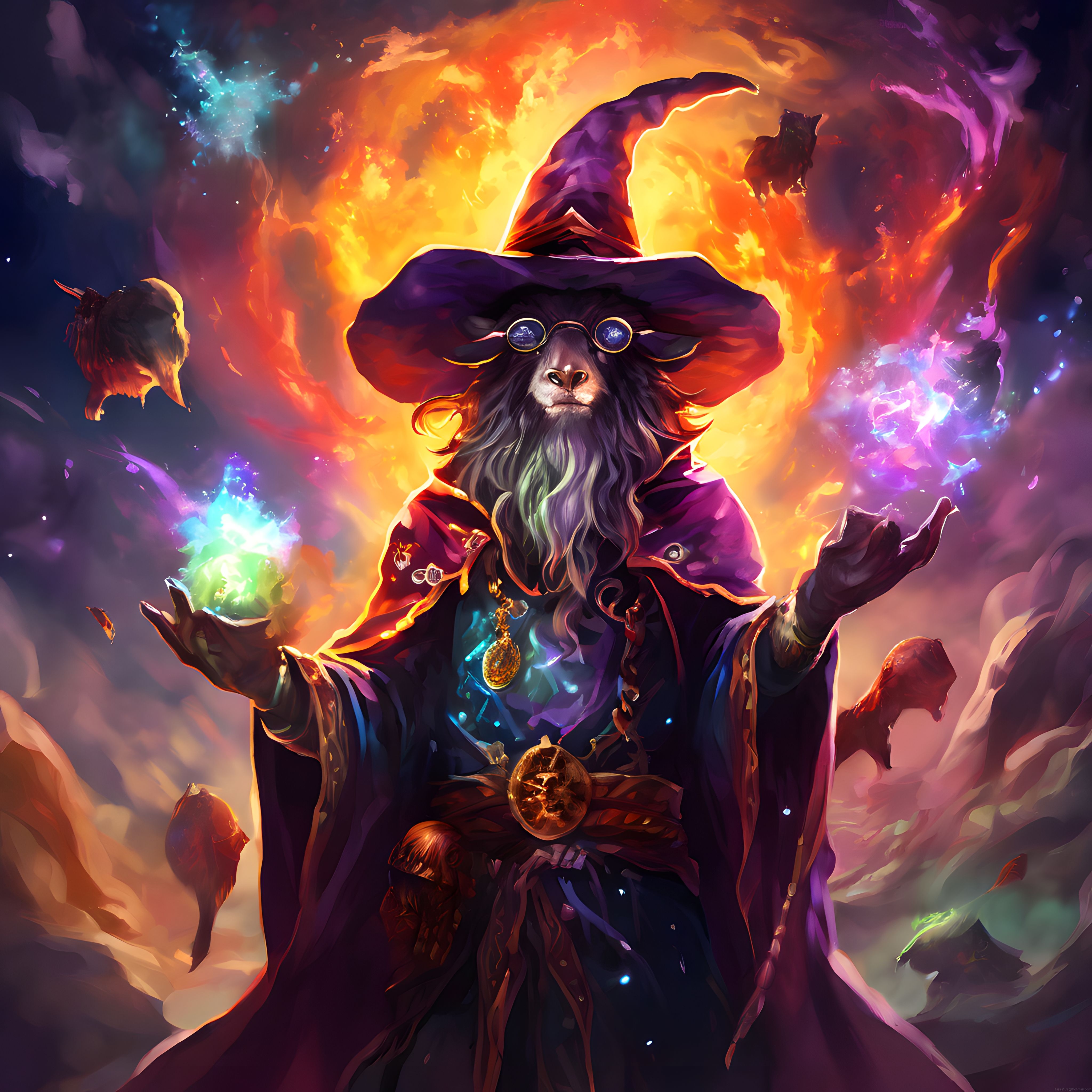
Çekim Tablosu
Belirtme (-i)büyüyü
Yönelme (-e)büyüye
Bulunma (-de)büyüde
Çıkma (-den)büyüden
Tamlayan (-in)büyünün
Çoğul (-ler)büyüler
Tanım
•isim: İnsan ve tabiatla ilgili olarak, birtakım gizli güçlerle insan geleceği üzerinde etkiler yapma, yönlendirmede bulunma gibi işlem ve davranışlara verilen genel ad; afsun, efsun, füsun, sihir
•mecaz: Bir şeyin insan üzerinde bıraktığı, onu şiddetle hükmü altına alacak kadar kuvvetli etki, karşı konulamaz çekicilik; afsun, efsun, füsun, sihir
Atasözü & Deyim
“Besledik büyüttük danayı, şimdi tanımaz oldu anayı”
“Borçtan korkan kapısını büyük açmaz (küçük açar)”
“Büyük balık küçük balığı yutar”
“Büyük başın derdi büyük olur”
“Büyük lokma ye büyük söz söyleme”
Diğer Dillerde
Almancabizarr, eigenartig, geheimnisvoll, komisch, Kunst, Kunstwerk /biˈtsar/
bizarre
çekim: karşılaştırma bizarrer · üstünlük am bizarrsten
eş: absonderlich, auffallend, auffällig, außergewöhnlich, eigenwillig, interessant
köken: Late 17th century, from French bizarre, from Italian bizzarro. The chronology of earliest attestations suggests that it may have passed through Low German (mid-17th c.) and Dutch (early 17th c.), rather than being an immediate borrowing from French.
aile: Bizarrerie, bizarrerweise
Maximieren — & Büyüt
FransızcaMagie (dişil) /ma.ʒi/
magic · a magical, surprising, fascinating feat · the art illusionism
çekim: çoğul magies
eş: illusionisme
köken: From Latin magia.
aile: comme par magie, magie blanche, magie noire, tour de magie
& Zoom — & Büyüt
abnormal · dumb, fool, stupid
eş: anómalo, estrafalario, extraño, extravagante, insólito, raro
zıt: normal
köken: Borrowed from Medieval Latin anormālis, variant of anormalus, corruption of anōmalus by confusion with norma (“norm, standard”).
aile: anormalidad, anormalmente
& Ampliación — & Büyüt
İtalyancaanormale, assurdo, bislacco, bizzarro, disciplina umanistica, fuori dall'ordinario /a.norˈma.le/
abnormal, preternatural
çekim: çoğul anormali
eş: anomalo, deviante, irregolare, atipico, eccezionale, strano
& Ingrandisci — & Büyüt
Rusçaколдовство, волшебство, чародейство
колдовство, волшебство, чародейство
& Масштаб — & Büyüt
Arapçaصَنْعَة, عَجِيب, غَرِيب, فن, فَنّ, فُنُون (eril) /fann/
genre · knack, trick, artifice · quarrel, ruffle, trouble
çekim: çoğul فُنُون · tamlayan فَنٍّ
köken: From Classical Persian پَنْد (pand, “knack, trick”). Semantic development resembles Ancient Greek τέχνη (tékhnē) and Latin ars.
aile: اِسْتَْفَنَّ, اِفْتَنَّ, تَفَنَّنَ, فَنَن, فَنَّ, فَنَّنَ, فَنّاء, فَنْوَاء, فَنّان, فَيْنَان
كبّر — & Büyüt
اَلْغَزَلُ فَنٌّ مِنْ فُنُونِ الشِّعْرِ
لَأَجْعَلَنْ لِإْبْنَةِ عَمْرٍو فَنَّا … حَتَّى يَكُونَ مَهْرُهَا دُهْدُنَّا
يا حبّذا نظرة تعود بها أفنان عيشي بعد التوى نضره
Farsçaصَنْعَت, عجیب, عجیب و غریب, هُنَر /ʔa.ˈd͡ʒiːb/
strange · foreign · peculiar
çekim: karşılaştırma عجیبتَر · üstünlük عجیبتَرین
eş: عجیب و غریب
köken: Borrowed from Arabic عَجِيب (ʕajīb).
çekim: çoğul incəsənətlər · tamlayan incəsənətin
köken: From incə + sənət.
aile: təsviri incəsənət
Kazakçaкөркемөнер, өнер
Özbekçesanʻat, sanʼat /san.ʔat/
çekim: çoğul sanʼatlar · tamlayan sanʼatning
köken: Etymology tree Arabic صَنْعَة (ṣanʕa)bor. Classical Persian صَنْعَت (san'at)bor. Chagatai صنعت (ṣnʿt) Uzbek sanʼat Inherited from Chagatai صنعت (san'at). Cognate with Uyghur سەنئەت (sen'et).
Tatarcaсәнгать
Felemenkçebizar, bovennatuurlijk, eigenaardig, kunst, kunstwerk, merkwaardig /biˈzɑr/
bizarre
çekim: karşılaştırma bizarder · üstünlük bizarst
eş: excentriek, vreemd, afwijkend, zonderling, raar, buitennissig
köken: Borrowed from French bizarre (“bizarre”).
& Zoom — & Büyüt
Portekizceestranho, humana, obra de arte /isˈtɾɐ̃.ɲu/
odd; strange (not normal) · unknown; unfamiliar (not known or familiar)
çekim: karşılaştırma mais estranho · üstünlük o mais estranho
zıt: normal, conhecido
köken: Inherited from Old Galician-Portuguese estranho, from Latin extrāneus. Cognates include Spanish extraño, Catalan estrany, French étrange and Italian strano.
aile: estranhamente, estranhar
Maximizar — & Büyüt
Esse animal é muito estranho.
Proibida a entrada de pessoas estranhas.
Yunancaεπιτηδειότητα, περίεργος, τέχνη (dişil)
skilfulness
çekim: çoğul επιτηδειότητες · tamlayan επιτηδειότητας
zıt: ανεπιτηδειότητα
köken: επιτήδειος (epitídeios, “skillful”) + -ότητα (-ótita, “-ness”).
Μεγιστοποίηση — & Büyüt
Çinceйишу, 技術 /技术, 藝術 /艺术
編號04。 — Büyü 04.
visual art
köken: Sino-Korean word from 美術 (“art”).
aile: 미술사(美術史), 미술품(美術品)
줌( Z) — & Büyüt
strange, odd, peculiar
çekim: karşılaştırma besynnerligare · üstünlük besynnerligast
köken: From Old Swedish besynnerliker, superficially equivalent to be- + synnerlig. Cognate of Danish besynderlig, Dutch bijzonderlijk, German besonderlich. See also Dutch bijzonder, German besonders.
Maximera — & Büyüt
Lehçedzieło sztuki, dziwaczny, dziwny, sztuka (nötr) /ˈd͡ʑɛ.wɔ ˈʂtu.ki/
work of art, artwork, objet d'art (product of the fine arts; a painting, sculpture, etc.) · work of art (anything beautiful, exquisite, or finely crafted)
çekim: çoğul dzieła sztuki · tamlayan dzieła sztuki
köken: Literally, “work of art”.
& Powiększ — & Büyüt
Ukraynacaдива́цький, ди́вний, мисте́цтво, надприро́дний, химе́рний, чудерна́цький
& Масштаб — & Büyüt
çekim: çoğul कलाएँ
köken: Learned borrowing from Sanskrit कला (kalā).
Fincekummallinen, kuvaamataito, kuvataide, omituinen, outo, taide /ˈkumːɑlːinen/
odd, strange, peculiar
çekim: karşılaştırma kummallisempi · üstünlük kummallisin
köken: kumma + -llinen
aile: kummallisesti, kummallisuus, eriskummallinen
& Suurenna — & Büyüt
Çekçedivný, umění, zvláštní /ˈɟɪvniː/
strange, odd, surprising · queer, weird · fishy, suspicious
çekim: karşılaştırma divnější · üstünlük nejdivnější
eş: podivný, zvláštní
köken: Inherited from Old Czech divný, from Proto-Slavic *divьnъ. Compare Slovak divný, Polish dziwny.
& Zvětšení — & Büyüt
Rumenceartă, ciudat, lucrare de artă, operă de artă, straniu (dişil) /ˈar.tə/
çekim: çoğul arte · tamlayan arte
köken: Borrowed from Latin ars, artis.
& Lupă — & Büyüt
Macarcaművészet /ˈmyːveːsɛt/
art (the conscious production or arrangement of sounds, colours, forms, movements, or other elements in a manner that affects the senses and emotions) · trade, craft, art (learned skill)
çekim: çoğul művészetek
köken: From művész (“artist”) + -et (noun-forming suffix), the former from the műv- stem of the noun mű (“work of art”) + -ész (noun-forming suffix to denote an occupation); equivalent to mű(v) + -észet (noun-forming suffix to form a collective noun).
aile: művészeti, művészetű, művészetbarát, művészetellenes, művészetelmélet, művészetfilozófia, művészetkedvelő, művészetpártoló, művészetpolitika, művészetszemlélet
Maximalizálás — & Büyüt
hét szabad művészet
Latincears /ˈars/
art, skill, craft, handicraft · trade, occupation, employment · cunning, artifice, fraud, stratagem
çekim: çoğul artēs · tamlayan artis
köken: From Proto-Italic *artis, from Proto-Indo-European *h₂r̥tís (“fitting”), from the root *h₂er- (“to join”). Cognates include Avestan 𐬆𐬭𐬆𐬙𐬀 (ər^əta, “truth, right”), which in turn descends from Proto-Indo-Iranian *Hr̥tás, and Ancient Greek ἄρτι (árti, “just, exactly”). Related to arma.
aile: ars gratia artis, artista, artifex, iners, sollers
Omnis ars nātūrae imitātiō est.
strange
çekim: karşılaştırma mere besynderlig · üstünlük mest besynderlig
köken: From Middle Low German besunderich. Cf. synderlig.
aile: besynderlighed
& Zoom — & Büyüt
Etimoloji
Inherited from Ottoman Turkish بوكو (bükü/bügü), from Proto-Turkic *bögü (“wizard”). Compare Old Turkic [script needed] (bögü).
Deyimler
Eş & Zıt Anlamlılar
Örnek Cümleler
& Büyüt
& Zoom
Büyü 04.
Masterpiece 04.
Büyü mü?
A spell?
& Büyült
Maximize
En büyük
Maximum
Bu büyük!
That's big!
Bu büyük.
This is big.
Buyur al.
Help yourself to something.
Büyük Öd.
光栄.
Büyülü Su
The Magic Water
çok büyük
huge
En büyük:
Maximum:
İlgili Sorular
İlgili / Bileşik Terimler
Genelbewitch