Sözlük
/şal
sal
"sal" kelimesinin İngilizcesi: raft, shawl, float, raft, mantilla. Anlamı, çevirisi, telaffuzu ve örnek cümleler aşağıdadır.
Çeviri
Genelraftnoun
Genelshawlnoun
Genelfloat
Genelraft
Genelmantilla
Genelshawl
Genelshawl
Genelraft
Genelraft
Genelshawl
Genelraft
Genelshawl
Genelshawl
Genelshawl
Genelraft
Genelraft
Görsel


Çekim Tablosu
Belirtme (-i)salı
Yönelme (-e)sala
Bulunma (-de)salda
Çıkma (-den)saldan
Tamlayan (-in)salın
Çoğul (-ler)sallar
Tanım
•isim: Birçok kalın direk yan yana bağlanarak yapılan, düz ve korkuluksuz deniz veya ırmak taşıtı
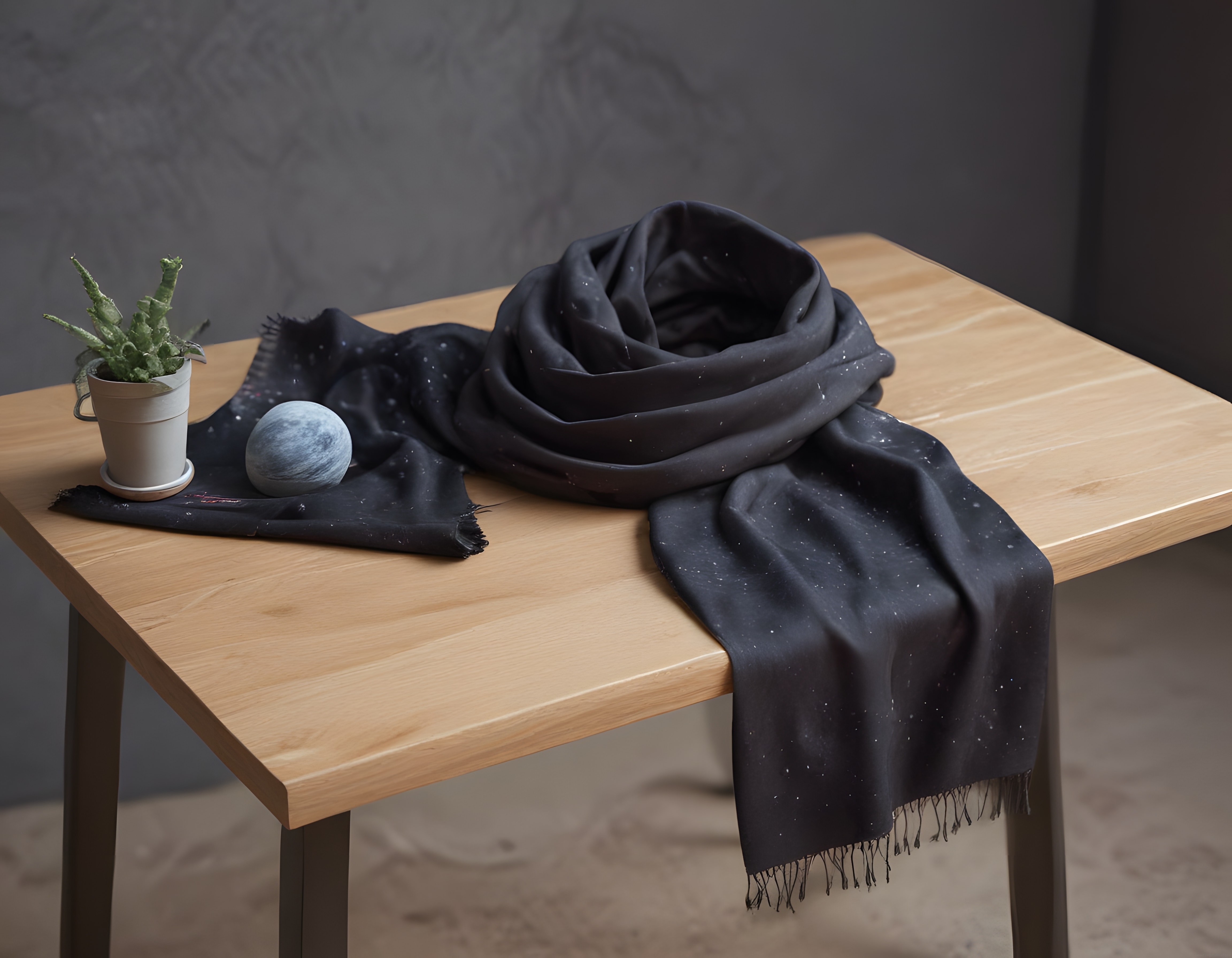
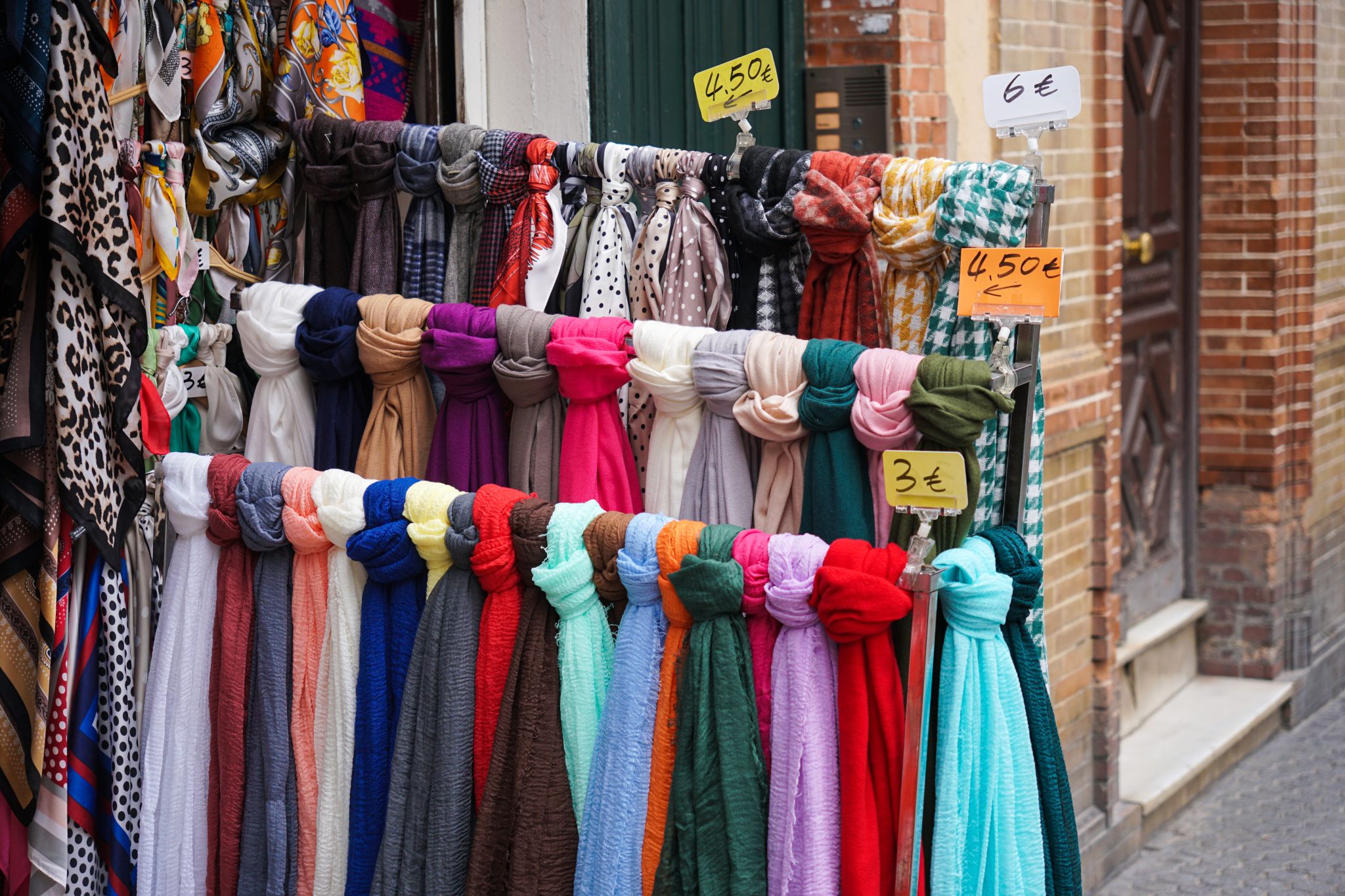
•isim: Genellikle Hindistan'da dokunan, özel motifleri olan değerli bir yün kumaş
•Kadınların omuzlarını örtmek için kullandıkları geniş atkı
•isim, ağızlardan: tabut
Atasözü & Deyim
“Çocuğu işe sal, ardınca sen var”
“Ağacın meyvesi olunca, başını aşağı salar”
“Baba oğluna bir bağ bağışlamış; oğul babaya bir salkım üzüm vermemiş”
“Baskıdaki altından askıdaki salkım yeğdir”
“Baş sallamakla kavuk eskimez”
Diğer Dillerde
Canot gonflable en caoutchouc.
lecture seule — salt oku
raft · ferry · balsa (tree)
çekim: çoğul balsas
eş: embalse, estanque, presa, represa, tranque, almadía
köken: From Paleo-Hispanic, probably Basque [Term?] or Iberian [Term?].
aile: balsa de aceite, balsa salvavidas, balsear, balsero, embalsar, zorro de balsa
Ese soy yo. — Bu Sal.
İtalyancaappianatoia, carro allegorico, frattazzo, galleggiare, gommone, moltitudine (dişil)
float (building tool)
çekim: çoğul appianatoie
köken: From appianare + -toia.
solo lettura — salt oku
raft
çekim: çoğul плоты́ · tamlayan плота́
eş: пирс
köken: Inherited from Proto-Slavic *plъ̃tъ, from Proto-Indo-European *plew-.
только чтение — salt oku
Arapçaرَمَث, طَفَا, طَوْف, عَامَ, قَارِب مَطَّاطِيّ
! ذلك الأحمق — Şu salak.
Farsçaشناوری
swimming
Özbekçesol
Felemenkçedobber, drijven, meedrijven, praalwagen, rasp, rubberboot (eril) /ˈdɔ.bər/
float (buoyant device used when fishing)
çekim: çoğul dobbers
köken: From Middle Dutch dobber, of unclear further origin.
aile: dobberen, een harde dobber
alleen lezen — salt oku
float (buoyant device used to support something in water) · buoy, marker · ballcock (floating sphere that controls the level of liquid in a tank)
çekim: çoğul boias
köken: Borrowed from Old French buie, boye, boue, from Frankish *baukn.
aile: aboiar, boia de salvação, boiado, boiante, boiar
apenas- leitura — salt oku
筏, 桴, 栰: a raft · 筏, 桴, 栰: a raft armor · 筏, 桴, 栰: a 家紋 (kamon, “family crest”) shaped like a raft
köken: From Old Japanese. Found in the Man'yōshū, completed some time after 759 CE. Appears to be a compound. One proposed derivation might be from 厳し (ikashi, stem of Old Japanese adjective ikashi, “grand, large”) + 板 (ita, “board”), with ikashi ita shifting to ika ita and then ikada.
読み出し専用 — salt oku
a fishing float, a bobber
çekim: tamlayan flötes
köken: From the verb flyta (“to float”).
läsbara — salt oku
Lehçeakumulatorowy pojazd, blef, fundusze do spłacenia, koktajl lodowy, mała kwota pieniędzy w kasie, paca (eril) /ˈblɛf/
bluff (act of bluffing) · bluff, four-flush
çekim: çoğul blefy · tamlayan blefu
köken: Borrowed from French bluff, from English bluff.
aile: blefiarz, blefować, zablefować
To znaczy na mnie. — Bu Sal.
czysty blef
zwykły blef
Ukraynacaплавати, плисти, пліт, трима́тися на воді́ /plʲit/
wattle (fence woven from branches) · raft
çekim: çoğul плоти́ · tamlayan пло́ту
köken: From Proto-Slavic *plotъ.
тільки читання — salt oku
to swim · to float
çekim: geçmiş तैरता · şimdiki तैरता है
köken: Inherited from Sauraseni Prakrit [Term?], from a blend of * Prakrit *𑀢𑀺𑀭𑀇 (*tiraï), from Vedic Sanskrit तिरते (tirate, “crosses over”). This is the etymon of तिरना (tirnā). * Prakrit *𑀧𑀇𑀭𑀇 (*païraï), from Vedic Sanskrit प्रतिरते (pratirate, “sets out, passes”), or *𑀧𑀅𑀭𑀇 (*paaraï), from Sanskrit प्रतरति (pratarati, “goes to sea”). This is the etymon of पैरना (pairnā). In any case, from…
aile: तैराई, तैराक, तैराकी
to drift (move slowly, especially pushed by currents)
çekim: geçmiş ajelehtinut · şimdiki ajelehtii · ulaç ajelehtiva
köken: ajella + -htia
aile: ajelehtiminen
Se idiotti! — Şu salak.
Çekçealegorický vůz, hladítko, plavat, plout, plovák, plť
nástroj k povrchové úpravě ve stavebnictví
eş: natahovák, partáč, filcák
To jsem já. — Bu Sal.
Rumencecar alegoric, plută, pluti, plutitor (nötr)
float (in a parade)
çekim: çoğul caruri alegorice
Idiotul ala! — Şu salak.
Macarcafelszínen marad, felszínen tart, felvet, fennmarad, forgalomba hoz, javasol /ˈfɛmːɒrɒd/
to remain (to be left after a number or quantity has been subtracted or cut off) · to survive, last (to continue to exist, to not become forgotten) · to float on top of a liquid
çekim: geçmiş fennmaradtak
köken: fenn- + marad
csak olvasható — salt oku
İbraniceמָצוֹף, צָף, רַפסוֹדָה, רַפְסוֹדָה
זה אני. — Bu Sal.
raft · pontoon bridge · boat, ship, vessel
çekim: çoğul ratēs · tamlayan ratium
köken: From the same Proto-Indo-European root as Lithuanian reklės (“scaffolding”), Old Church Slavonic ратиште (ratište, “staff, spear”), Latin rētae (“trees standing on the bank of a stream”). Also possibly connected to the Germanic roots of rood and rod. According to De Vaan, possibly from Proto-Indo-European *h₁reh₁- (“to row”).
… quassātaeque ratēs, dum nōn tractābile caelum.
Dancaflåde (nötr) /flɔːðə/
raft (a floating timber platform or an inflatable rubber boat) · fleet (a group of vessels)
çekim: çoğul flåder · tamlayan flådes
köken: From Old Danish flodhe, from Old Norse floti, from Proto-Germanic *flutô (“float, raft”), cognate with Norwegian flåte, Swedish flotte, English float, German Flosse (“fin”). In the sense "fleet", the word has been influenced by French flotte (which is itself a loan from Germanic).
skrivebeskyttet — salt oku
Norveççeflåte
Salmon Arm — Salmon Arm
Endonezceapung, mengapung, rakit /ˈapʊŋ/
to float
köken: From Malay apung, from Proto-Malayo-Polynesian *apuŋ, from Proto-Austronesian *apuŋ (“float”).
aile: apung-apung, apungan, berapung-apung, berapungan, mengapung, mengapungkan, pengapung, pengapungan, terapung, terapung-apung
Hall A dalam Rumah Capulet itu. — A Salonu.
a raft (flat, floating structure) · a group of cohorts
köken: Having cognates throughout Mon-Khmer (all borrowed ?), akin to Laven /bɛː/ ("raft"), Khasi bùr (“raft”), Mlabri /bɛː/ ("raft"), Nyah Kur [phɛ̀ɛ] ("raft") and Lamet /pheː/ ("raft"). See also Proto-Tai *beːᴬ (> Thai แพ (pɛɛ, “raft”)) and Old Chinese 簰 (OC *brê, “bamboo raft”). The sense of "cohorts" probably developed from the way bamboo stalks are tied together to make a raft.
Hội trường A trong nhà Capulet. — A Salonu.
bè lũ tham ô
Etimoloji
(Bu girdinin köken kısmı şimdilik eksiktir. Lütfen eklenmesine yardımcı olun ve sonrasında {{kökenisteniyor}} şablonunu kaldırın.)
Eş & Zıt Anlamlılar
Eş anlamlılar
Örnek Cümleler
salt oku
read-only
Şu salak.
That idiot!
Saldırı 1
Attack 1
Saldırı 2
Attack 2
Saldırı 3
Attack 3
Ana salon
Main hall
Onu salın.
Release him.
O bir şal.
That's a wrap.
Saldırın !
attack !
"Ey Salih!
They said, “O Saleh!
Salt Metin
Plain Text
& Sallanma
& Wobbliness
İlgili Sorular
Anthony Fasano ve Sal Fasano aynı aileden mi?
Cowboys'tan Anthony Fasano ile Phillies'ten Sal Fasano akraba mı?
Anthony Fasano (Cowboys) ile Sal Fasano (Phillies) kan bağına sahipler mi?
Anthony Fasano (Cowboys) ve Sal Fasano (Phillies) arasında akrabalık var mı?
Cowboys'lu Anthony Fasano ve Phillies'li Sal Fasano arasında herhangi bir aile bağı bulunuyor mu?
Birleşik Kelimeler
sal yarışıcankurtaran salıcan salıölü salı