ısırık
/ɯ.sɯˈɾɯk/
noun
C1 seviye
TR → EN
"ısırık" kelimesinin İngilizcesi: bite. Anlamı, çevirisi, telaffuzu ve örnek cümleler aşağıdadır.
Çeviri
Genelbitenoun
Görsel
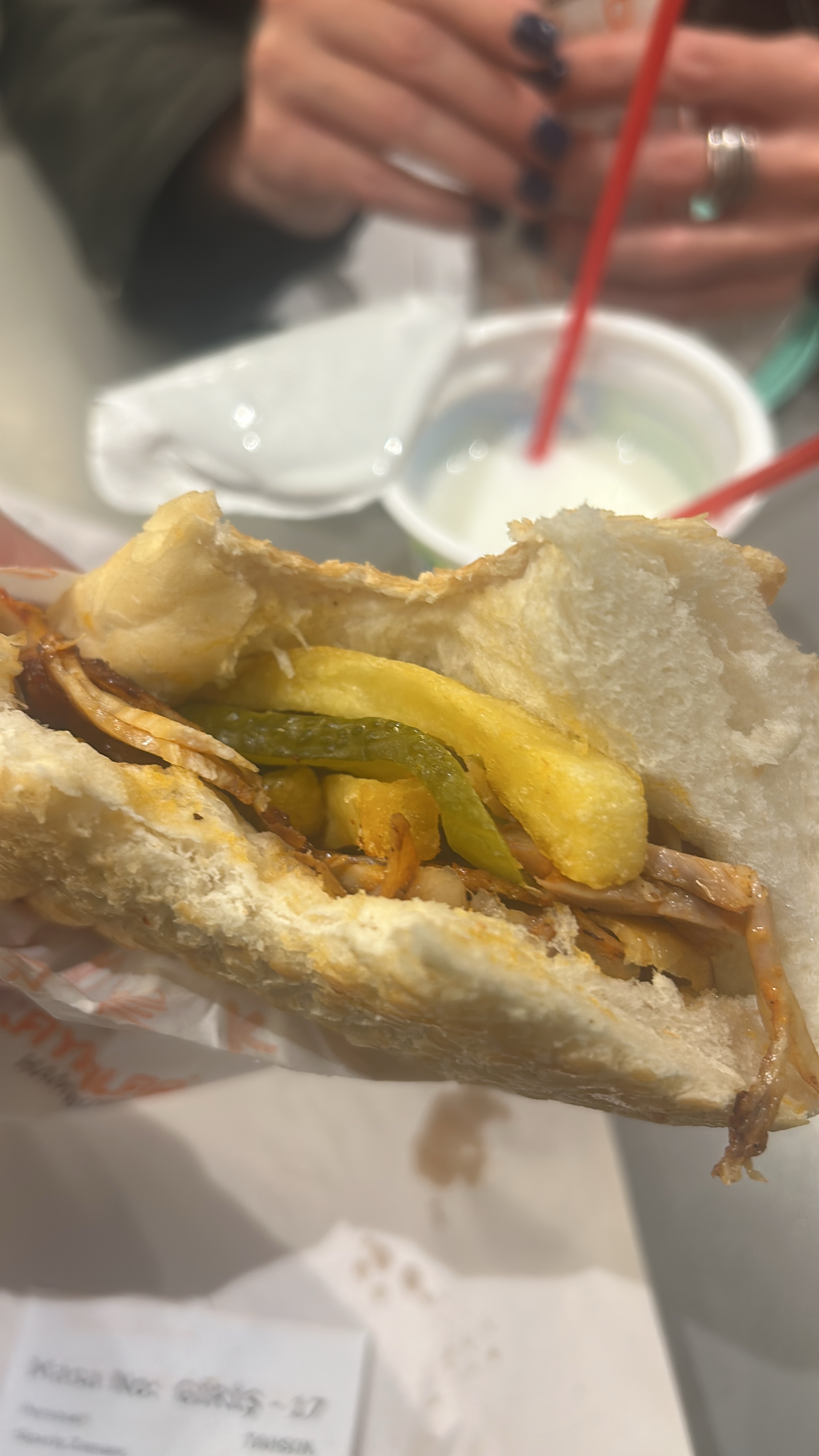
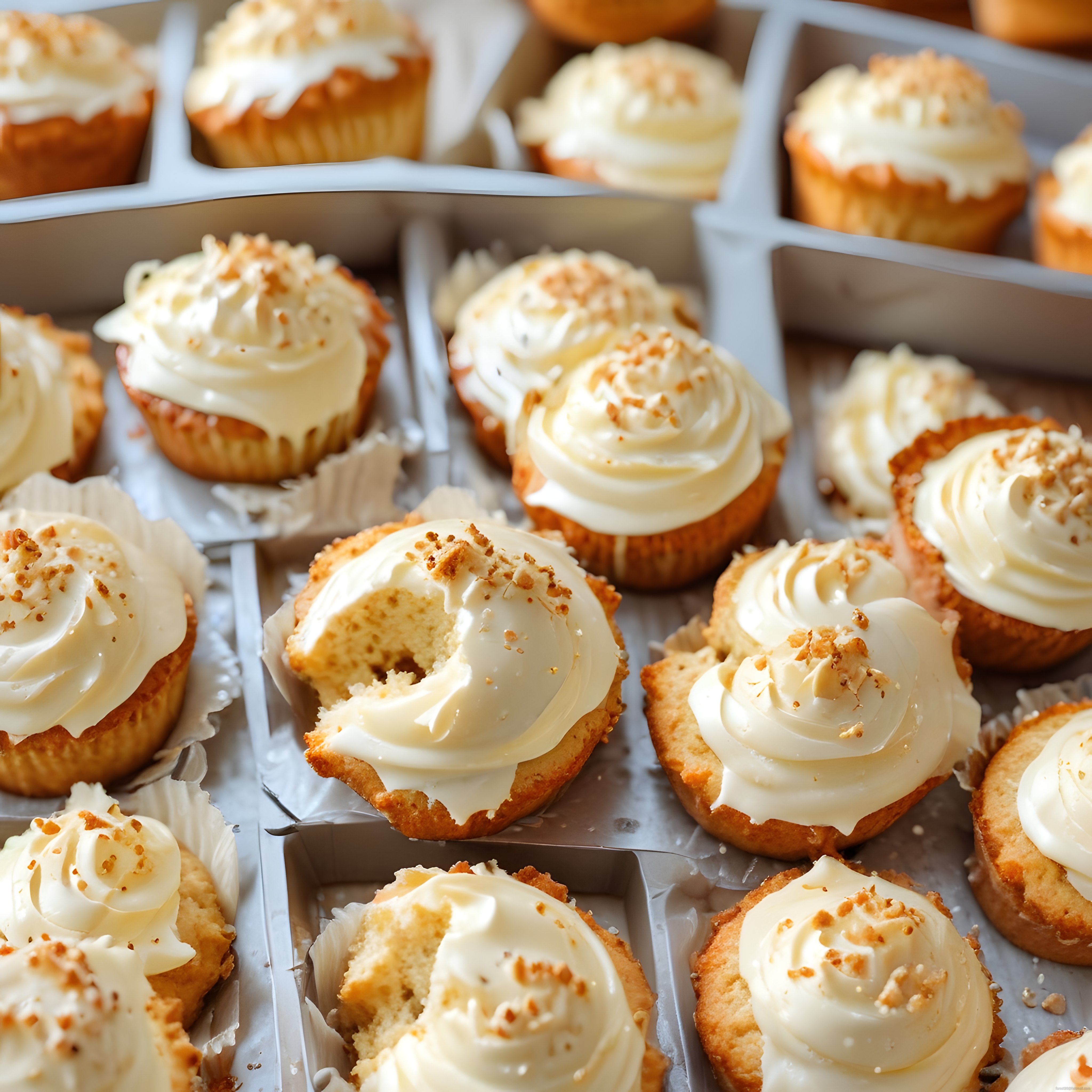
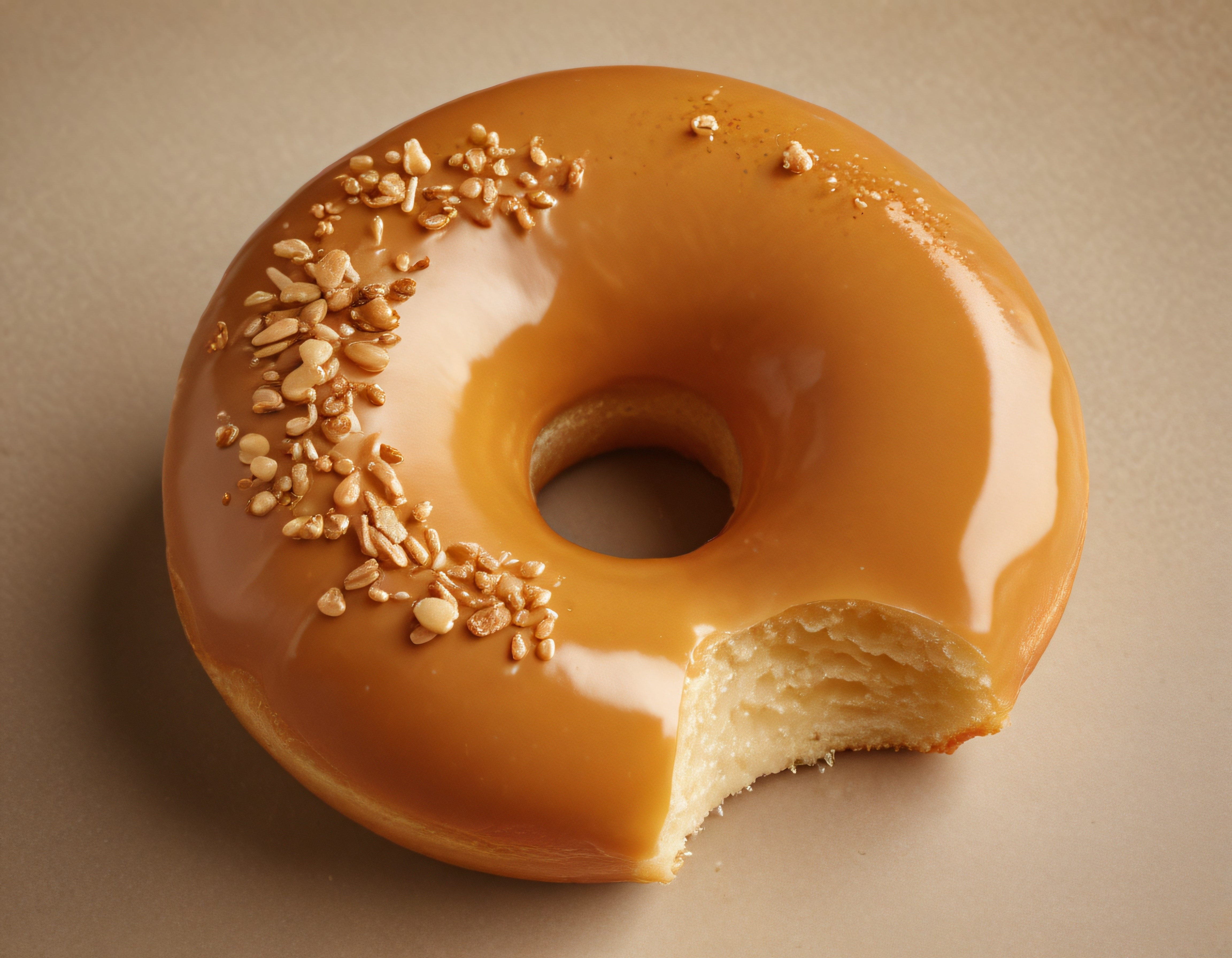

Çekim Tablosu
Belirtme (-i)ısırığı
Yönelme (-e)ısırığa
Bulunma (-de)ısırıkta
Çıkma (-den)ısırıktan
Tamlayan (-in)ısırığın
Çoğul (-ler)ısırıklar
Tanım
•bir kezde ısırılan
•ısırılan yerde kalan iz
•Isırılan yerde kalan iz
Diğer Dillerde
to bite · to sting; to burn; to be sharp; to be spicy · to clash; to jar; to conflict [with mit (+ dative) ‘with something’ or plural subject] (of colors, plans, etc.)
çekim: geçmiş biss · ortaç gebissen · şimdiki beißt · ulaç beißend
köken: From Middle High German bīȥen, from Old High German bīȥan, from Proto-West Germanic *bītan, from Proto-Germanic *bītaną, from Proto-Indo-European *bʰéydt (“to split”). Cognate with Dutch bijten, Low German bieten, English bite, Danish bide, Swedish bita.
aile: abbeißen, anbeißen, aufbeißen, ausbeißen, beißend, Beißer, Biss, draufbeißen, durchbeißen, entzweibeißen
Ein Biss, Adam. — Bir ısırık, Adem.
Rot und Rosa beißen sich.
mouthful · bouchée
çekim: çoğul bouchées
köken: From bouche + -ée, possibly Vulgar Latin *buccata, from Latin bucca. Compare Italian boccata, Romanian bucată; cf. also Portuguese and Spanish bocado.
aile: bouchée à la reine, bouchée de pain, mettre les bouchées doubles, ne faire qu'une bouchée
Un morceau... — Bir ısırık?
İspanyolcaagarrar, atarazar, bocado, habón, mordedura, morder /aɡaˈraɾ/
to grab or take hold of · to hold on · to catch (an illness, feeling etc.)
çekim: geçmiş agarré · ortaç agarrado · şimdiki agarra
eş: alcanzar, cachar, captar, concebir, chanelar, darse cuenta
köken: From a- + garra (“claw”) + -ar.
aile: agarrada, agarradera, agarradero, agarrado, agárramela que me crece, agarrar a putazos, agarrar de pato, agarrar el gusto, agarrar fuego el cañal, agarrar llave
¿Un mordisco? — Bir ısırık?
Se agarró de mi brazo para no caerse
İtalyancaabboccare, boccone, bozzo, escrescenza, mordere, morsicare /ab.bokˈka.re/
to bite or take with the mouth · to take the bait · to fill up (a glass, jar, etc.) to the top
çekim: geçmiş abboccàto · ortaç abboccàto · şimdiki abbócca · ulaç abboccànte
eş: prender con la bocca, combaciare, farsi imbrogliare, cadere in inganno, cascarci, farsi fregare
köken: From a- + bocca (“mouth”) + -are.
Un solo morso. — Bir ısırık.
il pesce ha abboccato l'esca
il pesce abbocca
non ci avrei dovuto cascare, ma ho abboccato
Rusçaукус (eril) /ʊˈkus/
bite (act of biting) (verbal noun of укуси́ть (ukusítʹ) (nomen actionis instantiae)) · bite, sting (verbal noun of укуси́ть (ukusítʹ) (nomen resultatis)) · verbal noun of укуси́ть (ukusítʹ) (nomen qualitatis (metonymically)))
çekim: çoğul уку́сы · tamlayan уку́са
Один кусочек? — Bir ısırık?
у э́того живо́тного си́льный уку́с
to bite · to treat badly · to taunt
çekim: geçmiş عَضِضْتُ
لقد كانت حقاً لقمة واحدة — Sadece tek bir ısırık aldım.
Farsçaبه دندان گرفتن, گاز زدن, گاز گرفتن, گزیدن, نیش زدن
to bite
çekim: geçmiş گاز گرفت · ortaç گاز گرفته · şimdiki گاز میگیرد · ulaç گاز گیرنده
Azericedişləmək /diʃlæˈmæk/
to bite
çekim: geçmiş dişləmiş · ortaç dişləmiş · şimdiki dişləyir
köken: From diş (“tooth”) + -lə.
Hürən it dişləməz.
İşləməyən dişləməz.
Özbekçetishlamoq
bite
çekim: çoğul beten
köken: From Middle Dutch bēte, from Old Dutch *biti, from Proto-Germanic *bitiz.
aile: beetgaar, beethebben, beetnemen, beetpakken, hondenbeet, ooievaarsbeet, slangenbeet
Eén hapje, Adam. — Bir ısırık, Adem.
bite (to hold something by clamping one’s teeth) · bite (to cut something with one’s teeth) · to eat, devour
çekim: geçmiş abocanhei · ortaç abocanhado · şimdiki abocanha
eş: aboquejar, bocanhar
Cão que ladra não morde. — Kurt adam ısırıklarının şifası yoktur.
Yunancaδάγκωμα, δαγκωματιά, δαγκώνω, μπουκιά, τσιμπάω, τσίμπημα (nötr) /ˈðaŋ.ɡo.ma/
bite, biting (the act of biting)
çekim: çoğul δαγκώματα · tamlayan δαγκώματος
eş: δαγκωνιά, δαγκωματιά
köken: Inherited from Byzantine Greek δάγκωμα (dánkōma).
aile: δαγκωματιά
Μια δαγκωνιά μόνο. Τι στο δαίμονα! — Bir ısırık.
Çince咬住
重则致命”。 — Doğrudan bir ısırık."
to bite hard
çekim: geçmiş 깨물었다
köken: First attested in the Yeogeo yuhae (譯語類解 / 역어유해), 1690, as Early Modern Korean ᄞᅢ믈다 (Yale: pkaymulta). Equivalent to 깨— (kkae-, “to break, to crush”) + 물— (mul-, “to bite, to gnaw”) + —다 (-da).
알았어. 한 입만. 까지것, 어떻게 되겠어? — Tamam. Bir ısırık. Ne olacak ki?
혀를 깨물다
a bite (wound left behind after having been bitten) · a bite (the act of biting) · a bite (the swelling of one's skin caused by an insect's mouthparts or sting)
çekim: çoğul betts · tamlayan betts
aile: bettskena, hundbett, myggbett, ormbett
Ett bett bara, Adam. — Bir ısırık, Adem.
to grab, to seize, to grasp (to take hold of quickly) · to catch, to trap (e.g. an animal) · to catch, to apprehend (a criminal)
çekim: geçmiş chwycono
köken: Influenced by the now dialectal word chycić, from Proto-Slavic *xytiti, and the now obsolete word chwacić, from Proto-Slavic *xvatiti.
aile: nachwytać, pochwytać, pochwycić, podchwytywać, podchwycić, przechwytywać, przechwycić, przychwytywać, przychwycić, schwycić
Jeden gryz. — Bir ısırık.
Ukraynacaкуса́ти, укуси́ти
Вкушу, хай йому грець. — Bir ısırık.
to cut, slice · to deduct · to write out (a check)
çekim: geçmiş काटता · şimdiki काटता है
köken: Hindi verb set कटना (kaṭnā) काटना (kāṭnā) कटाना (kaṭānā) कटवाना (kaṭvānā) Etymology tree Proto-Indo-Iranian *kr̥ntáti Sanskrit कृ॒न्तति॑ (kṛntáti) Sanskrit कर्त॑ति (kártati) Prakrit 𑀓𑀝𑁆𑀝𑀇 (kaṭṭaï) Hindi काटना Inherited from Prakrit 𑀓𑀝𑁆𑀝𑀇 (kaṭṭaï), from Sanskrit कर्त॑ति (kártati, “to cut”), from कृ॒न्तति॑ (kṛntáti), from Proto-Indo-Iranian *kr̥ntáti. Compare Punjabi ਕੱਟਣਾ (kaṭṭaṇā).
तर्बूज़े को काटकर चाकू वापस रख देना।
उसे टीडीएस काटकर ही पैसे देना।
पत्ते काटो, हम रमी खेलेंगे!
to bite, take a bite out of, bite a piece off food to eat · to take a bite, eat something quickly, e.g. a snack
çekim: geçmiş haukannut · şimdiki haukkaa · ulaç haukkaava
köken: From Proto-Finnic *hauk'ait'ak.
aile: haukka, haukkaaminen, haukkaista, haukkaus, haukkoa, haukku
Nauruun kuoleminen on harvinainen kuolemansyy. — Isırık pek ender olarak ölüme neden olur.
Çekçekousat, kousnout /ˈkou̯sat/
to bite
çekim: geçmiş kousala · ortaç kousala · şimdiki kousá
eş: hryzat, hlodat, hrýzt
köken: Inherited from Old Czech kúsati, from Proto-Slavic *kǫsati.
Jedno kousnutí. — Bir ısırık.
Pes, který štěká, nekouše.
Rumenceîmbucătură, înțepa, mușca, mușcătură (dişil) /ɨm.bu.kəˈtu.rə/
mouthful
çekim: çoğul îmbucături · tamlayan îmbucături
köken: From îmbuca + -ătură.
O bucățică. — Bir ısırık.
to pinch · to sting (bee, nettle), bite (mosquito), peck (bird) · to nip, cut (wind), burn (spice)
çekim: geçmiş csíptek
köken: Probably from Proto-Finno-Ugric *ćᴕ̈ppɜ (“pinch, fingertip; to pinch”). Alternatively, possibly from Proto-Turkic *čɨm- (“pinch”), compare Chuvash чӑбат (čăbat), Turkish çimdik, çimcik.
aile: csipdes, csipeget, csipesz, csipet, csipked, csipkelődik, csippent, csípés, csípő, csípős
Egy harapás. — Bir ısırık.
a blow, stroke, stab, thrust, bite, sting · a striking, playing on the lyre · the stroke of a wing
çekim: çoğul ictūs · tamlayan ictūs
köken: Etymology tree Latin ī̆cō Proto-Indo-European *-tus Proto-Italic *-tus Latin -tus Latin ictus From ī̆cō (“to strike”) + -tus (suffix forming action nouns from verbs).
Ictu scorpionis
bite, biting · sharpness, force (having a strong effect) · occlusion
çekim: çoğul biddene · tamlayan bids
köken: From Old Norse bit n, from Proto-Germanic *bitą. Derived from the verb *bītaną (“to bite”).
aile: bidsår, djævelsbid, flåtbid, frostbid, frøbid, hestebid, hugormebid, hundebid, insektbid, loppebid
Et bid. — Bir ısırık.
Norveççebite, bite på, biting, bitt, jafs, munnfull
De er bygget for stor fart og har et kraftig bitt som dreper. — Fakat ağzını çok hızlı kapatır ve size çok güçlü bir ısırık verebilir.
Etimoloji
Inherited from Ottoman Turkish اصریق (ısırık, “bite; bite wound”), equivalent to ısır- (“to bite”) + -ık.
Örnek Cümleler
Bir ısırık.
One bite.
Bir ısırık?
One bite?
Isırık ıslahı
Bite reclamation
Bir ısırık, Adem.
"One bite, Adam.
İşte bir ısırık al.
Here take a bite.
Tom bir ısırık aldı.
Tom took a bite.
Doğrudan bir ısırık."
It's a direct bite."
Isırık çok derin değil.
The bite isn't very deep.
O, elmadan bir ısırık aldı.
She took a bite of the apple.
Tom elmadan bir ısırık aldı.
Tom took a bite out of the apple.
Sadece tek bir ısırık aldım.
I really only had one bite.
Tom elmamdan bir ısırık aldı.
Tom took a bite of my apple.