öküz
/œˈcyz/
adj
C1 seviye
TR → EN
"öküz" kelimesinin İngilizcesi: coarse, ox, anyone rude. Anlamı, çevirisi, telaffuzu ve örnek cümleler aşağıdadır.
Çeviri
Genelcoarseadj
Bilimoxnoun
Genelanyone rudeadj
Görsel
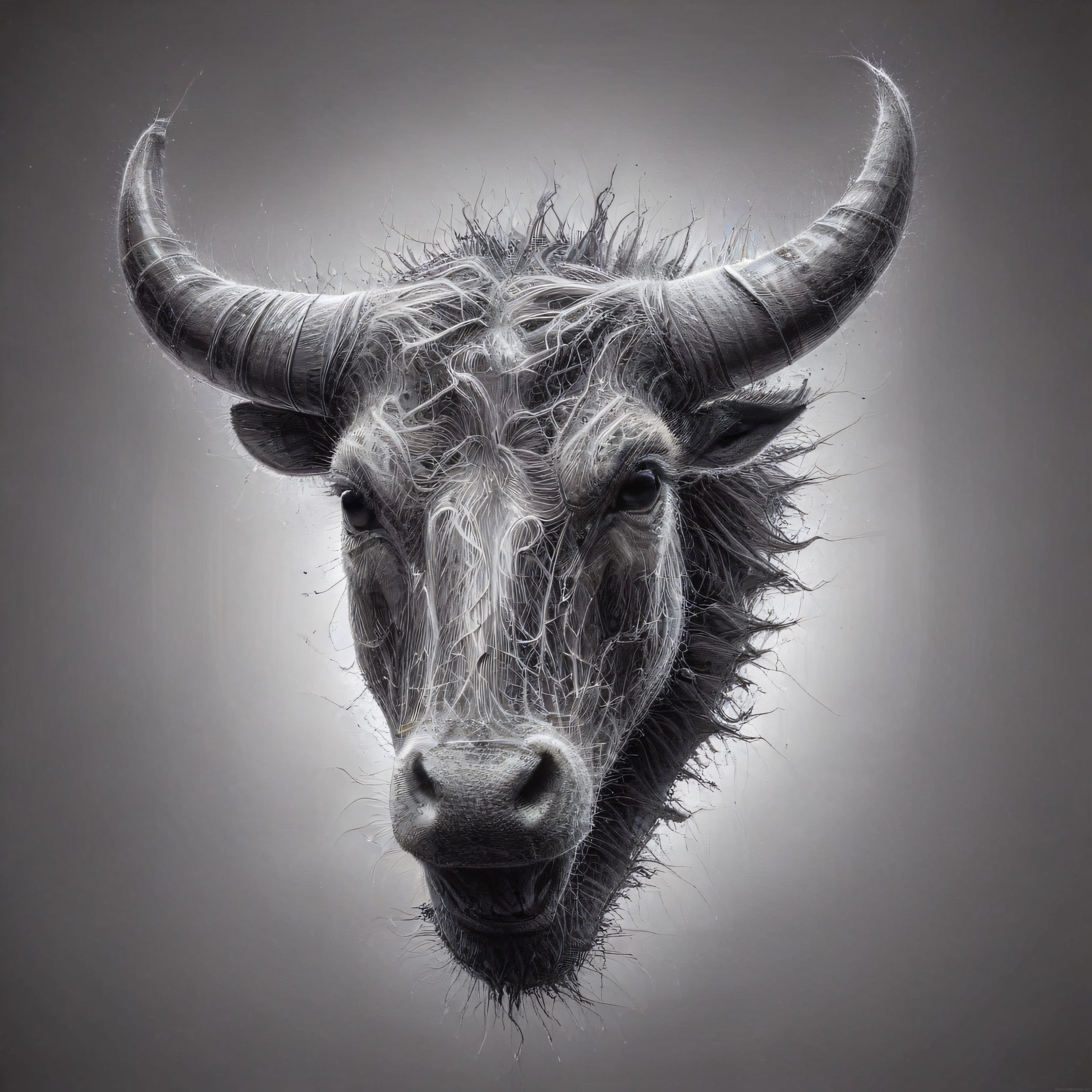
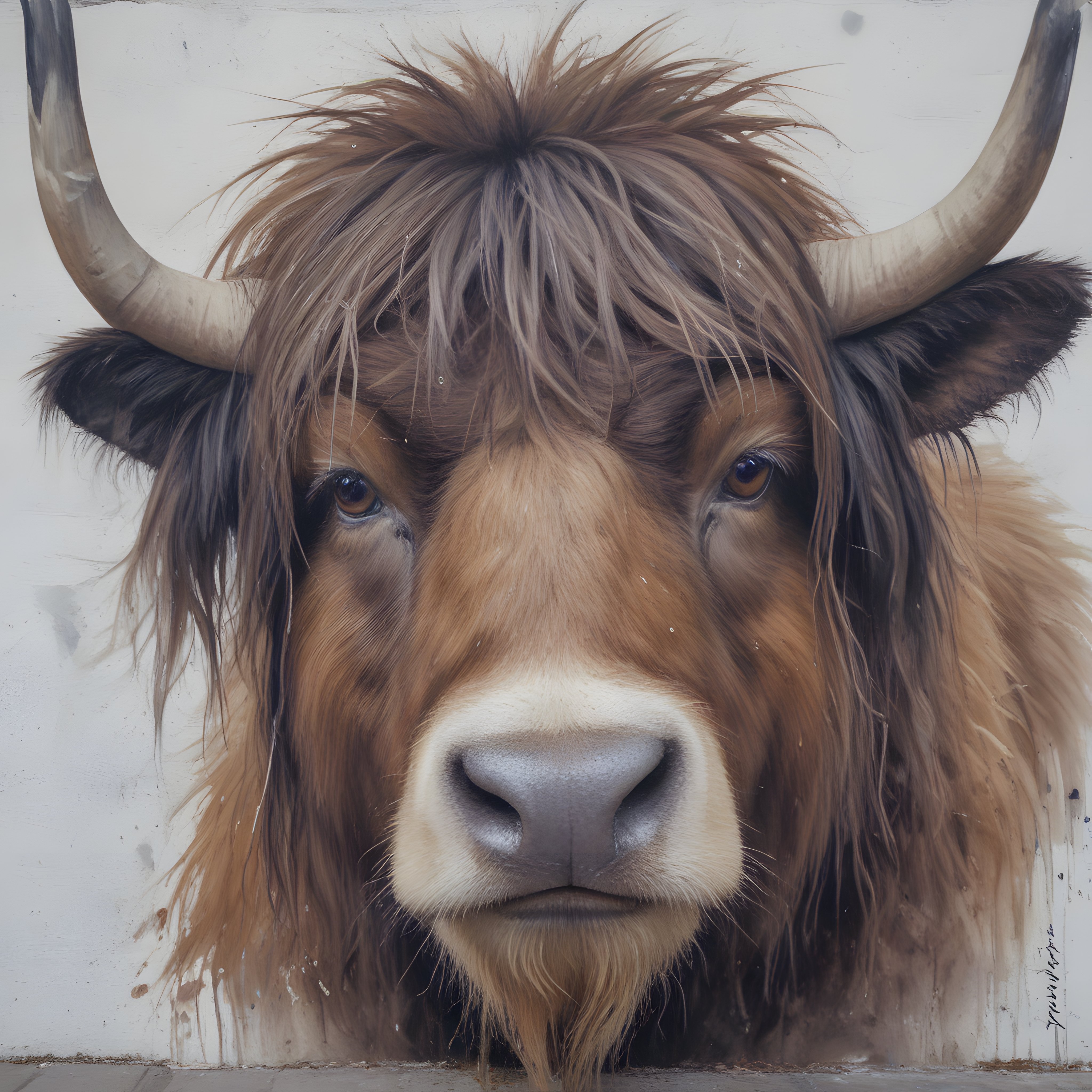
Çekim Tablosu
Belirtme (-i)öküzü
Yönelme (-e)öküze
Bulunma (-de)öküzde
Çıkma (-den)öküzden
Tamlayan (-in)öküzün
Çoğul (-ler)öküzler
Tanım
•Çift sürmekte, kağnı çekmekte kullanılan, etinden yararlanılan, iğdiş edilmiş erkek sığır.
•Cıvalı zar.
•Söz ve davranışlarında incelikten yoksun olan kimse
•Bir yüzü ağır olacak biçimde yapılmış, hileli zar
•Bön, görgüsüz, kaba, anlayışsız, yeteneksiz kimse
•Çift sürmekte, kağnı çekmekte kullanılan, etinden yararlanılan, iğdiş edilmiş erkek sığır
Atasözü & Deyim
“Yalnız öküz çifte (boyunduruğa) koşulmaz”
“Öküz öldü, ortaklık bozuldu (bitti)”
“Öküz, yem bitince çifte gideceğini bilir”
“Serkeş öküz (son) soluğu kasap dükkânında alır”
“Harman döven öküzün ağzı bağlanmaz”
Diğer Dillerde
Almancaochse /ˈɔk.sə/
ox (castrated bull; castrated male bovine animal)
çekim: çoğul Ochsen · tamlayan Ochsen
köken: Inherited from Middle High German ohse. Cognate with Dutch os, West Frisian okse, Saterland Frisian Okse, Low German Oss, Plautdietsch Oss, Yiddish אָקס (oks), Icelandic oxi and uxi, Faroese oksi, Norwegian Bokmål okse, Norwegian Nynorsk okse, Swedish oxe, Danish okse, and English ox.
"Rind im Gebirge". — Ve "dağlardaki öküz".
bullock, steer · beef · jam session
çekim: çoğul bœufs
eş: bovin, boviné, flic, poulet
köken: Inherited from Middle French bœuf, from Old French buef, boef, from Latin bovem (“ox”), from Proto-Italic *gʷōs, ultimately from Proto-Indo-European *gʷṓws (compare English cow). The music sense derives from the expression “faire un Bœuf”, after the Parisian cabaret-bar Le Bœuf sur le toit where jam sessions were held.
aile: bœuf bourguignon, effet bœuf, fort comme un bœuf, langue de bœuf, mettre la charrue avant les bœufs, nerf de bœuf, qui vole un œuf vole un bœuf, suer comme un bœuf
Bœuf plus eau plus montagne. — Öküz artı su artı dağ.
faire un bœuf
"T'as peut-être fait quelque chose de croche. Si toi tu le sais pas, les bœufs le savent, eux."
İspanyolcaáspero, buey, burdo, chabacano, chocarrero, grosero /ˈaspeɾo/
rough, scratchy, coarse (not smooth; uneven) · harsh, rugged · raspy, gruff, gravelly
çekim: üstünlük asperísimo
eş: rugoso, anfractuoso, escabroso
zıt: liso
köken: Borrowed from Latin asperum, from Proto-Indo-European *h₂esp- (“to cut”). The forms of the Spanish word and its Portuguese equivalent seem to indicate that they may be semi-learned or borrowed terms (the expected normal result aspro was found on rare occasions in Old Spanish documents). However, comparing it to similar cases of phonetic development in Spanish and Ibero-Romance (cf. árboles,…
aile: ásperamente, aspereza, asperidad, asperilla, asperón
¿Un buey? — Öküz mü?
İtalyancabue (eril) /ˈbu.e/
ox (adult castrated male of cattle) · dimwit, fool
çekim: çoğul buoi
eş: manzo, vitello, ruminante, stolto, sciocco, ignorante
köken: From Vulgar Latin *boem, from Latin bovem (“cow, bull, or ox”). Compare Spanish buey. Doublet of bove.
Un bue? — Öküz mü?
Rusçaбык, вол, тупица, недотёпа
Быком? — Öküz mü?
Arapçaثَخِن, ثَوْر, خَشِن
اذا " الثور في الجبال ". — Ve "dağlardaki öküz".
Azericeöküz /œˈkyz/
çekim: çoğul öküzlər · tamlayan öküzün
köken: Inherited from Proto-Turkic *öküŕ (“ox”).
Kazakçaөгіз
Özbekçebizon, buyvol, hoʻkiz
rough, coarse · rude, very blunt · extreme, gross, grave
çekim: karşılaştırma grover · üstünlük grofst
zıt: fijn, beleefd
köken: From Middle Dutch grof, from Old Dutch *grof, from Proto-West Germanic *grob, from Proto-Germanic *grubaz.
aile: grof hoornblad, grofheid, grofmazig, grofsmid, grofweg, grove den
Een andere sleutelsoort is de befaamde Europese oeros. — Avrupa yaban öküzleri.
De textuur van de stenen vloer was grof.
Grof taalgebruik wordt hier niet op prijs gesteld.
Dit is een grove mensenrechtenschending.
Portekizceboi, espesso, grosseiro, rugoso (eril) /ˈboj/
corpulent person · cuckold (man married to an unfaithful wife) · ugly person
çekim: çoğul bois
eş: cabaça, grogoiô, maricas
köken: PIE word *gʷṓws Inherited from Old Galician-Portuguese boi, from Latin bovem (“cow, bull”) (probably through a Vulgar Latin form *boem), accusative of bōs, itself a borrowing from some Osco-Umbrian language dialect, from Proto-Italic *gʷōs, ultimately from Proto-Indo-European *gʷṓws. Compare Galician boi. Doublet of bife.
aile: aboiar, boi bento, boi de piranha, boi de sela, boi preto, boi-cavalo, boi-corneta, boi-marinho, boiada, boiadeiro
Um boi? — Öküz mü?
Yunancaβόδι (nötr) /ˈvo.ði/
oaf, lout
çekim: çoğul βόδια · tamlayan βοδιού
eş: βούδι, βούιδι, βοδίτο
köken: From Byzantine Greek βόδιν (bódin), from Koine Greek βοΐδιον (boḯdion), diminutive of Ancient Greek βοῦς (boûs).
Βόδι συν νερό συν βουνό. — Öküz artı su artı dağ.
Japonca去勢雄牛, 粗い /a̠ɾa̠i/
coarse; rough (in regards to physical attributes such as texture)
köken: Cognate with 荒(あら)い (arai).
言語学者はこれを判じ絵と呼びます — Ve "dağlardaki öküz".
Korece황소 /ɸwa̠ŋsʰo̞/
bull
eş: 황우
zıt: 암소
köken: Of native Korean origin. From Middle Korean 한쇼 (Yale: hansyo), 하- (ha-, “big; great”) + -ㄴ (-n) + 소 (swo, “bull, cow”). However, later contaminated by 황(黃) (hwang, “yellow”) + 소 (so, “bull, cow”). For a similar change, see 황새 (hwangsae, “stork”).
aile: 황소걸음: slow step, 황소고집, 황소바람, 황소자리: Taurus
그러므로 "산 속의 소" 입니다. — Ve "dağlardaki öküz".
황소는 수컷 소를 일컫는다.
İsveççeoxe
an ox (adult castrated male of cattle, typically used as a beast of burden) · beef (meat from cattle, male and female – chiefly as a dish and in the names of some cuts of beef) · a bull (of cattle, reindeer, or moose)
çekim: çoğul oxar · tamlayan oxes
köken: From Old Swedish oxe, from Old Norse oxi, uxi, from Proto-Germanic *uhsô, from Proto-Indo-European *uksḗn (“bull”).
aile: oxbiff, oxbringa, oxbär, oxdans, Oxen, Oxenstierna, oxfilé, oxgalla, oxgroda, oxhare
En oxe? — Öküz mü?
oxfilé
oxpytt
älgoxe
Lehçewół (eril) /ˈvuw/
ox, steer
çekim: çoğul woły · tamlayan wołu
eş: karw
köken: Etymology tree Proto-Balto-Slavic *wálas Proto-Slavic *vòlъ Old Polish wół Polish wół Inherited from Old Polish wół, from Proto-Slavic *vòlъ.
aile: wołoduch, wołowina
Wołem? — Öküz mü?
bull
çekim: çoğul бики́ · tamlayan бика́
köken: Inherited from Old Ruthenian быкъ (byk).
aile: бичи́на
Віл+вода+гора. — Öküz artı su artı dağ.
Hintçeबैल (eril) /bɛːl/
ox; bullock · Taurus · an idiot, dolt
çekim: çoğul बैलों
köken: Inherited from Sauraseni Prakrit 𑀩𑀇𑀮𑁆𑀮 (baïlla, “ox”), from Proto-Indo-Aryan.
aile: बैलगाड़ी
खेत में बहुत-सारे गाय और बैल घास चबा रहे थे।
ox, steer, stag · meat from a bull, beef · bull (investor who buys in anticipation of a rise in prices)
çekim: çoğul härät · tamlayan härän
köken: From Proto-Finnic *härkä (compare Estonian härg), probably borrowed from Baltic. * (Taurus): Semantic loan from Latin taurus. * (Ox in the Chinese zodiac): Semantic loan from Chinese 牛宿 (Niúxiù).
aile: härkänen, Härkälä, Härkänen, Härkönen, alkuhärkä, biisonihärkä, gofferihärkäkäärme, hirvihärkä, härkägemssi, härkähai
Härkäkö? — Öküz mü?
rough (having a texture that has much friction; not smooth) · harsh
çekim: karşılaştırma drsnější · üstünlük nejdrsnější
eş: hrubý, zrnitý
zıt: hladký, mírný
köken: Inherited from Old Czech drstný.
aile: drsňák, drsoň, zdrsnět, zdrsnit
Vůl plus voda plus hora. — Öküz artı su artı dağ.
drsný papír
drsné ruce
drsné podnebí
Rumencebou, de proastă calitate, grosier, grosolan (eril) /bow/
idiot
çekim: çoğul boi · tamlayan boului
köken: Inherited from Latin bōvem, accusative singular of bōs, possibly through a Vulgar Latin root *bovum. Compare Aromanian bou.
aile: bouț, boulean, boușor
Bou plus apă plus munte. — Öküz artı su artı dağ.
coarse (of inferior quality) · brusque, rough, rude · extreme, epic, solid, heavy, gross
çekim: karşılaştırma durvább · üstünlük legdurvább
zıt: finom, figyelmes, tapintatos, gyengéd
köken: Of unknown origin.
aile: durvaság, durván, durváskodik, durvít, durvul
Ökör plusz víz plusz hegy. — Öküz artı su artı dağ.
İbraniceגַּס, נָחוּת, שׁוֹר
אז יש לנו "שור בהרים". — Ve "dağlardaki öküz".
Latincearmentum, bōs /arˈmɛn.tũː/
a draft animal (a large domestic animal suitable for drawing a plow: an ox, a horse) · synonym of armenta: such animals taken collectively
çekim: çoğul armenta · tamlayan armentī
köken: A reanalysis of the older feminine singular armenta as a neuter plural, from Proto-Indo-European *h₂er-mn̥-teh₂, from *h₂er- (“to join”) + *-mn̥ + *-teh₂. Semantic development was "grouping, joining" > "herd". Related to arma. Others (included ancient Romans) refer it to arō (“to plow”).
aile: armentālis
1st century, L. Iunius Moderatus Columella, De Res Rustica, Book VI, Preface, Sect. 3
Aliī nōn Diānae, sed Apollinī Nomiō cōnsecrātum carmen hoc volunt, quō tempore Admētī rēgis pāvit armenta.
coarse · rough · crude
çekim: karşılaştırma grovere · üstünlük grovest
köken: From Middle Low German grof.
aile: grovhed
En okse? — Öküz mü?
Endonezcelembu /ləmˈbu/
çekim: çoğul lembu-lembu
köken: Inherited from Malay lembu, probably from Proto-Mon-Khmer *lnboʔ (“ox”). Cognate of Javanese ꦊꦩ꧀ꦧꦸ (lembu), Old Javanese lĕmbu, lambu, lamwu (“cow”).
aile: lembu dogol, lembu dongkol, lembu hutan, lembu kasi, lembu laut, lembu perahan, lembu Suana
Aurochs itu seperti bison. — Yaban öküzleri bizona benzerdi.
Vietnamcabò, bò đực thiến /ʔɓɔ˨˩/
bovine
köken: From Proto-Vietic *bɔː (“zebu; bovine”). Probably ultimately of imitative origin. Compare Vietnamese ụm bò (“moo”) and items such as Malay lembu, Khmu [Cuang] lmboʔ and Cebuano amba, which are superficially similar but lack straightforward correspondence with the Vietnamese word.
aile: bánh bò, bò biển, bò cụng, bò đỏ, bò húc, bò kho, bò rừng, bò sữa, bò tót, bò vàng
Bò cộng với nước thì thành núi. — Öküz artı su artı dağ.
nuôi bò
chăn bò
thịt bò
Bulgarcaгруб, долнокачествен, едрозърнест, необработен /ɡrup/
coarse, rough, rugged (of texture) · harsh, severe, arduous (of effort, work) · rough, approximate, inexact (of result, guess)
çekim: karşılaştırma по́-гру́би · üstünlük на́й-гру́би
köken: Inherited from Proto-Slavic *grǫbъ /*grubъ via a Western dialect; possibly reinforced by Russian гру́бый (grúbyj).
aile: грубя́, грубе́я, грубова́т, грубови́т, гру́бичък, груба́к, грубия́н
Вол плюс вода плюс планина. — Öküz artı su artı dağ.
груб строе́ж
гру́бо поведе́ние
груб чове́к
Etimoloji
Eski Türkçe öküz, ögüz
Deyimler
Kelime Ailesi
Eş & Zıt Anlamlılar
Eş anlamlılar
sığır
cıvalı zar
Örnek Cümleler
Öküzlük etme.
Don't be a dick.
Öküz nereye gidiyor?
Where is the ox going?
Öküzleri pulluğa koş.
Yoke the oxen to the plow.
Bir öküz kadar güçlü.
Strong as an ox.
Öküz artı su artı dağ.
Ox plus water plus mountain.
Öküzgözü bir diğeridir.
Beehiving is another sector.
Kapa çeneni, seni öküz!
Up yours, ya cow!
Bufalo, öküzle akrabadır.
A buffalo is akin to an ox.
Öküzün çoğulu öküzlerdir.
The plural of ox is oxen.
Tom bir öküz kadar güçlü.
Tom is as strong as an ox.
İnsanları öküzle kıyaslarlardı.
They would compare people to cattle.
Yaban öküzleri bizona benzerdi.
And the aurochs was like the bison.
İlgili Sorular
Paul Bunyan ile mavi öküz Babe'nin anlatıldığı masalın hedefi neydi?
Paul Bunyan ve mavi öküz Babe'nin uzun masalının amacı neydi?
Paul Bunyan ve mavi öküz Babe'nin büyük hikayesinin amaçlandığı şey nedir?
Paul Bunyan ve mavi öküz Babe'nin uzun öyküsünün arkasındaki motivasyon neydi?
Gerçeklik kavramını açıklayabilir misiniz? Bu gerçekliğin ne olduğunu anlatın ve altın gibi değerli fikirlerinizi paylaşın.
Bu dünya Tanrı’nın gözündeki bir damla mı yoksa felaketin kötü kokusu mu?
Bu bir sınav mı, geçmek ya da başarısız olmak?
Belki bir ara, belki öğretmen müdürle kaçtı.
Hayat sadece itme ve itişmekten ibaret bir çaba mı, yoksa bir öküzün pulluk çekmesi gibi mi?
Bu gerçeklik sona erdiğinde yeni bir gerçeklik mi gelecek, yoksa yokluğa mı karışacağız? Lütfen görüşlerinizi paylaşın.