Sözlük
/yurt
yurt
"yurt" kelimesinin İngilizcesi: country, hearth, home, homeland, yurt. Anlamı, çevirisi, telaffuzu ve örnek cümleler aşağıdadır.
Çeviri
Genelcountry
Genelhearth
Genelhome
Genelhomeland
Genelyurt
Geneldormitory
Genelhomeland
Geneldormitory
Genelhomeland
Geneldormitory
Genelhomeland
Görsel
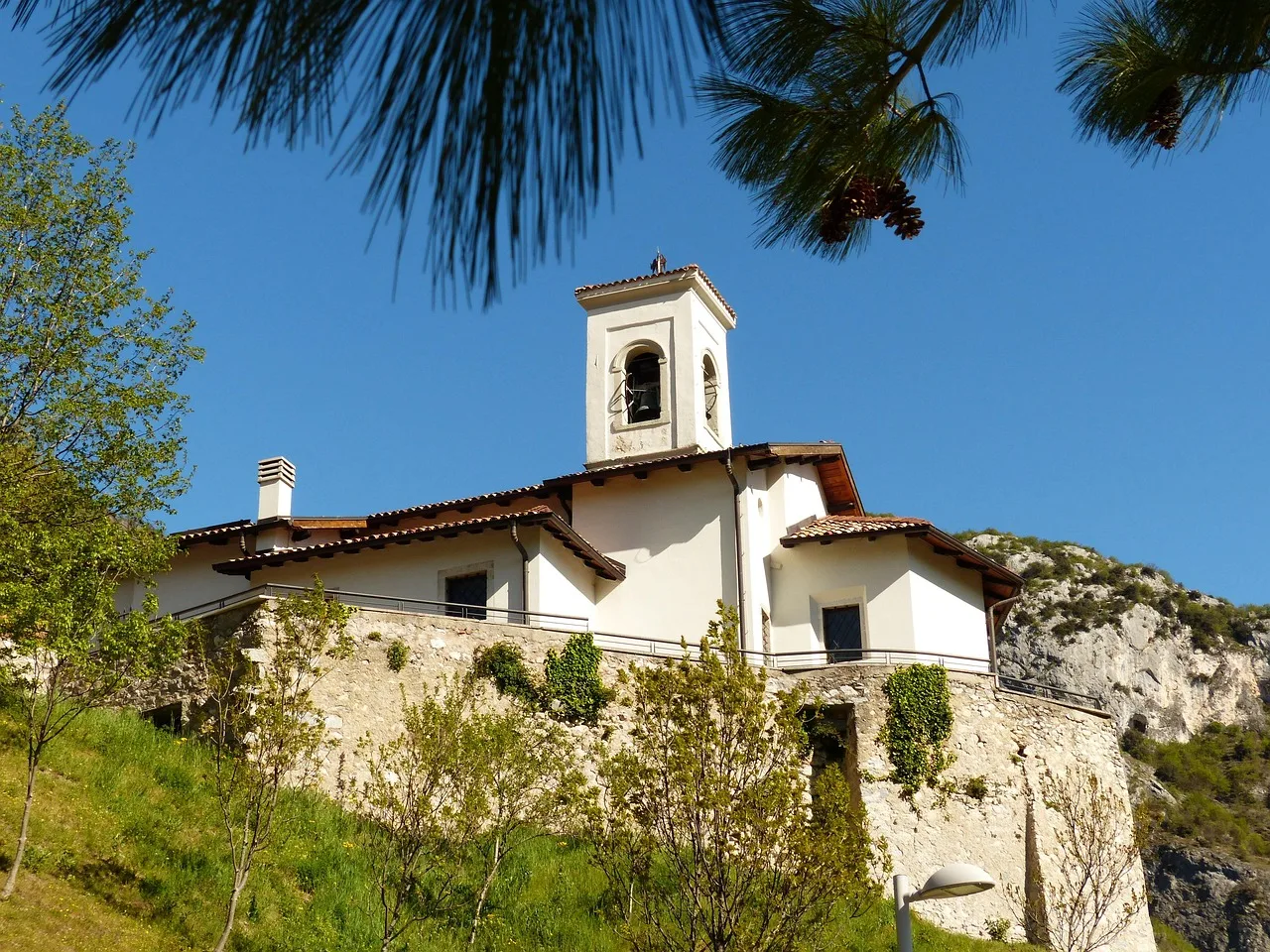
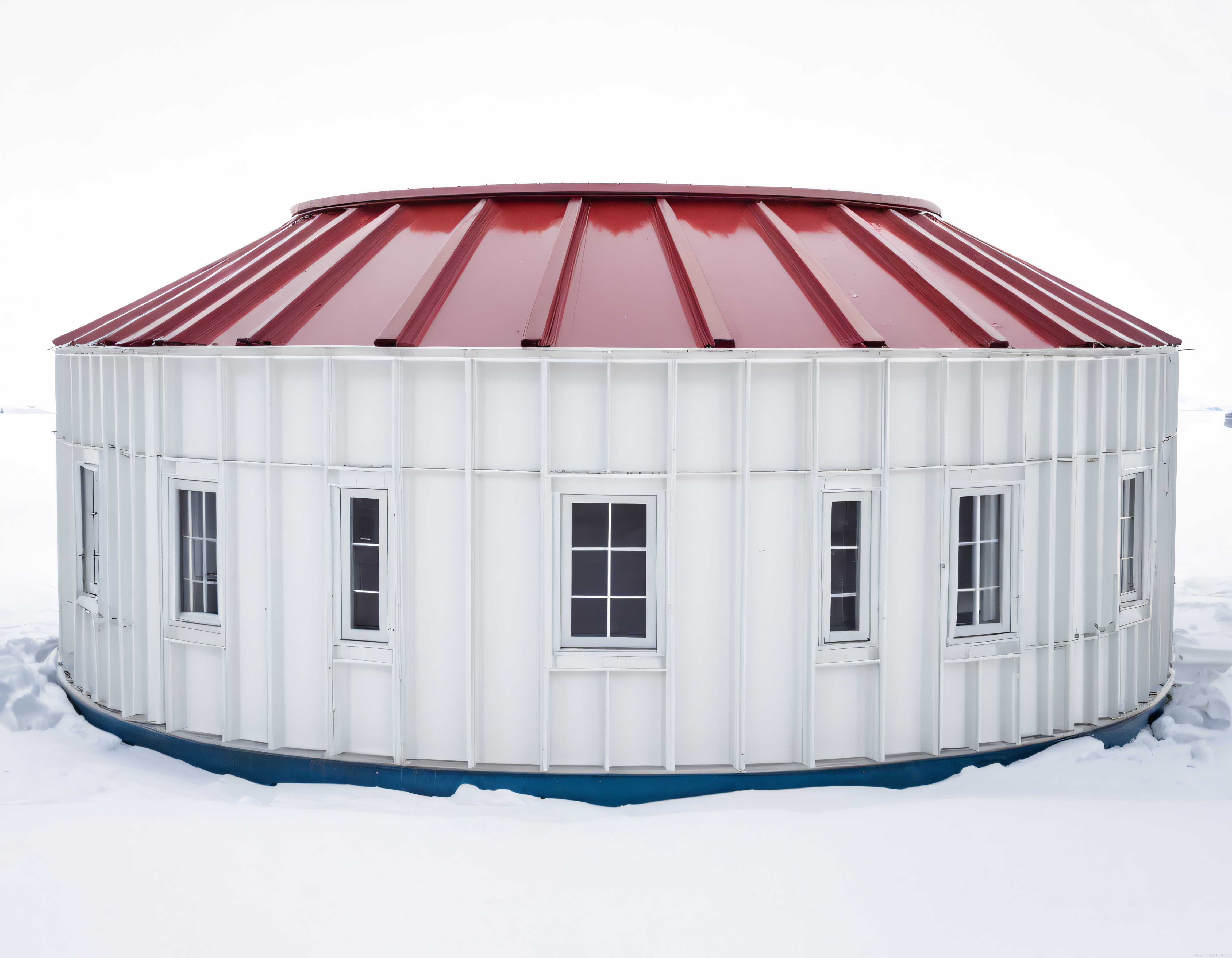
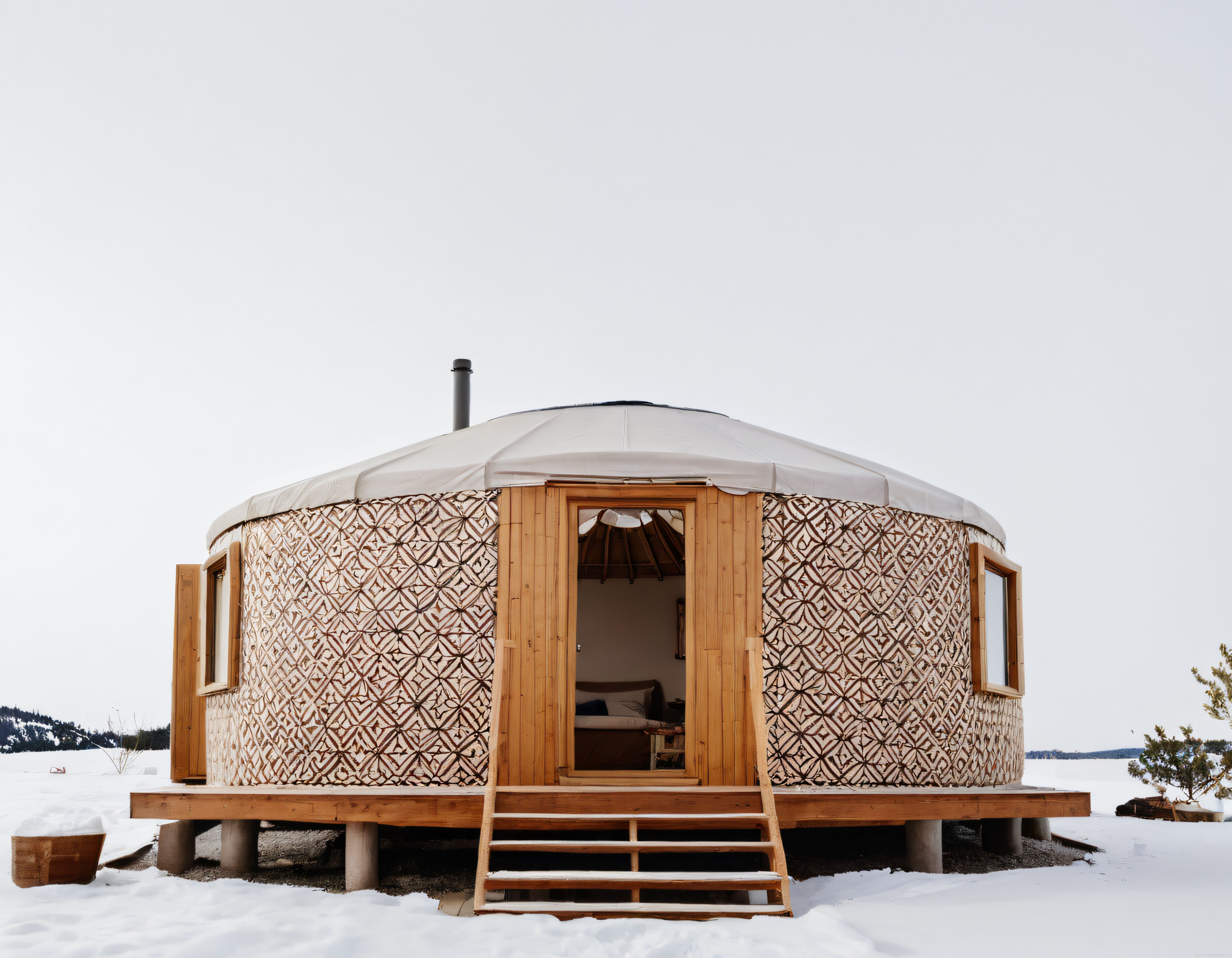
Çekim Tablosu
Belirtme (-i)yurdu
Yönelme (-e)yurda
Bulunma (-de)yurtta
Çıkma (-den)yurttan
Tamlayan (-in)yurdun
Çoğul (-ler)yurtlar
Tanım
•isim: Bir halkın hâkim olduğu, üzerinde yaşadığı, kültürünü oluşturduğu toprak parçası; el (III), il, dar (III), vatan
•memleket
•Bakıma ve barınmaya muhtaç bir grup insanın oturduğu, yetiştirildiği veya bakıldığı kurum
•Sahip olunan arazi; emlak
•Göçebe Türklerin oturduğu çadır
•Öğrencilerin kaldığı, barındığı yer
Diğer Dillerde
home, home town, homeland, native land · home; homeland; place where something originated or where it is deep-rooted
çekim: çoğul Heimaten · tamlayan Heimaten
eş: Elternhaus, Elternland, Geburtsland, Geburtsstätte, Heim, Heimatland
köken: First attested in the 11th century. From Middle High German heimuote, heimüete, from Old High German heimōti, heimuoti, from Proto-West Germanic *haimōdī (“homeland”). Compare Bavarian Hoamat, Silesian East Central German Heemte.
aile: beheimaten, beheimatet, Beheimatung, Heimatabend, Heimatadresse, Heimatanschrift, Heimatarmee, heimatberechtigt, Heimatberechtigter, Heimatberechtigung
Darauf floh er ins Ausland. — Yurtdışına kaçtı.
Ich habe meine Heimat Türkei vor zwei Jahren verlassen.
1918, Elisabeth von Heyking, Die Orgelpfeifen, in: Zwei Erzählungen, Phillipp Reclam jun. Verlag, page 13–14
Doch für uns gibt es kein Klagen, / ewig kann nicht Winter sein, / einmal werden wir froh sagen: / Heimat du bist wieder mein.
dormitory
çekim: çoğul dortoirs
eş: chambrée
köken: Inherited from Old French dortour, from Latin dormītōrium (“dormitory”). Doublet of dormitoire, a borrowing.
Il fuit à l'étranger. — Yurtdışına kaçtı.
home, homewards, back home, to home, to the house
Siembra (12). — Yeşilyurt - (12.)
İtalyancacampagna, casa, centrare, di campagna, dimora, focolare (dişil) /kamˈpaɲ.ɲa/
rural area: country, countryside · cultivated land: farmland, land · campaign
çekim: çoğul campagne
eş: campo, contado, coltivazione, coltivazioni, colture, fondo
köken: From Late Latin campānia (whence also Spanish campaña, Portuguese and Occitan campanha, French champagne), from campāneus, based on Latin campus (“level field”). Doublet of champagne, borrowed from French.
Izaba: altro luogo di Sabba. — Sabahattin Eryurt, (d.
Rusça(женское имя), жилище, родина (nötr) /ʐɨˈlʲiɕːe/
dwelling, lodging, lodgings
çekim: çoğul жили́ща · tamlayan жили́ща
eş: дом, обиталище, жильё, жилплощадь, резиденция
köken: Borrowed from Old Church Slavonic жилище (žilište). By surface analysis, жить (žitʹ, “to live, to reside”) + -ли́ще (-líšče)
Скрылся за рубежом. — Yurtdışına kaçtı.
plural of بَلَد (balad)
çekim: çoğul بِلَاد
الساعة القديمة 1933. — Özyurt, 1933.
Farsçaحاشیه نشین, حُوْمِهٔ شَهْر, خانه, در منزل, دِیار, روسْتا /xaː.ˈna/
house
çekim: çoğul خانهها
köken: Etymology tree Proto-Indo-European *h₂wes- Proto-Indo-Iranian *Hwas- Proto-Iranian *Hwah- Proto-Iranian *wāhana Old Persian *vahanam Middle Persian 𐭡𐭩𐭲𐭠 (bytʾ /xānag/) Persian خانه Inherited from Middle Persian 𐭡𐭩𐭲𐭠 (bytʾ /xānag/), from Old Persian *vahanam (“house”), from Proto-Iranian *wāhana (“habitation”), from *Hwah-, from Proto-Indo-Iranian *Hwas-, from Proto-Indo-European *h₂wes-.…
aile: آشپزخانه, جندهخانه, خانه داماد, خانهدار, خمخانه, داروخانه, دیوانخانه, رصدخانه, زورخانه, سربازخانه
state, government · state, public (carried out or funded by the state on behalf of the community) · wealth, richness
çekim: çoğul dövlətlər · tamlayan dövlətin
köken: From Arabic دَوْلَة (dawla).
aile: dövlət katibi, dövlətçilik, dövləti, dövlətləndirmək, dövlətlənmək, dövlətlilik, dövlətli, dövlətmənd, dövlətpərəstlik, dövlətpərəst
dövlət başçısı
dövlət səviyyəsində
dövlət büdcəsi
Kazakçaел, мемлекет, үй /el/
people, mass · population · nation, country
çekim: çoğul елдер · tamlayan елдің
köken: Inherited from Kipchak [Term?], from Proto-Common Turkic *ēl, from Proto-Turkic *ēl. Cognate with Turkish el and il, etc.
дамыған елдер
дамушы елдер
неғұрлым аз дамыған елдер
country
çekim: çoğul mamlakatlar · tamlayan mamlakatning
köken: Borrowed from Arabic مَمْلَكَة (mamlaka).
wealth, riches. · state.
köken: From Classical Persian دَوْلَت (dawlat), from Arabic دَوْلَةٌ f (dawlatun).
house, home · yard
çekim: çoğul hemen
eş: heim, hiem
köken: From Middle Dutch hêem, from Old Dutch hēm, from Proto-West Germanic *haim, from Proto-Germanic *haimaz.
Hij ging naar het buitenland. — O yurtdışına gitti.
home; at home (in one’s home)
Novamente foi retornou ao Nacional. — Tekrar yurt dışına gitti.
Yunancaαγροτικός, άσυλο, γενέτειρα, εξοχικός, επαρχία, επαρχιώτικος /aɣɾotiˈkos/
agrarian · relating to a farm or farmer · rural, relating to the countryside
köken: From Byzantine Greek ἀγροτικός (agrotikós, “rustic, rural”). By surface analysis, αγρός (agrós, “field”) + -τικός (-tikós).
aile: αγροτικός γιατρός, αγροτικός συνεταιρισμός
Κατέφυγε εκ νέου στο εξωτερικό. — Tekrar yurt dışına gitti.
your home · geek
köken: Compound of 御 (o-, honorific prefix, kun'yomi) + 宅 (taku, “home”, on'yomi).
国外に逃亡する。 — Yurtdışına kaçtı.
to be at home · to be at one's workplace, not on a business trip · to lead a secular life
zıt: 出家
aile: 在家千日好,出門一時難 / 在家千日好,出门一时难, 在家工作, 在家靠父母,出外靠朋友
你在家呀,難得啊。
你在家呀,难得啊。
他果然沒在家。
one's hometown or birthplace · the ancestral home of one's family
eş: 고리, 고산
köken: Sino-Korean word from 故鄕, from 故 (“old, of the past”) + 鄕 (“village, hometown”).
aile: 고향집
İsveççebarndomshem, boning, hem, hemåt, hemkatalog, hemland /ˈbuːˌnɪŋ/
an abode, a dwelling
çekim: çoğul boningar · tamlayan bonings
Vad sökte han i utlandet? — Yurtdışına kaçtı.
Välkommen till min enkla boning!
Lehçedo domu, dom, dom rodzinny, kraj, macierz, ojczyzna (eril) /ˈdɔm/
house (building for living) · home (place where one resides) · house, household; family (people within a home)
çekim: çoğul domy · tamlayan domu
eş: gw. (Śląsk Cieszyński) dóm, mieszkanie, dach nad głową, własny kąt, ognisko domowe, gniazdo rodzinne
köken: Etymology tree Proto-Indo-European *dem- Proto-Indo-European *-s Proto-Indo-European *dṓm Proto-Balto-Slavic *damús Proto-Slavic *dȍmъ Old Polish dom Polish dom Inherited from Old Polish dom.
aile: bezdomny, bogaty z domu, domorosły, domowy, z dobrego domu, z domu, bezdomna, bezdomność, Biały Dom, dom akademicki
Zbiegł za granicę. — Yurtdışına kaçtı.
dom aukcyjny
Idę do domu.
Ukraynacaбатьківщи́на, ба́тьківщина, вдо́ма, дім, додо́му, домівка /dʲim/
house, home · building
çekim: çoğul доми́ · tamlayan до́му
köken: Inherited from Old Ruthenian домъ (dom), from Old East Slavic домъ (domŭ), from Proto-Slavic *dȍmъ.
Казах за національністю. — Yurtsever ruhluydu.
shelter, refuge
çekim: çoğul आश्रयों
köken: Borrowed from Sanskrit आश्रय (āśraya).
उन्हें पड़ोसी के घर में आश्रय लेना पड़ा।
Finceelinpaikka, hakeutua, hima, kantri, koti, kotihakemisto /ˈelinˌpɑi̯kːɑ/
habitat
çekim: çoğul elinpaikat · tamlayan elinpaikan
köken: elin- + paikka
Kotimaisten kielten turkimuskeskus. — Türk dilinin yurtları.
at home
köken: Inherited from Old Czech doma (“at home”), from Proto-Slavic *doma (“in house”). By surface analysis, from dům (“house”) (possibly some archaic locative case or an adverbal suffix, maybe similarly to včera).
aile: všude dobře, doma nejlíp
Roku 1980 emigroval do zahraničí. — 1980’de yurtdışına çıktı.
at home (as a location) · to home (as a destination)
köken: Univerbation of a + casă. Alternatively, from Latin ad casam.
N-a fugit din țară. — Yurtdışına kaçtı.
plecat de acasă
Vrei să vii cu mine sau vrei să stai acasă?
Macarcahaza, itthon, kezdőkönyvtár, ország, otthon, szülőföld /ˈhɒzɒ/
home, homeward (to one’s place of residence or one’s customary or official location)
çekim: çoğul hazák
köken: The adverb sense is a lexicalization of an earlier haz form of ház (“house”) + -á (archaic lative suffix, here in a shortened form). The noun sense is derived from the adverb.
aile: hazafelé, idehaza
Külföldre költözött. — Yurtdışına kaçtı.
Megyek haza.
Home, homeward, to one's home.
köken: הַבַּיִת (habáyit, “the house, the home”) + ־ָה (-a, “to”)
אני בדרך הביתה.
באיזו שעה הגעת הביתה?
Latinceaedes, aedificium, agrestis, domi, domicilium, domum (dişil) /ˈae̯.deːs/
alternative form of aedis: temple, shrine, tomb, room, sing.: dwelling (of gods), pl.: house, abode (for people)
çekim: çoğul aedēs · tamlayan aedis
Dancahjem, hjemad, hjemland, hjemme, sigte ind på /ˈjɛmˀ/
home
çekim: çoğul hjemmene · tamlayan hjems
köken: From Old Danish hēm, hiem, from Old Norse heimr, from Proto-Germanic *haimaz, cognate with Swedish hem, English home, German Heim, Ancient Greek κώμη (kṓmē).
aile: hjemkalde, arbejderhjem, barndomshjem, blindehjem, dukkehjem, ens andet hjem, fritidshjem, gå fra hus og hjem, hjemby, hjemegn
Han tog imidlertid straks efter udenlands igen. — Tekrar yurt dışına gitti.
Etimoloji
(Bu girdinin köken kısmı şimdilik eksiktir. Lütfen eklenmesine yardımcı olun ve sonrasında {{kökenisteniyor}} şablonunu kaldırın.)
Eş & Zıt Anlamlılar
Örnek Cümleler
Yurt dışına gittim.
I went aboard.
O yurtdışına gitti.
He went abroad.
O, yurtdışına gitti.
She has gone abroad.
Yurt dışından döndüm.
I returned from abroad.
O yurt dışında yaşıyor.
She is living abroad.
Dün yurt dışından döndü.
He returned from abroad yesterday.
Yurtdışı hizmeti burada.
Overseas service here.
Yurtdışında bulundun mu?
Have you been abroad?
Haber yurtdışına yayıldı.
The news spread abroad.
Tatilde yurt dışındaydım.
I was abroad on vacation.
O hiç yurt dışına gitmedi.
He has never been abroad.
Amcan hâlâ yurt dışında mı?
Is your uncle still abroad?
İlgili Sorular
Yeni aldığım SAT puanını merak ediyorum, sistem hakkında fazla bilgim yok. Uzun bir süredir yurt dışında yaşıyorum ve ABD'ye dönerek üniversiteye gitmek istiyorum. Hangi puan aralığı kabul edilebilir? 1410 puan yeterli sayılır mı? İngilizce olmayan bir ortamda okudum, üniversite kabul birimleri bu puanı tanır mı?
Okul kulübümüz yurt dışından bir yetim çocuğa yardım etmeye çalışıyor. Hangi ülkeyi önerirsiniz?
ABD pasaportu geçerliliği açısından, bir ABD vatandaşının yurt dışındaki kalış süresi en fazla ne kadar olmalı?
Yatırım amaçlı gayrimenkul alırken birim daire mi yoksa müstakil ev mi tercih edilmeli? Birim dairelerin kira geliri ve mortgage farkı daha az olduğu için daha çekici görünüyor, fakat değer artışı daha düşük olabilir. Düşük birikimimiz var ve nereden başlamamız gerektiği konusunda görüşlerinizi merak ediyoruz. Şu anda yurt dışında yaşıyoruz, bu yüzden kendimiz oturmak için bir şey satın alamıyoruz.
Dell bilgisayarımda büyük problemler var ve Texas'taki destek birimine doğrudan bağlanmak istiyorum. Otomatik yanıtlar ve yurt dışı temsilcileriyle iletişim kurmak imkansız. Ne yapmalıyım?
İlgili / Bileşik Terimler
Genelnationwide