Sözlük
/tuylü
tuylü
/tyj.ly/
adj
C1 seviye
TR → EN
"tuylü" kelimesinin İngilizcesi: pilose, hairy, fur, pennate, piliferous. Anlamı, çevirisi, telaffuzu ve örnek cümleler aşağıdadır.
Çeviri
Genelpiloseadj
Genelhairyadj
Genelfur
Genelpennate
Genelpiliferous
Genelplumy
Genelrough
Genelhirsute
Genelnappy
Genelfluffy
Genelfluffy
Genelfluffy
Görsel
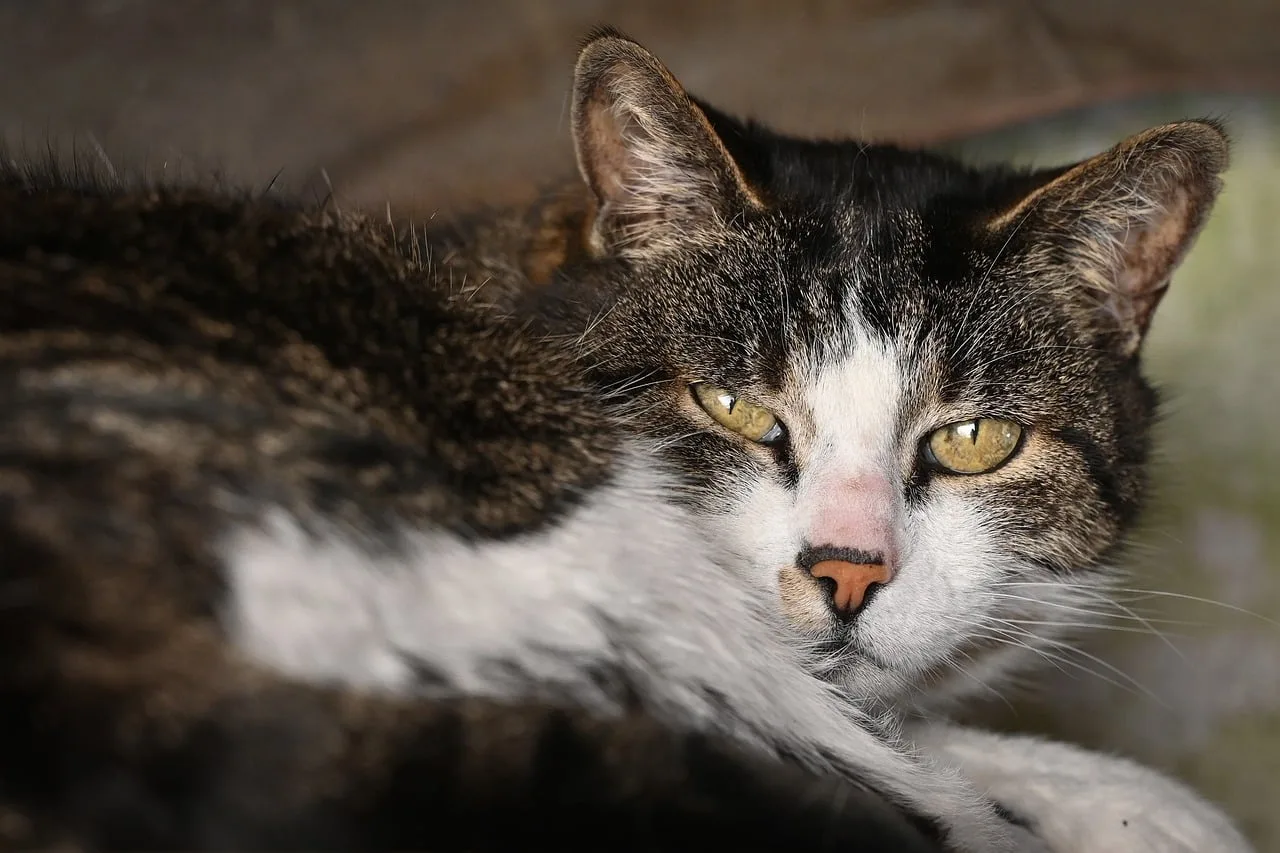
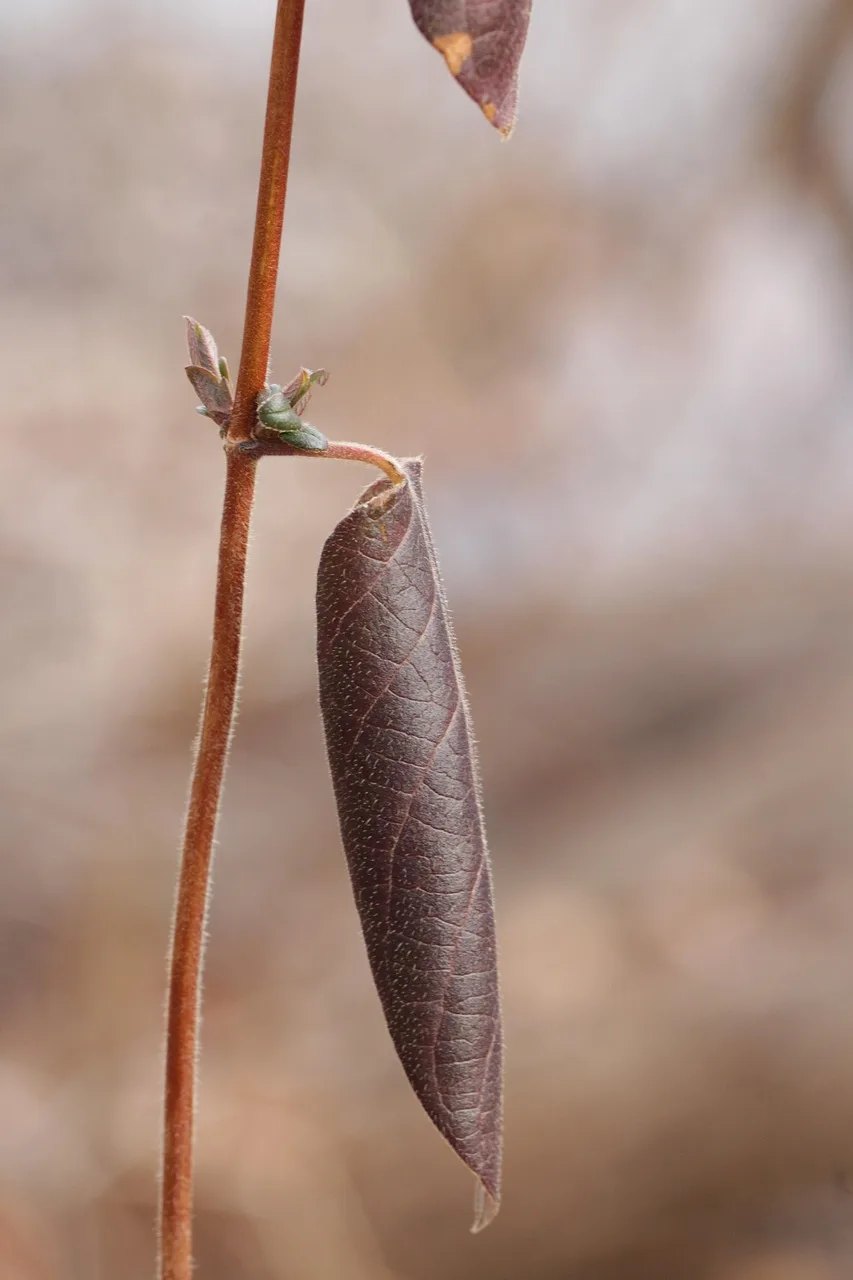
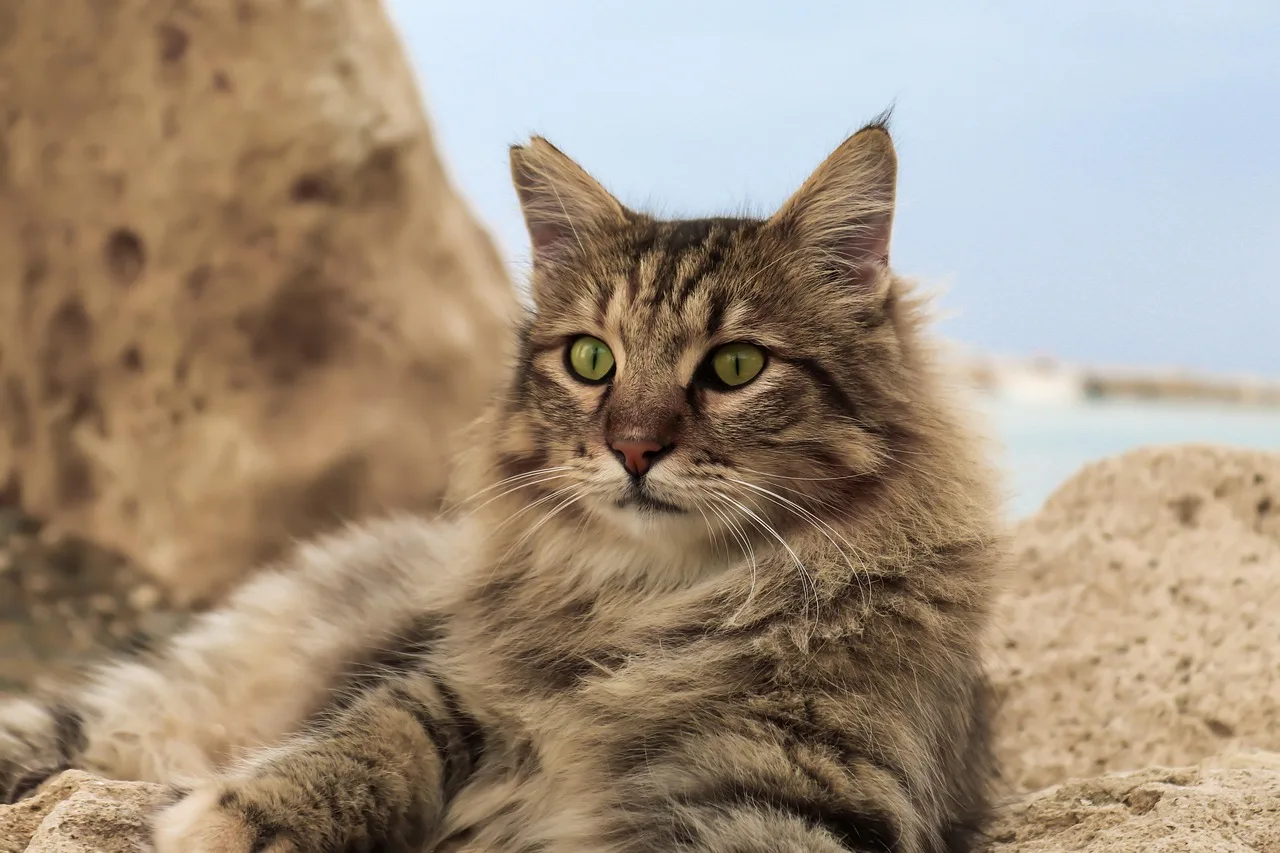
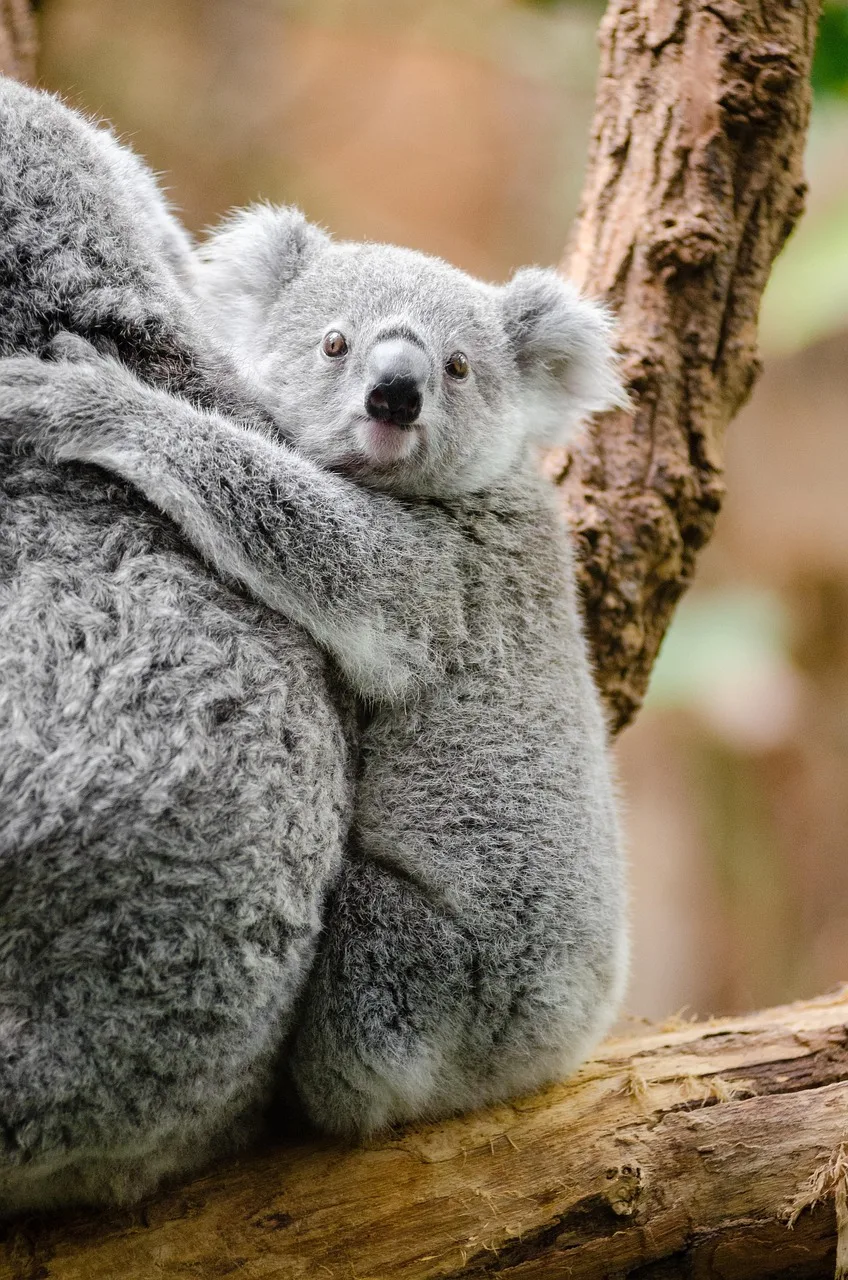
Çekim Tablosu
Çoğul (-ler)tüylüler
Tanım
•tüyü olan
•uzun tüyleri olan kilim
•Uzun tüyleri olan kilim
•Tüyü olan
Diğer Dillerde
hair
çekim: çoğul Behaarungen · tamlayan Behaarungen
eş: Fell
köken: behaaren + -ung
aile: Schambehaarung
Schwarze Halsbinde. — Siyah tüylüdür.
Fransızcaagité, approximatif, brouillon, brut, brutal, difficile /a.ʒi.te/
past participle of agiter
Queue noire. — Siyah tüylüdür.
İspanyolcaaproximado, aproximativo, áspero, casi, cerdoso, complicado /apɾoɡsiˈmado/
approximate
köken: From aproximar.
aile: aproximadamente
Zorra Rabo Pelado. — Kafkas tüylü huşu.
past participle of approssimare
aile: approssimatamente
Penna nera. — Siyah tüylüdür.
hard, stiff, tough, rigid
çekim: karşılaştırma (по)жёстче
eş: твёрдый, неподатливый, прочный, суровый, грубый
köken: Inherited from Old East Slavic жестъкъ (žestŭkŭ), from Proto-Slavic *žestъkъ. Cognate to Old Church Slavonic жестъ (žestŭ, “hard”), жестѣти (žestěti, “to harden”). Also related to жесто́кий (žestókij, “cruel”).
aile: жёстко, жёсткость, жесткова́тый, ужесточа́ть, ожесточа́ть
Эта собака косматая. — Bu köpek tüylü.
Arapçaثَوْبٌ مُفَرًّى, خَشِن, فَرْو, فَرَّى, مِعْطَف
انظر الى ثعلب الماء — Mesela deniz samuru tüylüdür.
Azericexəz /xæz/
the hairy coat of various mammal species, especially when fine, soft and thick. · the hairy skin of an animal processed into clothing for humans.
çekim: çoğul xəzlər · tamlayan xəzin
köken: From Persian خز.
aile: xəzlik
wool; fur; feather
çekim: çoğul жүндер · tamlayan жүннің
köken: From Proto-Turkic *yuŋ.
aile: жүндес
met veel verschillende felle kleuren
çekim: karşılaştırma bonter · üstünlük bontst
köken: From Middle Dutch bont, probably from Latin punctus (“striped”) (thus a doublet of punt); compare German bunt. The noun is derived from the adjective: originally the noun referred to furs of variegated color.
aile: beverbont, bonten, bonthandel, bontjas, bontkraag, bontmantel, bontmuts, eekhoornbont, hermelijnbont, imitatiebont
Zwarte slede. — Siyah tüylüdür.
Portekizceforrar, grosseiro, pelagem, pele /foˈʁa(ʁ)/
to line, to insert a lining · to cover, to put a cover on · to carpet
çekim: geçmiş forrei · ortaç forrado · şimdiki forra
eş: aforrar
köken: From forro (“lining”) + -ar.
aile: forreta
Caixa Preta. — Siyah tüylüdür.
Yunancaγούνα (dişil) /ˈɣuna/
pelt, hide, fur (of an animal) · such fur used for clothing · any material or garment of similar structure
çekim: çoğul γούνες · tamlayan γούνας
köken: Inherited from Byzantine Greek γούνα (goúna), see there for more.
aile: γουνάκι, γουναράς, γουνεμπόριο, γούνινος, γουνίτσα, γουνοποιία
Πρόκειται για ένα βρώμικο θηρίο . — Tüylü bir yaratıktır.
γούνα λύκου
συνθετική γούνα
fur, pelt · the 皮 radical (portion of a kanji character)
köken: Compound of 毛 (ke, “fur, body hair”) + 皮 (kawa, “skin, pelt”). The kawa changes to gawa as an instance of rendaku (連濁). First cited to a work from 1690, but possibly older, considering the mid-1200s appearance of Chinese-derived homograph 毛皮 (mōhi). This kegawa reading appears to have mostly superseded the mōhi reading.
めーめ 単なる羊。 — “Hmm… tüylü koyunlar?”
毛皮の商品
to be rough or coarse in texture · to be rough or coarse in manner · to be wild or desolate
köken: First attested in the Worin seokbo (月印釋譜 / 월인석보), 1459. as Middle Korean 거츨다 (kechulta), from reconstructed Old Korean *kechil- (*kechil-), hypothesized on the evidence of proper noun alternation in the twelfth-century history Samguk sagi where the phonogramic sequence 居柒 (*kɨʌ t͡sʰiɪt̚) alternates with the logogram 萊 (“uncultivated”) in the names of places and individuals.
해달을 보세요. — Mesela deniz samuru tüylüdür.
그녀는 거친 운동을 싫어해요.
uneven · odd (not divisible by two)
çekim: karşılaştırma ojämnare · üstünlük ojämnast
köken: From Old Swedish ōiæmn. Equivalent to o- + jämn
aile: ojämnhet
Dessa arter är 4–6 mm långa. — Tomurcuklar 4–6 mm uzunluğunda tüylüdür.
Lehçechropowaty, futro, sierść, szorstki, zgrubny /xrɔ.pɔˈva.tɘ/
rough, coarse, rugged · hoarse, harsh (of sound) · rough, imperfect
çekim: karşılaştırma bardziej chropowaty · üstünlük najbardziej chropowaty
eş: szorstki, chropawy, niegładki, nierówny, wyboisty, żwirowy
zıt: gładki
köken: Etymology tree Polish chropawy Polish -owy Polish -aty Polish -owaty Polish chropowaty From chropawy + -owaty.
Szczepan Dąbrowski pseud. — Kafkas tüylü huşu.
Ukraynacaгру́бий, хутро́, ху́тро, шорстки́й
Невеликий пухнастий собака. — Bol tüylü bir köpektir.
unchiseled, rough (unrefined from its original form)
köken: From अन- (an-, “un-”) + गढ़ना (gaṛhnā, “to chisel”) + -∅.
अनगढ़ पत्थर
Finceaallokkoinen, alustava, hahmotella, karhea, karheikko, karkea /ˈɑːlːokːoi̯nen/
turbulent, rough, swelling (like that of waves)
çekim: karşılaştırma aallokkoisempi · üstünlük aallokkoisin
köken: aallokko + -inen
Olet valehteleva koira. — Bol tüylü bir köpektir.
Çekçebouřlivý, hrubý, kožešina, neomalený, nepříjemný, raf (vyšší tráva kolem fairwaye) /ˈbou̯r̝lɪviː/
stormy, turbulent
çekim: karşılaştırma bouřlivější · üstünlük nejbouřlivější
köken: From bouře + -livý.
Letorosty jsou v mládí chlupaté. — Sürgünler gençken tüylüdür.
rough, coarse · severe, harsh · rugged
köken: Inherited from Latin asperum, singular accusative of asper (“rough”), from Proto-Indo-European *h₂esp- (“to cut”).
aile: asprime
Capul mic și îndesat. — Başları küçük ve tüylüdür.
Macarcabunda, durva, egyenetlen, érdes, faragatlan, hozzávetőleges /ˈbundɒ/
fur (hairy coat of a mammal) · fur coat (coat made out of fur) · match fixing, fix, spot-fixing, rig (bribery or other illegal practices of influencing the outcome)
çekim: çoğul bundák
köken: First attested in 1723. Of uncertain origin. Perhaps from the Old Hungarian dialectal adjective bonta (“black-and-white striped or spotted”), itself of German origin.
aile: bundájú, bundás, megbundáz, bundázik, bundabélés, bundabugyi, bundacipő, bundagallér, bundameccs, bundanadrág
A fiatal hajtások hamvasak. — Genç sürgünler tüylüdür.
İbraniceפַּרְוָה, פרווה
pareve
köken: From Yiddish פּאַרעוו (parev).
הוא יצור לילי. — Tüylü bir yaratıktır.
Latinceasper, difficilis, impolītus, rudis, turbulentus /ˈas.pɛr/
rough, uneven, coarse · unrefined, rude · sharp, newly minted
çekim: karşılaştırma asperior · üstünlük asperrimus
köken: Probably from a Proto-Indo-European *h₂esp- (“to cut”), also present in Ancient Greek ἀσπίς (aspís, “shield”) and Hittite [script needed] (ḫasp-, “to cut down”).
aile: asperē, asperitās, asperiter, asperitūdō, asperō, asperūgō, perasper, subasper
odia aspera
Dancapels /pɛls/
A fur, coat · A fur coat.
çekim: çoğul pelse · tamlayan pels'
köken: From late Old Norse pilz, via Middle Low German pels, from Medieval Latin pellicea, from Latin pellis (“skin”).
Sorte huller. — Siyah tüylüdür.
Norveççepelsverk, urolig
Germansk lydforskyvning Høytysk lydforskyvning — Alman Telsi Tüylü Puanteri Irk Bilgisi
body hair · feather
çekim: çoğul bulu-bulu
köken: Inherited from Malay bulu, from Proto-Malayic *bulu, from Proto-Malayo-Polynesian *bulu.
aile: berbulu, membului, pembuluan, bulu akar, bulu ayam, bulu babi, bulu balik, bulu bumbu, bulu cambuk, bulu dada
Yatim piatu saat masih muda. — Sürgünler gençken tüylüdür.
Etimoloji
Türkçe
Örnek Cümleler
"Tüylü Yılan".
"Feathered Serpent".
Bu köpek tüylü.
This dog is shaggy.
Siyah tüylüdür.
Plume Noire.
O, büyük ve tüylüydü.
He was big and shaggy.
“Hmm… tüylü koyunlar?”
"Melica schafkatii".
Bol tüylü bir köpektir.
She's a very spoiled dog.
Yeni sürgünler tüylüdür.
The newest councillors are Cllr.
Onun tüylü bir göğsü var.
He has a hairy chest.
Genç yapraklar tüylü olur.
The young branches are hairy.
Tom'un tüylü bir sırtı var.
Tom has a hairy back.
Sürgünler gençken tüylüdür.
The shoots are downy when young.
Kafasında tüylü bir taç taşır.
Upon his head was found a crown.
İlgili Sorular
İlgili / Bileşik Terimler
Genelbadminton
Genelbetula pubescens