rüzgâr
/ɾyzˈɟaɾ/
noun
B1 seviye
TR → EN
"rüzgâr" kelimesinin İngilizcesi: wind, wind, blow, heavy, breeze. Anlamı, çevirisi, telaffuzu ve örnek cümleler aşağıdadır.
Çeviri
Genelwindnoun
Genelwind
Genelblow
Genelheavy
Genelbreeze
Genelwind
Genelwind
Genelbreeze
Genelwind
Genelbreeze
Genelbreeze
Genelwind
Genelbreeze
Genelwind
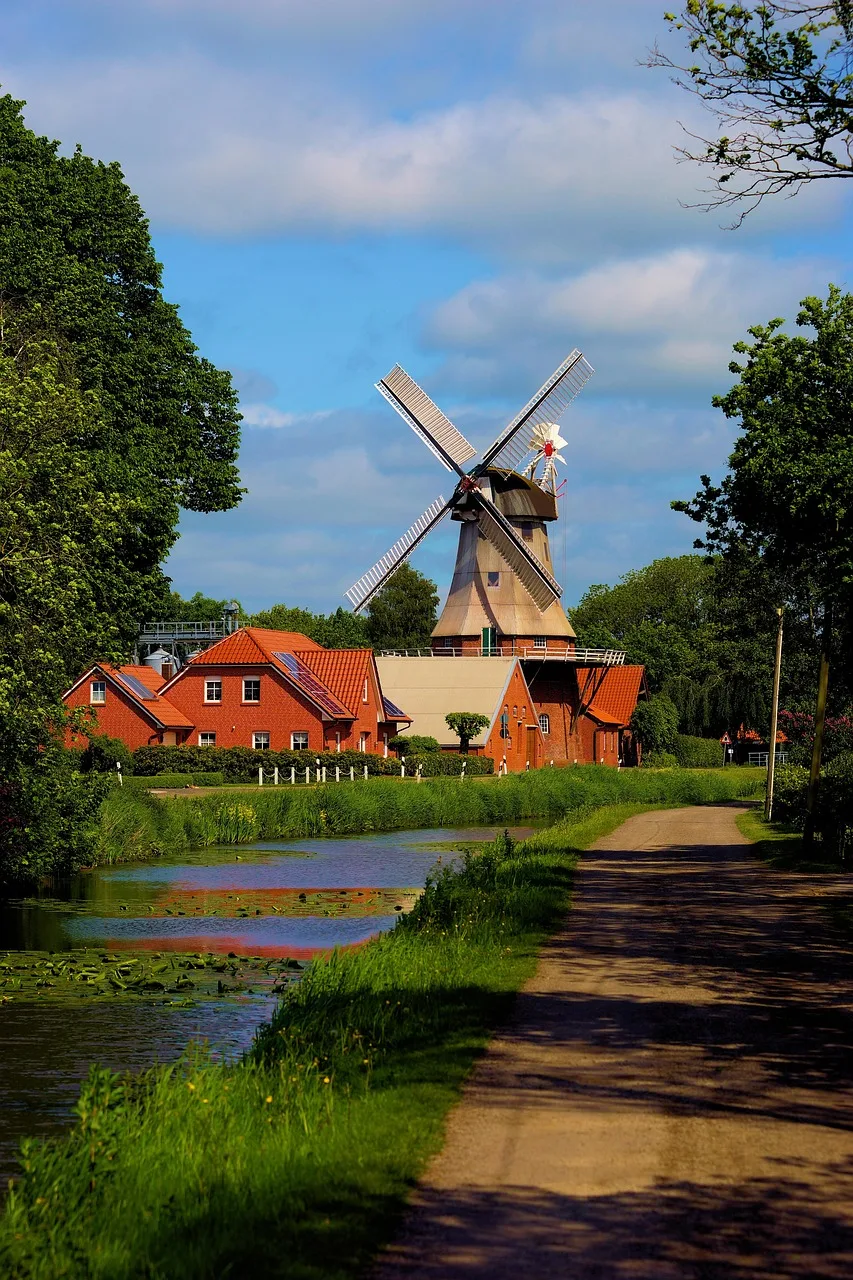
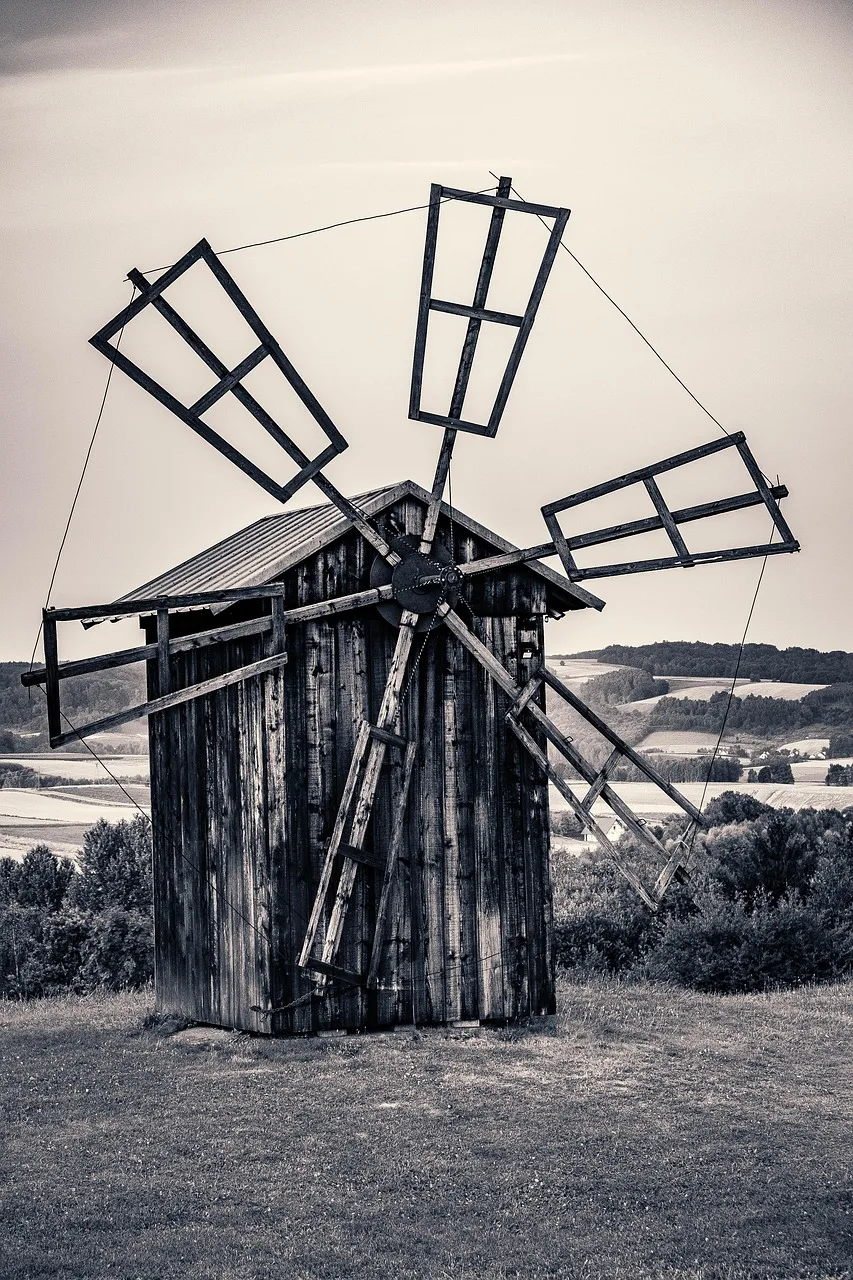
Görsel


Çekim Tablosu
Belirtme (-i)rüzgarı
Yönelme (-e)rüzgara
Bulunma (-de)rüzgarda
Çıkma (-den)rüzgardan
Tamlayan (-in)rüzgarın
Çoğul (-ler)rüzgarlar
Tanım
•Bir erkek adı.
•havanın yer değiştirmesiyle oluşan esinti, bad, yel
•rüzgâr kavramının yanlış kullanımı
•Zaman, devir, hengâm, vakit.
•Havanın yer değiştirmesinden oluşan esinti
Atasözü & Deyim
“Rüzgâr eken fırtına biçer”
“Her zaman gemicinin istediği rüzgâr esmez”
“Rüzgâr esemeyince yaprak oynamaz (dal kımıldamaz)”
“Rüzgâra (karşı) tüküren, kendi yüzüne tükürür”
“Rüzgârlı havanın kuytusu, yağmurlu havanın uykusu”
Diğer Dillerde
Almancaaufwickeln, aufziehen, blasen, Bö, Böe, explodieren /ˈaʊ̯fˌvɪkl̩n/
to coil, to wind · to unwrap, to unroll
çekim: geçmiş wickelte auf · ortaç aufgewickelt · şimdiki wickelt auf · ulaç aufwickelnd
eş: aufrollen, zusammenrollen, auswickeln, öffnen
köken: auf- + wickeln
Windgeschwindigkeit — Rüzgar hızı
Die Garnspule ist runtergefallen, jetzt musst du den Faden wieder aufwickeln.
ein Paket aufwickeln
wind · flatulence · empty words, hot air
çekim: çoğul vents
eş: ligne de rhumb
köken: Inherited from Middle French vent, from Old French vent, from Latin ventus, from Proto-Italic *wentos, ultimately from Proto-Indo-European *h₂wéh₁n̥ts < *h₂weh₁- (“to blow”).
aile: à tout vent, aller dans le sens du vent, avoir le vent en poupe, avoir vent, bon vent, comme le vent, contre vents et marées, dans le vent, du vent, en coup de vent
Direction du vent — Rüzgar yönü
moulin à vent
petite pluie abat grand vent
rose des vents
air (the substance constituting earth's atmosphere) · air (the open space above the ground) · air; wind
çekim: çoğul aires
köken: Etymology tree Proto-Indo-European *h₂ews- Proto-Indo-European *h₂ewsér Proto-Hellenic *auhḗr Ancient Greek ᾱ̓ήρ (āḗr)bor. Latin āēr Old Spanish ayre Spanish aire Inherited from Old Spanish aire, ayre, from Latin āēr, from Ancient Greek ἀήρ (aḗr).
aile: a su aire, acondicionador de aire, aire acondicionado, aire comprimido, aire de agua, aire de suficiencia, aire de taco, aire fresco, aire libre, aire nuevo
Velocidad del viento — Rüzgar Hızı
Se da un aire a tu padre
darse aires
Creo que tengo aire en la espalda lpm como necesito masajes 🙏
İtalyancavento (eril) /ˈvɛn.to/
wind (movement of air caused by differences in atmospheric pressure)
çekim: çoğul venti
eş: alito, aria, brezza, ciclone, corrente, folata
köken: Inherited from Latin ventus (“wind”), from Proto-Italic *wentos, ultimately from Proto-Indo-European *h₂wéh₁n̥ts, from *h₂weh₁- (“to blow”).
Direzione del vento — Rüzgar yönü
Rusçaветер (eril) /ˈvʲetʲɪr/
wind · the wind(s), flatus · the wind of change (usually in the phrase ве́тер переме́н (véter peremén))
çekim: çoğul ве́тры · tamlayan ве́тра
eş: дуновение, ветр
köken: Inherited from Proto-Slavic *větrъ. Cognates include English nirvana from Sanskrit निर्वाण (nirvāṇa, “blown or put out, extinguished”), and English weather, athlete, vent and wind.
aile: безве́трие, безве́тренный, наве́тренный, подве́тренный, ве́тренный, ве́тренно, ве́тренность, ве́треный, ве́трено, ве́треность
Направление ветра — Rüzgar yönü
Пусть тебе́ сни́тся ве́тер
plural of رِيح (rīḥ)
çekim: çoğul رِيَاح
سرعة الرياح — Rüzgar Hızı
wind · inflammation; swelling · windiness
köken: From Middle Persian wād, from Proto-Iranian *HwáHatah, from Proto-Indo-Iranian *HwáHatas, from Proto-Indo-European *h₂wéh₁n̥ts (“wind”).
aile: باد خورشیدی, باد زدن, باد ستارهای, باد کردن, بادپیما, بادگیر, به باد دادن, به باد رفتن, دیوانهباد, غمباد
باد شرق
باد تند
سرو در باد ارتعاش داشت.
to blow · to tremble, shake
çekim: geçmiş əsmiş · ortaç əsmiş · şimdiki əsir
köken: Ultimately from Proto-Turkic *ebi-s-. Cognate with Turkish esmek, Southern Altai эс- (es-), etc.
wind
çekim: çoğul желдер · tamlayan желдің
köken: From Proto-Turkic *yẹl (“wind”). Cognate with Turkish yel, Crimean Tatar yel Kumyk ел (yel), Southern Altai јел (ǰel), Azerbaijani yel, Turkish yel, Turkmen ýel, Uzbek yel, Khakas чил (çil), Shor чел, Western Yugur yïl, yil, yel, etc.
aile: желді
Özbekçeesmoq, shamol
wind
çekim: çoğul shamollar · tamlayan shamolning
köken: Borrowed from Arabic شَمَال (šamāl). Doublet of shimol (“north”).
aile: shamollamoq, shamollatmoq, shamollash, shamolli, shamolparrak, shamolsiz
Tatarcaҗил
wind, gale
çekim: çoğul җилләр · tamlayan җилнең
köken: From Proto-Turkic *yẹl. Cognate with Bashkir ел (yel) and Chuvash ҫил (śil).
Felemenkçewind (eril) /ʋɪnt/
wind (movement of air) · flatulence, fart
çekim: çoğul winden
eş: luchtstroom, buikwind, flatus, prot, ruft, scheet
köken: From Middle Dutch wint, from Old Dutch wint, from Proto-West Germanic *wind, from Proto-Germanic *windaz, ultimately from Proto-Indo-European *h₂wéh₁n̥ts (“blowing”), present participle of *h₂weh₁- (“to blow”).
aile: een uur in de wind stinken, in de wind slaan, landwind, tegenwind, valwind, windbuil, winderig, windhaan, windkracht, windmolen
Windrichting — Rüzgar yönü
De wind waait door de bomen.
Portekizceassoprar, dar corda a, desgraça, detonar, enrolar, estourar /a.soˈpɾa(ʁ)/
to blow
çekim: geçmiş assoprei · ortaç assoprado · şimdiki assopra
köken: From a- + soprar.
Velocidade do ar — Rüzgar hızı
Yunancaαέρας, αέριο, ανάσα, άνεμος, εκφύσημα, ελίσσομαι (eril) /aˈe.ɾas/
wind · demeanour, demeanor, air · goodwill (part of the value of a business)
çekim: çoğul αέρηδες · tamlayan αέρα
köken: From Ancient Greek ἀήρ (aḗr)
Ταχύτητα ανέμου — Rüzgar Hızı
gas, wind, a fart
köken: From 鳴(な)らす (narasu).
風向 — Rüzgar yönü
Çinceфын, 放屁, 風 /风, 風力 /风力 /fɑŋ⁵¹⁻⁵³ pʰi⁵¹/
to fart; to break wind · to talk rubbish or nonsense; to talk bullshit
eş: 排氣, 放臊, 打屁, 打屁, 屙屁, 屙屁
aile: 放屁坐墊, 放屁坐垫, 放屁墊, 放屁垫, 放屁蟲, 放屁虫, 神仙放屁——不同凡響 / 神仙放屁——不同凡响
不良風。 — Rüzgar dalgaları.
Korece바람 /pa̠ɾa̠m/
wind, air, draft · fad; vogue · fickleness
eş: 기대, 갈망, 소원, 희망, 바램
köken: First attested as Late Old Korean 孛䌫 (*pòlòm) in the Jīlín lèishì (鷄林類事 / 계림유사), 1103. In the Hangeul script, first attested as Middle Korean ᄇᆞᄅᆞᆷ (pòlòm) in the Seokbo sangjeol (釋譜詳節 / 석보상절), 9:33b, 1447. Orthographic evidence shows that the eighth-century Old Korean word for "wind" also ended in *-m, though its derivation is unclear; see the Middle Korean entry for more information.
aile: 남조선 바람, 바람에, 바람둥이, 바람막이, 샛바람, 노대바람, 큰센바람, 큰바람, 센바람, 된바람
에니메이션 속도 — Rüzgar hızı
공기의 움직임이 바람이다.
바람이 많이 분다.
바람에 지는 아련한 사랑.
a bleb, a bubble · a bladder, a vesica · a blister, a bulla
çekim: çoğul blåsor · tamlayan blåsas
köken: From Old Norse blása (“to blow”), from Proto-Germanic *blēsaną. Cognate with Elfdalian blåsa, Norwegian Nynorsk blåsa and Danish blæse
aile: blåshals, blåshalskörtel, blåskatarr, blåstång
Flyghastighet — Rüzgar hızı
Lehçecios, dąć, dmuchać, dmuchnąć, lizać pałę, nakręcić (eril) /ˈt͡ɕɔs/
hit, blow · blow, misfortune · large cut block of stone
çekim: çoğul ciosy · tamlayan ciosu
eş: uderzenie, walnięcie, reg. śl. szlag, poczpuła
köken: Etymology tree Proto-Indo-European *teḱ- Proto-Indo-European *tetḱ-der. Proto-Balto-Slavic *téśtei Proto-Slavic *tesati Proto-Slavic *-ъ Proto-Slavic *tesъ Polish cios Inherited from Proto-Slavic *tesъ.
Prędkość wiatru — Rüzgar hızı
Bokser zadał potężny cios.
Ukraynacaві́тер, ві́яти, дму́хати, ду́ти
Швидкість вітру — Rüzgar hızı
to reel, wind · to coil, twist
çekim: geçmiş अटेरता · şimdiki अटेरता है
Fincehäipyä, hengähdystauko, hengästyä, henkeä, henki, ilmavaivat /ˈhæi̯pyæˣ/
to disappear, vanish (visibly) (of something visible: to gradually get less visible or clear) · to fade out/away (audibly) (of a sound: to gradually get quieter) · to be forgotten, fade (of memories, etc.)
çekim: geçmiş häipynyt · şimdiki häipyy · ulaç häipyvä
köken: Fronted from haipua.
aile: häipyvä, häipyminen, häipymä, häive, häipätä, häivyttää, häivähtää
Tuulen nopeus — Rüzgar Hızı
Häivy!
Çekçevítr (eril) /ˈviːtr̩/
wind (movement of air)
çekim: çoğul větry · tamlayan větru
eş: vichr, fučák, van, prd, pšouk, plynatost
köken: Inherited from Old Czech vietr, from Proto-Slavic *větrъ, from Proto-Indo-European *h₂weh₁-.
aile: bezvětří, povětří, větérek, větráček, větrák, větrník, větroň, větroplach, větříček, větřík
Rychlost animace — Rüzgar hızı
sluneční vítr
hvězdný vítr
to receive a blowjob (fellatio) from, get head from
çekim: geçmiş dat muie · ortaç dat muie · şimdiki dă muie
köken: Roughly "to give it in the mouth".
Viteză animare — Rüzgar hızı
S. îi dă muie curvei, în timp ce eu privesc fascinat spre agoanele cu lumini aprinse în cușete.
Macarcabélgáz, csapás, csavar, fafúvósok, felfúvódás, felhúz /ˈt͡ʃɒpaːʃ/
stroke, blow, hit · disaster, calamity, misfortune, blow (of fortune) · track, trail (of animals)
çekim: çoğul csapások
köken: csap (“to strike”) + -ás
aile: légicsapás, villámcsapás
Légsebesség — Rüzgar hızı
To explode, to blow up, to detonate. · Often used figuratively.
çekim: geçmiş הִתְפּוֹצַצְתָּ
köken: From the root פ־צ־ץ (p-ts-ts).
מהירות הנפשה — Rüzgar hızı
התפוצצתי מצחוק.
to breathe, blow
çekim: ortaç flātus · şimdiki flat · ulaç flāns
köken: From Proto-Italic *flāō, from Proto-Indo-European *bʰleh₁- (“to blow”). Cognate with English blow and more distantly with Old Armenian բեղուն (bełun, “fertile”) (< *bʰel-).
aile: afflō, ciniflō, cōnflō, efflō, flābilis, flābrum, flāmen, *flātor, flātus, īnflō
Etimoloji
(Bu girdinin köken kısmı şimdilik eksiktir. Lütfen eklenmesine yardımcı olun ve sonrasında {{kökenisteniyor}} şablonunu kaldırın.)
Deyimler
dik rüzgâr
hâkim rüzgâr
kuvvetli rüzgâr
rüzgâr gibi
rüzgâr yükü
rüzgâr tutmamak
rüzgârdan nem kapmak
fırtınaya yakın rüzgâr
hafif rüzgâr
mutedil rüzgâr
Kelime Ailesi
meltem
rüzgârca
rüzgârcı
fırtına
rüzgârsız
rüzgârcık
rüzgârken
rüzgârlı
rüzgârgülü
rüzgârla
rüzgârölçer
rüzgârsa
Eş & Zıt Anlamlılar
Örnek Cümleler
Rüzgar hızı
Air speed
Rüzgar yönü
Wind direction
Rüzgâr alır.
CI Wind.
"Th" rüzgar.
"It's th' wind.
- Rüzgâr da!
- The wind!
Rüzgâr da...
The wind...
Rüzgar gülü.
The windmill.
Rüzgar Hızı:
Wind Speed:
Rüzgar düştü.
The wind has fallen.
Rüzgar dindi.
The wind has abated.
Rüzgar zayıf.
The wind is weak.
Rüzgar durdu.
The wind died.
İlgili Sorular
İlgili / Bileşik Terimler
Genelwindsurf
Genelwindsurfing
Genelwindsurf
Genelwindsurfing
Genelwindsock
Genelwindward
Genelwindward
Genelwind chimes
Genelwind farm
Genelsow wind reap whirlwind
Genelgone with wind
Genelwind power
Genelwind turbine
Genelwind turbine