Sözlük
/postdate
post
"post" kelimesinin İngilizcesi: fur, hide, pelt, fell, pelt. Anlamı, çevirisi, telaffuzu ve örnek cümleler aşağıdadır.
Çeviri
Dinfurnoun
Dinhidenoun
Dinpeltnoun
Genelfell
Genelpelt
Genelfur
Genelhide
Görsel


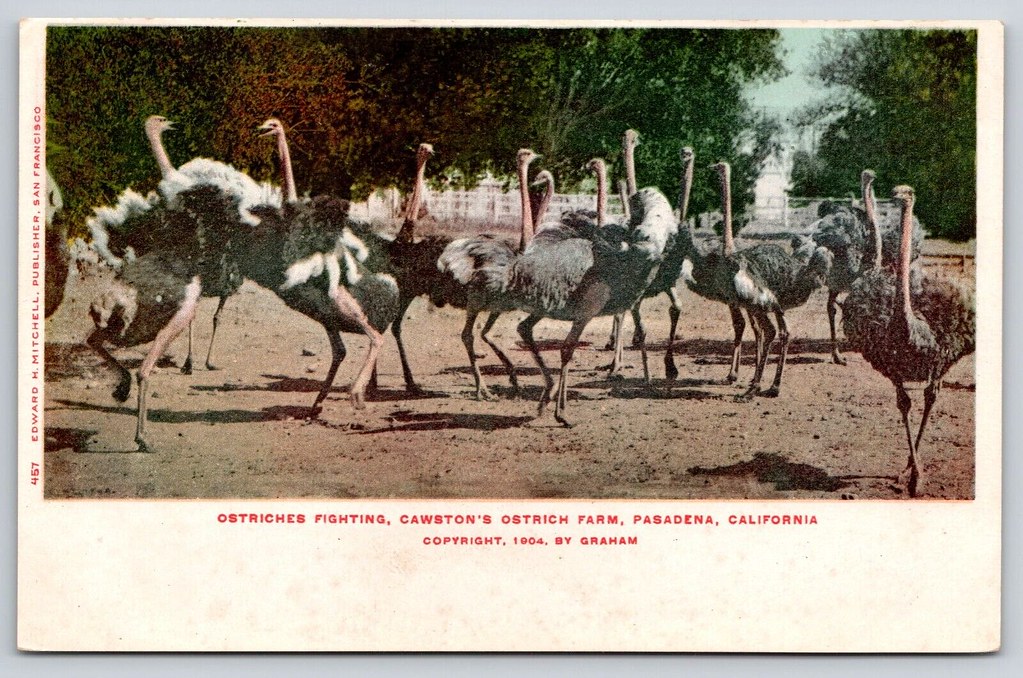
Çekim Tablosu
Belirtme (-i)postu
Yönelme (-e)posta
Bulunma (-de)postta
Çıkma (-den)posttan
Tamlayan (-in)postun
Çoğul (-ler)postlar
Tanım
•isim: Tüylü hayvan derisi
•eskimiş, mecaz: Tarikatlarda şeyhlik makamı
•mecaz: makam
•Bazı deyimlerde "can" anlamında kullanılan bir söz
Atasözü & Deyim
“Bir abam (postum) var atarım, nerede olsam yatarım”
“Güvenme (inanma) dostuna, saman doldurur postuna”
“Tilki tilkiliğini anlatıncaya kadar post elden gider”
“İki arslan bir posta sığmaz”
Diğer Dillerde
Almancafällen, Fell, Haut, Hochsitz, Leder, sich unsichtbar machen /ˈfɛlən/
to cut down, to chop down, to fell (a tree) · to precipitate · to make
çekim: geçmiş fällte · ortaç gefällt · şimdiki fällt · ulaç fällend
eş: Fällung, Roden
köken: From Middle High German vellen, Old High German fellen, from Proto-West Germanic *fallijan, from Proto-Germanic *fallijaną (“to make fall”). Cognate with English fell.
aile: Fäller, Fällung
Schicke es mit der Post. — Posta ile gönder.
FransızcaPeau, pelisse, cuir
Cyprus Mail. — Cibali Postası.
İspanyolcacortar, cuero, disimular, esconder, esconderse, escusar /koɾˈtaɾ/
to cut · to cut off, cut out, cut through, cut down, cut up, to nip · to chop, chop up, chop off
çekim: geçmiş corté · ortaç cortado · şimdiki corta
eş: dividir, atajar, interrumpir
köken: Inherited from Latin curtāre (“shorten”). Compare English curtail.
aile: cambio y corto, cortabolsas, cortacésped, cortacorriente, cortadura, cortafuegos, cortapisa, cortaplumas, cortar de raíz, cortar de tijera
Primeras letras. — İlk Posta
¡Córtala!, déjame tranquilo.
Corta el agua, por favor.
Deberías cortar con él.
İtalyancaabbattere, nascondere, nascondersi, pelle /abˈbat.te.re/
to throw down; to knock down; to bring down; to fell · to demolish; to destroy · to topple; to overthrow
çekim: geçmiş abbattùto · ortaç abbattùto · şimdiki abbàtte · ulaç abbattènte
eş: abolire, atterrare, buttare giù, buttare a terra, demolire, deporre
zıt: incoraggiare
köken: Inherited from Late Latin abbattere, from Latin battere.
aile: abbattersi, abbattitore, abbattitrice, abbattuto
Posta prioritaria — İlk Posta
abbattere l'albero
abbattere l'aereo
abbattere l'edificio trabbalante
Почтовая открытка — Posta tarihi
أمة بوست. — Ulusal Post.
Farsçaانداختن, به زمین زدن, پنهان کردن, جلد, چرم, نهفتن /ʔan.daːx.ˈtan/
to throw, to eject, to cast · to drop · to shoot, to fire
çekim: geçmiş انداخت · ortaç انداخته · şimdiki میاندازد · ulaç اندازنده
köken: From Middle Persian [Book Pahlavi needed] (hndʾhtn' /handāxtan/, “to plan, allot, reckon, judge”), from *ham- (“together, syn-”) + *tač- (“to reach for, attain”), the latter from Proto-Indo-European *tek- (“to stretch the hand, receive, reach”) and cognate with شاه (šâh, “king, shah”), as well as Old English þiċġan (“to receive, accept”) and Lithuanian tèkti (“to be granted”). See also اندازه…
aile: خاکانداز
آن را از پنجره بیرون انداختم.
از پنجره بیرون انداختمش.
کمترک انداز سگ را استخوان، ز آن که سگ چون سیر شد, سرکش شود
Azericedanmaq, dəri, gizləmək, gizlənmək, gizlətmək /dɑnˈmɑχ/
to deny · to renounce · not to admit or not to stand behind (what one has said or done)
çekim: geçmiş danmış · ortaç danmış · şimdiki danır
köken: From Proto-Turkic *tan-. Cognate with Chuvash тун (tun).
aile: danılmaz, danılmaq, danlaq
Bunu daha danmaq mümkün deyil.
dinini danmaq
sözünü danmaq
Kazakçaтері
skin · leather
çekim: çoğul терілер · tamlayan терінің
köken: From Proto-Turkic *tẹri (“skin”).
Özbekçecharm, teri, yashirmoq
skin · leather
çekim: çoğul terilar · tamlayan terining
köken: From Proto-Turkic *tẹri (“skin”).
skin, leather
köken: From Proto-Turkic *kȫn. Cognate to Bashkir көн (kön, “marked skin”), etc.
skin · hide · the hull of a ship or aircraft
çekim: çoğul huiden
eş: vel
köken: From Middle Dutch huut, from Old Dutch hūd, from Proto-West Germanic *hūdi, from Proto-Germanic *hūdiz.
aile: de huid vol schelden, dierenhuid, dikhuid, dikhuidig, huidaandoening, huidcel, huidgang, huidhonger, huidinfectie, huidkanker
Briefkaarten zijn poststukken. — Postları yerine dizer.
Portekizceabater, couro, derrubar, esconder-se, pele /a.baˈte(ʁ)/
to collapse · to topple · to slaughter
çekim: geçmiş abati · ortaç abatido · şimdiki abate
eş: combalir
köken: From Old Galician-Portuguese abater, from Late Latin abbattere, from Latin battere. Compare Galician abater, Spanish abatir.
aile: abate, abatedor, abatedouro, abatimento, abatível
O código postal é 2131. — Posta kodu 1130'dur.
Yunancaδέρμα, κρύβομαι, κρύβω (nötr) /ˈðɛɾma/
skin (of human or animal) · leather
çekim: çoğul δέρματα · tamlayan δέρματος
köken: From Ancient Greek δέρμα (dérma, “skin”), from δέρω (dérō, “to flay”).
aile: αιγόδερμα, γιδόδερμα, δερμάτινος, επιδερμίδα
to choose, to single out · to tell (right from wrong / truth from falsehood), to distinguish (the good from the bad)
çekim: geçmiş 가렸다
eş: 덮다, 막다, 고르다, 구분하다
köken: First attested in the Yongbi eocheon'ga (龍飛御天歌 / 용비어천가), 1447, as Middle Korean ᄀᆞᆯᄒᆡ〮다〮 (Yale: kòlhóy-tá).
옳고 그름을 가리다
to conceal, to hide; to put out of sight or to keep secret
çekim: geçmiş dolde · ortaç dold · ulaç döljande
köken: From Old Swedish dylia (“to deny an accusation”). Compare Icelandic dylja, Middle English diȝel.
Vykort. — Posta ile.
Lehçechować, chować się, schować, schować się, skóra, skryć /ˈxɔ.vat͡ɕ/
to hide, to stash, to tuck, to put away; to bury (to put something in an non-visible or safe place) · to hide, to stash, to conceal; to keep; to bury (to keep something out of sight or safe) · to hide, to stash, to conceal; to bury (to place someone or something in a place where it is hidden)
çekim: geçmiş chowano · şimdiki chowa
eş: ukrywać, zatajać, kitrać, wychowywać, hodować
zıt: wysadzać, dorównywać
köken: Etymology tree Proto-Indo-European *(s)kewh₁-der. Proto-Slavic *xovati Old Polish chować Polish chować Inherited from Old Polish chować.
aile: chowaniec, chowany, chów, chować ambicję do kieszeni, schować ambicję do kieszeni, chować dudy w miech, schować dudy w miech, chować głowę w piasek, schować głowę w piasek, chować pod korcem
Świat dawnej karty pocztowej. — Ege Postası Gazetesi.
chować ciasto do lodówki
chować zapałki przed dziećmi
Marek chował twarz w dłoniach.
Текст оповідання — Posta tarihi
skin · hide · leather
çekim: çoğul चर्मों
köken: Borrowed from Sanskrit चर्मन् (cárman).
feisty; mischievous; bantam
çekim: karşılaştırma ärhäkämpi · üstünlük ärhäkin
köken: ärheä + -äkkä
aile: ärhäkkyys, ärhäkästi
Mainontapäivä — Posta tarihi
Çekçekácet, kůže, schovat, schovat se, schovávat, schovávat se /ˈkaːt͡sɛt/
fell
çekim: geçmiş kácela · ortaç kácela · şimdiki kácí
eş: porážet, sekat, rubat, zrjézac, rozvracet, odstraňovat
köken: Inherited from Old Czech kácěti, from Proto-Slavic *kaťati. Iterative of kotit.
aile: když se kácí les, létají třísky
Poštovní noviny. — Posta Gazetesi.
to hide, to conceal · to hide oneself
çekim: geçmiş ascuns · ortaç ascuns · şimdiki să ascundă
zıt: a arăta
köken: Inherited from Latin abscondere (“hide”).
aile: ascundere, ascuns, ascunzătoare
Postfață. — Posta ile.
skin (outer protective layer of the body of any animal, including of a human) · leather (tough material produced from the skin of animals) · cutaneous
çekim: çoğul bőrök
köken: From Proto-Uralic *pere.
aile: bőrke, bőröcske, bőrödzik, bőrönd, bőrös, bőröz, bőrű, bőratka, bőrápolás, bőrápoló
Van saját postája. — Postanesi vardır.
bőrbetegség
to make (something) disappear, vanish; to hide, conceal (something)
çekim: geçmiş הֶעֱלַמְתָּ
animal skin; hide, fell; leather · human skin · leather belt, whip
çekim: çoğul coria · tamlayan coriī
köken: Etymology tree Proto-Indo-European *(s)ker- Proto-Indo-European *-os Proto-Indo-European *(s)kóros? Proto-Indo-European *-yóm Proto-Indo-European *(s)koryóm Proto-Italic *korjom Latin corium Inherited from Proto-Italic *korjom, from Proto-Indo-European *(s)kor-yó-m (“cut, torn off; peeled”), from the root *(s)ker- (“to cut off, separate”). According to De Vaan, probably derived from a noun…
aile: coriaceus, coriāgō, *coriāmen, coriārius, dēcoriō, excoriō, mālicorium
Near-synonym: cutis
Ut adhuc fuit, mihi corium esse oportet
trap, pitfall
çekim: çoğul fælder · tamlayan fældes
köken: From Old Norse fella, from Proto-Germanic *fallijǭ, an alternative form of *fallǭ, the source of Old English fealle, German Falle.
Etimoloji
Farsça
Eş & Zıt Anlamlılar
Örnek Cümleler
Posta geldi.
The mail has arrived.
Postacı olmalı.
It must be the postman.
Postane nerede?
Where is the post office?
Posta ile gönder.
Send it by mail.
Postane nerededir?
Where is the post office?
O bir postacı oldu.
She became a postman.
Bu mektubu postala.
Mail this letter.
Posta kutusu nerede?
Where is the mailbox?
Hava postası, lütfen.
By air mail, please.
Henüz posta geldi mi?
Has the mail come yet?
Az önce postanedeydim.
I have just been to the post office.
Posta ücreti ne kadar?
What will the postage be?
İlgili Sorular
CIM Professional Postgraduate Diploma in Marketing hakkında deneyimi olan birini arıyorum. Kursa nasıl hazırlanmalı ve eğitim sırasında pratik deneyim edinmek için hangi aktiviteler yapılabilir?
Class president yarışmasında Casey olarak yarışıyorum; posterlerime koyacak etkili ve hatırlanacak sloganlar konusunda destek isteğim var.
Federal ve eyalet yönetimlerinin sorumluluk alanları neler? Birlikte yürütülen (örnek: otoyollar) ya da ayrı ayrı yapılan işler olabilir. Poster çalışması için bu konularda bilgi arıyorum, lütfen yardımcı olun.
Beş haneli posta kodunda ilk dört rakam 0‑9, son rakam ise 1‑8 arasında seçiliyor. Toplam kaç kombinasyon elde edilir?
Adelaide, SA’da zooloji veya histopatoloji alanında postdoc yapmak istiyorum, fırsatlar nasıl bulunur?
Birleşik Kelimeler
post kavgasıkeçi postu