Sözlük
/kürk
kürk
/cyɾc/
noun
C1 seviye
TR → EN
"kürk" kelimesinin İngilizcesi: fur, furring, fur, fur, fur coat. Anlamı, çevirisi, telaffuzu ve örnek cümleler aşağıdadır.
Çeviri
Genelfurnoun
Genelfurring
Genelfur
Genelfur
Genelfur coat
Genelfur coat
Görsel
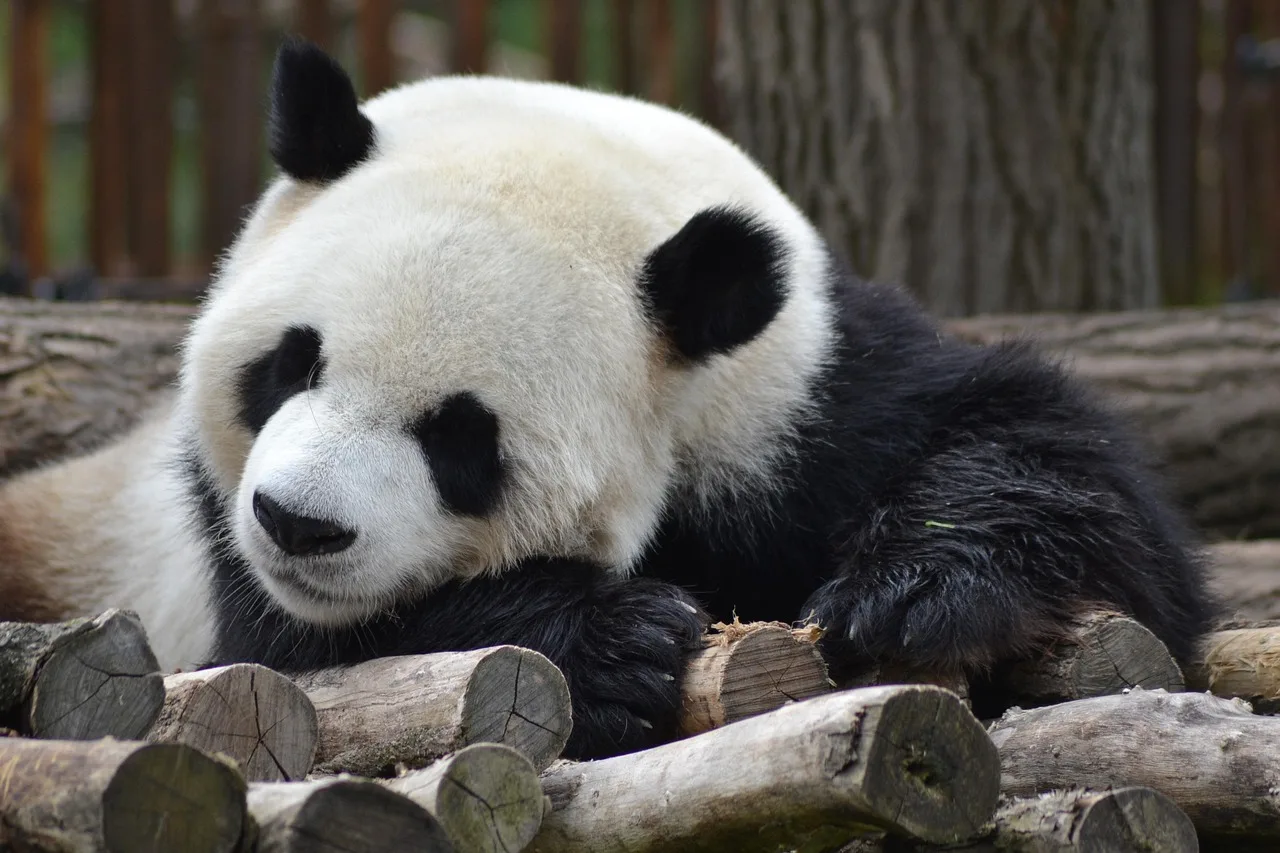
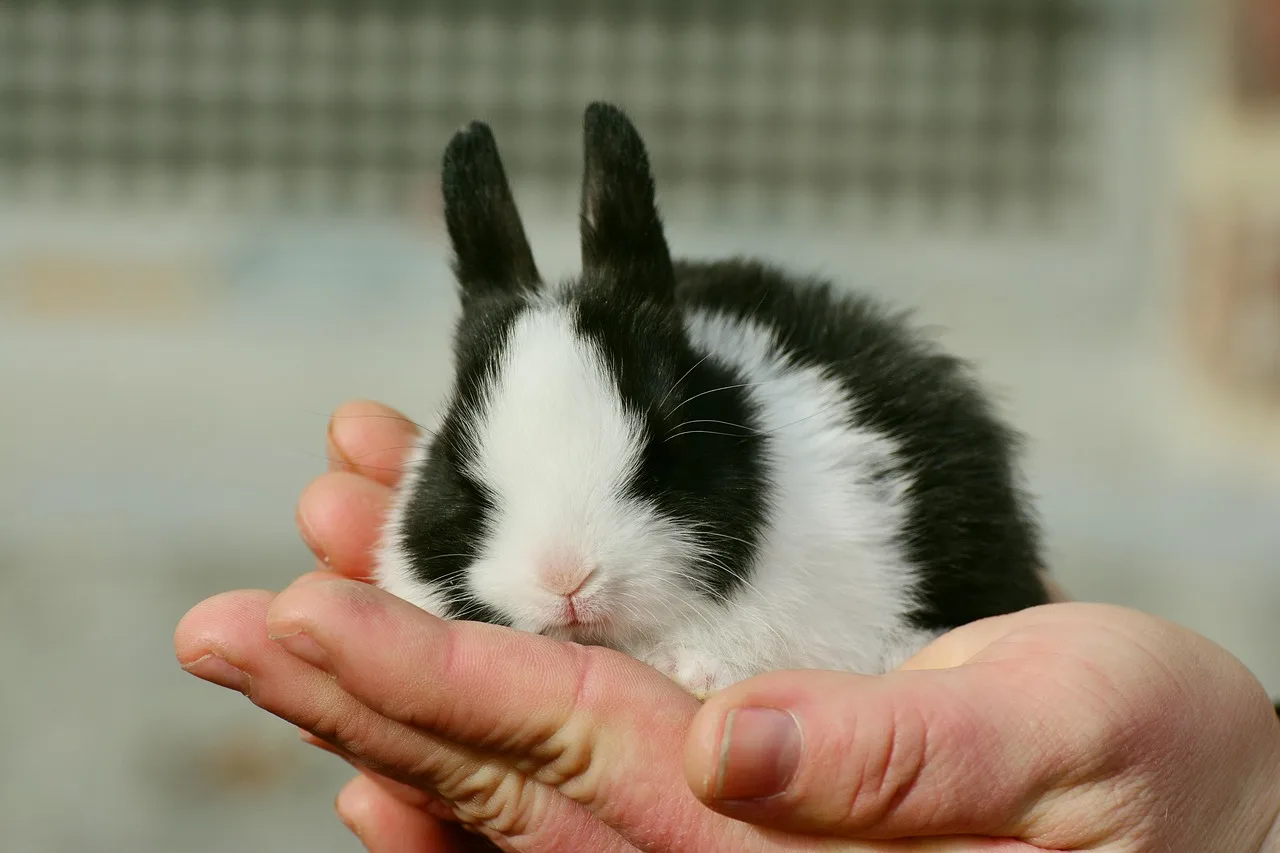
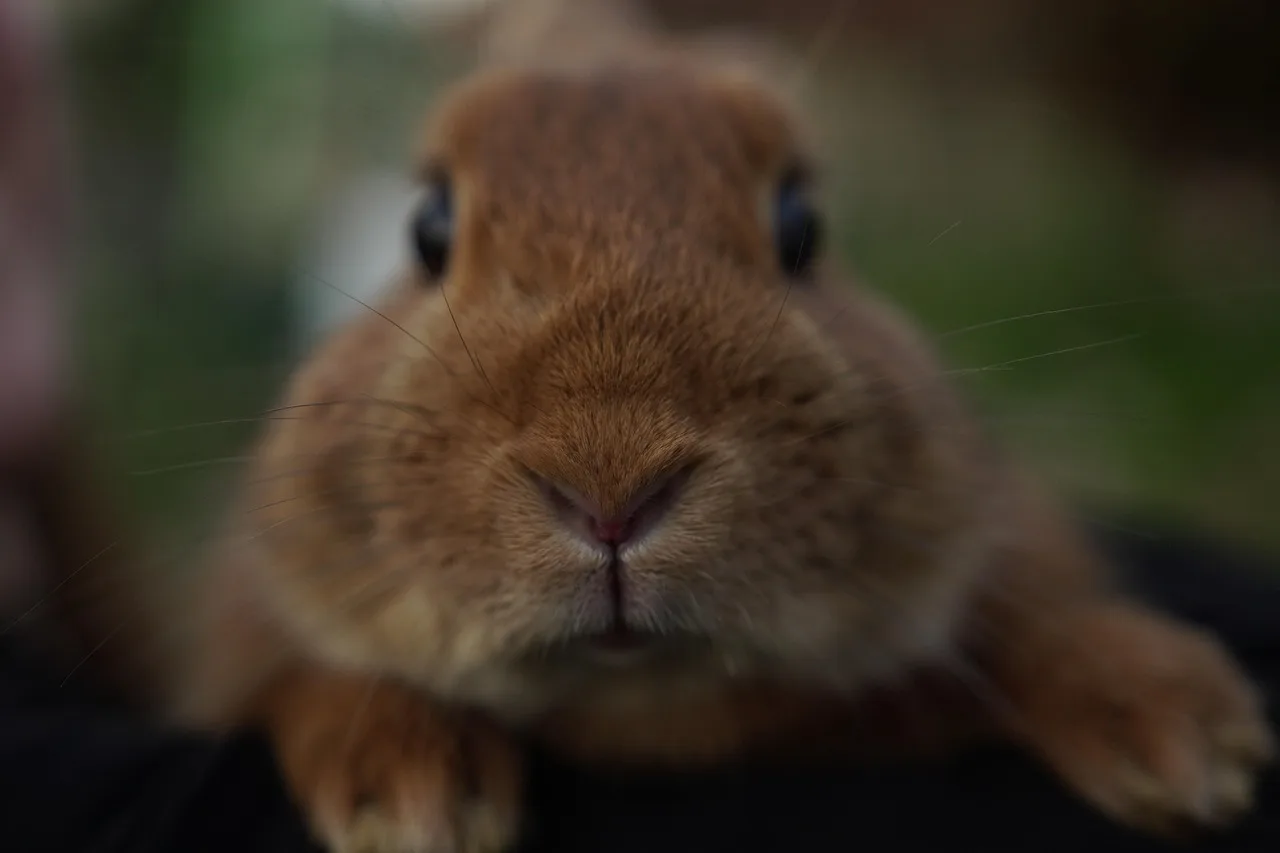
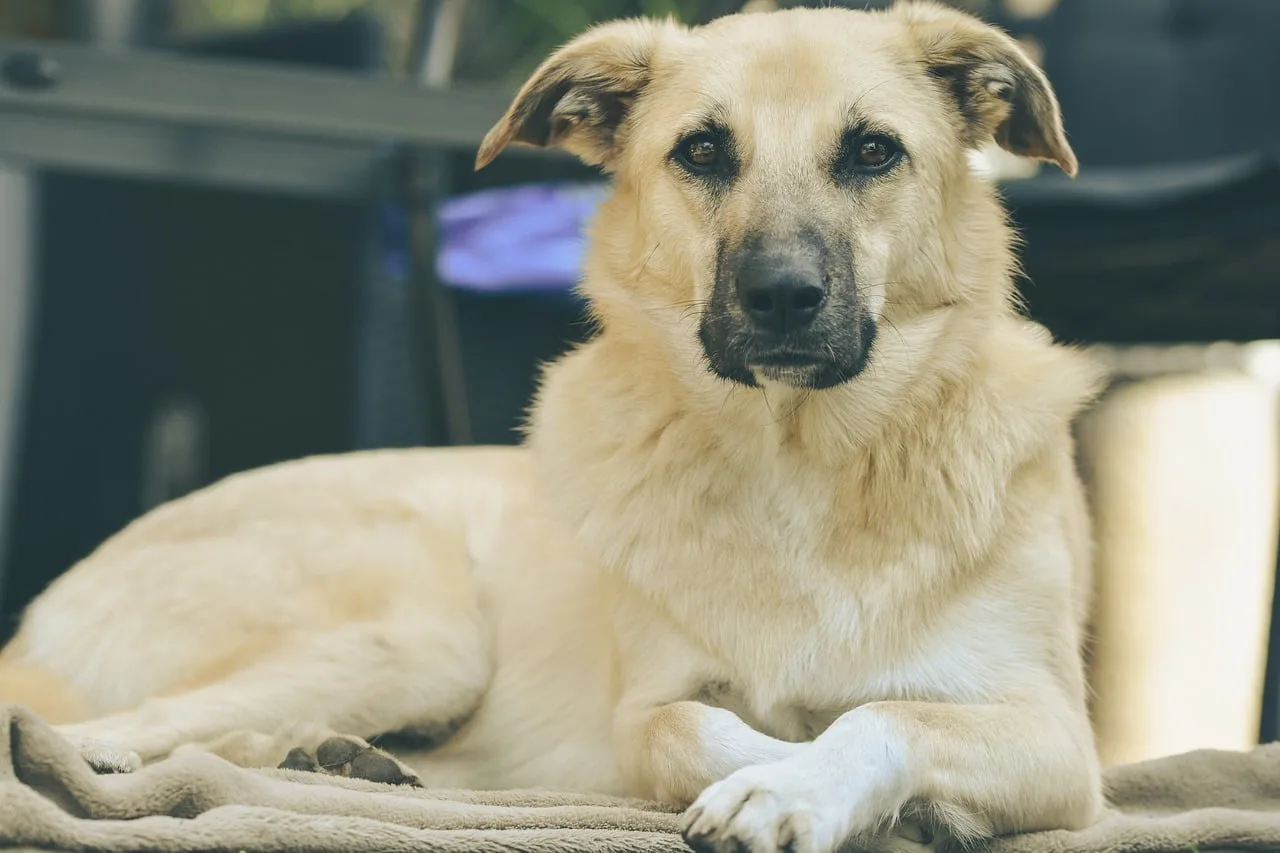
Çekim Tablosu
Belirtme (-i)kürkü
Yönelme (-e)kürke
Bulunma (-de)kürkte
Çıkma (-den)kürkten
Tamlayan (-in)kürkün
Çoğul (-ler)kürkler
Tanım
•bazı hayvanların, giyecek yapmak için işlenmiş postu
•kuluçka, gurk
•kürkten yapılmış palto
•Hayvan postundan yapılan giysi
•Bazı hayvanların, giyecek yapmak için işlenmiş postu
•Bu posttan yapılmış
Atasözü & Deyim
“Kürkü orak vaktinde, orağı kürk”
“Güne göre kürk giyinmek gerek”
“Kabahat samur kürk olsa kimse sırtına almaz”
“Suç samur kürk olsa kimse üstüne almaz”
“Tilkinin dönüp dolaşıp geleceği yer kürkçü dükkânıdır”
Diğer Dillerde
hair
çekim: çoğul Behaarungen · tamlayan Behaarungen
eş: Fell
köken: behaaren + -ung
aile: Schambehaarung
Weltraumfell — Uzay Kürkü
Fransızcafourrer, fourrure, tasseau /fu.ʁe/
to shove, stick, stuff (dans in something) · to stuff (a turkey etc.); to fill (a cake) · to fuck, to shaft, to screw
çekim: geçmiş fourré · ortaç fourré · şimdiki fourre · ulaç fourrant
eş: saillir, emmancher
köken: Inherited from Old French, corresponding to feurre + -er.
aile: coup fourré, fourre-tout, fourrer dans le même sac, fourrer les pieds, fourrer son nez, se fourrer le doigt dans l'œil
Dépôt spatial — Uzay Kürkü
J'avais saisi le petit objet rectangulaire et l'avais fourré dans la poche droite de mon imperméable.
Mais si je peux plus fourrer? Plus jamais? Faut qu'elle voie, la salope!
fur, coat
çekim: çoğul pelajes
eş: pelamen, capa, estofa, laya, ralea
köken: From pelo + -aje. Compare English pelage.
Piel espacial — Uzay Kürkü
fur (of an animal) · fur coat
çekim: çoğul pellicce
eş: pelle, pellame, pelo, pelame, mantello, manto
köken: Inherited from Latin pellicia, feminine of pellicius (“made out of skin”). By surface analysis, pelle (“skin”) + -iccia.
aile: pellicceria, pelliccetta, pellicciaio, pellicciale, pellicciame, pellicciare, pellicciato, pellicciere, pelliccio, pelliccione
Strisce spaziali — Uzay Kürkü
Rusçaмех, меховая шуба, манто /mʲex/
густой волосяной покров животного
çekim: çoğul меха́ · tamlayan ме́ха
eş: шерсть, шкура, пушнина, мягкая рухлядь
köken: From Old East Slavic мѣхъ (měxŭ), from Proto-Slavic *měxъ, from Proto-Balto-Slavic *maišás, ultimately from Proto-Indo-European *moysós. Cognates include Ukrainian міх (mix), Belarusian мех (mjex), Old Church Slavonic мѣхъ (měxŭ), Serbo-Croatian мијех/mijeh, Polish miech, Czech měch. Compare typologically ко́жа (kóža) (<~ коза́ (kozá)); лоси́ны (losíny) (< лось (losʹ)). Also compare English…
aile: меховщи́к, меховой, экоме́х, ры́бий мех, Phrases, не мех, а смех
Космический мех — Uzay Kürkü
Arapçaثَوْبٌ مُفَرًّى, فَرْو, فَرَّى, مِعْطَف
طلاء الفراغ — Uzay Kürkü
Azericexəz /xæz/
the hairy coat of various mammal species, especially when fine, soft and thick. · the hairy skin of an animal processed into clothing for humans.
çekim: çoğul xəzlər · tamlayan xəzin
köken: From Persian خز.
aile: xəzlik
wool; fur; feather
çekim: çoğul жүндер · tamlayan жүннің
köken: From Proto-Turkic *yuŋ.
aile: жүндес
Felemenkçebont (nötr) /bɔnt/
met veel verschillende felle kleuren
çekim: karşılaştırma bonter · üstünlük bontst
köken: From Middle Dutch bont, probably from Latin punctus (“striped”) (thus a doublet of punt); compare German bunt. The noun is derived from the adjective: originally the noun referred to furs of variegated color.
aile: beverbont, bonten, bonthandel, bontjas, bontkraag, bontmantel, bontmuts, eekhoornbont, hermelijnbont, imitatiebont
Ruimte vacht — Uzay Kürkü
to line, to insert a lining · to cover, to put a cover on · to carpet
çekim: geçmiş forrei · ortaç forrado · şimdiki forra
eş: aforrar
köken: From forro (“lining”) + -ar.
aile: forreta
Pêlo do Espaço — Uzay Kürkü
Yunancaγούνα (dişil) /ˈɣuna/
pelt, hide, fur (of an animal) · such fur used for clothing · any material or garment of similar structure
çekim: çoğul γούνες · tamlayan γούνας
köken: Inherited from Byzantine Greek γούνα (goúna), see there for more.
aile: γουνάκι, γουναράς, γουνεμπόριο, γούνινος, γουνίτσα, γουνοποιία
Space Fur — Uzay Kürkü
γούνα λύκου
συνθετική γούνα
Japonca毛皮 /ke̞ɡa̠β̞a̠/
fur, pelt · the 皮 radical (portion of a kanji character)
köken: Compound of 毛 (ke, “fur, body hair”) + 皮 (kawa, “skin, pelt”). The kawa changes to gawa as an instance of rendaku (連濁). First cited to a work from 1690, but possibly older, considering the mid-1200s appearance of Chinese-derived homograph 毛皮 (mōhi). This kegawa reading appears to have mostly superseded the mōhi reading.
スペースファー — Uzay Kürkü
毛皮の商品
İsveççepäls
fur, coat · pelt · fur coat
çekim: çoğul pälsar · tamlayan pälsens
köken: From Old Norse pilz, from Middle Low German pels, from Medieval Latin pellicea, from Latin pellis (“skin”). Cognate with Icelandic pels.
aile: få på pälsen, pälskling
Rymdpäls — Uzay Kürkü
en hund med mjuk päls
fur (hairy coat of various mammal species) · fur (hairy skin of an animal processed into clothing for humans)
çekim: çoğul futra · tamlayan futra
eş: norki (), lisy (), szynszyle (), błam, reg. śl. pelcmantel, futerko
köken: Etymology tree Proto-Indo-European *peh₂-der. Proto-Indo-European *-dʰromder.? Proto-Indo-European *-tḗr Proto-Indo-European *-tromder.? Proto-Germanic *fōdrą Old High German fuotar Middle High German vuoter German Futterbor. Polish futro Borrowed from German Futter. Doublet of futer.
aile: futrzany, futrzak, futrzarstwo
Kosmiczne futro — Uzay Kürkü
Ukraynacaхутро́, ху́тро
Космічне хутро — Uzay Kürkü
Hintçeऊर्णाजिन, पशम, रोआँ (eril) /ɾoː.ɑ̃ː/
body hair · fur, hair (of animals) · fibre of one's being
çekim: çoğul रोएँ
köken: Inherited from Prakrit 𑀭𑁄𑀫 (roma) + Middle Indo-Aryan -𑀓- (-ka-), from Sanskrit रोमन् (rṓman, “body hair”).
रोआँ को दुःखी करना
hair (single hair on human or animal) (not used of human head hair except in a technical sense) · hair (small, tiny amount) · colors, stripes
çekim: çoğul karvat · tamlayan karvan
köken: From Proto-Finnic *karva (compare Estonian karv, Livonian kǭra, Veps karv), borrowed from Baltic (compare Lithuanian gaũras). In the first texts, karva is attested only in the sense “color”; in its current meaning, it is first mentioned in a biblical text in 1621. Displaced in the sense “color” by väri.
aile: karvainen, karvakko, karvallinen, Karvanen, karvasto, karvata, karvaton, karviainen, karvikas, karvikka
Avaruusturkki — Uzay Kürkü
näyttää todellinen karvansa
vyčiněná zvířecí kůže se srstí používaná při výrobě oděvů apod.
çekim: çoğul kožešiny · tamlayan kožešiny
köken: From kožich + -ina.
Vesmírná kožešina — Uzay Kürkü
Rumenceblană (dişil) /ˈbla.nə/
hide, pelt (preserved animal skin with hair) · fur coat · pubic hair
çekim: çoğul blăni · tamlayan blănie
köken: Borrowed from Bulgarian блана (blana).
Ce se poate spune despre blana? — Peki ya kürk?
Căprioara îl linge, și limba ei subțire culcă ușor blana moale, mătăsoasă a iedului.
Un sfredel mare se aude rozând țesăturile uscate ale blănii bătrâne de stejar…
fur (hairy coat of a mammal) · fur coat (coat made out of fur) · match fixing, fix, spot-fixing, rig (bribery or other illegal practices of influencing the outcome)
çekim: çoğul bundák
köken: First attested in 1723. Of uncertain origin. Perhaps from the Old Hungarian dialectal adjective bonta (“black-and-white striped or spotted”), itself of German origin.
aile: bundájú, bundás, megbundáz, bundázik, bundabélés, bundabugyi, bundacipő, bundagallér, bundameccs, bundanadrág
Űrbolyhó — Uzay Kürkü
Dancapels /pɛls/
A fur, coat · A fur coat.
çekim: çoğul pelse · tamlayan pels'
köken: From late Old Norse pilz, via Middle Low German pels, from Medieval Latin pellicea, from Latin pellis (“skin”).
Rumpels — Uzay Kürkü
Norveççepelsverk
Pelsen er svart. — Kürkü siyahtır.
Endonezcebulu /ˈbulu/
body hair · feather
çekim: çoğul bulu-bulu
köken: Inherited from Malay bulu, from Proto-Malayic *bulu, from Proto-Malayo-Polynesian *bulu.
aile: berbulu, membului, pembuluan, bulu akar, bulu ayam, bulu babi, bulu balik, bulu bumbu, bulu cambuk, bulu dada
Dan bagaimana dengan bulu? — Peki ya kürk?
Vietnamcalông /ləwŋ͡m˧˧/
body hair (hair not atop one's head) · fur, manes (any hair on an animal body) · plumage
köken: From Proto-Vietic *-loːŋ.
aile: ăn lông ở lỗ, bới lông tìm vết, bút lông, cầu lông, lỗ chân lông, lông hồng, lông lá, lông mao, lông mày, lông măng
Lông Vũ trụ — Uzay Kürkü
lông mu
lông nách
triệt lông râu
Bulgarcaкожа, ко́жа, ко́зина (dişil) /ˈkɔʒɐ/
skin (the outer protective layer of the body of any animal, including of a human) · cutis, dermis (of people); fur, fell (of animals) · peel, rind (of fruits)
çekim: çoğul ко́жи
köken: Inherited from Old Church Slavonic кожа (koža), from Proto-Slavic *koža.
aile: дебелоко́ж, светлоко́ж, белоко́ж, тъмноко́ж, черноко́ж, -кож, кожоде́р, кожоя́д, кожo-, кожа́рница
Космически прах — Uzay Kürkü
ко́жа на пра́скова
Etimoloji
From Ottoman Turkish كورك (kürk), from Proto-Turkic.
Deyimler
Örnek Cümleler
Uzay Kürkü
Space Fur
Ye kürküm ye.
Fine feathers make fine birds.
Peki ya kürk?
And what about fur?
Göster ona kürkünü.
Show him your fur.
ÇİN KÜRK ÇİFTLİKLERİ
CHlNESE FUR FARM
Koyun kürkü kabarıktır.
Sheep fur is fluffy.
Ah benim kürk ve bıyık!
Oh my fur and whiskers!
Kürk ceket giymemelisin.
You should not wear a fur coat.
Tom bir kürk tüccarıdır.
Tom is a fur trader.
Kendisi kürklere bürünmüş.
She is garbed in furs.
O bir kürk ceket giymişti.
She was wearing a fur coat.
Onun ceketinin içi kürktür.
Her coat is fur on the inside.
İlgili Sorular
Bir kürk parçasının hangi hayvandan yapıldığını nasıl anlayabiliriz?
Kürk parçasının hangi tür hayvan derisinden olduğunu nasıl öğrenebiliriz?
Kürk malzemesinin hayvan kökenini ortaya çıkarmak için ne yapmalıyız?
Bu boyunlukta kullanılan kürkün hayvanını nasıl tespit edebiliriz?
Kürkün kaynağındaki hayvanı belirlemenin yolları nelerdir?