Sözlük
/koyun
koyun
"koyun" kelimesinin İngilizcesi: sheep, bosom, ram, sheep, ovis. Anlamı, çevirisi, telaffuzu ve örnek cümleler aşağıdadır.
Çeviri
Genelsheepnoun
Genelbosom
Genelram
Genelsheep
Genelovis
Genelram
Genelsheep
Genelram
Genelsheep
Genelovis
Genelovis
Genelovis
Genelram
Genelsheep
Görsel

Çekim Tablosu
Belirtme (-i)koynu
Yönelme (-e)koyna
Bulunma (-de)koyunda
Çıkma (-den)koyundan
Tamlayan (-in)koynun
Çoğul (-ler)koyunlar
Tanım
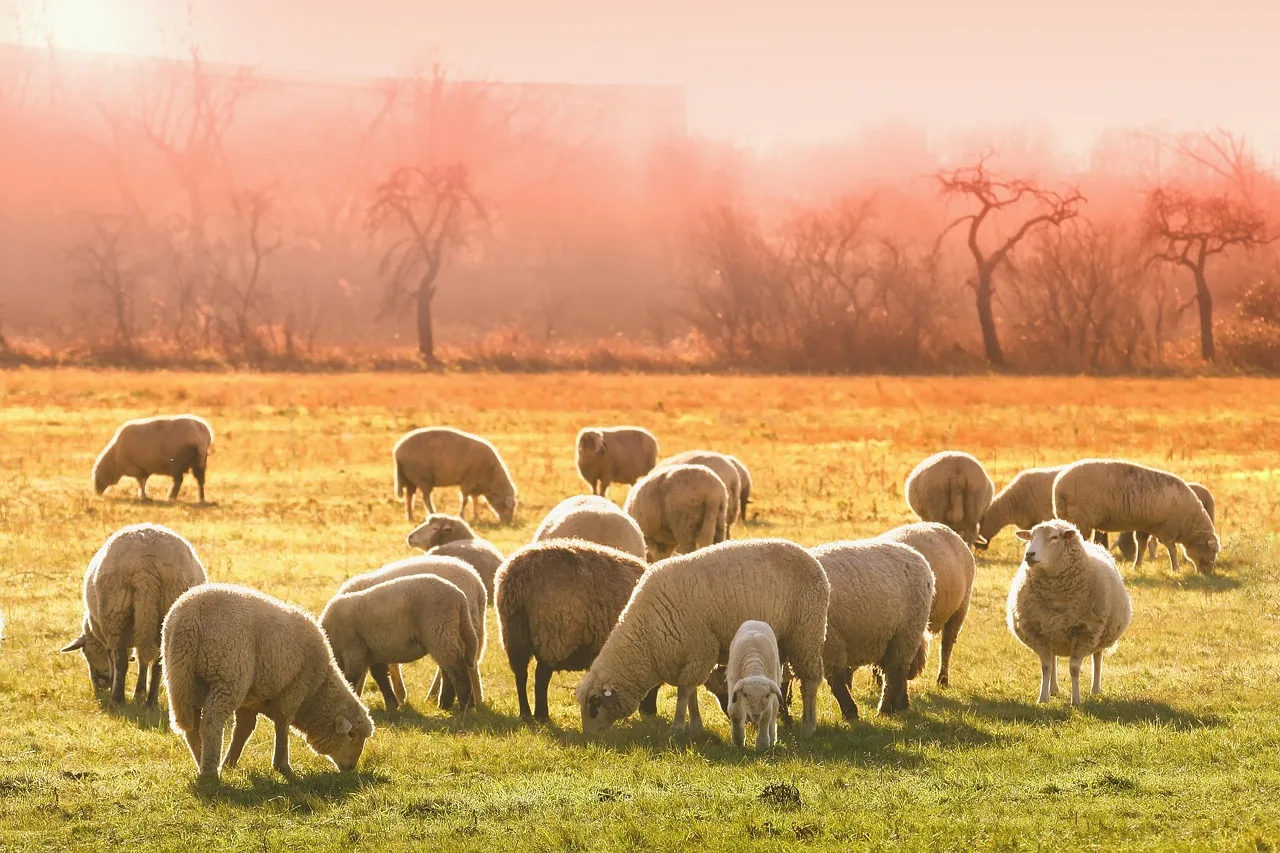
•isim, hayvan bilimi: Geviş getirenlerden, eti, sütü, yapağısı ve derisi için yetiştirilen evcil hayvan (Ovis aries)
•mecaz: Verilen buyruklara uyan, kendi kişiliğini gösteremeyen kimse
•isim: kucak
•Göğüsle giysi arası
•mecaz: Koruyucu, şefkatli çevre
Atasözü & Deyim
“Koyun güden kurdu görür”
“Görünen dağın (köyün) uzağı olmaz”
“Her koyun kendi bacağından asılır”
“Ölmüş koyun (eşek) kurttan korkmaz”
“Kasap et derdinde, koyun can derdinde”
Diğer Dillerde
Almancaschaf (nötr) /ʃaːf/
sheep
çekim: çoğul Schafe · tamlayan Schafes
eş: Schöps, Bähschaf, Wolltier, Wolllieferant, Dummkopf, Schafskopf
köken: From Middle High German schâf, from Old High German scāf. Akin to Bavarian Schåf, Luxembourgish Schof, Hunsrik Schof, German Low German Schaap, Dutch schaap, Afrikaans skaap, English sheep, and West Frisian skiep. See sheep for more.
aile: Hausschaf, Mutterschaf, Schafaufzucht, Schafbock, Schäfer, Schäferhund, Schaffell, Schaffleisch, Schafgarbe, Schafherde
Hier ist das Schaf. — Ve koyun.
Schafwolle
ein Schaf scheren
flock
eş: 🐑, moutonne
zıt: bélier
köken: Inherited from Old French berbis, berbiz, from Vulgar Latin *berbicem, from Late Latin berbēcem, from Latin vervēx (“wether”).
aile: brebis galeuse
Et voilà le mouton. — Ve koyun.
fromage de brebis
to ram (strike with an implement)
çekim: geçmiş arieté · ortaç arietado · şimdiki arieta
köken: Borrowed from Latin arietāre.
Y la oveja. — Ve koyun.
İtalyancapecora (dişil) /ˈpɛ.ko.ra/
sheep · sheep, milksop · prostitute
çekim: çoğul pecore
eş: ovino, 4., bue, pecorone, ;, debole
köken: From Latin pecora, neuter plural of pecus (“cattle”), from pecū, from Proto-Indo-European *peḱu- (“livestock, domestic animals”).
aile: cartapecora, pecoraggine, pecoraio, pecorame, pecoreccio, pecoresco, pecorile, pecorina, pecorino, pecoro
Ed avevo anche una pecora. — Ve koyun.
Rusçaгрудь, зоол. баран; овца (Ovis aries), лоно, пазуха, перен. простак (dişil) /ɡrutʲ/
chest · breast, bosom · thorax
çekim: çoğul гру́ди · tamlayan груди́
eş: грудная клетка, торакс, торакс, молочная железа, сиська, сися (прост.)
köken: Inherited from Old East Slavic грѫдь (grǫdĭ), from Proto-Slavic *grǫdь, from Proto-Indo-European *gʷʰrendʰ-.
aile: безгру́дый, головогру́дь, груди́на, груди́нка, грудничо́к, нагру́дник, нагру́дный, бить себя́ в грудь, гру́дью на амбразу́ры, белогру́дый
Старина (село) — Köyün [[
lamb (mammal) · a colt of 6-7 months of age (mammal) · young ignorant person, naive, being born yesterday
çekim: çoğul خِرْفَان · tamlayan خَرُوفٍ
köken: From the root خ ر ف (ḵ r f), from which particularly خَرِيف (ḵarīf, “autumn; a year, one complete agricultural cycle”), meaning a lamb or colt that has lived long enough to pasture on the produce of this season or born in this season, or one year old.
وهاهو الحمل — Ve koyun.
ram (animal) · battering ram
çekim: çoğul راکها
köken: Possibly cognate with Proto-Balto-Slavic *rágas (“horn”).
strongly built man, hero
çekim: çoğul qoçlar · tamlayan qoçun
köken: From Proto-Common Turkic *koč (“ram”). The secondary sense 'strong/brave man' is mostly present in Oghuz languages and adjacent varieties.
aile: qoçaq, iki qoçun başı bir qazanda qaynamaz
sheep, Ovis
çekim: çoğul қойлар · tamlayan қойдың
köken: From Proto-Turkic *kōń.
aile: қойшы
Özbekçegoʻsfand, qoʻchqor, qoʻy
sheep
çekim: çoğul qoʻylar
köken: Inherited from Chagatai قوی (qoy), from Proto-Turkic *kōń, see also Azerbaijani qoyun, Turkmen goýun, Kazakh қой (qoi).
aile: qoʻyxona
Felemenkçeschaap (nötr) /sxaːp/
sheep (a woolly ruminant animal of the genus Ovis) · someone with very curly hair · sheep (unthinking follower)
çekim: çoğul schapen
köken: From Middle Dutch schâep, from Old Dutch skāp, scāp, from Proto-West Germanic *skāp, from Proto-Germanic *skēpą.
aile: dikhoornschaap, huisschaap, melkschaap, schaapachtig, schaapskooi, schaapsvlies, schapenkaas, schapenstal, schapenteek, schapenvlies
En daar zijn de schapen. — Ve koyun.
Slaap, kindje, slaap, / daar buiten loopt een schaap. (nursery rhyme)
Schaapje, schaapje, heb je witte wol? (nursery rhyme)
Portekizceabalroar, aríete, carneiro, memória RAM, ovelha, pusilânime /a.baw.ʁoˈa(ʁ)/
to collide (with) · to ram
çekim: geçmiş abalroei · ortaç abalroado · şimdiki abalroa
aile: desabalroar
E há a ovelha. — Ve koyun.
to rumble, thunder
çekim: geçmiş βρόντηξα
Και εδώ το πρόβατο. — Ve koyun.
JaponcaRAM (ramu), ヒツジ, 綿羊, 雄羊
ウシ目ウシ科ヤギ亜科ヒツジ属に属する鯨偶蹄類の一種。角をもち、主に羊毛のために飼育される家畜。学名は Ovis aries。
さて 三分野の最後の挑戦として — Ve koyun.
lamb (young caprine) · sheep; goat · goat
eş: 小羊, 羔羊, 羊羔, 羊羔兒, 羊羔兒, 小羊
aile: 羊仔屎, 羊仔目
(1村) — Köyün [[
Korece(가축) 양
저건 양이구요. — Ve koyun.
ram (male sheep) · beetle
çekim: çoğul baggar · tamlayan bagges
köken: Cognate with Old Norse and Icelandic baggi, Old Norse bǫggr, Middle English bagge. The hypothesis for the shift in sense from "bag" to "ram" is by reference to the testicles of an unneutered ram. Doublet of bagage and packe.
Och här är fåret. — Ve koyun.
skalbagge
Lehçebaran, owca, siłownik, staranować, taranować, trusia (eril) /ˈba.ran/
ram (male sheep) · ram (image of this animal as used in coats of arms) · ram meat
çekim: çoğul barany · tamlayan barana
eş: tryk
köken: Etymology tree Proto-Slavic *baranъ Old Polish baran Polish baran Inherited from Old Polish baran.
aile: na barana, baraniarz, baranica, baraniec, baranina, wróćmy do naszych baranów, baranieć, zbaranieć
Dedinky (słow.) — Köyün [[
Ukraynacaвівця́, тара́нити
А ось вівця. — Ve koyun.
Hintçeभेड़, भेड़ा, मेंढ़ा, मेष, शर्मीला मनुष्य (dişil) /bʱeːɽ/
sheep
çekim: çoğul भेड़ें
köken: Inherited from Sauraseni Prakrit, from Sanskrit भेड्र (bheḍra), from Munda.
Fincehiirulainen, hydraulimäntä, iskeä, juntata, juntta, lammas /ˈhiːrulɑi̯nen/
mousekin (small, cute mouse) · mouse, sheep (shy person) · pip-squeak, milquetoast (small and insignificant person)
çekim: çoğul hiirulaiset · tamlayan hiirulaisen
köken: hiiri (“mouse”) + -lainen
Hjulböle) kylän nimestä. — Köyün adı.
ram (male sheep) · stubborn person · evangelical
çekim: çoğul berani · tamlayan berana
eş: tvrdohlavec, paličák, umíněnec, mezek
köken: Inherited from Proto-Slavic *baranъ. First attested in the 14th century.
aile: beraní, beranice, beranidlo, beránek
A tady je ovečka. — Ve koyun.
ram (male sheep)
çekim: çoğul areți · tamlayan aretelui
köken: Inherited from Latin aries, arietem, ultimately from Proto-Indo-European *h₁r-i-(e)t- (“certain domestic animal”).
Thomas Villadsen (n. — Köyün [[
sheep · mutton, lamb (meat) · sheep (person who unquestioningly accepts as true whatever their political leaders say or who adopts popular opinion as their own without scrutiny)
çekim: çoğul birkák
köken: First attested in 1347. Of debated origin: * A native word. * Borrowed from Czech.
És ott vannak a juhok. — Ve koyun.
Latincearies, arietō, nāvis rōstrāta, ovis (eril) /ˈa.ri.eːs/
ram, male sheep · battering ram · beam, prop
çekim: çoğul arietēs · tamlayan arietis
köken: From Proto-Italic *arjēts ~ *erjēts (compare Umbrian 𐌄𐌓𐌉𐌄𐌕𐌖 (erietu)), perhaps from Proto-Indo-European *h₁r-i-(e)t- (“young domesticated caprine”). Cognate with Old Irish heirp, erb (“kid”), Ancient Greek ἔριφος (ériphos, “kid”), displaying a different suffix, and perhaps Old Armenian որոջ (oroǰ, “lamb”), երինջ (erinǰ, “heifer”). However, as the cognates demonstrate, this has the characteristics…
aile: arietārius, arietīnus, arietō
cum mare trux ariēs cornū dēcertat; at īdem
piston · stamp (the tool) · a mark on one's reputation
çekim: çoğul stempler
köken: From Middle Low German stempel, from the verb stampen, from Old Saxon *stampōn, from Proto-West Germanic *stampōn, from Proto-Germanic *stampōną (“to squeeze, compress”).
aile: blåt stempel, grønt stempel, stempelafgift, stempelfri, stempelkaffe, stempelmotor, stempelmærke, stempelomkostning, stempelpligt, stempelpude
Grad"). — Köyün [[
Etimoloji
koy + -un
Deyimler
Kelime Ailesi
Eş & Zıt Anlamlılar
Örnek Cümleler
Ve koyun.
And there's the sheep.
Köyün adı.
Name of the Village.
Koyun meler.
The sheep bleats.
Bir 0 koyun.
Put a 0.
Köyün adını.
The name of the village.
Koyun ot yer.
The sheep eat grass.
Koyuncu Spor.
Koyuncu Spor.
Buraya koyun.
Put them here.
Köyün şefidir.
Chief of the village.
Koyun sürünürü
A sheep creep
Cebinize koyun.
Put them in your pocket.
Bir sürü koyun.
Lots of sheep.
İlgili Sorular
İlgili / Bileşik Terimler
Genelmutton
Genelsheep milk
Geneleupatorium cannabinum