Sözlük
/kilit
kilit
"kilit" kelimesinin İngilizcesi: lock, lock, lock, lock. Anlamı, çevirisi, telaffuzu ve örnek cümleler aşağıdadır.
Çeviri
Genellocknoun
Genellock
Genellock
Genellock
Görsel



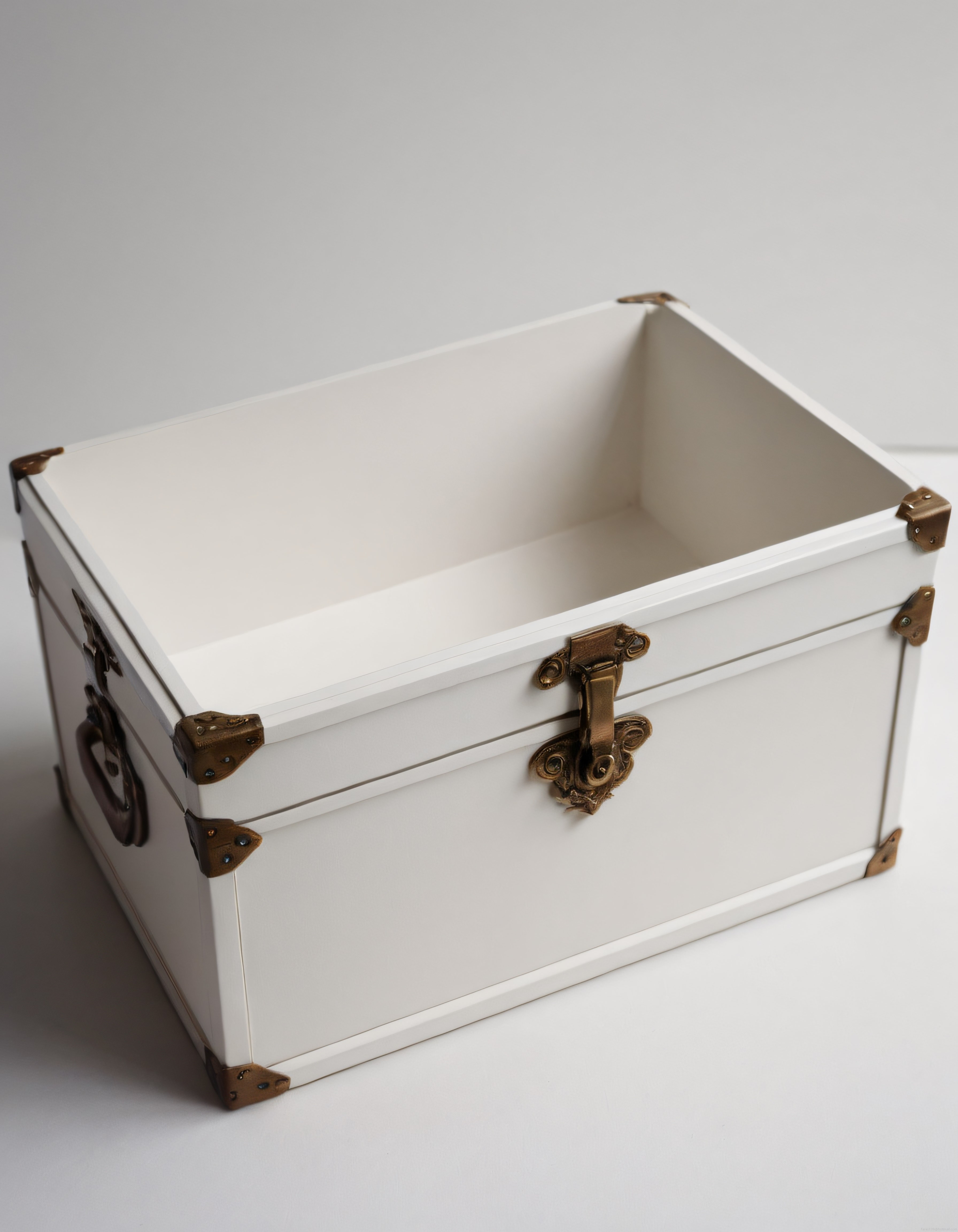
Çekim Tablosu
Belirtme (-i)kilidi
Yönelme (-e)kilide
Bulunma (-de)kilitte
Çıkma (-den)kilitten
Tamlayan (-in)kilidin
Çoğul (-ler)kilitler
Tanım
•isim: Anahtar, düğme gibi takılıp çıkarılabilen bir parça yardımıyla çalışan kapatma aleti
•denizcilik: Bir yanı değirmi, öbür yanına demir çubuk geçirilmiş olan yarım halka
•ağızlardan: Atların alnından alt çenesine uzanan beyazlık
Atasözü & Deyim
“Hırsıza kilit olmaz”
Diğer Dillerde
Almancaabschließen, blockieren, Lock, Locke, Schiffshebewerk, Schleuse /ˈʔapʃliːsn̩/
to end, to finish or complete (one's studies, a task) · to shut off · to lock; to seal off
çekim: geçmiş schloss ab · ortaç abgeschlossen · şimdiki schließt ab · ulaç abschließend
eş: beenden, verriegeln, verschließen
köken: ab- + schließen
aile: Abschließerin, Abschließer, Abschließerei, Abschließung
Werkzeug einrasten — Aracı kilitle
Vor einem Jahr habe ich meine Ausbildung abgeschlossen.
Ich muss mein Projekt bis Sonntag abschließen.
Ich schließe die Tür ab.
Fransızcaserrure (dişil) /sɛ.ʁyʁ/
lock
çekim: çoğul serrures
eş: cadenas, fermoir, loquet, verrou
köken: Inherited from Old French; morphologically from serrer + -ure.
aile: serrurier
Verrouiller l' outil — Aracı kilitle
İspanyolcaacerrojar, apestillar, atrancar, bloquearse, bucle, cadejo /aθeroˈxaɾ/
to lock, bolt, lock up (fasten with a lock)
çekim: geçmiş acerrojé · ortaç acerrojado · şimdiki acerroja
köken: From a- + cerrojo + -ar.
Bloquear la herramienta — Aracı kilitle
reflexive of bloccare · to stop working, jam, freeze, stick · to choke (perform badly)
çekim: geçmiş bloccàtosi · ortaç bloccàtosi · şimdiki si blòcca · ulaç bloccàntesi
eş: fermarsi
Blocca lo strumento — Aracı kilitle
si è bloccato a guardarla
castle
çekim: çoğul за́мки · tamlayan за́мка
eş: дворец, крепость, тюрьма
köken: Etymology tree ▲ Middle High German sloȥsl. Czech zámekbor. Polish zamekbor. Russian замок Borrowed from Polish zamek, which is a calque via Czech zámek of Middle High German sloz (“lock, keep”), which, in turn, is a calque of Latin clūsa (“lock, fort, fortification”). Attested from the 17th century. Related to замыкать (zamykatʹ) (замкну́ть (zamknútʹ)). But note also Old Novgorodian ꙁамъке…
Заблокировать служебную панель — Aracı kilitle
америка́нский замо́к
англи́йский замо́к
фити́льный замо́к
عاجز عن الاتصال — % 1: kilitlenemedi
Farsçaقفل کردن
to lock
to lock
çekim: geçmiş kilidləmiş · ortaç kilidləmiş · şimdiki kilidləyir
köken: kilid + -lə
aile: kilidlətmək
Özbekçequlf
Felemenkçeafsluiten, blokkeren, haan, op slot doen, slot, sluis /ˈɑfslœy̯tə(n)/
to close off, seal · to conclude, to end, to terminate
çekim: geçmiş sloten af · ortaç afgesloten · şimdiki sluit af · ulaç afsluitend
eş: dichtdoen, besluiten, voltooien
köken: From af + sluiten.
aile: afsluitbaar, Afsluitdijk, afsluiter, afsluiting
De kamer was op slot. — Oda kilitliydi.
De waterkering sluit het IJsselmeer af van de Waddenzee.
Portekizcecacho, cadeado, eclusa, fechadura, trava (eril) /ˈka.ʃu/
bunch (of fruits) · lock (length of hair) · raceme (an inflorescence in which the flowers are arranged along a single central axis)
çekim: çoğul cachos
köken: Inherited from Vulgar Latin *caplum, from Latin capulum (“handle”), from capiō (“to take”) + -ulum (instrument-forming suffix). Doublet of cabo. Compare Spanish cacha.
aile: estar de cacho
Bloquear a ferramenta — Aracı kilitle
cacho de bananas
cacho de uvas
Yunancaκλειδαριά, κλειδώνω, μπούκλα, υδατοφράκτης (dişil) /kli.ðaˈɾʝa/
lock
çekim: çoğul κλειδαριές · tamlayan κλειδαριάς
köken: From κλειδί (kleidí, “key”) + -αριά (-ariá).
aile: κλειδαράς
Κλείδωμα του εργαλείου — Aracı kilitle
a curl of hair; ringlet · curly hair
%1: ロックできません — % 1: kilitlenemedi
lock, padlock
köken: First attested in the Myobeomnyeonhwagyeong eonhae (妙法蓮華經諺解 / 묘법연화경언해), 1463, as Middle Korean ᄌᆞᄆᆞᆳ쇠〮 (Yale: còmòl-s-swóy). From ᄌᆞᄆᆞ— (como-, “to close, to shut”) (> 잠그— (jamgeu-)) + -ㄹ (-l) + 쇠 (swoy, “metal”).
연결할 수 없음 — % 1: kilitlenemedi
문에 자물쇠를 채웠다.
to get stuck, to stick
çekim: geçmiş fastnade · ortaç fastnande · ulaç fastnande
köken: fast + -na
Lås verktyget — Aracı kilitle
a male surname
çekim: çoğul kędziory · tamlayan kędziora
köken: From kędzior (“lock of hair”).
% 1: nie można zablokować — % 1: kilitlenemedi
Зафіксувати інструмент — Aracı kilitle
Hintçeताला, ताला लगाना (eril) /t̪ɑː.lɑː/
lock · padlock
çekim: çoğul ताले
köken: Inherited from Sanskrit ताल (tāla) or तालक (tālaka).
aile: ताली
Fincekiehkura, kulkea sulussa, lukita, lukittua, lukkiutua, lukko /ˈkie̯hkurɑ/
lock, wreath, plume
çekim: çoğul kiehkurat · tamlayan kiehkuran
köken: Variant of kiekura; compare kiehtoa, or alternatively kiehkeä + -ura.
aile: kiehkurainen, hiuskiehkura, kiehkuraärviä, lonkerokiehkura, oksakiehkura, otsakiehkura, savukiehkura
Tiedoston ”% 1 ” lukituksen tilan vaihto epäonnistui... — % 1kilitlenemedi...
Çekçedruhořadník, hráč druhé řady, kadeř, lokna, plavební komora, zámek (eril) /ˈdruɦor̝adɲiːk/
lock
çekim: çoğul druhořadníci · tamlayan druhořadníka
köken: From druhý + -o- + řada + -ník.
% 1: nepovedlo se zamknout — % 1: kilitlenemedi
Mezi tři hráče první řady se vážou dva druhořadníci, z pravé a levé strany rváčci, scrum (mlýn) zezadu zajistí vazač.
Rumencebloca, blocabil, blocabilă, broască, buclă, clanță /bloˈka/
to block; to obstruct
çekim: geçmiş blocat · ortaç blocat · şimdiki blochează
köken: Borrowed from French bloquer.
R: Îl blocați? — Lock: Kilitleme.
Macarcabeszorul, bezár, bezáródik, blokkol, blokkolódik, elakad /ˈbɛzaːr/
to close, to lock
çekim: geçmiş bezártak
zıt: kinyit
köken: be- + zár
aile: bezárás
% 1: nem sikerült zárolni — % 1: kilitlenemedi
כישלון בעת ביטול נעילת הקובץ "% 1". — % 1kilitlenemedi...
first-person singular present passive indicative of claudō
lock
çekim: çoğul låse · tamlayan lås'
köken: From Old Norse láss, from Proto-Germanic *lamsaz.
aile: hængelås, kombinationslås, vandlås, låsering, cykellås
% 1: Kan ikke låse — % 1: kilitlenemedi
Endonezcekunci, pintu air /ˈkunt͡ʃi/
lock, something used for fastening, which can only be opened with a key or combination · an object designed to open and close a lock · a crucial step or requirement
çekim: çoğul kunci-kunci
köken: Inherited from Malay kunci (“key”), from Hindi कुंजी (kuñjī, “key”), from Punjabi ਕੁੰਜੀ (kuñjī) / کُنجی (kunjī), from Prakrit 𑀓𑀼𑀁𑀘𑀺𑀬𑀸 (kuṃciyā), from Sanskrit कुञ्चिका (kuñcikā). * Semantic loan from Dutch sleutel for wrench, spanner and clef senses. * Semantic loan from Dutch akkoord for chord sense. * Semantic loan from English key for music (other than clef sense), education, computing,…
aile: kunci botanik, kunci eksklusif, kunci enkripsi, kunci gantung, kunci inggris, kunci kontak, kunci kroma, kunci kura-kura, kunci leter T, kunci lisensi
Selasa: tutup. — Lock: Kilitleme.
Etimoloji
Inherited from Ottoman Turkish كلید (ḱilid), from Persian کلید (kelid), from Middle Persian *kilēd, from Ancient Greek κλείς (kleís), from Proto-Hellenic *klāwī́ds, from Proto-Indo-European *kleh₂u-.
Deyimler
Örnek Cümleler
O kilitli.
It's locked.
Kilit güzel.
The lock is beautiful.
Kilit kırık.
The lock is broken.
Kapı kilitli.
The door's locked.
Ofisi kilitle.
Lock the office.
Kilitli değil.
It isn't locked.
Kapıyı kilitle.
Lock the door.
Kapını kilitle.
Lock your door.
Oda kilitliydi.
The room was locked.
Bu kilit güzel.
This lock is beautiful.
Kapıyı kilitle!
Lock the door!
Kasayı kilitle.
Lock the safe.
İlgili Sorular
Kısıtlı yiyeceklerle bir odada kilitli kalan American Idol final 12'si arasında en çok dayanabilecek kişi kim?
Şehirde hırsızların bolt kesicileri olduğu düşünüldüğünde, bir dağ bisikletini dışarıda kilitlemenin en etkili yolu nedir?
Araç içinde kilitli bir el çantası bulunuyorsa, polislerin bölmeyi açma yetkisi var mıdır?
Kamu okullarında disiplin amacıyla kilitli bir odanın kullanılmasına izin veren yasa hangi şartları içerir?
Sabah esneme sırasında kollarımı sırtımın arkasına kilitleyip yukarı doğru çektiğimde bir kırılma sesi duyulmadı ama bir hareket oldu. Şimdi omuz bıçaklarımın arasında ciddi bir ağrı ve mide bulantısı var; bu durumun ciddiyeti nedir?
Birleşik Kelimeler
kilit dilikilit mevkikilit noktakilit sarmakilit taşıkilit yeriasma kilitbindirme kilitgömme kilitispanyolet kilitkomple kilitşifreli kilittopuzlu kilitbagaj kilidibaston kilididonanım kilidiemniyet kilidi