Sözlük
/kaya
kaya
"kaya" kelimesinin İngilizcesi: rock, rock, rock, rock, huge rock. Anlamı, çevirisi, telaffuzu ve örnek cümleler aşağıdadır.
Çeviri
Genelrock
Genelrock
Genelrock
Genelrock
Genelhuge rocknoun
Görsel
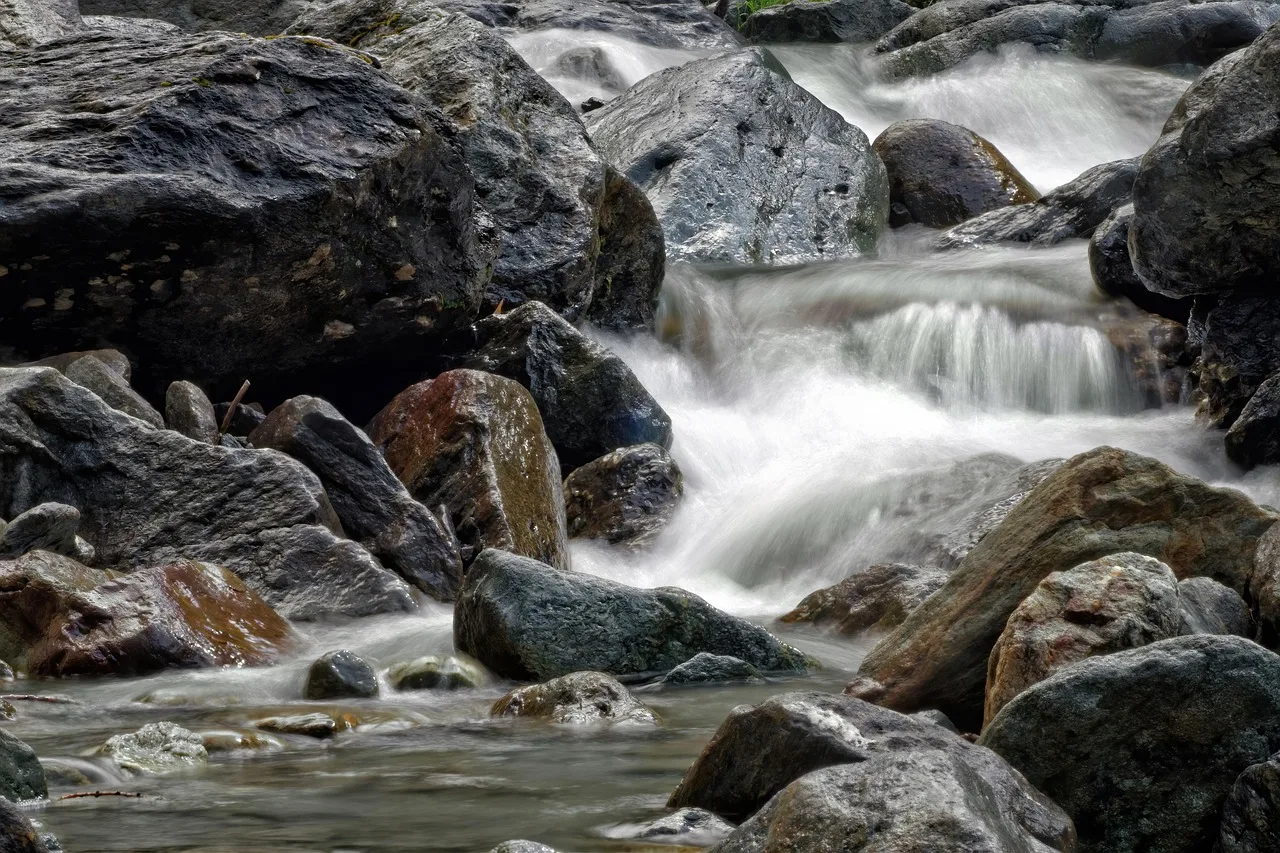

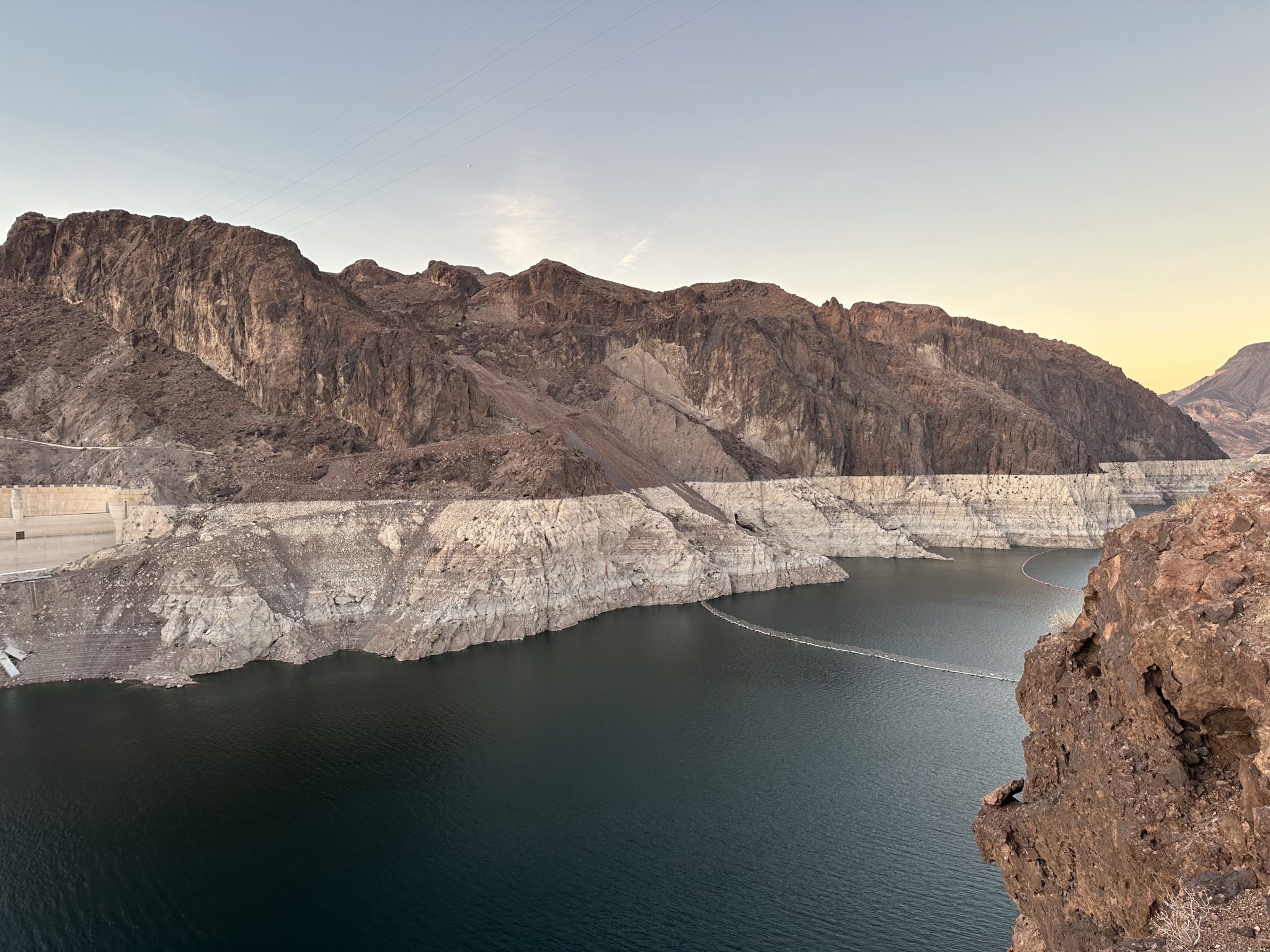

Çekim Tablosu
Belirtme (-i)kayayı
Yönelme (-e)kayaya
Bulunma (-de)kayada
Çıkma (-den)kayadan
Tamlayan (-in)kayanın
Çoğul (-ler)Kayalar
Tanım
•isim: Büyük ve sert taş kütlesi
•kayaç
Atasözü & Deyim
“Kaya uçmazsa, dere dolmaz”
“Yel kayadan ne koparır (alır, anlar, aparır)”
Diğer Dillerde
rock
çekim: çoğul Felsen · tamlayan Felses
eş: Felsen, Fluh
köken: From Middle High German vels, from Old High German felis, from Proto-West Germanic *falis, from Proto-Germanic *falisaz, from Proto-Indo-European *pels-, *pelis- (“rock, cliff”). Compare Old Norse fjall (“rock, mountain”), Ancient Greek πέλλα (pélla, “stone”), Old Irish ail (“cliff”). The variant Felsen emerged from the oblique cases.
aile: Felsboden, Felsenbein, Felsenblümchen, felsenfest, Felsenhahn, Felsennelke, Felsenspringer, Felsentaube, Felsgestein, felsig
Gelbe Musik. — Kaya Müzik.
Fransızcaassurer, bercer, bouleverser, caillou, déchirer, diam /a.sy.ʁe/
to assure, to ensure, to make sure · to do; to take care of; to carry out; to be in charge of · to insure, to give insurance to
çekim: geçmiş assuré · ortaç assuré · şimdiki assure · ulaç assurant
köken: Inherited from Middle French asseurer, from Old French asseürer, from Vulgar Latin *assēcūrāre, from Latin sēcūrus (“safe”). By surface analysis, a- + sûr + -er.
aile: assurer ses arrières
Le château de Wakayama. — Wakayama şehri.
Des bénévoles assurent le nettoyage des lieux.
to rock (to move gently back and forth)
çekim: geçmiş acuné · ortaç acunado · şimdiki acuna
köken: From a- + cuna (“cradle”) + -ar.
Fui al banco. — Bankaya gittim.
İtalyancacullare, ondeggiare, roccia, suonare il rock, trastullare /kulˈla.re/
to rock (a child) · to swing with light, gentle movements; to sway · to caress
çekim: geçmiş cullàto · ortaç cullàto · şimdiki cùlla · ulaç cullànte
eş: dondolare, ninnare, custodire, coltivare, accarezzare, ingannare
köken: From culla + -are.
Gulriz, Mohammad Ali. — Kaya, Mehmet Ali.
cullare il bebè
vorrei che il mio ragazzo mi cullasse più spesso
cullare un sogno
Rusça(мужское имя), скала (dişil) /skɐˈɫa/
rock, cliff, crag (mass of projecting rock)
çekim: çoğul ска́лы · tamlayan скалы́
eş: шкала
köken: Inherited from Proto-Slavic *skala.
Гия Гагуа — Kaya gazı
Arapçaحجر, رُوك, صَخْرَة, مُوسِيقَى اَلرُّوك (eril) /ħa.d͡ʒa.ra/
to stop, to hinder · to deny access · to forbid, to prohibit
çekim: geçmiş حَجَرْتُ
aile: أُمّ الْحِجَار السُّود, حَجَرِيّ
القفز التزلجي — Kayakla atlama
Farsçaبرد, تخته سنگ
Azericedaş, qaya, rok, süxur, yırğalanmaq /dɑʃ/
stone · piece
çekim: çoğul daşlar · tamlayan daşın
köken: From Proto-Turkic *tiāĺ, compare Turkish taş, Kyrgyz таш (taş), Chuvash чул (čul).
aile: daşlamaq, başdaşı, idman daşı
Felemenkçegesteente, kandij, klif, rots, schommelen, schudden (nötr)
rock (aggregate of minerals)
çekim: çoğul gesteenten
köken: From steen + ge- -te. Compare German Gestein.
aile: afzettingsgesteente
Het gebied is heuvelachtig. — Bölge kayalıktır.
Portekizceabalar, balançar, cubo, cubo de gelo, embalar, pedra /a.baˈla(ʁ)/
to shake (cause (something) to move from side to side) · to shake (to disturb emotionally) · to affect, unsettle, shock
çekim: geçmiş abalei · ortaç abalado · şimdiki abala
köken: From Old Galician-Portuguese abalar, from Vulgar Latin *advallāre, probably ultimately from Latin vallis (“vale, valley”).
aile: abalado, abalável
Era duro como pedra. — O, kaya gibi sertti.
Yunancaβράχος, πέτρα, πολύτιμος λίθος, ροκ (eril) /ˈvɾa.xos/
rock, cliff · large stone · rock (stable person)
çekim: çoğul βράχοι · tamlayan βράχου
eş: λίθος, πέτρα
köken: Inherited from Byzantine Greek βράχος m (brákhos), from Hellenistic Koine Greek βράχος n (brákhos) with the change from neuter to a masculine as an augmentative element, from the plural in Ancient Greek βράχεα (brákhea) (see the modern plural βράχια (vráchia)), from βραχέα (brakhéa), neuter, plural of adjective βραχύς (brakhús) as in the phrase "βραχέα (brakhéa) sc. ὕδατα (húdata) "shallow…
rock (style of music) · on the rocks (served over ice)
çekim: geçmiş ロックした
köken: From English rock.
インディー・ロック・バンド
ウイスキーのロックを飲む
Korece바위, 암석
a gem (precious stone)
çekim: çoğul ädelstenar · tamlayan ädelstens
köken: From ädel + sten.
Storfjällsgraven — Kaya Mezarları
boulder (large rock)
çekim: çoğul głazy · tamlayan głazu
köken: Etymology tree Proto-Slavic *glazъ Polish głaz Inherited from Proto-Slavic *glazъ.
aile: szarogłaz
Davit Kajaia — Kaya gazı
Грецькі могили. — Kaya Mezarları
Hintçeचट्टान, रॉक, रॉक संगीत (dişil) /t͡ʃəʈ.ʈɑːn/
rock, crag, cliff; rock formation · reef
çekim: çoğul चट्टानें
aile: मूंगा चट्टान
to rinse, wash (to move by the force of water in motion) · to wash (to separate valuable material) · to leach (to purge a soluble matter out of something)
çekim: geçmiş huuhtonut · şimdiki huuhtoo · ulaç huuhtova
köken: From Proto-Finnic *huhtodak (compare Ingrian huuhtoa, Livonian ū’dõ), from Proto-Finno-Permic *šukštɜ- (compare Erzya кштамс (kštams), Moksha штамс (štams)).
aile: huuhde, huuhdella, huuhdonta, huuhtaista, huuhtoja, huuhtominen, huuhtouma, huuhtoutua
velký kámen resp. kus skály
V platnost vešla 24. — 24 müsabakaya çıktı.
to rock, swing · to sway
çekim: geçmiş legănat · ortaç legănat · şimdiki leagănă
köken: Probably from Vulgar Latin *ligināre, from Latin ligāre (“tie”) or from leagăn.
Pământul era foarte stâncos. — Zemin çok kayalıktı.
distaff (device to which fibres are attached for temporary storage) · spinning wheel (device for spinning thread or yarn from fibres)
çekim: çoğul guzsalyok
köken: First attested in 1346. Borrowed from Slavic. Compare Serbo-Croatian kuželj, Slovak kužel, Slovene koželj.
Római sírleletek. — Kaya Mezarları
Latincelapis, rupes, saxum, scopulus, silex /ˈɫa.pɪs/
stone · milestone · boundary stone
çekim: çoğul lapidēs · tamlayan lapidis
köken: From Proto-Italic *lapets. May be connected with Ancient Greek λέπας (lépas, “bare rock, crag”), either from Proto-Indo-European *lep- (“to peel”) (compare secō, saxum; rumpō, rupēs) or, more likely, a Mediterranean substrate language.
aile: lapicīda, lapidāris, lapidēscō, lapideus, lapidō, lapidōsus, lapillus, lapiō, lapis īnfernālis, lapis calamīnāris
et lapis iste quem erexi in titulum vocabitur Domus Dei
gem (rock considered valuable)
çekim: çoğul ædelstenene · tamlayan ædelstens
köken: ædel (“noble”) + sten (“rock, stone”)
Endonezcebebatuan
rock, stone · ice as used for consumption or refrigeration · meth, methamphetamine
köken: From Proto-Vietic *l-taːʔ (“rock”). Cognate with Arem atæːˀ. Attested in Phật thuyết đại báo phụ mẫu ân trọng kinh (佛說大報父母恩重經) as 𪜀打, the simplified composition of 羅 (MC la) + 打 (MC taengX) (modern SV: la đả). Schuessler (2007: p. 462) proposes that this Vietic word and Khmer ដា (daa) (which is likely borrowed from Vietnamese or another Vietic language instead of being inherited from a common…
aile: cà phê đá, cà phê sữa đá, đá bào, đá bọt, đá bùn, đá da trời, đá dăm, đá me, đá mi, đá ong
Etimoloji
From kaya.
Kelime Ailesi
Eş & Zıt Anlamlılar
Örnek Cümleler
Deliği tıkayalım.
Let's plug up the hole.
O, bankaya gitti.
He went into the bank.
Kayak yapabilirim.
I can ski.
Ben kayakta iyiyim.
I'm good at skiing.
Tom kayakta iyidir.
Tom is good at skiing.
Lütfen bankaya git.
Please go to the bank.
Arabamı yıkayacağım.
I will wash my car.
O, kaya gibi sertti.
It was hard as rock.
O hızla arkaya döndü.
She turned around quickly.
Paranı bankaya yatır.
Deposit your money in the bank.
O kayakta çok iyidir.
She is great at skiing.
Ellerimi yıkayacağım.
I am going to wash my hands.
İlgili Sorular
Yıldız kayarken bir dilek tuttunuz mu, sonuçlandı mı?
İp kullanmadan büyük kayalara tırmanan serbest tırmanıcılar inişlerini nasıl gerçekleştirir?
Su tekrar donduğunda kayayı kırması, yüzeyi aşındırması, parçalanması ya da kimyasal yapısını değiştirmesi mümkün müdür?
Yeni başlayan bir kayakçı için hangi kayak özellikleri iyi olur?
Her bir kayaç türünün oluşum şekli hakkında kısa bir açıklama yapabilir misiniz?
İlgili / Bileşik Terimler
Bilimhalite
Genelgoby
Genelstack
Genelhalite
Genelhalide
Bilimrock salt
Genelrock wren
Genelshale gas
Genelrock dove
Genelgolden eagle
Genelrock partridge
Birleşik Kelimeler
kaya balığıkayabaşıkaya güvercinikaya hanisikaya horozukaya kelerikaya lifikaya örümceğikaya sansarıkaya sarımsağıkaya suyukaya tuzuazmankayacam kayakesme kayakör kayamantar kayapul kayasapkın kayaakınkayasıkömürkayasıkumkayasısazkayasıtatlısu kayası