dere
/deˈɾe/
noun
C2 seviye
TR → EN
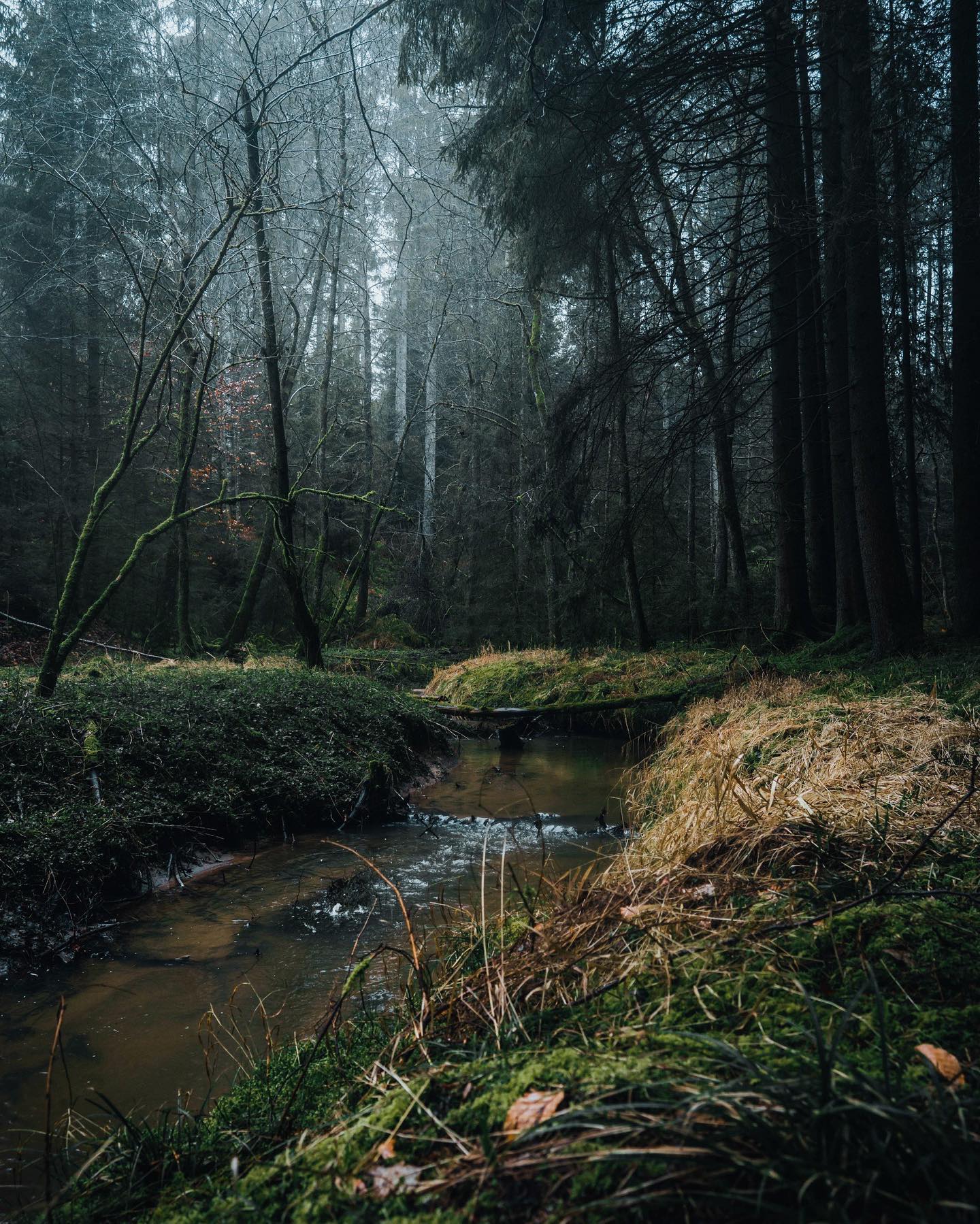
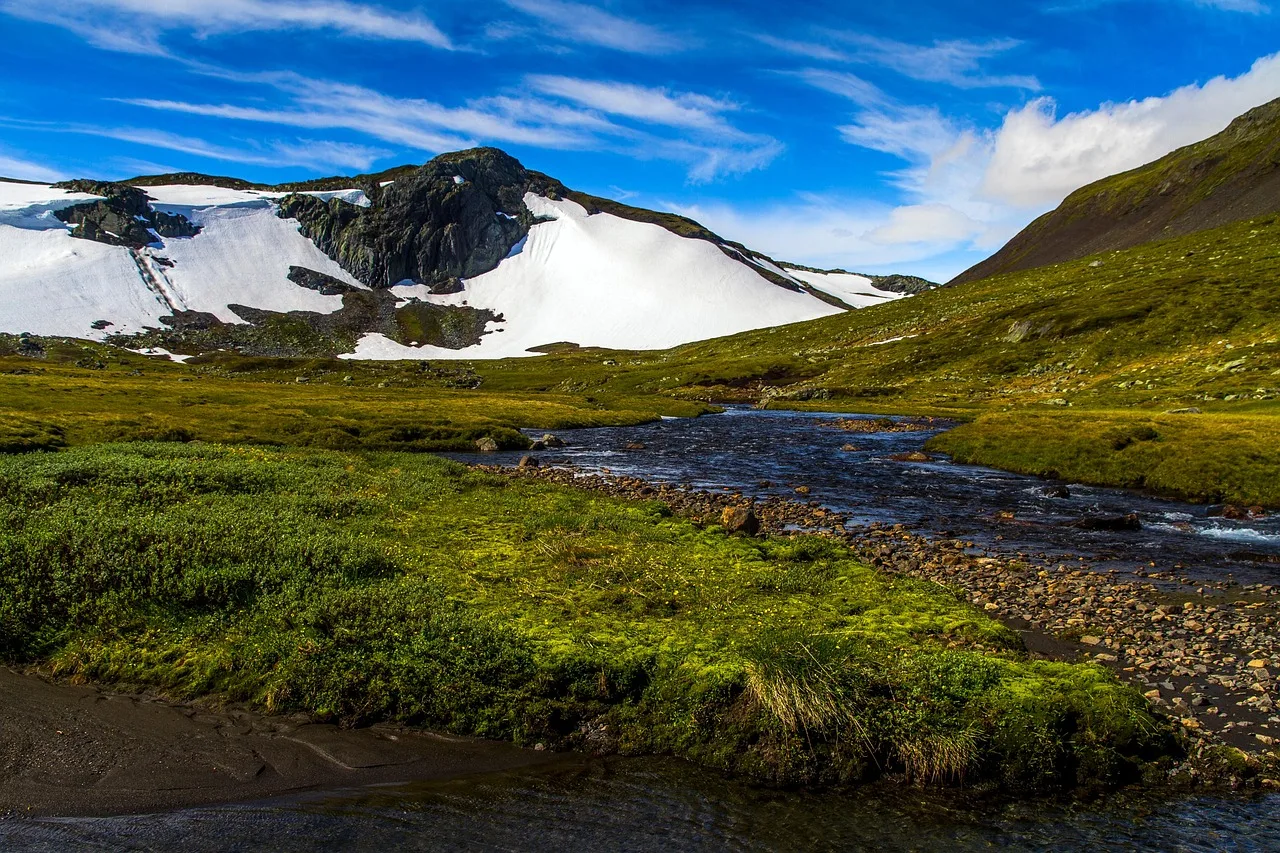
"dere" kelimesinin İngilizcesi: creek, stream, creek, glen, hollow. Anlamı, çevirisi, telaffuzu ve örnek cümleler aşağıdadır.
Çeviri
Genelcreeknoun
Genelstream
Genelcreek
Genelglen
Genelhollow
Genelrun
Genelvalley
Genelwatercourse
Genelstream
Genelstream
Genelsmall rivernoun
Görsel
Çekim Tablosu
Belirtme (-i)dereyi
Yönelme (-e)dereye
Bulunma (-de)derede
Çıkma (-den)dereden
Tamlayan (-in)derenin
Çoğul (-ler)dereler
Tanım
•isim, coğrafya: Çaydan küçük, yazın kuruyan veya suyu azalan küçük akarsu
•coğrafya: İki dağ veya tepe sırtı arasındaki uzun çukur
•Damlarda yağmur sularını toplayarak oluğa veren çinko veya kiremit yol
Atasözü & Deyim
“Kaya uçmazsa, dere dolmaz”
“Bir tepe yıkılır, bir dere dolar”
“Dereyi (çayı, ırmağı) geçerken at değiştirilmez”
Diğer Dillerde
Almanca(Lauf-)Route, Abstieg, antreten, antreten (inceptive), anwerfen, aufgehen (eril) /ˈapˌʃtiːk/
dismounting, the act of getting off something · descent, going downwards (e.g. from a hill) · relegation, sinking to a lower league
çekim: çoğul Abstiege · tamlayan Abstiegs
eş: Niedergang
zıt: Aufstieg
köken: Verbal noun of absteigen, derived from the past-tense grade stieg ab. Possibly attested as Middle High German abestic, if this has a short vowel (rather than more probable abestīc); compare also abesteic. Analysable as ab + Stieg.
DP: — Derek :
to sink · to cast (metal); to pour (liquid) · to flow, to run; to slip, to skid
çekim: geçmiş coulé · ortaç coulé · şimdiki coule · ulaç coulant
eş: prendre l’eau, glisser
köken: Inherited from Old French, from Latin cōlāre (“filter, strain, purify”).
aile: coulant, coulée, couler à flots, couler de source, couler un bronze, couloir, écouler, nœud coulant, se la couler douce
DP : — Derek :
Le bateau de croisière MV Explorer a commencé à couler après avoir heurté un iceberg.
İspanyolcaandar, apeonar, arrancar, aspirar a, candidatear, candidatearse /anˈdaɾ/
to walk, to go · to amble, to travel · to ride
çekim: geçmiş anduve · ortaç andado · şimdiki anda
eş: ir, irse, dirigir, dirigirse, encaminarse, moverse
köken: Inherited from Early Medieval Latin andāre, of uncertain origin. The preterite's origin is unclear, most likely generalized from the preterite of haber (“to have”), hub- (note that b and v are pronounced identically; compare the same development in tener, and more alike to this verb, estar).
aile: a largo andar, a poco andar, anda con Dios, andada, andadera, andador, andadora, andadura, andamio, andana
DP: — Derek :
Ando en bicicleta.
¿Cómo andarse en las redes sociales?.
Andaba en mis asuntos, cuando repentinamente se cortó la electricidad.
İtalyancaaddiaccio, condurre, correre, corsa, corsetta, corso d'acqua (eril) /adˈdjat.t͡ʃo/
pen, run or fold (for animals at night) · bivouac
çekim: çoğul addiacci
köken: From Latin adiacēre (“to lie beside”).
aile: all'addiaccio
DP: — Derek :
Rusçaбаллоти́роваться, бег, бе́гать, бежа́ть, везти́, вести́ /bʲek/
running (as in athletics or track and field)
çekim: çoğul бега́ · tamlayan бе́га
eş: бегание, полёт
köken: Inherited from Proto-Slavic *běgъ.
ПД: — Derek :
Arapçaالْوَادِي, جَرَى, رَكَضَ, وَادٍ
الدرجة — & Derece
Farsçaدو /ˈdu/
C, Do (the first note of the fixed-Do solfège scale)
köken: Etymology tree Proto-Indo-European *dwóh₁ Proto-Indo-Iranian *dwáH Persian دو Inherited from Middle Persian 𐭲𐭥𐭩𐭭 (tʿyn /dō/), from Proto-Iranian *dwáH, from Proto-Indo-Iranian *dwáH, from Proto-Indo-European *dwóh₁. Indo European cognates include Northern Kurdish du, Northern Luri دوو (doo), Pashto دوه (dwa), Avestan 𐬛𐬎𐬎𐬀 (duua), Sanskrit द्व (dvá), Hindi दो (do) / Urdu دو (do), Punjabi ਦੋ (do)…
Azericedərə, qaçış, qaçma, vadi, yüyürmək
valley · gorge, ravine, canyon
çekim: çoğul dərələr · tamlayan dərənin
köken: From Persian دره (darre).
valley · wilderness
çekim: çoğul алқаптар · tamlayan алқаптың
eş: алап, аңғар
Özbekçevodiy, yugurmoq
valley
çekim: çoğul vodiylar · tamlayan vodiyning
köken: Borrowed from Arabic وَادٍ (wādin).
Tatarcaйөгерергә, үзән
Felemenkçekandideren, ladder, loop, lopen, vallei
to nominate as candidate · to nominate oneself as candidate
çekim: geçmiş kandideerden · ortaç gekandideerd · şimdiki kandideert · ulaç kandiderend
köken: From German kandidieren. By surface analysis, kandidaat + -eren.
aile: kandidering
DP: — Derek :
Ze kandideerde zich voor de positie van burgermeester.
De partij wil hem niet kandideren.
Ik wil niet kandideren.
Portekizcevale (eril) /ˈva.li/
valley
çekim: çoğul vales
köken: From Old Galician-Portuguese vale, val, from Latin vallis (“valley”).
0 graus — 0 derece
valley
çekim: çoğul κοιλάδες · tamlayan κοιλάδας
DP: — Derek :
run (act or instance of running) · run (execution of a program) · run (score in baseball)
çekim: geçmiş ランした
köken: Borrowed from English run.
aile: アーンドラン, ウィニングラン, エンドラン, オーバーラン, 帰宅ラン, さよならホームラン, スピードラン, スリーラン, セカンドラン, 早朝ラン
0 度 — 0 derece
valley
köken: Sino-Korean word from 溪谷 (“valley”)
0 도 — 0 Derece
a small stream or brook
çekim: çoğul bäckar · tamlayan bäcks
köken: From Old Swedish bækker, from Old Norse bekkr, from Proto-Germanic *bakiz, from Proto-Indo-European *bʰog-. Compare English beck
aile: bäckahästen, många bäckar små, många bäckar små gör en stor å, stämma i bäcken
& Grad — & Derece
to run (of living things: to move quickly on foot) · to run, to rush (to rush somewhere in order to accomplish a specific task) · to run, to race, to roll (to move across a surface in a particular direction)
çekim: geçmiş bieżono · şimdiki biegnie
eş: biegnąć, gnać, mknąć, pędzić, zasuwać, zaiwaniać
köken: Etymology tree Proto-Indo-European *bʰegʷ-der. Proto-Balto-Slavic *bḗˀgtei Proto-Slavic *běťi Old Polish biec Polish biec Inherited from Old Polish biec. Cognate with Lithuanian bė́gti (“to run”) and Ancient Greek φέβομαι (phébomai, “to flee”).
aile: dobiec, dobiegnąć, dobiegać, nabiec, nabiegnąć, nabiegać, nadbiec, nadbiegnąć, nadbiegać, obiec
DP: — Derek :
Pies biegnie do swojego pana.
Pociąg biegnie co dwadzieścia minut.
Chmury biegną po niebie.
Ukraynacaбалотува́тися, біг, бі́гати, бі́гти, пробі́жка /bʲiɦ/
running (as in athletics or track and field)
çekim: tamlayan бі́гу
köken: From Proto-Slavic *běgъ, ultimately from Proto-Indo-European *bʰegʷ-. Doublet of Фоб (Fob).
ДП: — Derek :
valley, basin
çekim: çoğul घाटियाँ
köken: Feminine of घाट (ghāṭ), घाटा (ghāṭā); see there for more.
An area surrounded by fences; a yard, corral.
çekim: çoğul aitaukset · tamlayan aitauksen
köken: aidata + -us
aile: jaloitteluaitaus, karja-aitaus, kuoriaitaus, köysiaitaus, paaluaitaus, poroaitaus, susiaitaus
0° — 0 derece
Çekçeběh, běhat, běžet, dolina, fungovat, kandidovat (eril) /ˈbjɛx/
run (act of running) · running
çekim: çoğul běhy · tamlayan běhu
eş: běžení, utíkání, chod, průběh
köken: Inherited from Old Czech běh, from Proto-Slavic *běgъ.
DP: — Derek :
to run (move quickly) · to goad someone about, in chase or for one’s own purposes · to run around (busy oneself in pursuit of something)
çekim: geçmiş alergat · ortaç alergat · şimdiki aleargă
köken: Probably from a Vulgar Latin root *allargāre, from Latin largus (“abundant, plentiful”). Other theories derive it ultimately from a derivation or alteration of Latin legāre or alegāre. Compare Aromanian alag, alãgari; compare also Albanian largoj (“to leave”), Italian allargare (“to widen”).
aile: alergare, alergător, alergătură, leneșul mai mult aleargă
DP: — Derek :
to run (to move forward quickly on the feet) · to be enough, to be able to afford to buy or make use of something (out of some resource -ból/-ből, on some objective -ra/-re)
çekim: geçmiş futottak
köken: From Proto-Uralic *pukta- (“to caper, jump, run”).
aile: futam, futamít → megfutamít, futamodik → megfutamodik, futár, futás, futkározik, futkos, futó → futólag, futtat, futtában
DP: — Derek :
İbraniceגַּיְא, מְנוּסָה, נִהֵל, עֵמֶק, ריצה, רָץ (dişil)
to satisfy, to please, to placate
çekim: geçmiş ריצית
0 מעלות — 0 Derece
Latincecurrō, vallēs, vallis /ˈwal.lɪs/
a valley, vale · a hollow
çekim: çoğul vallēs · tamlayan vallium
köken: Uncertain, but possibly from Proto-Indo-European *welH- (“to turn, wind, roll”), same source as Latin vāllum (“rampart”), North Frisian wal (“wall”), Dutch wal (“wall, rampart, embankment”), German Wall (“rampart, mound, embankment”), Swedish vall (“mound, wall, bank”).
aile: convallis, vallestria, vallicula, Vallōnia
Cur valle permutem Sabina divitias operosiores? (Hor, Odes 3, I)
dale, valley (elongated depression between hills or mountains)
çekim: çoğul dale · tamlayan dals
köken: From Old Danish dal, from Old Norse dalr (“valley”).
aile: bjergdal, dallandskab, dalside, dalstrøg, dalsænkning, ekkodal, floddal, sprækkedal, tunneldal, ådal
& Grad — & Derece
Norveççegå, kjøre, løpe, Løpe, springe
Skarphet (grader) — Keskinlik (derece)
Etimoloji
Inherited from Ottoman Turkish دَرَه (dere), from Classical Persian دَرَه (dara, “valley, crack”).
Deyimler
Örnek Cümleler
Derek :
DP:
0 Derece
0 Degrees
& Derece
& Degree
Derece I
Grade I
90 Derece
90 Degrees
75 Derece
75 Degrees
60 Derece
60 Degrees
45 Derece
45 Degrees
30 Derece
30 Degrees
15 Derece
15 Degrees
10 derece.
And what's our temperature?
49 derece.
49 degrees.
İlgili Sorular
İlgili / Bileşik Terimler
Geneldill
Genelbrown trout
Genelgobio gobio