Sözlük
/amma
amma
"amma" kelimesinin İngilizcesi: yet. Anlamı, çevirisi, telaffuzu ve örnek cümleler aşağıdadır.
Çeviri
Genelyetadv
Görsel

Tanım
•bağlaç: ama
•Yanına getirildiği kelimenin anlamına aşırılık katarak şaşma veya hayranlık anlatan bir söz
Atasözü & Deyim
“Dert gider amma yeri boş kalmaz”
“Oğlumu (evladımı) ben doğurdum amma gönlünü ben doğurmadım”
Diğer Dillerde
Almancaaber /ˈaːbɐ/
but; however; though
çekim: çoğul Abers · tamlayan Abers
eş: dagegen, hingegen, indes, indessen, jedoch, doch
köken: From Middle High German aber, aver, from Old High German aber, ābar, abur, aver, avur, afur, from Proto-Germanic *aferą (“behind”). Compare Bavarian owa (“but”), Luxembourgish awer (“but”), Saterland Frisian oaber (“but”), Middle Low German āver, German Low German aver (“but”).
aile: aber hallo, aber, aber
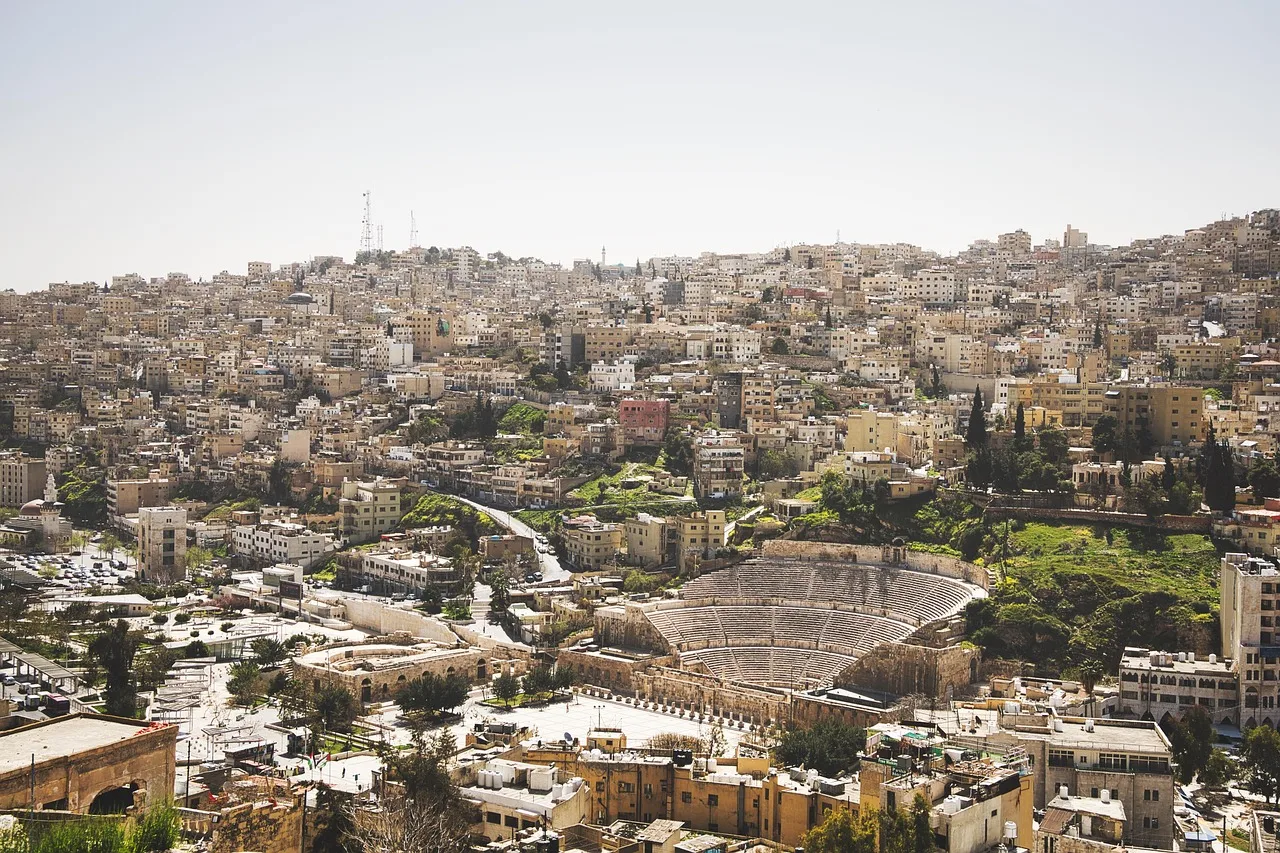
Asien/Amman — Asya/ Amman
Ich mag keine Orangen, aber ich mag Äpfel.
Fransızcaencore, jusqu'à présent, mais, or, pourtant /ɑ̃.kɔʁ/
still · more · again
köken: Probably from Old French ancor, from Late Latin in hanc hōram (“until this hour”). Compare Catalan and Occitan encara, Italian ancora. Sense 5 is a semantic loan from German noch (adverb).
aile: encore et encore, encore et toujours, encore heureux, encore que, encore une fois, et encore, et puis quoi encore, mais encore, pas encore, passe encore
Asie/ Amman — Asya/ Amman
Êtes-vous encore là?
Voulez-vous encore du pain ?
Tu en veux encore?
İspanyolcaalgún día, aún, aun así, mas, no obstante, sin embargo /alˌɡun ˈdia/
someday, one day (sometime; at some time in the future)
Asia/ Amán — Asya/ Amman
still · again · more
çekim: çoğul ancore
eş: al momento, al presente, anche adesso, anche ora, ancora oggi, attualmente
köken: Inherited from Vulgar Latin *hancōra, probably from Late Latin in hanc hōram (“until this hour”). Compare French encore, Occitan and Catalan encara.
aile: ancorché
Asia/ Amman — Asya/ Amman
Lavora ancora come barista.
Il gatto è scappato ancora.
Se possibile, vorrei ancora caffè.
Rusçaвсё ещё, всё же, всё-таки, вско́ре, до сих по́р, ещё /fsʲɵ (j)ɪˈɕːɵ/
still, yet, as yet (up to the present)
eş: ещё, до сих пор, пока что, так и, по сей день, поныне
Азия/ Амман — Asya/ Amman
Arapçaبَعْد, حَتَّى الْآن
آسيا/ عمّان — Asya/ Amman
Farsçaاینقدر, تا این اندازه, سرانجام, نیز, همچنین /ʔiːn.ˈqadr/
this much; so much
köken: From این (in, “this”) + قدر (qadr, “amount”).
چطور فارسی اینقدر زیباست؟
Felemenkçeal, maar toch, nog /ɑl/
all, all of
köken: From Middle Dutch al, from Old Dutch al, from Proto-West Germanic *all.
aile: algemeen, almacht, altijd, alzijdig
Azië/Amman — Asya/ Amman
Heb je al het bier opgedronken?
Van Gogh produceerde al zijn werk gedurende een periode van slechts tien jaar.
Alle olie is uit de tanker gelekt.
still, yet (up to a time) · even (emphasises a comparative) · someday (at some time in the future)
köken: From Old Galician-Portuguese aynda, from paragogic a- + inda, from Latin inde (“thenceforth”).
aile: ainda assim, ainda bem, ainda por cima, ainda que
Que divertido... — Amma komik!
Ainda não almocei.
Falta ler um livro ainda.
O Canadá é ainda mais frio que os Estados Unidos.
Yunancaακόμα /aˈkoma/
yet, still · more, remaining, other · even + και (kai)
köken: With stress shift, from Byzantine Greek ἀκομήν (akomḗn), anaptyctic form of Ancient Greek ἀκμήν (akmḗn), from ἀκμή (akmḗ). Compare Mariupol Greek ако́ма (akóma).
aile: όχι ακόμα
Ασία/ Αμμάν — Asya/ Amman
Είναι ακόμα ζωντανός.
Χρειάζομαι ακόμα δύο μέρες.
Ακόμα και η Ελένη είπε ναι!
Korece아직 /a̠d͡ʑik̚/
still · yet, not yet
köken: First attested in the Worin seokbo (月印釋譜 / 월인석보), 1459, as Middle Korean 아직〮 (Yale: àcík), also attested as 안ᄌᆞᆨ〮 (Yale: àncók), 안직〮 (Yale: àncík). All three MK forms are preserved in various dialects, but only the non-nasal one is accepted in the standard Seoul variety.
나 미치고 환장하겠네 — Amma komik!
"아직도 한참 남은 일이라서, 지금은 그것에 대해서 생각하지 않고 있어요"라고 말했다.
아이가 있습니까? — 아니요, 아직 없습니다.
해 떴어? — 아직.
İsveççeän, ännu, men, till, ytterligare /ɛnː/
still, yet (of time) · yet (additionally) · no matter
köken: From Old Norse enn, from Proto-Germanic *andi, from Proto-Indo-European *h₂entí.
Asien/ Amman — Asya/ Amman
Är du kvar än?
Det är inte midnatt än
Än så är det vinter
how (to what degree or extent)
çekim: çoğul jaki · tamlayan jaka
eş: reg. śl. jakóż, jeśli, jeżeli, skoro
köken: Etymology tree Proto-Indo-European *ís Proto-Balto-Slavic *is Proto-Slavic *jь Proto-Indo-European *-kos Proto-Balto-Slavic *-kas Proto-Slavic *-kъ Proto-Slavic *jakъ Proto-Slavic *jako Old Polish jak Polish jak Inherited from Old Polish jak.
Azja/ Amman — Asya/ Amman
Jak masz na imię?
Jak się masz?
Jak to zrobiłeś?
yet, more · else · still
köken: From Proto-Slavic *(j)ešče (“still, yet”), from Proto-Indo-European *h₁esk(ʷ)e(h₁). Cognate with Russian ещё (ješčó).
Азія/ Амман — Asya/ Amman
still (up to a time, as in the preceding time) · onward, onwards, forward, forwards, further (advancing forward, in a desired direction) · further, furthermore, in addition
köken: edelle (“ahead; to the front”) (allative of esi- (“front”)) with a possessive suffix. Became common in the modern sense only in the late 19th century.
aile: edelleenkin, edelleenkään, edelleenkuljetus, edelleenlähettää, edelleenlähetys, edelleenohjaus, edelleenvuokraus
Aasia/ Amman — Asya/ Amman
Asuuko hän edelleen siellä?
lähettää edelleen
toimittaa edelleen
until now, up to now, so far
eş: doposud, dosavad, doposavad, posud, doteď, dotud
Asie/ Amman — Asya/ Amman
still, yet · one more
köken: Inherited from Latin umquam.
Asia/ Aman — Asya/ Amman
El este încă ocupat.
Ea nu este încă gata.
A venit încă unul.
still, (in negation) yet · more (equivalent to több/többet or tovább in negations) · even
zıt: már
aile: méghozzá, mégis, mégsem, még mindig
Ázsia/ Amman — Asya/ Amman
Még itt vagyok.
Még nem vagyok ott.
Van még kérdés?
Only. · Now, just, hardly.
aile: אַךְ וְרַק
אסיה/ עמאן — Asya/ Amman
וְעַתָּה שָׂא נָא חַטָּאתִי אַךְ הַפַּעַם וְהַעְתִּירוּ ה׳ אֱלֹקֵיכֶם וְיָסֵר מֵעָלַי רַק אֶת־הַמָּוֶת הַזֶּה׃
Latinceadhuc, atquī, hactenus /aˈduːk/
so far, thus far, hitherto, still, yet · to this place · again; furthermore; moreover; besides (used in scholastic debates to introduce an additional point in one's argument)
zıt: hinc
köken: Univerbation of the phrase ad hūc (+ce) (“till here, till just now”).
piscis adhūc illī populō sine fraude natābat,
Kallenavnet var B-P. — Tam adı Abū Naṣr Moḥammad b.
Endonezcenamun /ˈnamun/
however (In spite of what preceded; yet)
köken: Inherited from Malay namun, compare to Sundanese namung (“despite”).
Lucu sekali — Amma komik!
Vietnamcachưa /t͡ɕɨə˧˧/
not yet · Interrogative completive particle
aile: chết chưa, chưa biết chừng, chưa chi, chưa chừng, chưa ráo máu đầu
Châu Á/ Amman — Asya/ Amman
Mày chưa chết hử?
Em thấy buồn ngủ chưa?
Slovakçaaj tak, doposiaľ, doteraz, ešte, ešte len, lenže /dɔteras/
until now, up to now, so far
köken: Etymology tree Slovak do Slovak teraz Slovak doteraz From do + teraz.
Ázia/ Ammán — Asya/ Amman
yet; still · some more; still more · else, if not (often or ever followed by subjunctive)
zıt: jau
köken: Cognate with Lithuanian dabar (“now”), Armenian դեռ (deṙ, “still, yet”), Proto-Slavic *dobrъ (“good, suitable”).
Iš miesto plentai veda į Damaską ir Bagdadą. — Dammam'a ve El Huber'e oldukça yakındır.
Mán rei̇̃kia dár pi̇́eno.
Kai̇̃p tadà dár bū́tų gãlima tai̇̃ išsprę́sti?
Dár geriaũ — dabar̃ ji̇̀s užsimãnė ãtlygio!..
Etimoloji
Arapça
Deyimler
Eş & Zıt Anlamlılar
Örnek Cümleler
Amma komik!
How amusing.
Asya/ Amman
Asia/ Amman
Amma sıkıcı.
What a drag!
Amma şirket.
What a company.
Daha Az Gamma
Less Gamma
Daha Çok Gamma
More Gamma
Amma basitmiş.
That's simple.
Ammanworld. kgm
Amman
Gammaz değilim.
I'm not a tattletale.
Amma sağlammış.
Ahh this isn't it
Deqo Mohammad :
DM:
Amma da yaptın!
Get along with you!
Birleşik Kelimeler
amma velakin