Sözlük
/şort
şort
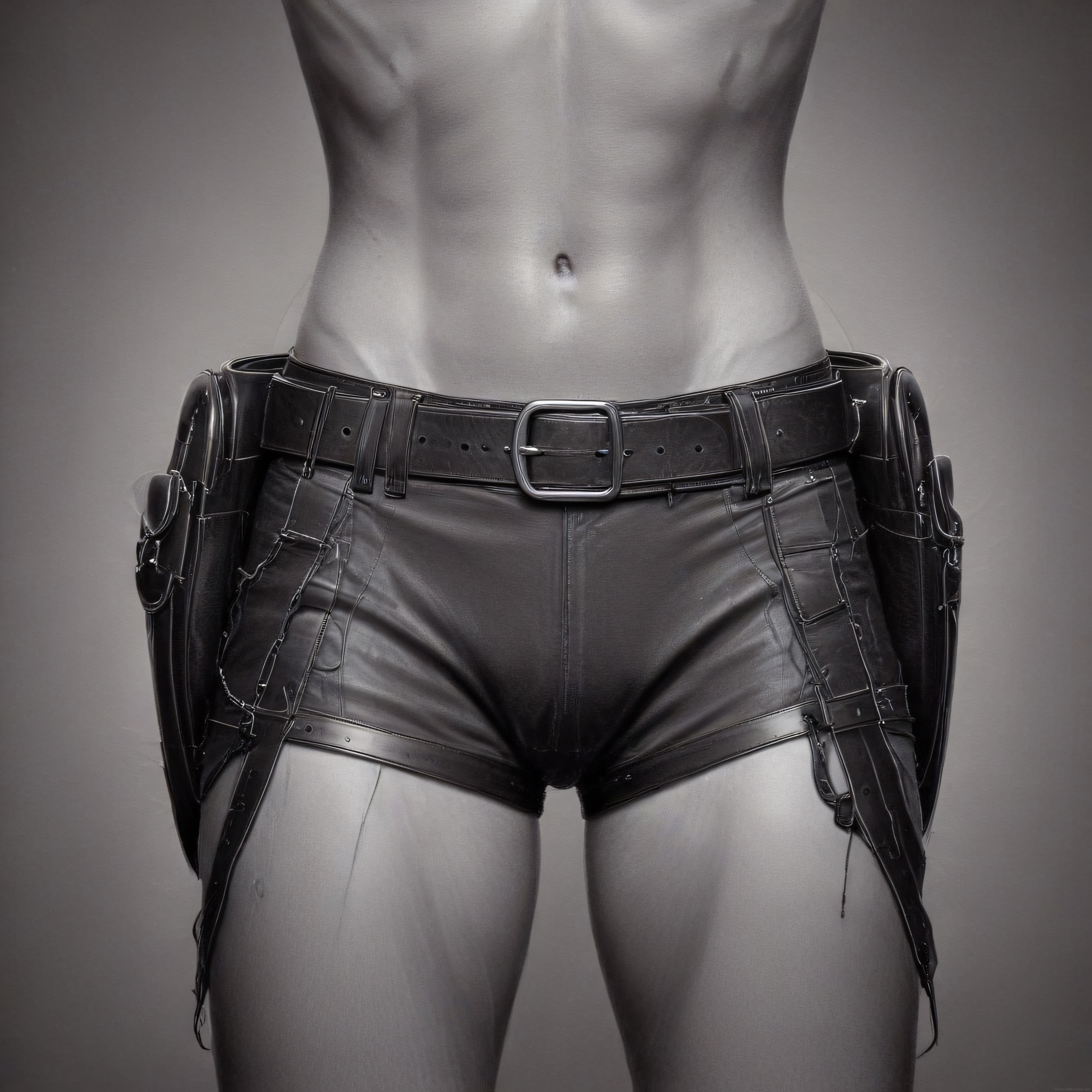
"şort" kelimesinin İngilizcesi: shorts, short. Anlamı, çevirisi, telaffuzu ve örnek cümleler aşağıdadır.
Çeviri
Genelshortsnoun
Genelshort
Görsel



Çekim Tablosu
Belirtme (-i)şortu
Yönelme (-e)şorta
Bulunma (-de)şortta
Çıkma (-den)şorttan
Tamlayan (-in)şortun
Çoğul (-ler)şortlar
Tanım
•Paçaları dizlerin yukarısında olan kısa pantolon
•Genellikle bazı sporları yaparken giyilen, paçaları dizlerin yukarısında başlayan kısa pantolon
Diğer Dillerde
Almancaklein, kurz, kurz (für), kurze Hose, kurzschließen, Shorts /klaɪ̯n/
small, little, wee (in physical size or extent) · small, little, young (not grown up) · insignificant (of little influence or means; of people)
çekim: karşılaştırma kleiner · üstünlük am kleinsten
eş: lützel, gering, geringfügig, nieder, niedrig, unbedeutend
zıt: groß
köken: Inherited from Middle High German klein, kleine, from Old High German kleini, from Proto-West Germanic *klainī (“shining, fine, splendid, tender”), perhaps from Proto-Indo-European *gleh₁y- (“to cleave, stick”). Cognate with Dutch klein and English clean. Doublet of clean. For a similar semantic development, cf. zierlich (orig. "decorative", today "petite").
aile: Kleinasien, Kleinbuchstabe, kleinbürgerlich, kleindeutsch, kleiner, Kleingarten, Kleingeld, Kleinigkeit, kleinkariert, Kleinkind
SO-6 Massensortierer — SO- 6 Bulk Sorter
Von hier aus können Sie mit einem kleinem Handelsschiff und einem Scout die außerhalb des Atolls liegenden Inseln erforschen.
Einige Schritte weiter überquert der Prospekt die Eisenbahnlinie nach Adler und das Tal eines kleines Flusses.
Hänschen klein / geht allein / in die weite Welt hinein
Fransızcabref, court, court-circuiter, petit /bʁɛf/
brief (of short duration)
köken: From Old French brief, from Latin brevis. A folk etymology derives it as an acronym of Bon, Revenons-En aux Faits, but this is completely inaccurate.
aile: dans les plus brefs délais, en bref
Trieuse de masse SO-6 — SO- 6 Bulk Sorter
Il lui envoya un bref message de quelques lignes seulement.
İspanyolcabajo, canijo, chato, corto, pantalón corto, pantaloncito /ˈbaxo/
short (of little height) · low, ground (situated close to the ground) · low, bottom, poor (not high in status, amount or quality)
çekim: çoğul bajos
eş: debajo de
zıt: alto
köken: Inherited from Late Latin bassus. Cognate with English base and bass.
aile: altibajo, altos y bajos, Baja Austria, Baja Edad Media, Baja Sajonia, baja tensión, bajísimo, bajito, bajo alemán, bajo cuerda
Gran clasificador SO-6 — SO- 6 Bulk Sorter
Me cuesta entender a gente con acentos de baja clase.
İtalyancaabbreviazione, all'improvviso, basso, calzoncini, cartuccia, di colpo (dişil) /ab.bre.vjatˈt͡sjo.ne/
abbreviation, initialism, acronym, short (for)
çekim: çoğul abbreviazioni
eş: accorciamento, abbreviamento, sigla, compendio, riduzione
köken: Learned borrowing from Ecclesiastical Latin abbreviātiōnem.
Selezionatore SO-6 Bulk — SO- 6 Bulk Sorter
Rusçaшорты (dişil) /ˈʂortɨ/
shorts (pants worn primarily in the summer that do not go lower than the knees)
çekim: çoğul шо́рты · tamlayan шорт
köken: Borrowed from English shorts.
Сортировщик SO- 6 — SO- 6 Bulk Sorter
short · too short, defective · small
köken: Cognate with Hebrew קצר (katsár, “short”) and Amharic አጭር (ač̣ər, “short”).
مصنّف أحمال SO- 6 — SO- 6 Bulk Sorter
short, low (in stature) · short (in length) · short (in duration)
çekim: karşılaştırma کوتاهتَر · üstünlük کوتاهتَرین
zıt: بلند, طولانی, دراز, طویل
köken: From Middle Persian [Term?] (/kotāh/). Cognate with کودک (kudak, “child”) and کوچک (kuček, “small”); see کودک (kudak) for more.
aile: کوتاهی, داستان کوتاه, کوتاه کردن, کوتاه شدن, دست کوتاه, قد کوتاه, کوتاه اندیش, کوتاه بین, کوتاه نظر
درخت اگر بلند باشد، روزی ۱۲ سطل شاتوت میچینیم. ولی اگر درخت کوتاه باشد، روزی ۲۰ سطل را پر میکنیم.
طناب کوتاه
فیلم کوتاه.
short · brief, laconic
çekim: karşılaştırma daha qısa · üstünlük ən qısa
zıt: uzun, uzun-uzadı
köken: Ultimately from Proto-Turkic *kïs- (“short, narrrow, to squize”). Cognate with Karakhanid قِسْغا (“qïsɣā”), Turkish kısa, Turkmen gysga, Salar qısga, Crimean Tatar qısqa, etc.
aile: qısaca
qısa dalğalar
uzun sözün qısası
qısa müddətdən sonra
short
köken: From Proto-Turkic *kɨsga (“short”), from *kɨs- (“to press, squeeze”). Cognate with Bashkir ҡыҫҡа (qıśqa), Uzbek qisqa, Crimean Tatar qısqa, Turkmen gysga, Turkish kısa, Khakas хысха (xısxa), etc.
aile: қып-қысқа, қысқалық
short · brief
çekim: karşılaştırma qisqaroq · üstünlük eng qisqa
köken: From Proto-Turkic *kïsga (“short”). Cognate with Turkish kısa (“short”).
Felemenkçeafkorting, binnenkort, kort (voor), korte broek (dişil) /ˈɑfˌkɔrtɪŋ/
abbreviation · abridgement
çekim: çoğul afkortingen
eş: abbreviatie
köken: From afkorten + -ing.
SO-6 bulksorteerder — SO- 6 Bulk Sorter
short · immoral and/or unfair
çekim: çoğul baixos
zıt: alto
köken: From Old Galician-Portuguese baixo, from Late Latin bassus (“low, short”). Compare English bass, Spanish bajo.
aile: baixio, baixista, roupa de baixo
Ordenador de Blocos SO- 6 — SO- 6 Bulk Sorter
Yunancaκοντός, παντελονάκι, σορτς, σορτσάκι, σύντομος /konˈdos/
short (in height)
çekim: karşılaştırma κοντύτερος · üstünlük κοντύτερος
eş: βραχύσωμος, κοντακιανός, κοντοκλότσης, κοντόπαχος, κοντοπίθαρος, κοντορεβιθούλης
köken: * Sense pole: from Ancient Greek κοντός (“pole”) (noun). * Sense short: from the Hellenistic Koine Greek κοντός (kontós, “short”) (adjective) from the ancient sense Ancient Greek κοντός (“pole”) which referred to shorter kinds of poles, hence the sense shortness.
aile: κοντά, κονταίνω, κοντεύω, κοντινός, κοντο- compounds
SO- 6 μονάδα ταξινόμησης — SO- 6 Bulk Sorter
shorts
köken: Borrowed from English shorts.
SO-6 バルクソータ — SO- 6 Bulk Sorter
Korece반바지 /ˈpa̠(ː)nba̠d͡ʑi/
shorts
eş: 짧은바지
köken: From 반(半) (ban, “half”) + 바지 (baji, “trousers, pants”).
SO- 6 벌크 정렬기 — SO- 6 Bulk Sorter
inflection of blank: · plural
çekim: geçmiş blankade · ortaç blankad · ulaç blankande
SO- 6 bulksorteringsenhet — SO- 6 Bulk Sorter
I stallet blankade Petter seldonen In the stable, Petter polished the harnesses
Hela huset vändes upp och ner, flygeln målades om, korna i ladugården blankades, trädgårdslanden snyggades upp
Då blankades teknikaktierna för fullt, vilket gick lätt att räkna hem.
short (having a small distance from one end or edge to another) · short (having little duration) · short
çekim: karşılaştırma krótszy · üstünlük najkrótszy
eş: niedługi, krótkotrwały, krótkoterminowy, zwięzły, lakoniczny, skrótowy
zıt: długi
köken: Etymology tree Proto-Indo-European *(s)ker-der. Proto-Balto-Slavic *kártas Proto-Slavic *kõrtъ Proto-Indo-European *-kos Proto-Slavic *-kъ Proto-Slavic *-ъkъ Proto-Slavic *-ъkъ Proto-Slavic *kortъ̀kъ Old Polish krótki Polish krótki Inherited from Old Polish krótki.
aile: krótkodystansowy, krótkofalowy, krótkometrażowy, krótkorogi, krótkoterminowy, krótkotrwały, krótkowąsy, krótkowłosy, krótkowzroczny, krótkozasięgowy
Sortownica SO- 6 — SO- 6 Bulk Sorter
Perbrevis ‒ Barzokrotki
Kutch (a district of Gujarat, in western India)
çekim: çoğul कच्छों
köken: Borrowed from Sanskrit कच्छ (kaccha), perhaps related to Avestan 𐬐𐬀𐬱𐬀 (kaša).
प्राचीन काल में कच्छ में अरब और अफ़्रीकी लोग व्यापार करने आते थे।
quickly, rapidly, promptly, fast · unexpectedly, out of the blue, abruptly, suddenly
köken: From Proto-Finnic *äkkidä, the partitive singular of *äkki. Cognates include Estonian äkki, Ingrian äkkii, Karelian äkkie, Veps äkkid and Votic äčči.
aile: yhtäkkiä
SO- 30 bulkkilajittelija — SO- 30 Bulk Sorter
Nyt äkkiä tänne!
Tämä tuli kyllä vähän äkkiä, mutta totta kai minä suostun.
Çekçekrátký, malý, šortky, zkrácený, zkratovat, zkratovat se /ˈkraːtkiː/
short
çekim: karşılaştırma kratší · üstünlük nejkratší
eş: kratičký, stručný, nedlouhý, kratičký, stručný
zıt: dlouhý
köken: Inherited from Old Czech krátký, from Proto-Slavic *kortъkъ.
Kde máš tričko? Ičko! — Tişörtün nerede? şört!
Rumenceabreviere, pantaloni scurți, prescurtare, scund, scurt, șort (dişil) /a.bre.viˈe.re/
abbreviation
çekim: çoğul abrevieri · tamlayan abrevieri
zıt: lungire
köken: From abrevia + -re.
Sortator de volum SO- 6 — SO- 6 Bulk Sorter
Macarcaalacsony, kurta, megrövidít, rövid, rövidnadrág, rövidre zár /ˈɒlɒt͡ʃoɲ/
short (in stature), low
çekim: karşılaştırma alacsonyabb · üstünlük legalacsonyabb
zıt: magas
köken: From al (“bottom part”) + -cs (diminutive suffix) + -ny (adjective-forming suffix). Cognate with Moksha алня (alnä), Erzya алкине (alkine)
aile: alacsonyan, alacsonyít → lealacsonyít, alacsony Föld körüli pálya
SO- 6 tömeges szortírozó — SO- 6 Bulk Sorter
Nem rossz hely, és az árak is alacsonyak.
ממיין המוני SO- 6 — SO- 6 Bulk Sorter
short, small, little, narrow · brief, short · short, low, shallow
çekim: karşılaştırma brevior · üstünlük brevissimus
eş: parvus, parvus
zıt: longus, altus
köken: From Proto-Italic *breɣʷis, from Proto-Indo-European *mréǵʰus. Cognates include Ancient Greek βραχύς (brakhús), English merry, Sanskrit मुहु (muhu).
aile: amphibrevis, bibrevis, brevī, breviculus, brevigerulus, breviloquēns, breviloquium, breviloquus, breviō, brevitas
Sōlēs occidere et redīre possunt: nōbīs cum semel occidit brevis lūx,
Dancakort, kortslutte, lav, shorts /kɔrt/
short · brief
çekim: karşılaştırma kortere · üstünlük kortest
köken: From Middle Low German kort, from Old Saxon *kurt, from Proto-West Germanic *kurt, cognate with German kurz, Dutch kort.
aile: kortbenet, korte, kortfilm, kortform, korthed, korthåret, kortklippet, kortlivet, kortrækkende, kortsigtet
SO- 6- bulksortering — SO- 6 Bulk Sorter
Etimoloji
İngilizce short (en)
Örnek Cümleler
Tom şort giymiş.
Tom is in shorts.
Tom şort giyiyor.
Tom is wearing shorts.
SO- 6 Bulk Sorter
SO-6 Bulk Sorter
SO- 30 Bulk Sorter
SO-30 Bulk Sorter
Tom şort giyiyordu.
Tom was wearing shorts.
Üzerimde şort vardı.
I had shorts on.
Dün şort giyiyordum.
I was wearing shorts yesterday.
Boksör şortu giyerim.
I wear boxers.
Onlar şort giyiyordu.
They were wearing shorts.
Tom deri şort giyiyor.
Tom is wearing leather shorts.
Bu çocuk şort giyiyor.
This kid is wearing shorts.
Everything sorted out?
Everything sorted out?