Sözlük
/zemin
zemin
"zemin" kelimesinin İngilizcesi: ground, earth (1), floor, ground, mother. Anlamı, çevirisi, telaffuzu ve örnek cümleler aşağıdadır.
Çeviri
Genelgroundnoun
Genelearth (1)
Genelfloor
Genelground
Genelmother
Genelbackground
Genelfloor
Genelfloor
Görsel
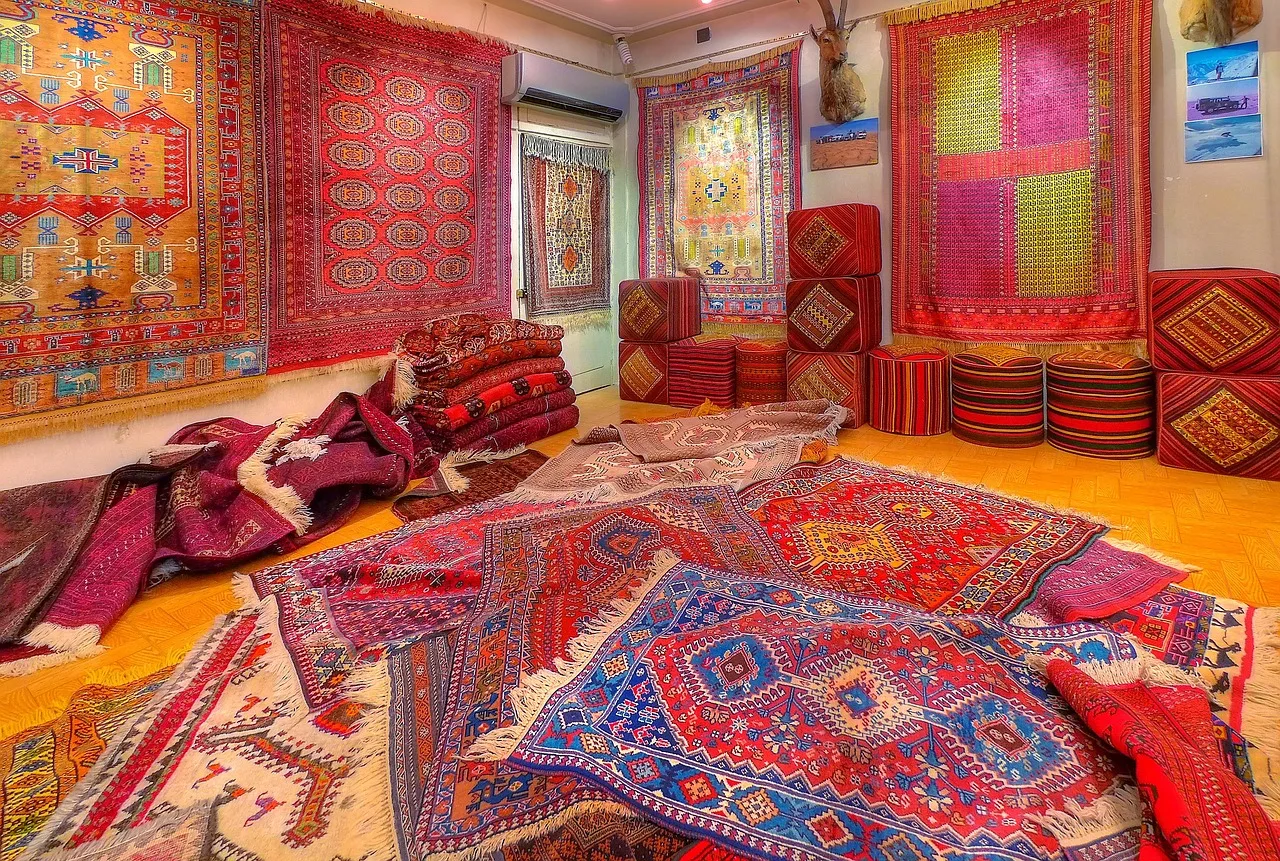
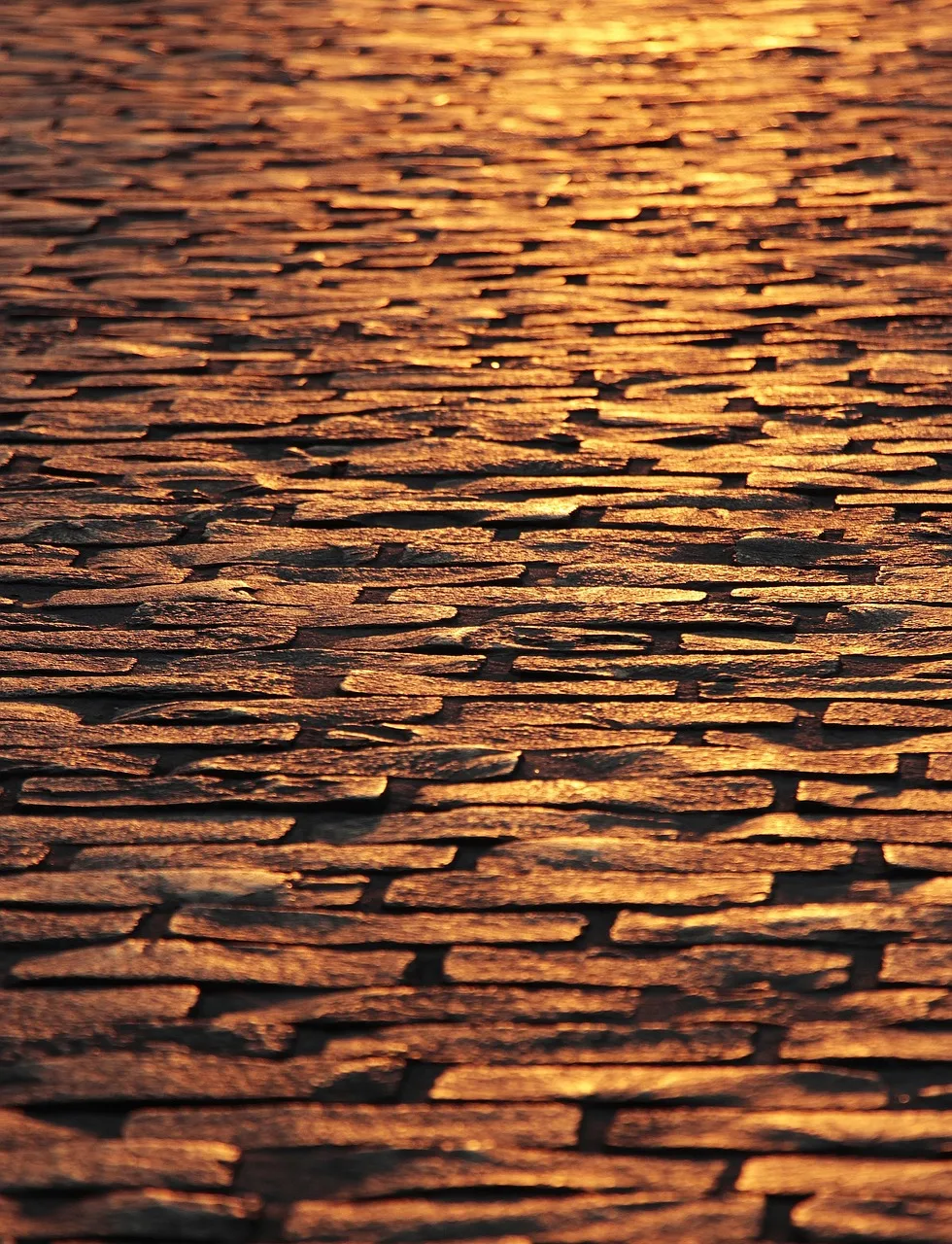
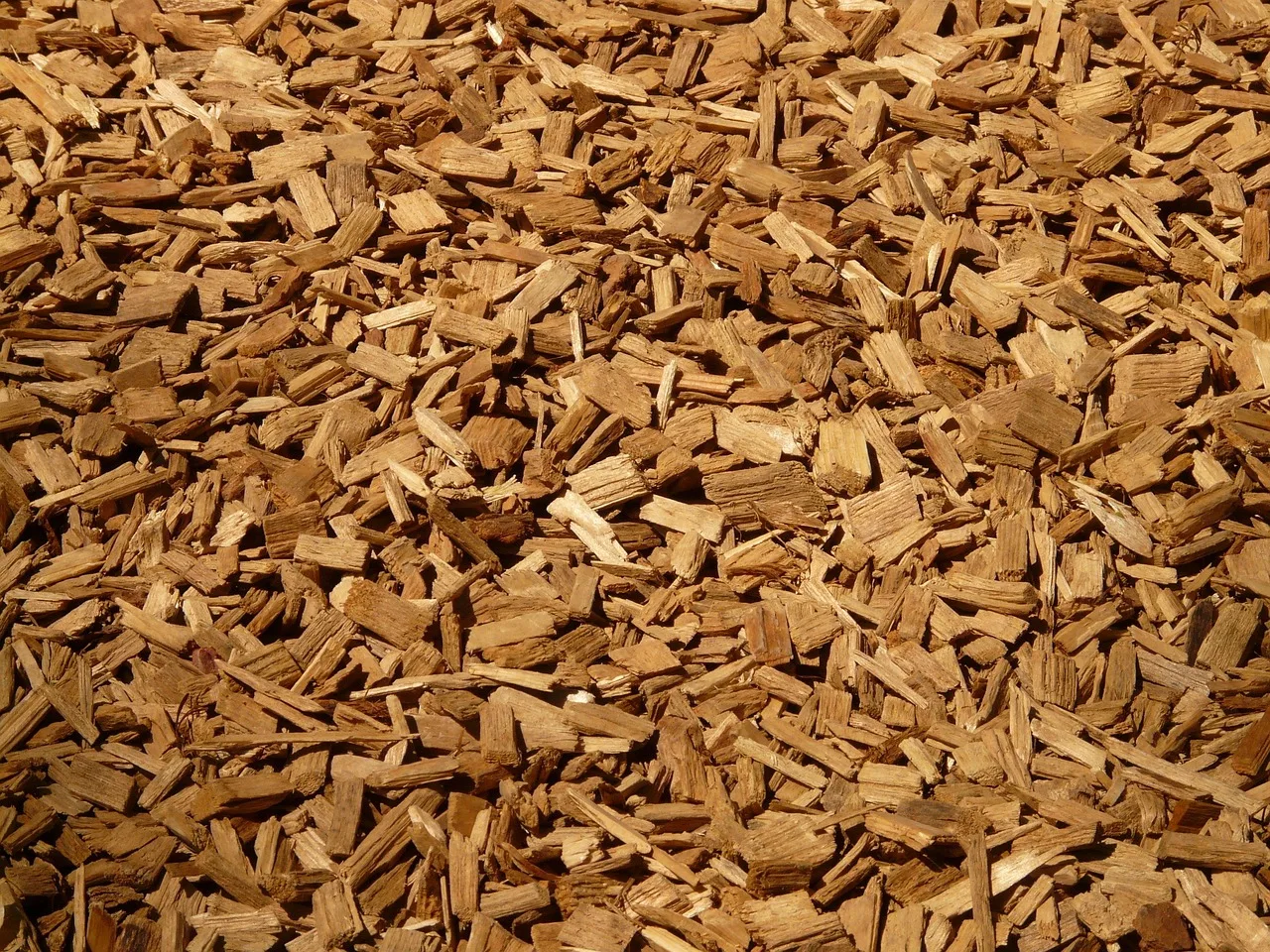
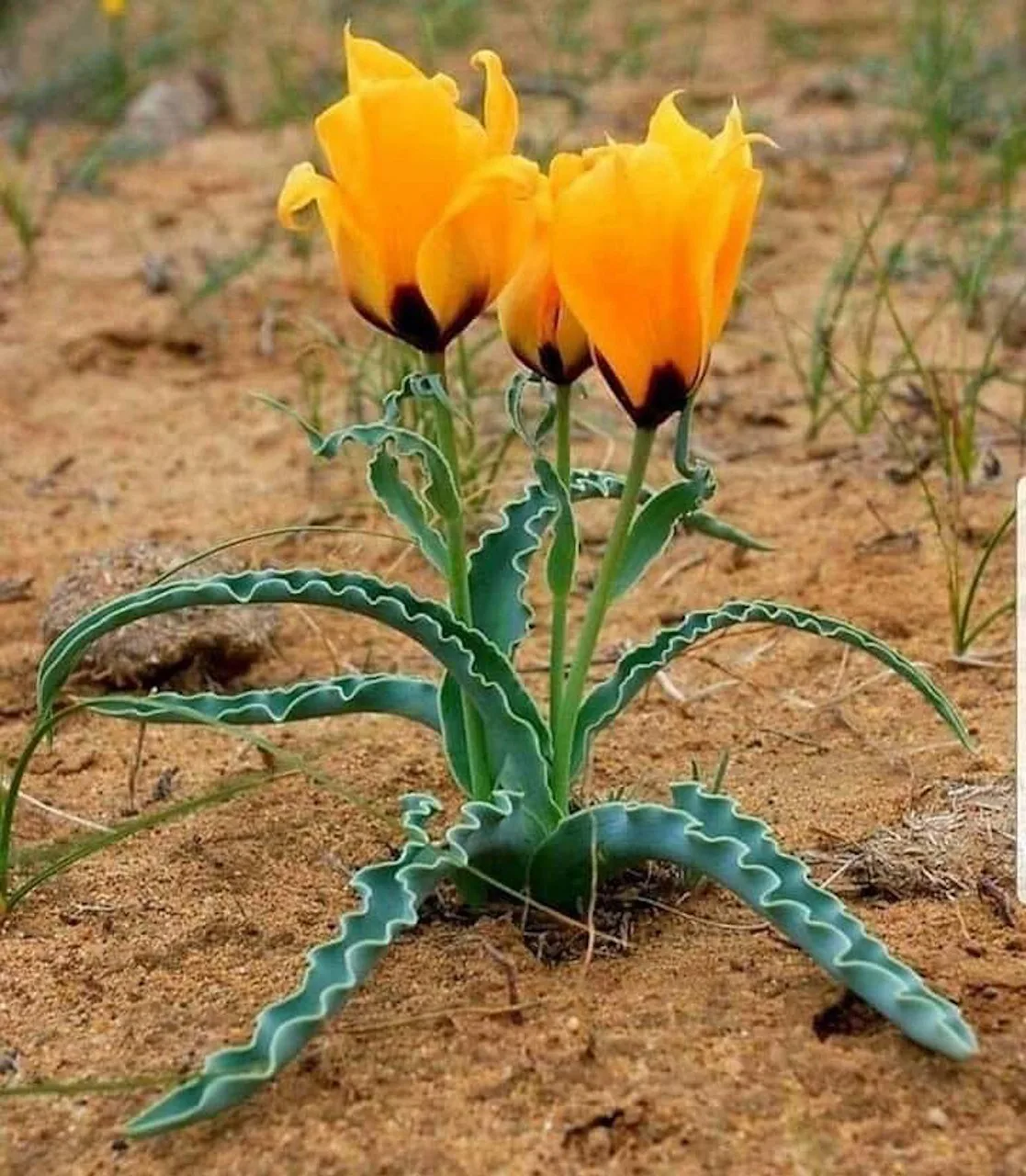
Çekim Tablosu
Belirtme (-i)zemini
Yönelme (-e)zemine
Bulunma (-de)zeminde
Çıkma (-den)zeminden
Tamlayan (-in)zeminin
Çoğul (-ler)zeminler
Tanım
•isim: taban (I)
•Kumaş, süslü kâğıt, halı, yer muşambası, tablo vb. desenli nesnelerde, biçimlerin üzerinde yer aldığı renk
•mecaz: temel
•mecaz: ortam
•eskimiş: dünya
•spor: Oyun sahasının yüzeyi
Diğer Dillerde
ground, soil · sea bottom (typically called Meeresboden) · any defined type of soil
çekim: çoğul Böden · tamlayan Bodens
eş: Grund, Erdboden, Grund und Boden, Erde, Erdreich, Dachboden
köken: From Middle High German boden, bodem, from Old High German bodam, from Proto-West Germanic *bodm, from Proto-Germanic *budm-, a variant of *butmaz (whence English bottom, which see for more), from Proto-Indo-European *bʰudʰmḗn. Cognate with English bottom, Dutch bodem, Hunsrik Boddem. Doublet of Bodden, a loanword from Low German.
aile: Ackerboden, Bodenbearbeitung, Bodenbelag, Bodenbewohner, Bodenbrett, Bodenfarbe, Bodenfrost, Bodengüte, Bodenhaftung, Bodenkultur
Boden in einem Haufen. — Bir yığın zemin.
heiliger Boden
Fransızcaétage, face inférieure, fond, maman, materner, mère (eril) /e.taʒ/
floor, storey · stage, division of a geological period · floor in ocean and sea
çekim: çoğul étages
eş: niveau, pont, rang
köken: From Old French estage: ester + -age (see also stage), or possibly from a Vulgar Latin *stāticum, from Latin stāre.
aile: bel étage, de bas étage, étagement, étager, étagère
C'est le sol. — Burası zemin
Au premier étage.
L'étage infralittoral est situé en dessous des basses mers de vive-eau.
Dans les massifs montagneux des régions tempérées, l'étage subalpin est compris entre 1700-1900 m à 2300-2500 m d'altitude.
female equivalent of hornero
çekim: çoğul horneras
Este es el suelo. — Burası zemin
İtalyancapavimentare, pavimento, stendere
to pave · to floor
çekim: geçmiş pavimentàto · ortaç pavimentàto · şimdiki paviménta · ulaç pavimentànte
eş: ammattonare, asfaltare, impiantire, lastricare, ricoprire, selciare
köken: From Latin pavimentāre (“to pave”), from pavimentum.
aile: pavimentazione
Spaziatura: — Zemin & Kaydırma:
floor, bed (hard surface at the bottom of a body of water) · bottom surface of a container · bottom of society
çekim: çoğul до́нья · tamlayan дна
eş: основание, днище, низы, отбросы
köken: Inherited from Old East Slavic дъно (dŭno), from Proto-Slavic *dъno (“bottom”), from Proto-Balto-Slavic *dubnas, from Proto-Indo-European *dʰubnos, from *dʰewb- (“deep”).
aile: бе́здна, бездо́нный, дни́ще, до дна́, одо́нье, плоскодо́нный, поддо́н, подо́нки, подо́нок, придо́нный
Пол рухнул. — Zemin çöktü.
Пей до дна!
Что́-то когда́-то слы́шал о том, что Шулепа пропа́л, докати́лся до дна, но что́бы уж до сюда́? До ме́бельного?
mother · origin · source
çekim: çoğul أُمَّهَات · tamlayan أُمٍّ
köken: From Proto-Semitic *ʔimm-. Cognate with Hebrew אם (em).
aile: ء م م, أُمَّتِ, أُمّ التَلَافِيف, أُمّ الْحِجَار السُّود, أُمّ الْقُرَى, أُمّ غِيلَان, أُمّ قِرَاءَة
هذه هي الساحة — Burası zemin
mama
köken: Borrowed from French maman.
mother
çekim: çoğul analar · tamlayan ananın
köken: From Proto-Turkic *ana or *ene (“mother”). Cognate with Old Turkic [script needed] (ana, “mother”).
Mən anamı çox-çox sevirəm. Atamı isə heç vaxt sevən deyiləm...
mother
çekim: çoğul onalar · tamlayan onaning
köken: Inherited from Chagatai [Term?], from Proto-Turkic *ana (“mother”). Cognate with Uyghur ئانا / ana / ана (ana).
Felemenkçevloer (eril) /vlur/
a floor · any ground, surface · the bottom, lowest level
çekim: çoğul vloeren
köken: From Middle Dutch vloer, from Old Dutch *fluor, from Proto-Germanic *flōraz.
aile: badkamervloer, bedrijfsvloer, betonvloer, cementvloer, dansvloer, dorsvloer, ijsvloer, keukenvloer, kurkvloer, mozaïekvloer
Dit hier is de grond. — Burası zemin.
Portekizceandar, assoalhar, assoalho, chão, cuidadora, derrubar /ɐ̃ˈda(ʁ)/
to walk (to move on one’s feet) · to walk (to travel through a given path) · to ride; to take; to travel by (to use a given mode of transportation)
çekim: geçmiş andei · ortaç andado · şimdiki anda
köken: Inherited from Old Galician-Portuguese andar, from Early Medieval Latin andāre, of uncertain origin.
aile: andante, tresandar
& Intervalo das Molduras: — Zemin & Kaydırma:
Estive andando o dia todo, procurando por você.
Já andei essa estrada mil vezes.
Ela está andando de ônibus para economizar tempo.
to bring up, raise, nurture · to foster, mother
çekim: geçmiş ανέθρεψα · ortaç έχοντας αναθρέψει · şimdiki ανατρέφει · ulaç ανατρέφοντας
köken: From Ancient Greek ἀνατρέφω (anatréphō). Morphologically from ανα- (ana-) + τρέφω (tréfo).
Απόσταση & επιπέδων: — Zemin & Kaydırma:
mother; one's mother
köken: As a surface analysis, this is a compound of 御 (o-, honorific prefix) + 母 (kā, “mother”) + さん (-san, honorific suffix). Historically, this represents a sound shift from older term o-kaka-sama, itself a compound of 御 (o-, honorific prefix) + 母 (kaka, “mother”) + 様 (-sama, honorific suffix). /okakasama/ → /okkasama/ → /okaːsama/ /okakasama/ → /okkasama/ → /okaːsan/ Attested in Osaka and Kyoto, with…
場所は、ロッキングされています。絶対に。 — Bir yığın zemin.
mother
eş: 엄마, 어미, 모
köken: Sino-Korean word from 母親.
이 부분이 바닥입니다 — Burası zemin.
a floor
çekim: çoğul golvs · tamlayan golvs
köken: From Old Swedish golf, from Old Norse golf, from Proto-Germanic *gulbą.
aile: golva
Scenutfyllnad: — Zemin & Kaydırma:
bottom (the lowest part of a container) · bottom (ground under the sea, ocean, river etc.)
çekim: çoğul dna · tamlayan dna
köken: Etymology tree Proto-Slavic *dъno Polish dno Inherited from Proto-Slavic *dъno.
aile: bezdenny, denny, bezdennie, beczka bez dna, bezdenność, bezdeń, bezdno, studnia bez dna, worek bez dna
Tu jest ziemia. — Burası zemin.
earth, ground · Planet Earth · land; a plot of land
çekim: çoğul ज़मीनें
köken: Borrowed from Classical Persian زمین (zamīn), from earlier زمی (zamī), from Middle Persian zmyk' (zamīg, “earth”). Cognate with Bengali জমি (jomi), জমিন (jomin), Marathi जमीन (j̈amīn), Punjabi ਜ਼ਮੀਨ (zamīn).
aile: ज़मींदार, ज़मींदारी, ज़मीन आसमान, ज़मीनी
Finceäiti, alapohja, alas pyöristetty luku, emä, emo, esiäiti /ˈæi̯ti/
mother (woman in relation to her children) · mother (animal mother) · mother (woman in high position)
çekim: çoğul äidit · tamlayan äidin
eş: amma, emä, emo, eukko, maama, maamo
köken: From Proto-Finnic *äitei (compare Southern Ostrobothnian äitee, äiree, Estonian eit (“old woman”), Võro äide, äidi, ääde (“mother, grandmother”)), borrowed from Proto-Germanic *aiþį̄ (compare Gothic 𐌰𐌹𐌸𐌴𐌹 (aiþei)) or from later Proto-Norse [script needed] (*aiðijōn). Attested since the time of Mikael Agricola (output c. 1543–1552). The front vowel in the word (if it is not a reflection of umlaut)…
aile: äidillinen, äiditön, äitimäinen, äippä, äiskä, äiteys, äitiys, äitiö, äiditellä, adoptioäiti
lattialle kasaan. — Bir yığın zemin.
Thatcheria alettiin ylistää kansakunnan äidiksi.
luontoäiti
kaikkien taistelujen äiti
Çekçedolní celá část, matka, podlaha (dişil) /dolɲiː t͡sɛlaː t͡ʃaːst/
floor
çekim: çoğul dolní celé části · tamlayan dolní celé části
Toto je zem dole. — Burası zemin.
mother · nun, Mother
çekim: çoğul maici · tamlayan maici
köken: Borrowed from Bulgarian ма́йка (májka) or Serbo-Croatian mȃjka, from an earlier diminutive of Proto-Slavic *mati, from Proto-Indo-European *méh₂tēr.
aile: măicuță
Vom supraviețui pe Pământ? — Zeminde yaşarlar.
mother · nut (piece of metal intended to be screwed onto a bolt)
çekim: çoğul anyák
köken: Probably from Proto-Uralic *ańa (“wife of an older male relative; mother”).
aile: anyai, anyaság, anyányi, anyás, anyáskodik, anyátlan, anyázik, anyó, anyuka, anyaállam
Kivéve a padlót. — Zemin döşmesi hariç.
Nincsen apám, se anyám, / se istenem, se hazám, / se bölcsőm, se szemfedőm, / se csókom, se szeretőm.
earth, soil · ground, land · floor, bed
köken: From Proto-Semitic *ḳarḳar-. Compare Akkadian 𒆠 (qaqqarum).
aile: קוֹמַת קַרְקַע
זו הרצפה שלנו. — Burası zemin
Superlative degree of magnus: greatest (in various senses): · largest · unencumbered
çekim: karşılaştırma maior
zıt: minimus, tenuissimus
köken: From Proto-Italic *magisVmos, from Proto-Indo-European *méǵh₂s (“great”).
aile: Iuppiter Optimus Maximus
uti optimae maximaeque sunt (aedēs)
maximus nātū
maximō opere
floor
çekim: çoğul gulve · tamlayan gulvs
köken: From Old Norse golf (“floor”), from Proto-Germanic *gulbą.
aile: betongulv, dansegulv, flisegulv, gulvbræt, gulvflise, gulvmåtte, gulvtæppe, gulvvarme, gulvvask, klinkegulv
& Udfyldning: — Zemin & Kaydırma:
Etimoloji
Farsça
Eş & Zıt Anlamlılar
Örnek Cümleler
Zemin çöktü.
The floor gave way.
Zemin soğuk.
The floor feels cold.
Zemin kirli.
The floor is dirty.
Burası zemin
This is the ground.
Zemin kaygan.
The floor is slippery.
Burası zemin.
This is the ground down here.
Zemin soğuktu.
The floor was cold.
Zemin çamurlu.
The floor is muddy.
O zemin katta.
It's on the ground floor.
Kaldere zemini
Caldera floor
Tom zemindeydi.
Tom was on the floor.
Zemin göremedim
I could not see the ground
İlgili Sorular
Bir çatı neden "zemin" olarak adlandırılmadı, bir zemin de neden "duvar" olarak adlandırılmadı?
Pakistan, teröristlerin ortaya çıktığı bir zemin mi?
Zemin üzerindeki yağın ani parçalanması yangını tetikler mi?
Golf green'inin zemin katmanları hakkında bilgi verir misiniz?
Çatıların ismi neden "zemin" değil, zeminin ismi neden "duvar" değil?
İlgili / Bileşik Terimler
Genelfirst floor
Birleşik Kelimeler