Sözlük
/küre
küre
/cyˈɾe/
name
C1 seviye
TR → EN
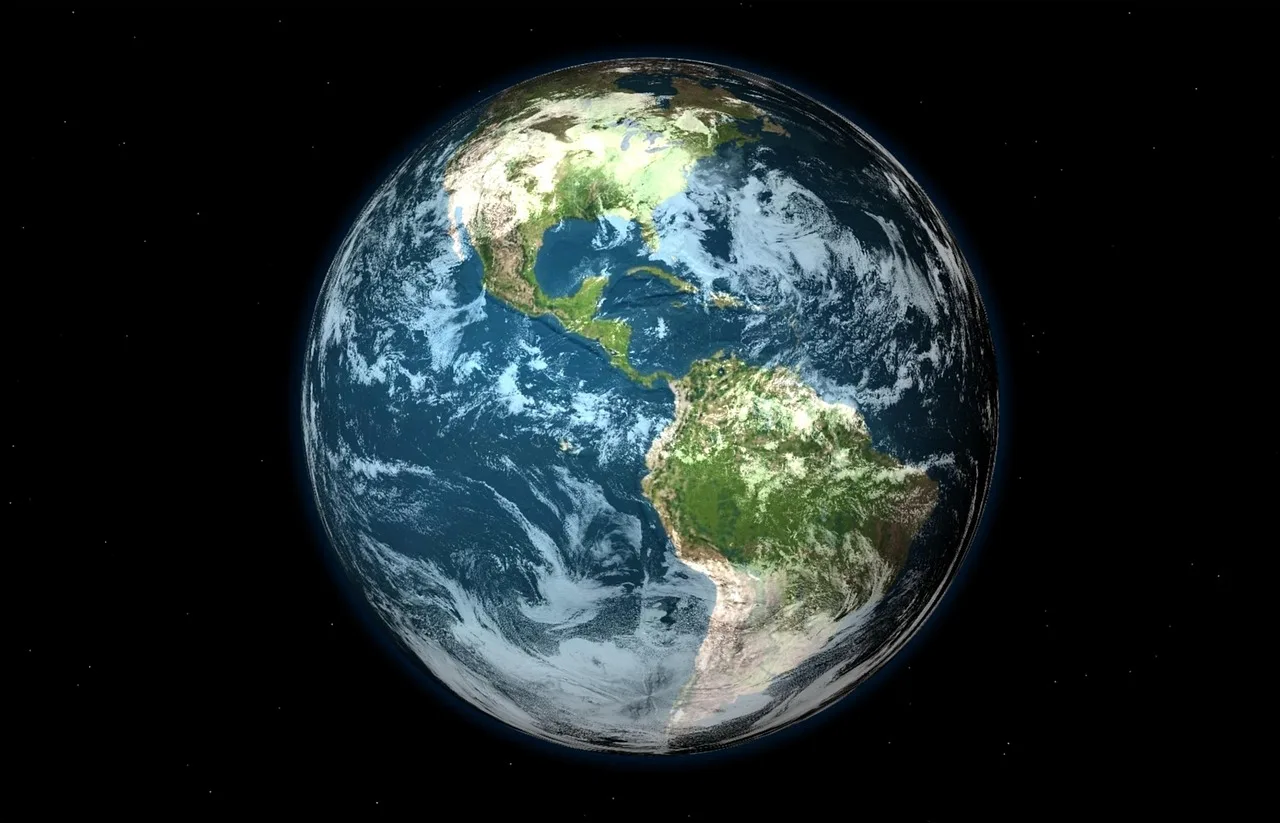
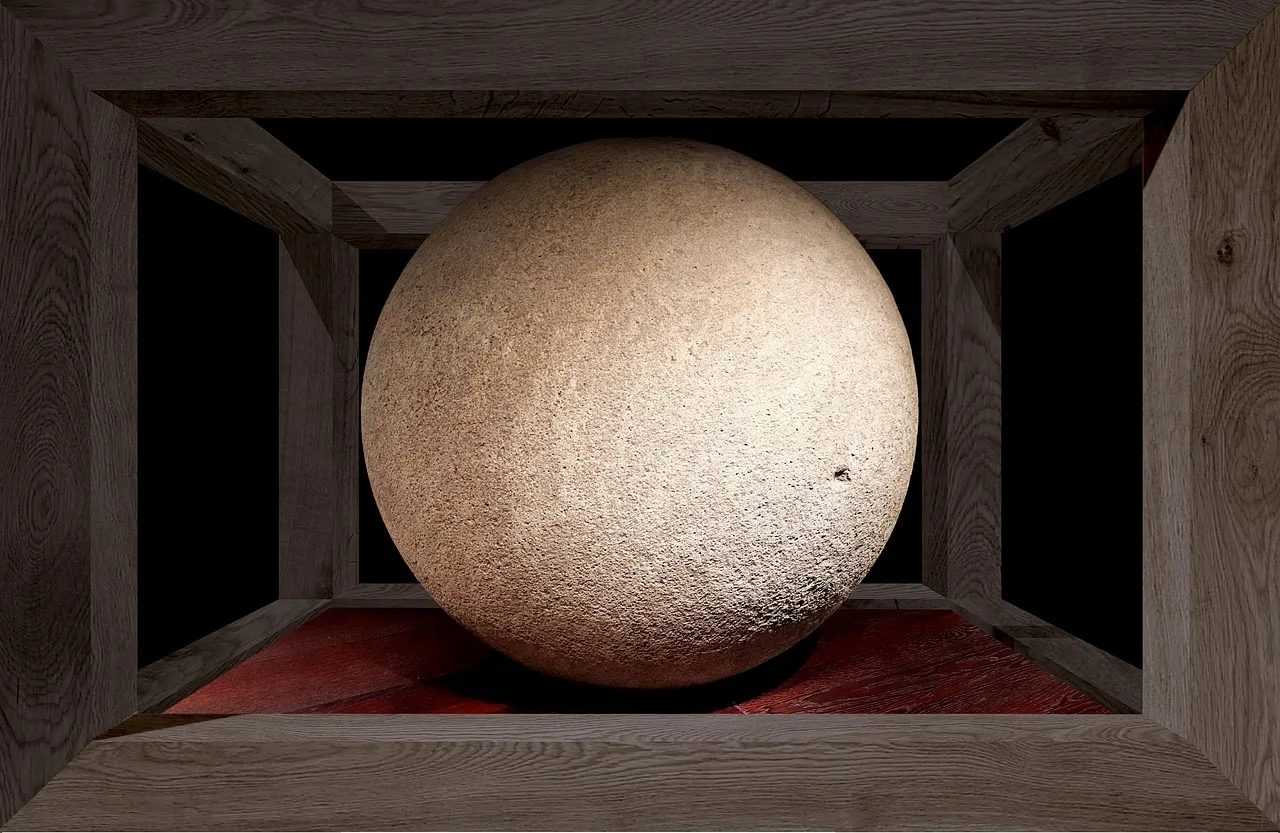
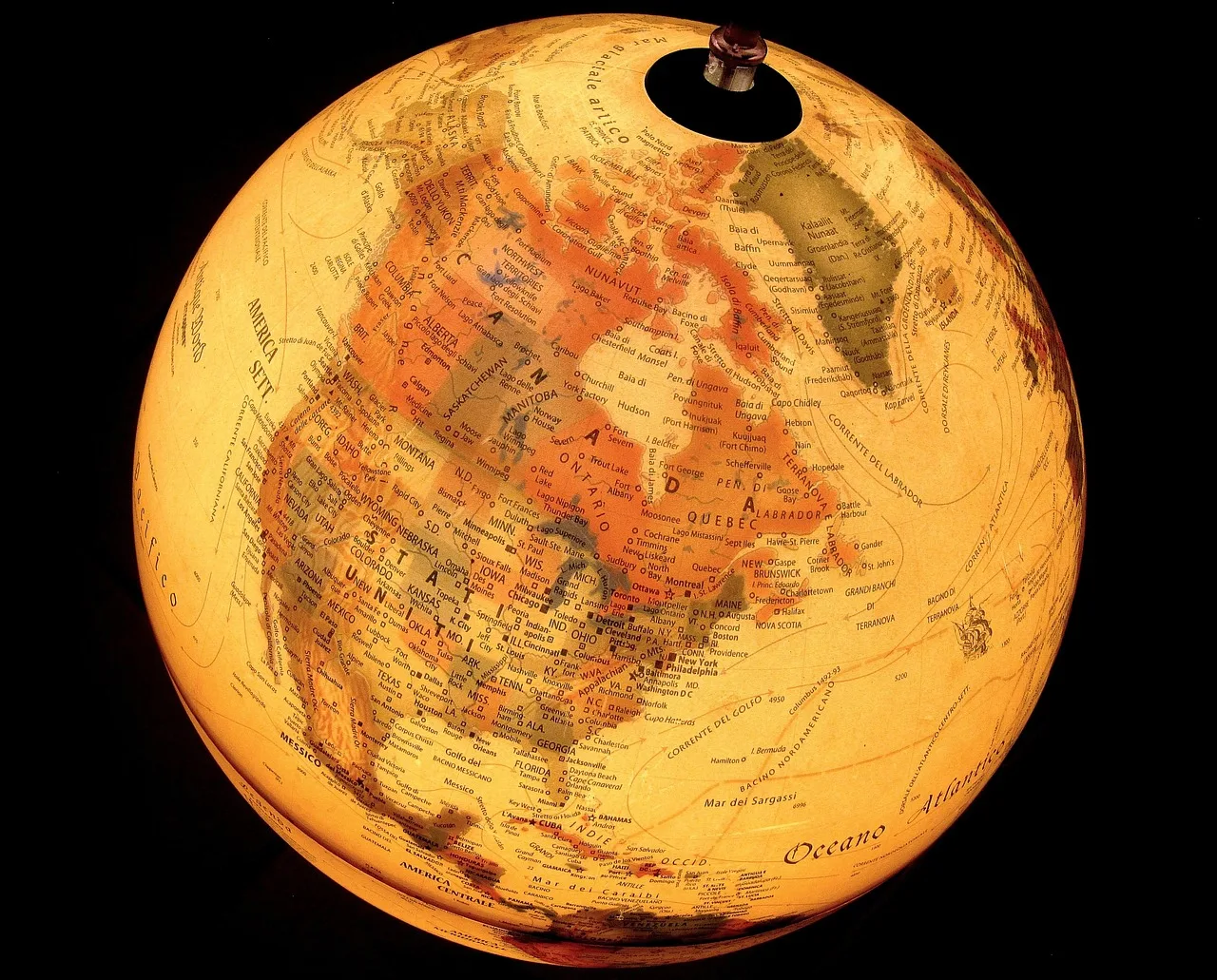
"küre" kelimesinin İngilizcesi: sphere, orb, ball, sphere, globe. Anlamı, çevirisi, telaffuzu ve örnek cümleler aşağıdadır.
Çeviri
Genelspherenoun
Genelorb
Genelball
Genelsphere
Genelglobe
Genelsphere
Genelsphere
Genelsphere
Görsel

Çekim Tablosu
Belirtme (-i)küreyi
Yönelme (-e)küreye
Bulunma (-de)kürede
Çıkma (-den)küreden
Tamlayan (-in)kürenin
Çoğul (-ler)Küreler
Tanım
•Artvin ili Murgul ilçesine bağlı köy
•Bilecik ili Söğüt ilçesine bağlı belde
•Bilecik ili Söğüt ilçesine bağlı belediye
•bütün noktaları merkezden aynı uzaklıkta bulunan bir yüzeyle sınırlı cisim
•Çorum ili Alaca ilçesine bağlı köy
•demirci ocağı, maden ocağı
•dünya, yeryüzü
•İzmir ili Ödemiş ilçesine bağlı köy
Atasözü & Deyim
“Mart kapıdan baktırır, kazma kürek yaktırır”
Diğer Dillerde
globe
çekim: çoğul Globen · tamlayan Globusses
eş: Erdball, Erdkugel
köken: Borrowed from Latin globus.
Spherisch — & Küresel
Fransızcasphère (dişil) /sfɛʁ/
sphere · sphere, area
çekim: çoğul sphères
köken: From Late Latin sphēra, from Latin sphaera (“ball, globe, celestial sphere”), from Ancient Greek σφαῖρα (sphaîra, “ball, globe”). Replaced Old French espere, from the same Latin source.
aile: hautes sphères, sphère armillaire, sphère d'influence, sphérique
& Sphérique — & Küresel
gall, nerve · spunk, grit, backbone · guts, balls, stomach, gumption, stones, spine, courage
Esférico — & Küresel
İtalyancaball, balla, ballo, boiate, coglione, gomitolo (dişil) /ˈbal.la/
large bundle, bale, reap · falsehood, lie, malarkey · testicle, bollock
çekim: çoğul balle
eş: involto, fagotto, fardello, sacco, pacco, collo
köken: Uncertain. * From Old French balle, from Medieval Latin balla, from Frankish *ballu. * From Lombardic *palla, *balla. Both etymologies ultimately from Proto-Germanic *ballô, *balluz (“ball”). Doublet of palla. Cognate with Sicilian baḍḍa, whence the dialectal doublet badda.
aile: imballare, sballare
& Sferico — & Küresel
Rusçaшар /ʂar/
ball, solid sphere · ball (the set of points lying within a given distance from a given point) · balloon
çekim: çoğul шары́ · tamlayan ша́ра
köken: Unclear. Perhaps related (although Vasmer found it unconvincing) to Old Church Slavonic шаръ (šarŭ, “color, paint”), Old Church Slavonic шарити (šariti, “to paint”), Old Church Slavonic шаръчи (šarŭči, “painter”), which probably derive from an early Turkic borrowing into Slavic; cf. Proto-Turkic *siarïg (“yellow, white”). In that case, the sense development might have been “color, paint” → “spot”…
aile: полуша́рие, шарикоподши́пник, ша́рик, ша́риковый, шарови́дный, шарообра́зный, возду́шный ша́р, земно́й шар, сне́жный ша́р, шаро́м покати́
& Сферический — & Küresel
Arapçaضَرَّة, طابة, كُبَّة, كُرَة, كُرَة أَرْضِيَّة, كورة (dişil) /kuː.ra/
a type of administrative division, translated as “district” or “province”, notably instituted by the Umayyad Caliphate and hence the Emirate of Córdoba
çekim: çoğul كُوَر · tamlayan كُورَةٍ
köken: From Classical Syriac ܟܘܪܐ (kōrā), from Ancient Greek χώρᾱ (khṓrā).
& كروي — & Küresel
wing
çekim: çoğul بالها
köken: From Middle Persian b’lk’ (bālag, “wing”).
Azericekürə, qlobus, şar, top, yer kürəsi, کره
solid sphere · ball (the set of points in a metric space of distance less than (or equal to) a given number)
çekim: çoğul kürələr
köken: From Arabic كُرَة (kura), ultimately from Sumerian 𒄥 (GUR, “a bundle, rolled up barley”).
aile: yer kürəsi
globe (model of the Earth)
çekim: çoğul глобустар · tamlayan глобустың
köken: Borrowed from Russian гло́бус (glóbus), from Latin globus.
Özbekçekoptok, shar, toʻp, tup
Tatarcaтуп
ball
çekim: çoğul туплар · tamlayan тупның
köken: From Proto-Turkic *top. Cognate to Bashkir туп (tup), etc.
Felemenkçeaardbol, aarde, bol (eril) /bɔl/
a sphere; a ball, globe or bulb · a head; one's brains · a scoop (of ice etc.)
çekim: çoğul bollen
eş: bal, kloot, kogel, sfeer
köken: From Middle Dutch bol, bolle, from Old Dutch *bolla, from Proto-West Germanic *bollā, from Proto-Germanic *bullǭ (“round object or vessel, ball, bowl”).
aile: appelbol, beschuitbol, bloembol, boldriehoek, bolgewas, bolhoed, bolkaf, bolleboos, bollebuis, bolleke
Bolvormig — & Küresel
nonsense · foolishness · junk food
çekim: çoğul besteiras
eş: asneira, tolice, manota, bobagem, brebote, porcaria
köken: From besta (“stupid, idiot”) + -eira.
Esférico — & Küresel
Yunancaμπάλα, σφαίρα, τόπι, υδρόγειος, υδρόγειος σφαίρα, χορός (dişil) /ˈba.la/
ball · bauble · football
çekim: çoğul μπάλες · tamlayan μπάλας
köken: From Venetan bala (or Italian balla).
& Σφαιρικό — & Küresel
globe
köken: From English globe.
球形(S) — & Küresel
グローブやミットを隅の方に投げ棄てゝ砂を払って、加藤は座敷の真中に寝転んだ。
Çinceданзы, йүанданзы, модан, пидан, 壞球 /坏球, 毛球
水痘是全球性的疾病。 — AIDS küresel bir pandemidir.
ball, dance party
köken: Sino-Korean word from 舞蹈會.
구상 성단 — Küresel Küme
a ball; a more or less spherical object which is not hard or unyielding (compare kula) · a ball (pass) · a ball (testicle)
çekim: çoğul bollar · tamlayan bolls
köken: From Old Swedish balder, baller, from Old Norse bǫllr (“ball, globe”), from Proto-Germanic *balluz, from Proto-Indo-European *bʰoln- (“round thing, bubble”), from *bʰel- (“to blow, inflate, swell”).
aile: bandyboll, basketboll, bolla, bollbegåvning, bollbehandling, bollek, bollformig, bollgeni, bollhav, bollhållare
Lägg till klot — Küre Ekle
globe, planet (large celestial body belonging to a planetary system) · globe (planet on which people live; Earth in reference only to the planet without its gaseous envelope)
çekim: çoğul globy · tamlayan globu
eş: kula ziemska, świat, planeta, Ziemia
köken: Etymology tree French globebor. Polish glob Borrowed from French globe. Doublet of globus.
& Sferyczne — & Küresel
Ukraynacaземля́, земна́ ку́ля, ку́ля, м'яч, опу́ка, яє́чко /mjat͡ʃ/
ball (object for playing games)
çekim: çoğul м'ячі́ · tamlayan м'яча́
köken: From Proto-Slavic *męčь, related to м'який (mʺjakyj). Cognate with Russian мяч (mjač), Belarusian мяч (mjač), Czech míč, Slovene mȇč.
Бульбашка — blob küre
ball; sphere
çekim: çoğul गेंदों
köken: From Sauraseni Prakrit 𑀕𑁂𑀦𑁆𑀤𑀼𑀕 (genduga), from Sanskrit कन्दुक (kanduka).
गेंद मेज़ के नीचे लुढ़क गया।
तुम्हें एक दूसरी गेंद ख़रीद दूँगा।
यह मैच की अंतिम गेंद है।
partitive singular of hauska · pitää hauskaa: to have fun
Lisää pallo — Küre Ekle
ball (formal dance)
çekim: çoğul bály · tamlayan bálu
eş: ples
köken: Borrowed from German Ball.
Přidat kouli — Küre Ekle
bile
çekim: tamlayan bile
köken: Borrowed from French bile, from Latin bilis.
Valoare — & Küresel
Mânca-mi-ai bilele!
globe (a spherical model of Earth)
çekim: çoğul földgömbök
köken: föld + gömb
Gömb felvétele — Küre Ekle
İbraniceגְּלוֹבּוּס, כַּדּוּר, כַּדּוּר הָאָרֶץ, נֶשֶׁף
כדור בועה — blob küre
any round object; a sphere; a globe · a glob, group
çekim: çoğul globī · tamlayan globī
köken: Perhaps from Proto-Indo-European *gel- (“form into a ball; ball”), but if so it may have to be via some substrate loan which was also absorbed by other Indo-European branches, based on the unexplained suffix and variants. Apparently cognate with Latin glaeba (“lump of earth, clod”) (see there for more), glomus, Sanskrit ग्लुन्थ (gluntha, “lump”), and Proto-Germanic *klumpô (“mass, lump, clump;…
aile: globōsus, globulus
Etimoloji
Inherited from Ottoman Turkish كره (küre), from Arabic كُرَة (kura, “ball”).
Deyimler
Eş & Zıt Anlamlılar
Eş anlamlılar
Örnek Cümleler
blob küre
blob sphere
Küre Ekle
Add Sphere
& Küresel
& Spherical
Küreği at!
Throw the shovel!
Küreyi Sil
Remove Sphere
Blob Küresi
Blob Sphere
Kürek çekme
Rowing
Kaşık küret
Spoon-shaped curette.
Blob küresi:
Blob sphere:
Küresel Küme
Globular Cluster
Kürek nerede?
Where's the oar?
Küresel gövde
Spherical body
İlgili Sorular
Dünya neden küre şeklinde?
Neden Dünya bir küre şeklindedir?
Gezegenimizin küre formunda olmasının sebebi nedir?
Dünya'nın küre biçiminde olmasının sebebi ne?
Eğim açısı theta olan bir eğimli düzlemde bir küre saf yuvarlanıyor. Küre yukarı çıkarken sürtünme kuvvetinin yönü nedir ve aynı küre aşağı inerken sürtünme kuvveti hangi yönde olur?