Sözlük
/yakışıklı
yakışıklı
"yakışıklı" kelimesinin İngilizcesi: handsome, brave, comely, handsome, shapely. Anlamı, çevirisi, telaffuzu ve örnek cümleler aşağıdadır.
Çeviri
Genelhandsomeadj
Genelbrave
Genelcomely
Genelhandsome
Genelshapely
Görsel

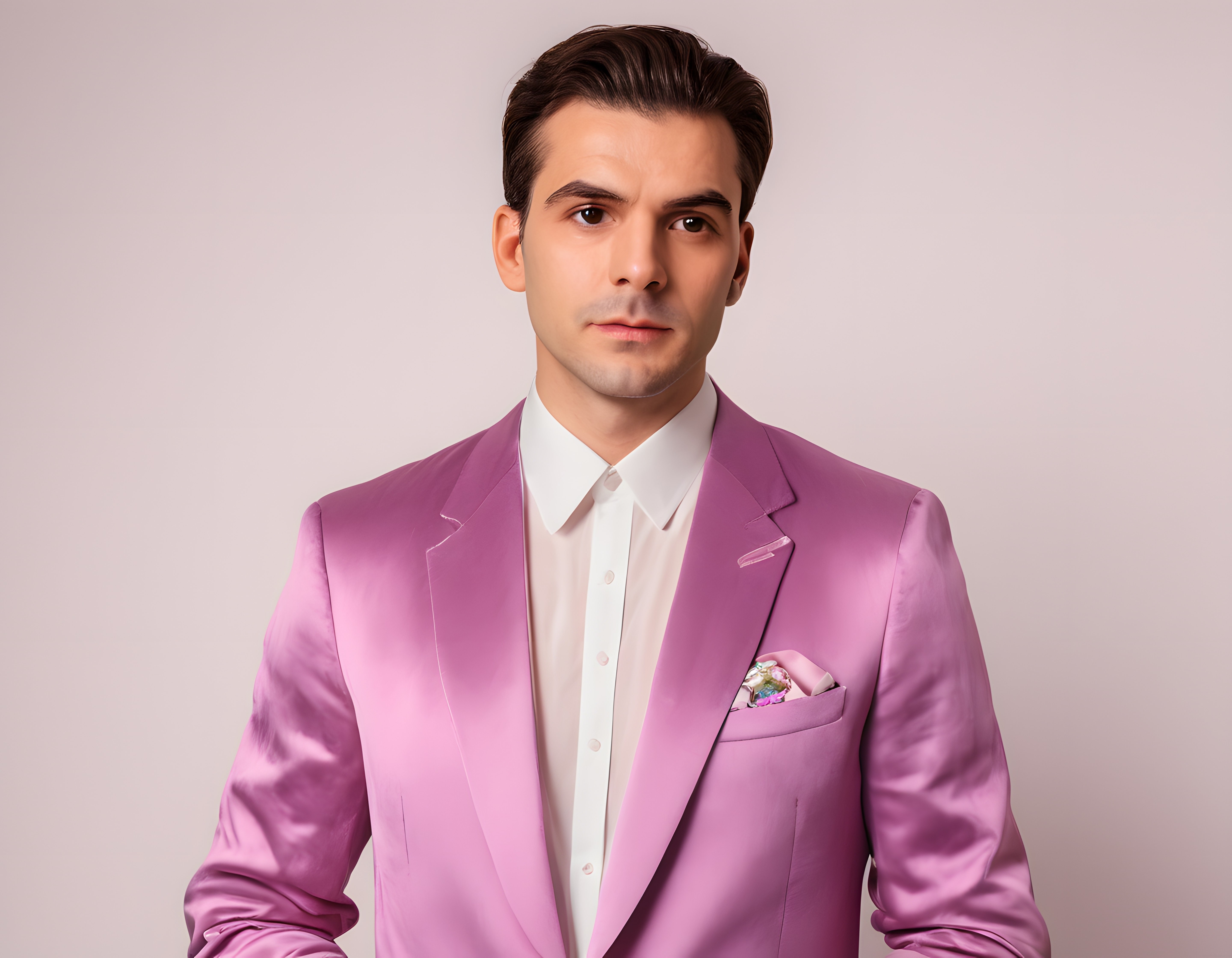


Çekim Tablosu
Çoğul (-ler)yakışıklılar
Tanım
•sıfat: Güzel, gösterişli (erkek)
Diğer Dillerde
Almancahübsch /hʏpʃ/
pretty, handsome · lovely, nice; great
çekim: karşılaştırma hübscher · üstünlük am hübschesten
eş: niedlich, reizend, fein, ansehnlich, beträchtlich, gehörig
köken: From Middle High German hübesch (“courtly”), from the root of modern Hof (“court”). Cognate with Yiddish היפּש (hipsh). The term was probably borrowed into written Middle High German from Middle Dutch hovesch via West Central German, in which process the Central German -v- was hypercorrectly replaced with -b-. The somewhat younger Middle High German hövesch, in line with hof (“court”), led to…
aile: aufhübschen, Hübschheit
Sieht er gut aus? — Yakışıklı mı?
Das wäre doch hübsch, wenn…
Es iſt gar huͤbſch von einem großen Herrn / So menſchlich mit dem Teufel ſelbſt zu ſprechen.
handsome, fine, attractive · nice · fair (weather)
çekim: çoğul beaux
eş: avenant, chouette, cute, élégant, formeux, formose
köken: Inherited from Middle French beau, from Old French biau, bel, from Latin bellus.
aile: a beau mentir qui vient de loin, à belles dents, à la belle étoile, après la pluie, le beau temps, au beau fixe, au beau milieu de, avoir beau, avoir beau jeu, avoir de beaux jours devant soi, beau comme le jour
Est-il beau ? — Yakışıklı mı?
Il fait beau.
İspanyolcaapuesta, apuesto, bravo, buenamoza, buenmozo, de buen parecer (dişil) /aˈpwesta/
bet, wager (an agreement between two parties that a stake (usually money) will be paid by the loser to the winner)
çekim: çoğul apuestas
köken: Deverbal from apostar.
Eras guapo. — Sen yakışıklıydın.
İtalyancaardito, audace, baldo, bello, coraggioso, impavido /arˈdi.to/
brave, doughty · daring · forward, bold
çekim: üstünlük arditissimo
köken: From ardire.
aile: arditamente
E' bello? — Yakışıklı mı?
симпатичный, привлекательный, красивый
Он хорош собой? — Yakışıklı mı?
brave, courageous · bold
çekim: karşılaştırma دلیرتَر · üstünlük دلیرتَرین
köken: From Middle Persian [script needed] (dlyl /dilēr/, “brave”). Related to دلاور (dilâwar, “brave”).
bold, brave
çekim: karşılaştırma daha cəsur · üstünlük ən cəsur
köken: From Arabic جَسُور (jasūr).
brave, courageous
köken: Borrowed from Arabic بَطَل (baṭal, “hero”).
Özbekçebotir, dovyurak, jasur, mard
a male given name from Arabic
çekim: karşılaştırma jasurroq · üstünlük eng jasur
köken: Borrowed from Arabic جَسُور (jasūr, “bold, courageous”).
aile: jasurlanmoq, jasurlik, jasurona
attractive, handsome, pretty · impressive, decent, rather good or big · smart, intelligent, gifted, clever
çekim: karşılaştırma knapper · üstünlük knapst
köken: Ca. 1500. A word originally found only in Dutch and Low German; compare Middle Low German knap, whence German knapp, Danish knap, Swedish knapp, all “scarce, scant”, also “tight-fitting, small” (of clothes). From the last, Dutch derived “attractive, pretty”, which was then further generalised; cf. semantically German schmücken (“to embellish", originally "to fit tightly”). Further origin unknown.…
aile: knappe kop, knapperd
Is hij knap? — Yakışıklı mı?
Oh, dat is best knap.
Portekizcebelo, bem-apanhada, bonito, bravio, corajoso, jeitosa /ˈbɛ.lu/
beautiful; attractive (having beauty)
çekim: karşılaştırma mais belo · üstünlük o mais belo
eş: brasa, bomba, gostoso, avião, gato, bonito
köken: From Old Galician-Portuguese bel, from Latin bellus, from Proto-Indo-European *dw-ene-, adverbial form of *deu- (“to do, perform, revere, show favor”).
Não são pessoas que vêm para ver o jogo? — Çok yakışıklı görünüyorum.
Sabes quem são os meus mestres do bom e do bello?
Yunancaγενναίος, θαρραλέος, ωραίος /ʝeˈneos/
brave, gallant · generous, lavish
çekim: karşılaştırma γενναιότερος · üstünlük γενναιότερος
eş: θαρραλέος
köken: From Ancient Greek γενναῖος (gennaîos, “high-born, generous”) with semantic loan from French généreux.
aile: γενναιόδωρος
Είναι όμορφος; — Yakışıklı mı?
manful, brave
zıt: 女々しい
当然だ — Yakışıklı görünüyorsun
İsveççestilig
nice(-looking), elegant, stylish (more generally)
çekim: karşılaştırma stiligare · üstünlük stiligast
köken: stil + -ig
Ser han bra ut? — Yakışıklı mı?
en stilig karl
Hon var nyklippt och stilig
vara stiligt klädd
Lehçechrobry, dzielny, odważny, piękny, przystojny /ˈxrɔ.brɘ/
brave, valiant
çekim: karşılaştırma bardziej chrobry · üstünlük najbardziej chrobry
eş: dzielny, mężny, odważny, śmiały, waleczny, bohaterski
köken: Etymology tree Proto-Slavic *xorbrъ Polish chrobry Inherited from Proto-Slavic *xorbrъ.
aile: chrobrość
Jest przystojny? — Yakışıklı mı?
Том не дуже гарний. — Tom çok yakışıklı değil.
beautiful
köken: Borrowed from Classical Persian خوبصورت (xūb-sūrat, “beautiful”), compound of خوب (xūb) + صورت (sūrat). By surface analysis, ख़ूब (xūb) + सूरत (sūrat). Compare Bengali খুবসুরত (khubśurot).
यहाँ से 360 डिग्री का ख़ूबसूरत प्राकृतिक व्यू भी दिखाई देता है।
Finceintiaanisoturi, kaunis, kohdata rohkeasti, komea, muhkea, reipas /ˈkɑu̯nis/
beautiful, pretty, fair · fair
çekim: karşılaştırma kauniimpi · üstünlük kaunein
zıt: ruma
köken: From Proto-Finnic *kaunis (compare Estonian kaunis), borrowed from Proto-Germanic *skauniz (compare English sheen, German schön, Swedish skön).
aile: kauneus, kauniisti, kaunistaa, kaunistella, Kaunisto, kauno, kauniinvärinen, kauniskasvoinen, Kaunismaa, kaunismuotoinen
Onko hän hyvän näköinen? — Yakışıklı mı?
Hän on todella kaunis.
Çekçečelit, hezký, odvážně čelit, odvážný, pěkný, pohledný /ˈt͡ʃɛlɪt/
to brave, confront, face something
çekim: geçmiş čelila · ortaç čelila · şimdiki čelí
eş: být konfrontován, odolávat
köken: From čelo + -it.
Jsem tam hotový fešák. — Çok yakışıklı görünüyorum.
handsome
köken: From arăta + -os.
Eu cred că arată foarte bine. — Bence çok yakışıklı.
Macarcabátor, jóképű, jóvágású /ˈbaːtor/
courageous, brave, valiant
çekim: karşılaştırma bátrabb · üstünlük legbátrabb
zıt: gyáva
köken: Borrowed from a Turkic language before the times of the Hungarian conquest of the Carpathian Basin (at the turn of the 9th and 10th centuries). Compare Bashkir батыр (batır), Turkish bahadır, batur (“brave, hero”). The sense although was split from the original sense, perhaps shortened from its inflected forms bátoron or bátran. First it probably had a permissive meaning: Bátoron (hadd) jöjjön!…
aile: bátorít, bátorkodik, bátorság, bátortalan, bátran, bátraké a szerencse
Ez a férfi jól néz ki. — Bu adam yakışıklı.
handsome, beautiful
אתה נראה טוב — Yakışıklı görünüyorsun
courageous/full of courage, brave, bold, undaunted · adamant, determined, wilful · aggressive, ardent, fervent, vehement
çekim: karşılaştırma animōsior · üstünlük animōsissimus
köken: Etymology tree Proto-Indo-European *h₂enh₁- Proto-Indo-European *-mos Proto-Indo-European *h₂enh₁mos Proto-Italic *anamos Latin animus Latin -ōsus Latin animōsus From animus (“mind, soul; courage, will”) + -ōsus.
aile: animōsē, animōsitās
brave, courageous
çekim: karşılaştırma modigere · üstünlük modigst
köken: From mod (“courage”) + -ig, from Old Norse móðugr.
Ingen kommer til at se high school baseball længere. — Çok yakışıklı görünüyorum.
Norveççekjekk
Prinsen der blir forelsket i kongsdatteren, og de forlover seg snart. — Kraliçe bu yakışıklı gence çok geçmeden aşık olur.
Endonezceberani, ganteng, menerjang, tampan /bəˈrani/
brave
çekim: karşılaştırma lebih berani · üstünlük paling berani
köken: Inherited from Malay berani (“brave”), from Proto-Malayic *bArani, from Proto-Malayo-Polynesian *baʀani (“brave, bold; dare to do”).
aile: berani-berani, berberani-berani, keberanian, memberanikan, pemberani, terberanikan, berani candang, berani lalat
Apa dia tampan? — Yakışıklı mı?
Etimoloji
From Ottoman Turkish یاقشقلو (yakışıklı), equivalent to yakışık + -lı.
Eş & Zıt Anlamlılar
Zıt anlamlılar
Örnek Cümleler
Ne yakışıklı!
How handsome!
Yakışıklı mı?
Is he cute?
Yakışıklı mı?
Is he good looking?
Tom yakışıklı.
Tom is personable.
Hey, yakışıklı.
Hey, handsome.
O çok yakışıklı.
He is very good-looking.
O çok yakışıklı!
He's so good looking!
Yakışıklı mıyım?
Am I handsome?
Ben yakışıklıyım
I am handsome.
Tom yakışıklıdır.
Tom is handsome.
Tom yakışıklı mı?
Is Tom handsome?
Sen yakışıklısın.
You're handsome.
İlgili Sorular
İlgili / Bileşik Terimler
Genelprince charming