Sözlük
/tuzlu
tuzlu
"tuzlu" kelimesinin İngilizcesi: briny, salty, salt, briny, saline. Anlamı, çevirisi, telaffuzu ve örnek cümleler aşağıdadır.
Çeviri
Genelbrinyadj
Genelsaltyadj
Genelsalt
Genelbriny
Genelsaline
Genelsalty
Genelsalty
Genelbriny
Genelsaline
Genelsalty
Genelbriny
Genelsaline
Görsel

Çekim Tablosu
Çoğul (-ler)tuzlular
Tanım
•sıfat: Tuzu olan
•Tuzu çok olan
•mecaz: Çok pahalı
Diğer Dillerde
Almancasalzig /ˈzaltsɪç/
briny, salty
çekim: karşılaştırma salziger · üstünlük am salzigsten
eş: salzhaltig
köken: Salz + -ig
Platz ist überall“. — Her yanı tuzlu."
bitter · sour
köken: Inherited from Old French amer, from Latin amārus, from Proto-Indo-European *h₂eh₃mós (“bitter, raw”).
aile: doux-amer, rose amère
Oh mon Dieu, c'est salé. — Oh! Çok tuzlu.
İspanyolcaatrevido, cabreado, enojado, escabroso, picante, picón /atɾeˈbido/
daring, bold · risqué · edgy
eş: audaz, bravo, intrépido, osado, valiente, abusador
köken: From atrever + -ido.
aile: atrevidamente
Esto está un poco salado. — Bu biraz tuzlu.
İtalyancaarrabbiato, salare, salato, sale, salso /ar.rabˈbja.to/
mad, rabid (of an animal) · mad, angry (of a person)
çekim: üstünlük arrabbiatissimo
eş: adirato, fremente, furente, furibondo, furioso, imbestialito
köken: From arrabbiare, from rabbia.
aile: arrabbiata, all'arrabbiata, arrabbiatamente, penne all'arrabbiata
Oddio, è salato. — Oh! Çok tuzlu.
Tu sembri arrabbiato.
Rusçaпересоленный, солёный /pʲɪrʲɪˈsolʲɪn(ː)ɨj/
past passive perfective participle of пересоли́ть (peresolítʹ)
О Боже, он пересолен. — Oh! Çok tuzlu.
Arapçaمَالِح, ملح, مَلَّحَ, مِلْح, مِلْحِيّ (eril) /milħ/
salt · salt water · wit, intellect
çekim: çoğul أَمْلَاح · tamlayan مِلْحٍ
köken: Inherited from Proto-West Semitic *milḥ-.
مع الزيت و الملح — Yağlı ve tuzlu,
salty (of taste)
köken: Etymology tree Proto-Indo-European *súHros Proto-Iranian *sauraH? Parthian 𐫢𐫇𐫡 (šwr /šōr/)bor. Persian شور Borrowed from Parthian 𐫢𐫇𐫡 (šwr /šōr/), possibly from Proto-Iranian *sauraH (“salty”), from Proto-Indo-European *súHros (“sour, acidic, salty”). Compare with Middle Persian [script needed] (swr /sōr/). cognate with Northern Kurdish şor, sûr, Central Kurdish سوێر (swêr), Baluchi شور…
aile: شوربا
او ز بحر عذب آب شور خورد / تا که آب شور او را کور کرد
Azericeduz, duzlamaq, duzlu, دوز /ˈduz/
salt
çekim: çoğul duzlar · tamlayan duzun
köken: Inherited from Old Anatolian Turkish طُوزْ (duz), from Proto-Turkic *tūŕ.
aile: duzlamaq, duzlu, duzlu-duzlu, duzsuz, duzsuzlaşdırılma, duzsuzlaşdırılmaq, duzsuzlaşdırmaq, duzsuzlaşmaq
salt
çekim: çoğul тұздар · tamlayan тұздың
köken: From Proto-Turkic *tūŕ. Cognate with Bashkir тоҙ (toź), Kyrgyz туз (tuz), Uzbek tuz, Turkmen duz, Turkish tuz, Tuvan дус (dus), Yakut туус (tuus), Chuvash тӑвар (tăvar, “salt”), etc.
aile: тұздау, тұздық
salt
çekim: çoğul tuzlar
köken: From Proto-Turkic *tūŕ. Cognate with Turkish tuz.
Tatarcaтоз
salt
çekim: çoğul тозыбыз · tamlayan тозның
köken: From Proto-Turkic *tūŕ. Cognate with Bashkir тоҙ (toź), Kazakh тұз (tūz), Kyrgyz туз (tuz), Uzbek tuz, Turkmen duz, Turkish tuz, Tuvan дус (dus), Yakut туус (tuus), Chuvash тӑвар (tăvar, “salt”).
past participle of zouten
Oh mijn god, het is zoutig. — Oh! Çok tuzlu.
angry; furious, annoyed · brave; valiant, courageous · coarse; uneducated, uncivilized
çekim: karşılaştırma mais bravo · üstünlük o mais bravo
eş: brabo, corajoso, destemido
köken: Inherited from Old Galician-Portuguese bravo, possibly from Vulgar Latin *bravus or *brabus, from a fusion of Latin prāvus and barbarus.
aile: bravamente, braveza, bravio, bravura, coelho-bravo, embravecer, mandioca-brava
Há lagos de água salgada. — Göl suyu tuzludur.
Fico bravo quando você entra sem bater.
Yunancaάλας, άλατα (álata), αλάτι, αλατίζω, αλατούχος, αλατώδης (nötr) /ˈa.las/
salt (a product of neutralisation between an acid and a base) · * see: άλατα (álata) back trouble
çekim: çoğul άλατα · tamlayan άλατος
köken: Learned borrowing from Ancient Greek ἅλας (hálas, “common salt”). Doublet of the inherited αλάτι (aláti).
Ω Θεέ μου είναι λύσσα. — Oh! Çok tuzlu.
salt; table salt · salt
köken: Borrowed from English salt.
塩水が苦手。 — Suyu tuzludur.
クッキングソルト
マイルドソルト
salt
köken: First attested as Late Old Korean 蘇甘 in the Jīlín lèishì (鷄林類事 / 계림유사), 1103. In the hangul script, first attested in the Won'gakgyeong eonhae (圓覺經諺解 / 원각경언해), 1465, as Middle Korean 소곰 (Yale: swòkwòm).
이 술, 이 짠 대지. — Bu cin, bu tuzlu toprak
한 줌의 소금
소금을 많이 넣으면 음식이 짜다.
table salt
çekim: tamlayan bordssalts
köken: From bord + -s- + salt.
Oh gud det är saltig. — Oh! Çok tuzlu.
Lehçeposolić, słony, sól, sól kuchenna, solić, wilk morski /pɔˈsɔ.lit͡ɕ/
to salt (add salt to)
çekim: geçmiş posolono
eş: osolić
köken: Etymology tree Polish po- Polish solić Polish posolić From po- + solić.
Zupa jest bardzo słona. — Çorba çok tuzlu.
Ukraynacaсіль, со́лений, соло́ний /sʲilʲ/
salt
çekim: çoğul со́лі · tamlayan со́лі
köken: From Proto-Slavic *solь, from Proto-Indo-European *séh₂l-, *sḗh₂l. Cognates include Russian соль (solʹ), Polish sól, Sanskrit सलिल (salila), Ancient Greek ἅλς (háls), Armenian աղ (aġ), Latin sāl, and Old English sealt (English salt).
Цей джин, ця солона земля". — Bu cin, bu tuzlu toprak
salt
çekim: çoğul नमकों
köken: Borrowed from Classical Persian نَمَک (namak).
aile: जले पर नमक छिड़कना
Fincehöystää, maustaa, merikarhu, rasvainen, suola, suola- /ˈhøy̯stæːˣ/
to season, flavor/flavour · to salt (to include colorful language) · to punctuate (to vary, interrupt, give structure)
çekim: geçmiş höystänyt · şimdiki höystäisi · ulaç höystävä
eş: elävöittää
köken: Possibly hyvä + -istää (from hyvä (“good”)), with the original form being höistää.
aile: höyste, höystyä, höystämätön, höystö
Se voi olla suolainen tai makea. — Tatlı veya tuzlu olabilir.
to salt, to add salt, to season with salt
çekim: geçmiş osolivše · ortaç osolila · şimdiki osolí
köken: From o- + solit.
Žije ve slaných jezerech. — Tuzlu bataklıklarda yaşar.
to salt · to brine
çekim: geçmiş sărat · ortaç sărat · şimdiki sărează
zıt: desăra
köken: Inherited from Vulgar Latin root *salāre, from a change in conjugation of Latin salīre (“to salt”), from sal. Compare Italian salare, French saler, Spanish, Portuguese, and Catalan salar, Friulian salâ, also Aromanian ãnsar, ãnsãrari.
aile: presăra, sărare, sărat, sărător, sărătură
Apa văii este sărată. — Suyu tuzludur.
salt (a common substance, chemically consisting mainly of sodium chloride (NaCl), used extensively as a condiment and preservative) · salt (one of the compounds formed from the reaction of an acid with a base, where a positive ion replaces a hydrogen of the acid)
çekim: çoğul sók
köken: Akin to sav (“acid”).
aile: sós, sótlan, sóz, epesó, fixírsó, fürdősó, keserűsó, konyhasó, kősó, repülősó
A vize igen sós. — Suyu tuzludur.
To salt, to add salt to, to sprinkle or pour salt on or into, to season with salt.
çekim: geçmiş הִמְלַחְתָּ
köken: From the root מ־ל־ח (m-l-ḥ), using the hif`íl conjugation.
,עם שמן ומלח — Yağlı ve tuzlu,
to leap, jump, bound · to spring forth, flow down · to mount for sex
çekim: şimdiki salit · ulaç saliēns
köken: Inherited from Proto-Italic *saljō, from Proto-Indo-European *sel- (“to spring”). Cognates include Ancient Greek ἅλλομαι (hállomai) and Sanskrit सरति (sárati).
aile: absiliō, assaliō, assiliō, circumsiliō, dēsiliō, exsiliō, īnsiliō, īnsultō, persiliō, persultō
Dancakrydre, salt, salte, saltholdig, søulk /kryðrə/
to season, spice (up)
çekim: geçmiş krydrede · ortaç krydret · ulaç krydrende
köken: From earlier kryde, from Middle Low German krǖden (“to season, spice”), from krût (“spice, herb”), from Old Saxon krūd, from Proto-West Germanic *krūd (“herb, plant”).
aile: krydring, letrydret, ukrydret, velkrydret
Vi skal finde ud af, hvor mange liter vi skal bruge. — Peki, %10'luk tuzlu su karışımından ne kadar koyacağız?
Etimoloji
tuz + -lu
Eş & Zıt Anlamlılar
Örnek Cümleler
Oh! Çok tuzlu.
Oh gosh it's salty.
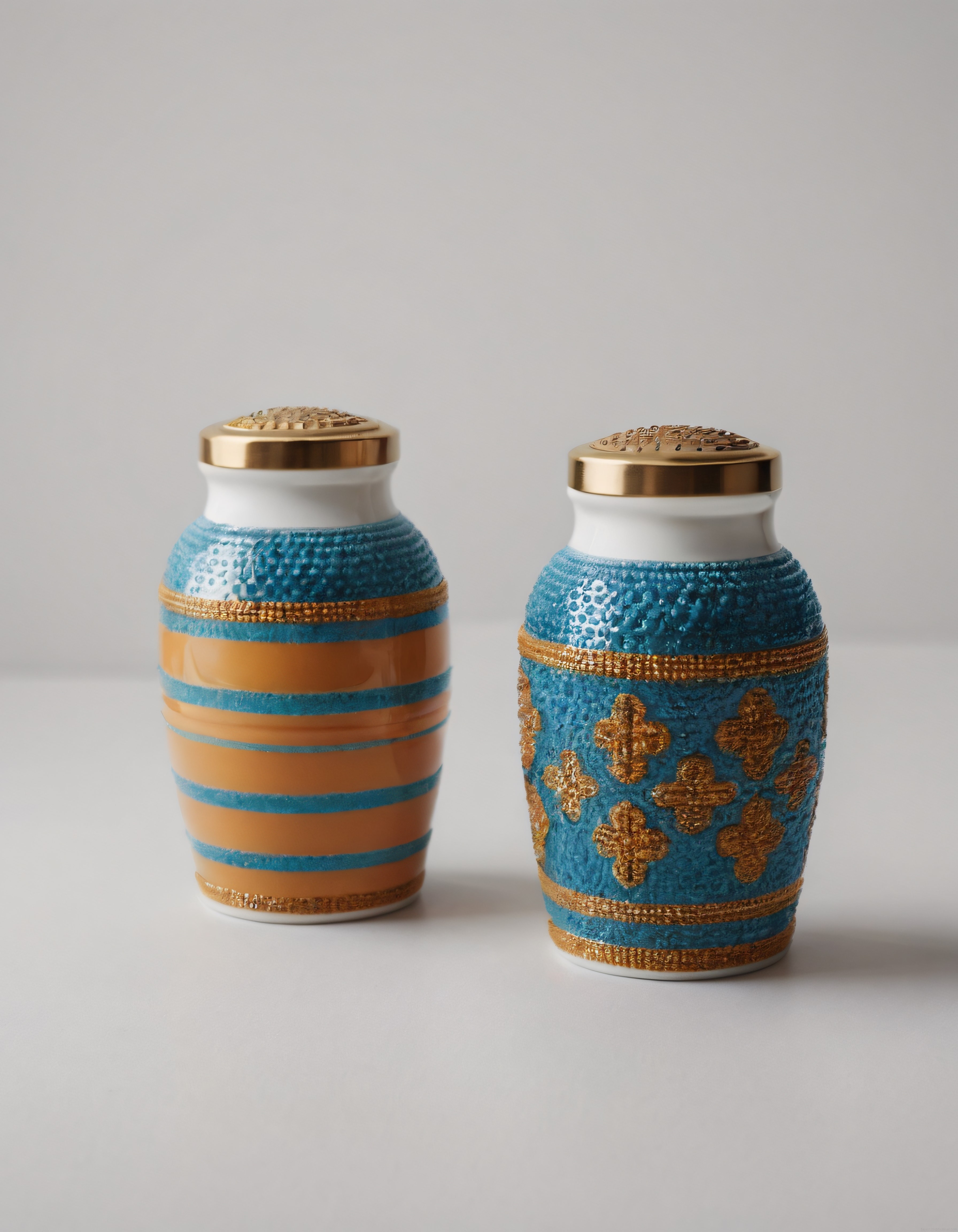
Tuzluk masada.
The salt cellar is on the table.
Bu biraz tuzlu.
This is a little salty.
O çok tuzlu mu?
Is it too salty?
Bu çorba tuzlu.
This soup is salty.
Çorba çok tuzlu.
The soup is too salty.
O su biraz tuzlu.
That water is a little salty.
Bana tuzluğu ver.
Pass me the salt cellar!
Salata çok tuzlu.
The salad is very salty.
Tuzluk masadaydı.
The salt cellar was on the table.
Tuzlukta tuz yok.
There's no salt in the salt shaker.
Bu sos çok tuzlu.
This gravy is too salty.
İlgili Sorular
Tuzlu su balıkları neden tuzlu tat vermez, bu nasıl gerçekleşir?
Tatlı su tankındaki tek hücreli organizmayı tuzlu su tankına geçirme yöntemi nedir?
Tek hücreli organizmayı tatlı sudan tuzlu suya nasıl taşıyabilirim?
Okyanus suyunun tuzlu, kıyıdaki suyun ise tuzsuz olmasını sağlayan doğal süreçler nasıl işler?
İki farklı tuzlulukta sıvıyı ayırdığınızda yarı geçirgen membranla basınç farkı yaratıp kalıcı bir enerji kaynağı oluşturamazsınız, neden?
İlgili / Bileşik Terimler
Genelsalt water
Genelsaltwater crocodile
Birleşik Kelimeler
tuzlu balgamtatlısıyla tuzlusuyla