Sözlük
/heykel
heykel
"heykel" kelimesinin İngilizcesi: statue, iconography, effigy, image, sculpture. Anlamı, çevirisi, telaffuzu ve örnek cümleler aşağıdadır.
Çeviri
Genelstatuenoun
Geneliconography
Geneleffigy
Genelimage
Genelsculpture
Genelsculpture
Genelstatue
Genelstatue
Genelsculpture
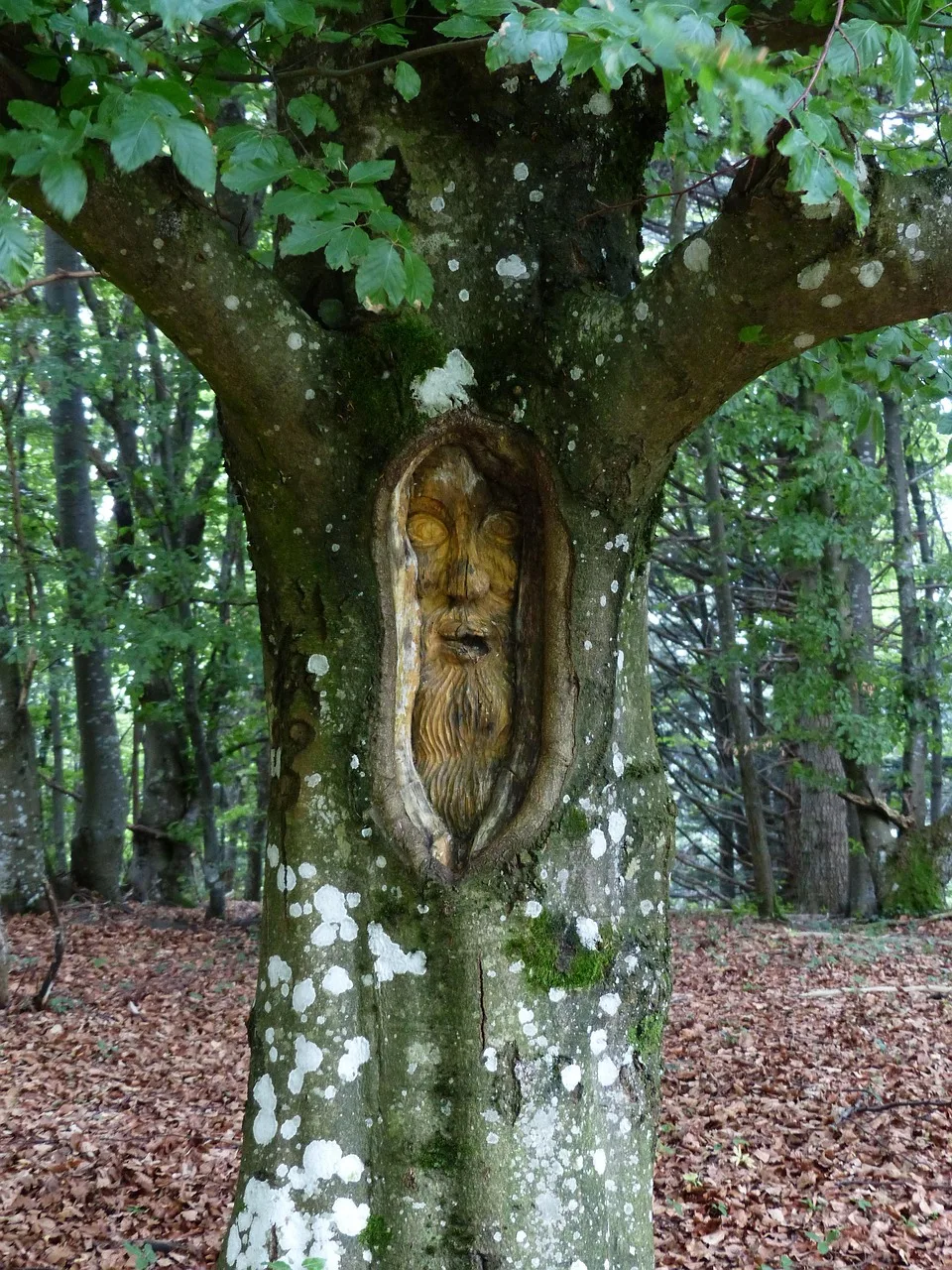
Görsel


Çekim Tablosu
Belirtme (-i)heykeli
Yönelme (-e)heykele
Bulunma (-de)heykelde
Çıkma (-den)heykelden
Tamlayan (-in)heykelin
Çoğul (-ler)heykeller
Tanım
•isim: Taş, tunç, bakır, kil, alçı vb. maddelerden yontularak, kalıba dökülerek veya yoğrulup pişirilerek biçimlendirilen eser; yontu, statü
Diğer Dillerde
AlmancaAbbild, abbilden, Bild, Erscheinungsbild, erstellen, Image (nötr) /ˈapˌbɪlt/
image, reflection · image, picture, portrayal
çekim: çoğul Abbilder · tamlayan Abbildes
eş: Abbildung, Abdruck, Abguss, Abklatsch, Abschrift, Abzeichnung
köken: ab- + Bild
Das Testament des Friedens. — Barış Akarsu Heykeli.
FransızcaStatue, sculpture
Statue dans le jardin. — Avluda bir heykel.
stamp, print · appearance
çekim: çoğul estampas
köken: Deverbal from estampar.
aile: estampilla, me cago en tu estampa, viva estampa
Estatua de Buffon. — Fuzuli heykeli.
İtalyancascultura (dişil) /skulˈtu.ra/
the art or technique of sculpting or carving out · the activity of a sculptor · sculpting (the act of one who sculpts)
çekim: çoğul sculture
eş: statuaria, marmo, statua, bronzo, busto, lapide
köken: Learned borrowing from Classical Latin sculptūra (“act of carving; sculpture”), derived from sculpō (“to carve”) + -tūra (“-ing, -ure”, action noun suffix).
Stelle principali della costellazione di Pegaso — Pegasus Heykeli Köprüsü
Rusçaстатуя, скульптура
Сцена оборвана. — Heykeli dikilir.
سعاد الحكيم. — Nazım Hikmet Heykeli.
Farsçaانگاره
monument, memorial, tombstone, statue
çekim: çoğul heykəllər · tamlayan heykəlin
köken: Borrowed from Classical Persian هَیکَل (haykal), from Arabic هَيْكَل (haykal).
heykəl ucaltmaq
heykəli sökmək
tanınmış yazıçıya heykəl qoymaq
appearance · type, figure · image
çekim: çoğul бейнелер · tamlayan бейненің
eş: бітім, мүше, пішін, сипат, сымбат, тұлға
köken: From Persian بنا, from Arabic بِنَاء (bināʔ).
statue
çekim: çoğul haykallar · tamlayan haykalning
köken: Borrowed from Classical Persian هَیکَل (haykal), from Arabic هَيْكَل (haykal).
Tatarcaһәйкәл
Felemenkçestandbeeld (nötr) /ˈstɑnt.beːlt/
statue
çekim: çoğul standbeelden
köken: From stand + beeld, modelled in the 17th century on Latin statua. Cf. German Standbild, which is of a later date (late 18th century).
Het staat er vol met standbeelden. — Korkutucu heykellerle doludur.
Portekizceestátua, figura, fotografia, imagem, visão (dişil) /isˈta.tu.ɐ/
statue (three-dimensional work of art)
çekim: çoğul estátuas
köken: Learned borrowing from Latin statua, from statuō (“to set up; to erect”).
aile: Estátua da Liberdade
Uma estação no inferno. — Avluda bir heykel.
statue
çekim: çoğul αγάλματα · tamlayan αγάλματος
köken: From Ancient Greek ἄγαλμα (ágalma).
«Η ζωγραφική στη Θεσσαλονίκη». — "Samsun'daki Heykel".
mental image, one's impression or the image that comes to mind · impression; personal image; persona; face · artist's impression
çekim: geçmiş イメージした
köken: Borrowed from English image.
aile: イメージアップ, イメージキャラクター, イメージダウン, イメージハンプ, イメージトレーニング, イメージチェンジ, イメージソング, イメージストラテジー
星座はやぎ座。 — Heykeli dikilir.
イメージアップ
画像はイメージです。実際とは異なる場合があります。
mental image
köken: Sino-Korean word from 心象/心像.
초기 왕조의 묘도 이 형식이다. — Baştaki heykelin o olduğu anlaşılır.
picture · image · photo
çekim: çoğul bilder · tamlayan bilds
köken: From German Bild, from Middle High German bilde, from Old High German biladi, bilidi. Doublet of beläte.
aile: avbild, bakgrundsbild, bildbevis, bildhuggare, bildkonst, bildkonstnär, bildmaterial, bildruta, bildspråk, bildyta
Denna sten har försvunnit. — Bu heykel kaybolmuştur.
Lehçeposąg, wizerunek (eril) /ˈpɔ.sɔŋk/
statue
çekim: çoğul posągi · tamlayan posągu
eş: figura, statua
köken: Etymology tree Proto-Slavic *posǫgъ Polish posąg Inherited from Proto-Slavic *posǫgъ. By surface analysis, deverbal from posiąc.
aile: posągowo, posągowy
Spadkobiercy oświeconej mądrości.. — Nazım Hikmet Heykeli.
Ukraynacaзобра́ження, і́мідж, обли́ччя
Скіфські статуї. — Fuzuli heykeli.
Hintçeचित्र, छवि, तस्वीर, प्रतिबिम्ब, प्रतिमा, मुजस्समा (eril) /t͡ʃɪt̪.ɾᵊ/
picture · photograph · painting
çekim: çoğul चित्रों
köken: Borrowed from Sanskrit चित्र (citrá). Doublet of चीता (cītā) and चेहरा (cehrā)
aile: चित्रकार
चित्र दीवार पे लटक रहा है।
इस चित्र को परिवर्द्धित करना पड़ेगा।
यह चित्र मेरी आँखों गड़ गया।
Finceheijastaa, imago, kuva, kuvantaa, kuvapatsas, kuvata /ˈhei̯jɑstɑːˣ/
to reflect (light) · to reflect, mirror, show, express · to project (on a screen)
çekim: geçmiş heijastanut · şimdiki heijastaisi · ulaç heijastava
köken: Probably derived from heijaista, a dialectal variant of häikäistä; thus equivalent to häikä(i)s- + -taa (through *häigä(i)s-tä- ~ *haiga(i)s-ta-).
aile: heijastaminen, heijastava, heijaste, heijastella, heijastin, heijastua, heijastus
Puistossa on patsaita. — Parkta heykeller var.
Kieli heijastaa yhteiskunnan arvoja.
image (mental picture)
çekim: çoğul představy · tamlayan představy
eş: idea
köken: Deverbal from představit. Perhaps a calque of Vorstellung. Compare Serbo-Croatian predstava.
Socha se ztratila. — Heykel kayıptır.
získat představu
figure · diagram · face card; picture on a card
çekim: çoğul figuri
köken: Borrowed from French figure, Latin figura.
Haosul se instalează. — Heykeli dikilir.
face (the front part of the head of a human, featuring the eyes, nose and mouth, and the surrounding area) · facial expression, look (the reflection of an emotion, mood, or thought on the face) · image (characteristic of a group, nation, etc.; how one is, or wishes to be, perceived by others)
çekim: çoğul arculatok
köken: From the obsolete form arcel of the noun arc (“face”) (compare also archaic orca) with the noun-forming suffix -at, recorded as arczelat(u). First attested in 1565.
aile: arculati, arculatú, arculatformálás, arculattan, arculattervezés, arculatváltás, cégarculat
Békésmegye monographiája. — Barış Akarsu Heykeli.
הציור אבד. — Heykel kayıptır.
Latinceimāgō
picture, image · photo
çekim: çoğul billeder · tamlayan billedes
köken: From Old Danish beletæ, from Middle Low German bilede, belde, from Old Saxon bilithi, from Proto-West Germanic *biliþi (“picture, image”), cognate with German Bild. Old Norse bilæti (“icon”) is also borrowed from Low German.
aile: billeddannelse, billedfortælling, billedfrise, billedhugger, billedlig, billedmæssig, billedopbygning, billedramme, billedsamling, billedserie
Selve statuen var 13 m høj. — Heykel 12 m yüksekliğindeydi.
stjæle billedet
tegne et billede af
tage et billede
Norveççebilde
Det første Maleri i Dresden». — "Samsun'daki Heykel".
Etimoloji
Inherited from Ottoman Turkish هیكل (heykel), from Arabic هَيْكَل (haykal).
Eş & Zıt Anlamlılar
Örnek Cümleler
Heykel kayboldu.
The statue has been lost.
Heykel yitirildi.
The sculpture has been lost.
Bu heykel çirkin.
This statue is ugly.
Heykel yok edildi.
The statue was destroyed.
Bu heykel ona ait.
This statue belongs to him.
Bu heykel bana ait.
This statue belongs to me.
Bir heykel bulundu.
A statue was discovered.
Heykel hasar gördü.
The statue was damaged.
Bu heykel bize ait.
This statue belongs to us.
Bu heykel Tom'a ait.
This statue belongs to Tom.
Heykelin kafası yok.
The statue has no head.
O heykeli seviyorum.
I like that statue.
İlgili Sorular
Hangi tarihî kişiye en fazla sayıda anıt ve heykel dikilmiştir?
Easter Adası'ndaki Moai heykellerini kim yaptı?
CIA, Yale'daki Nathan Hale heykelini almayı neden istedi ve üniversite bunu neden kabul etmedi?
Katolik inancında birçok ikon ve heykel bulunması nasıl açıklanıyor?
Easter Adası heykellerini kim inşa etti?
Birleşik Kelimeler