Sözlük
/gerilim
gerilim
"gerilim" kelimesinin İngilizcesi: tension, tension, pull, voltage, stress. Anlamı, çevirisi, telaffuzu ve örnek cümleler aşağıdadır.
Çeviri
Geneltensionnoun
Geneltension
Genelpull
Genelvoltage
Genelstress
Genelthriller
Genelvoltage
Genelstress
Genelthriller
Görsel


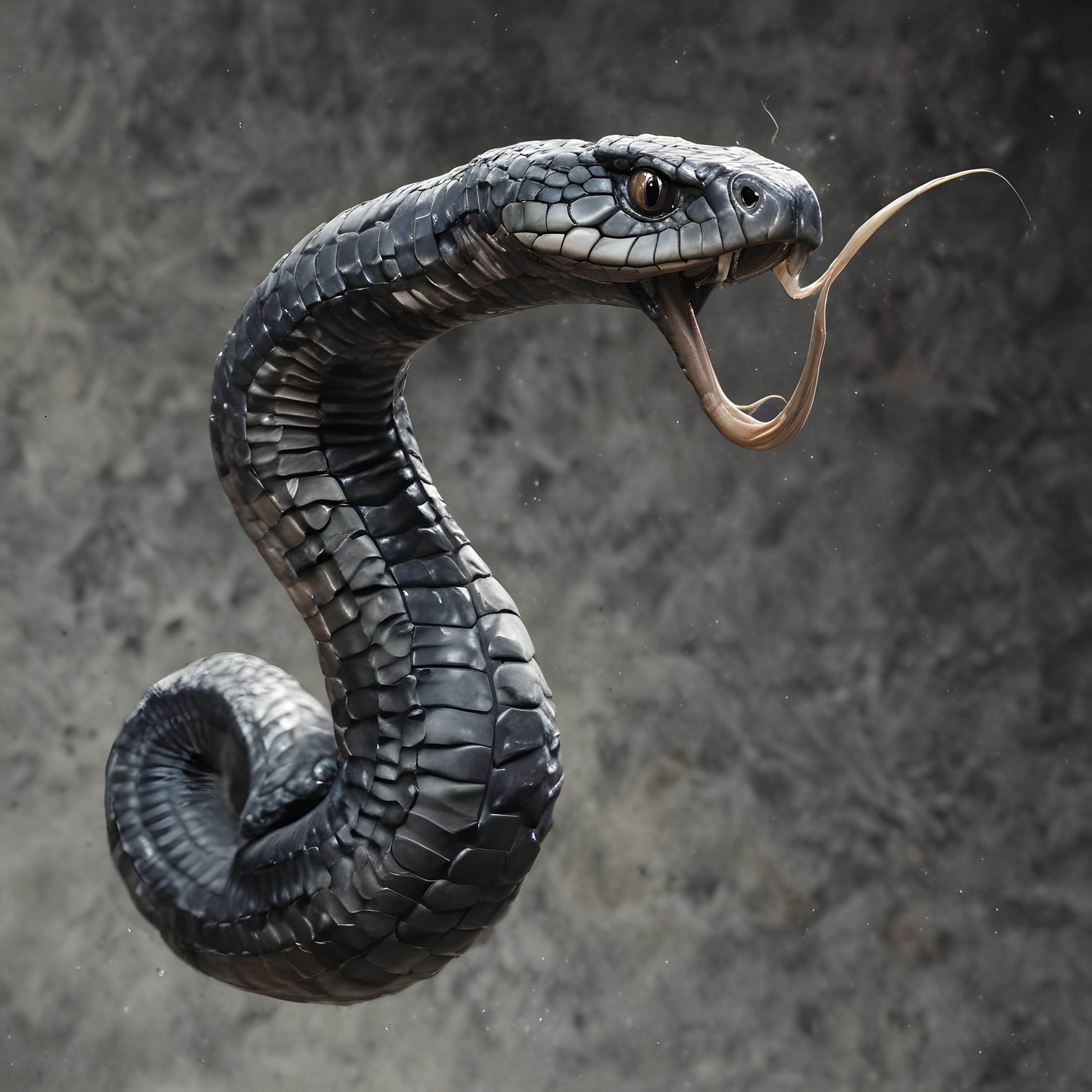
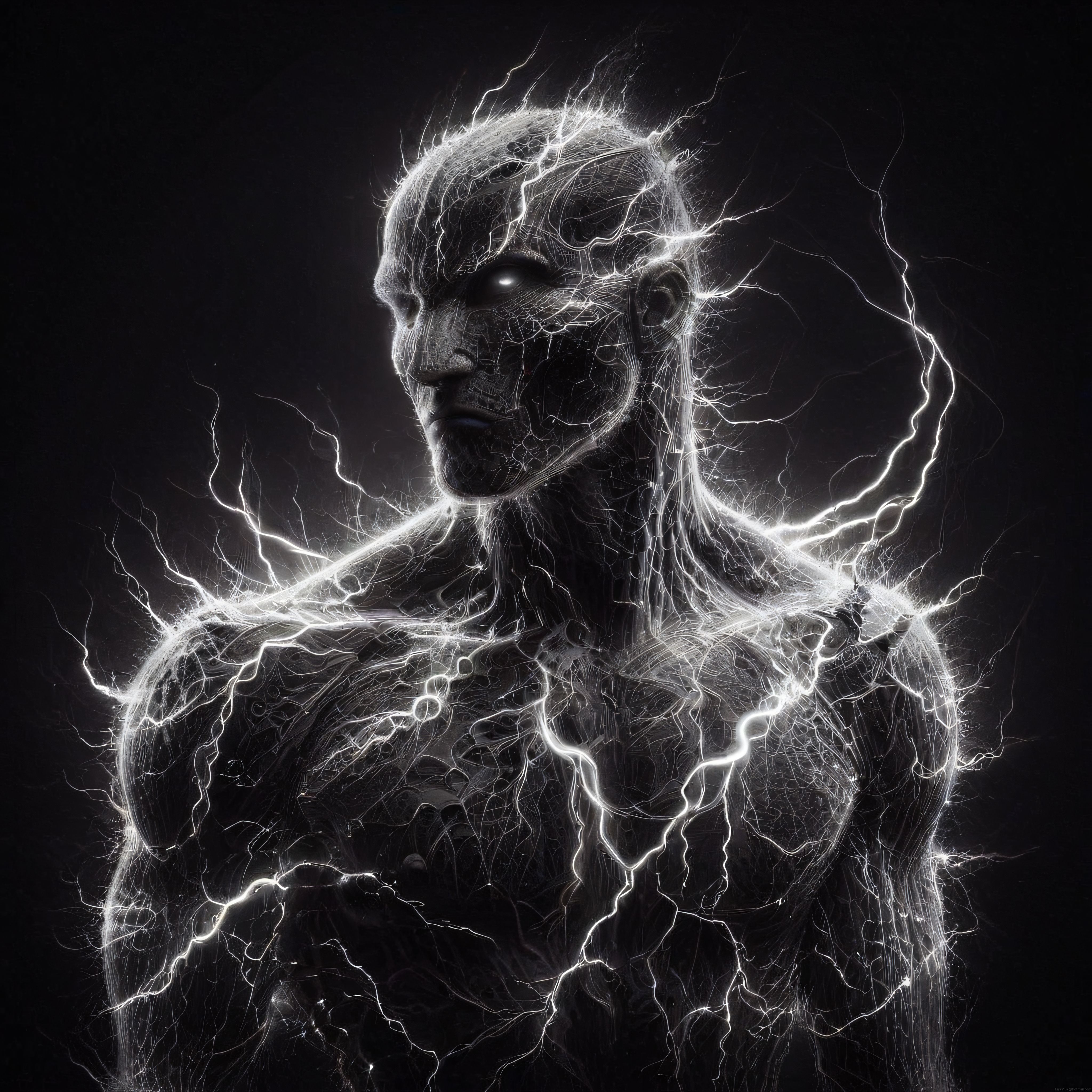
Çekim Tablosu
Belirtme (-i)gerilimi
Yönelme (-e)gerilime
Bulunma (-de)gerilimde
Çıkma (-den)gerilimden
Tamlayan (-in)gerilimin
Çoğul (-ler)gerilimler
Tanım
•isim: Gerginlik; tansiyon
•dil bilimi: Konuşmada bir sesin ortaya çıkması için ses kirişlerinin gerginleşmesi
•fizik: İki ucundan ters yanlara çekilen bir telin her noktasında, o iki güce karşı koyan güç; tevettür
•fizik: Bir iletkenin uçları arasındaki gizil güç farkı; potansiyel farkı, voltaj
•ruh bilimi: İhtiyaçların karşılanamadığı veya bir hedefe yönelmiş davranışlar engellendiğinde ortaya çıkan coşkulu durum
•sinema, televizyon: Çeşitli yollara başvurularak filmde yaratılan sıkıntılı, gergin hava; tansiyon
Diğer Dillerde
Almancaspannung (dişil) /ˈʃpanʊŋ/
voltage · tension · suspense (emotion of anticipation, excitement, anxiety or apprehension)
çekim: çoğul Spannungen · tamlayan Spannungen
eş: Stromspannung, Potential, Potentialdifferenz, Interesse, Antrieb, Bemühung
köken: From spannen + -ung.
aile: Bespannung, Verspannung
Empört läuft sie fort. — Gerilim şiddetle sürüyor.
Fransızcacontrainte, emphase, emphaser, influence, retirer, souligner (dişil) /kɔ̃.tʁɛ̃t/
constraint · requirement, demand · stress
çekim: çoğul contraintes
eş: contrainte mécanique
köken: From the feminine of contraint; Middle French constrainte.
Force de tension du ressortObjectClass — Yay gerilim kuvvetiObjectClass
İspanyolcaacentuar, chejear, desgarrarse, enfatizar, esguinzar, estrés /aθenˈtwaɾ/
to accentuate (to pronounce with vocal stress) · to accentuate (to mark with a written accent) · to accentuate, to emphasize
çekim: geçmiş acentué · ortaç acentuado · şimdiki acentúa
eş: enfatizar, recalcar, realzar, intensificar
köken: Borrowed from Medieval Latin accentuāre.
El voltaje es igual a 20. — Gerilim 20 idi.
We accentuate the tonic form of the pronoun nós to distinguish it from the atonic form […]
Pero aún más importante es que la distribución desigual del consumo en las sociedades condicionadas acentúa la importancia de ese símbolo.
İtalyancaaccentuare, enfasi, enfatizzare, insistere, pressione, sottolineare /at.t͡ʃen.tuˈa.re/
to accentuate, to emphasize · to stress · to accent
çekim: geçmiş accentuàto · ortaç accentuàto · şimdiki accèntua · ulaç accentuànte
eş: evidenziare, far notare, mettere in rilievo, rilevare, rimarcare, sottolineare
Regnò per dieci anni. — On yıl boyunca gerilim sürdü.
Rusçaнатяжение, расширение (nötr) /nətʲɪˈʐɛnʲɪje/
tension (state of an elastic object)
çekim: çoğul натяже́ния · tamlayan натяже́ния
eş: натяженье, растяжение, натяжка, срастание
Осторожно! Высокое напряжение! — Dikkat! Yüksek gerilim!
Farsçaکشیدن /ka.ʃiː.ˈdan/
to pull, to drag, to haul · to draw (e.g. a line), to depict · to take food (from a platter)
çekim: geçmiş کشید · ortaç کشیده · şimdiki میکشد · ulaç کشنده
köken: Inherited from Proto-Iranian *káršati (“to draw, plough”), from Proto-Indo-Iranian *káršati, from Proto-Indo-European *kʷéls-e-ti, from *kʷels- (“to pull, drag”). Cognate with Avestan 𐬐𐬀𐬭𐬱𐬀𐬌𐬙𐬌 (karšaⁱti) and Sanskrit कर्षति (karṣati). Also compare Old Armenian քարշ (kʻarš), an Iranian borrowing. Related to کشور (kešvar, “realm, region”).
گریبانش کشید از پس یکی، که ندارم در یکییاش شکی
تصویری کشیدن
to pull (transitive) · to pull or win someone over (to their side) · to draw, haul, drag, tug
çekim: geçmiş çəkmiş · ortaç çəkmiş · şimdiki çəkir
köken: Inherited from Proto-Turkic *ček- (“to draw, pull”). Cognate with Crimean Tatar çekmek, Gagauz çekmää, Salar çik, Turkish çekmek and Turkmen çekmek. Compare also Chuvash шак (šak, “red lace applique on the back of a women's shirt”).
aile: çəkdirmək, çəki, çəkiliş, çəkilmək, çəkinmək, xətçəkən, ad çəkmək, baş çəkmək, cəza çəkmək, dərd çəkmək
Gəl bu masanı pəncərəyə doğru çəkək, mane olmasın!
Əlbətdə onlar çalışacaqlar ki bizi öz tərəflərinə çəksinlər!
Obama Iraqdan qoşunları çəkmək istəyir.
pulling, dragging · boosting, promoting
köken: Inherited from Proto-Turkic *südre-.
Özbekçetortmoq
to pull, to weigh
çekim: geçmiş tortib · ortaç tortgan · şimdiki tortadi · ulaç tortayotgan
köken: From Proto-Turkic *tart- (“to pull”). Cognate with Turkish tartmak (“to weigh”).
Felemenkçebeklemtonen, spanning, trekken, zenuwen /bəˈklɛm.toː.nə(n)/
to stress (a syllable) · to emphasize, to stress
çekim: geçmiş beklemtoonden · ortaç beklemtoond · şimdiki beklemtoont · ulaç beklemtonend
eş: benadrukken, accentueren
köken: From klemtoon + be- -en.
aile: beklemtoning
Onze relatie werkt verstikkend. — Gerilim şiddetle sürüyor.
Portekizceatração, dar, ênfase, estressar, estresse, puxada (dişil) /a.tɾaˈsɐ̃w̃/
attraction
çekim: çoğul atrações
eş: atracção
köken: Learned borrowing from Latin attractiōnem.
Agia com violência. — Gerilim şiddetle sürüyor.
Yunancaάγχος, έμφαση, καταπόνηση, στρες, τονίζω, τονισμός (nötr) /ˈaŋ.xos/
stress, strain, anguish · pathological anxiety · something that causes stress
çekim: çoğul άγχη · tamlayan άγχους
eş: στρες
köken: From the ancient verb ἄγχ(ω) (ánkh(ō)) + ending for neuter nouns -ος (-os). Compare the modern verb άγχομαι (ánchomai).
Αισθητή είναι η βία. — Gerilim şiddetle sürüyor.
stress (emotional pressure)
köken: Borrowed from English stress.
暴力に走る傾向がある。 — Gerilim şiddetle sürüyor.
ストレスで頭が爆発しそう
emphasis
köken: Sino-Korean word from 強調.
aile: 강조(強調)하다
총 전압강하는 무엇일 것 같습니까? 이는 회로를 통과하는 총 전류와 같습니다 — Evet, toplam gerilim nedir? -
attraction
çekim: çoğul attraktioner · tamlayan attraktions
Fjäderns sträckningskraftObjectClass — Yay gerilim kuvvetiObjectClass
Lehçeakcentować, ciągnąć, emfaza, nacisk, naprężenie, pociągnąć /ak.t͡sɛnˈtɔ.vat͡ɕ/
to stress, to accent · to stress, to accent, to accentuate, to emphasize, to bring out
çekim: geçmiş akcentowano · şimdiki akcentuje
köken: Etymology tree Proto-Indo-European *h₂éd Proto-Italic *ad Proto-Italic *ad- Latin ad- Proto-Indo-European *keh₂n-der. Proto-Italic *kanō Latin canō Latin accinō Proto-Indo-European *-tus Proto-Italic *-tus Latin -tus ▲ Ancient Greek προσῳδῐ́ᾱ (prosōidĭ́ā)calq. Latin accentuslbor. Polish akcent Proto-Indo-European *h₂euh₁-der.? Proto-Slavic *-ovati Old Polish -ować Polish -ować Polish akcentować…
Napięcie jest równe 20. — Gerilim 20 idi.
akcentować rytm
Наруга дорівнює 20. — Gerilim 20 idi.
pulling, extending, tugging, drawing · attraction, pull · tension, strain, discontentment
çekim: çoğul खिंचावों
köken: From खिंचना (khiñcnā, “to be pulled”) + -आव (-āv).
Finceantaa, imu, iskeä, jännittää, jännitys, kiskoa /ˈɑntɑːˣ/
to give; to allow; to present, donate · to let, allow, permit · to have (do) (used as a causative or curative auxiliary verb)
çekim: geçmiş antanut · şimdiki antaisi · ulaç antava
zıt: ottaa, kieltää, estää
köken: From Proto-Finnic *antadak (compare Estonian andma), from Proto-Uralic *ëmta- ~ *amta- (compare Northern Sami vuovdit (“to sell”), Erzya андомс (andoms, “to feed”), Eastern Mari омдеш (omdeš), Komi-Zyrian удны (udny), Hungarian ad).
aile: antelias, anne, annin, annos, antaja, antaminen, antamus, anti, antimet, anto
Saarela kasvoi Ylöjärvellä. — Adada gerilim yükseliyordu.
Annoin Liisalle kukat.
Anna minulle mahdollisuus.
Anna hänen mennä.
Çekçestres, tah, tahat, táhnout, vytahovat, zdůraznit (eril) /ˈstrɛs/
stress
çekim: çoğul stresy · tamlayan stresu
köken: Derived from Latin stringo.
20 se rovná proud krát 10 ohmů, že ano? — Gerilim 20 idi.
Jsem ve stresu.
Rumenceîncordare, tensiune, trage (dişil)
tension
çekim: çoğul încordări · tamlayan încordări
köken: From încorda + -re.
Se fierb timp de 10 minute. — On yıl boyunca gerilim sürdü.
Macarcaerő, húz, nyomás, stressz, stresszel /ˈɛrøː/
strength, force, power
çekim: çoğul erők
köken: From an Oghur language before the times of the Hungarian conquest of the Carpathian Basin at the turn of the 9th and 10th centuries, from Proto-Turkic *erk (“strength, might, will, power”).
aile: erejű, erőd, erődít, erődítmény, erőlködik, erőltet → erőltetett → erőltetettség, erős → erősít, erősödik, erősködik, erősség
Tíz éven keresztül betegeskedett. — On yıl boyunca gerilim sürdü.
to accentuate, to stress (to pronounce with emphasis) · to emphasize, to highlight, to accentuate, to stress (to give extra weight to; to make more noticeable or prominent)
çekim: geçmiş fremhævede · ortaç fremhævet · ulaç fremhævende
köken: From frem + hæve. Compare Norwegian Bokmål fremheve, Swedish framhäva, German hervorheben.
aile: fremhævelse, fremhævning
FjederkraftObjectClass — Yay gerilim kuvvetiObjectClass
Det ble stort rabalder etter dette vedtaket. — Bu olaydan sonra HSYK gerilimi yaşandı.
to pull, to draw · to entice, to attract
çekim: karşılaştırma lebih menarik · üstünlük paling menarik
köken: Inherited from Malay menarik, from Classical Malay menarik (“to pull”). By surface analysis, meng- + tarik. The sense “to entice” is a semantic loan from Dutch aantrekken.
Di sinilah pergolakan itu terjadi. — Bu gerilimin oluştuğu zamandır.
Etimoloji
By surface analysis, geril- (“to be stretched, nervous”) + -im. Coined by Turkish Language Association in 1945. Displaced Ottoman Turkish توتر (tevettür).
Eş & Zıt Anlamlılar
Örnek Cümleler
Gerilim nedir?
What is the voltage?
Gerilim 20 idi.
The voltage is just equal to 20.
Diplomatik gerilim
Diplomatic tension
İran ile gerilimler
Bilateral tension with Iran
Gerilim yoğunluk faktörü
Stress intensity factor
Setteki gerilim gerçekti.
The tension on set was real.
Ve γ12 yüzey gerilimidir.
12) High tiller survival.
Gerilim şiddetle sürüyor.
They quarrel violently.
Soğuk Savaş gerilimi arttı.
Cold-war tension has mounted.
O, gerilimle başa çıkamıyor.
She is unable to cope with stress.
Evet, toplam gerilim nedir? -
And what's the total voltage drop? Well, that's equal to the total current through the whole system.
Irkçı gerilimler yüksek kaldı.
Racial tensions remained high.
İlgili Sorular
Neden yüksek gerilimli enerji kabloları grafit ile kaplanır?
Neden suyun yüzey gerilimi etanolünkünden daha fazladır?
Programlanabilir lojik kontrolörün (PLC) çalışma gerilimi DC mi yoksa AC mi olmalı?
Bir sarkaçta, kütlesi küçük bir küre bir ip ile bağlanmış ve kütlenin merkezi, ip uzunluğuna eşit bir mesafede sarkıtma noktasının altında bulunuyor. Sarkaç 30° açısal genlikle salınım yapıyorsa, maksimum gerilim ile minimum gerilim oranını nasıl bulabilirim?
Bir ip, 1600 kg'lık arabayı dikey yönde 0,70 m/s² ivme ile hızlandırmak için en az kaç Newton gerilim sağlamalı? _____ N
Birleşik Kelimeler
gerilimölçergerilim ölçümüalçak gerilimalt gerilimanma gerilimaşırı gerilimorta gerilimruhsal gerilimyüksek gerilimbesleme gerilimi