Sözlük
/eşarp
eşarp
"eşarp" kelimesinin İngilizcesi: scarf, kerchief, headscarf, headscarf. Anlamı, çevirisi, telaffuzu ve örnek cümleler aşağıdadır.
Çeviri
Genelscarfnoun
Genelkerchief
Genelheadscarf
Genelheadscarf
Görsel
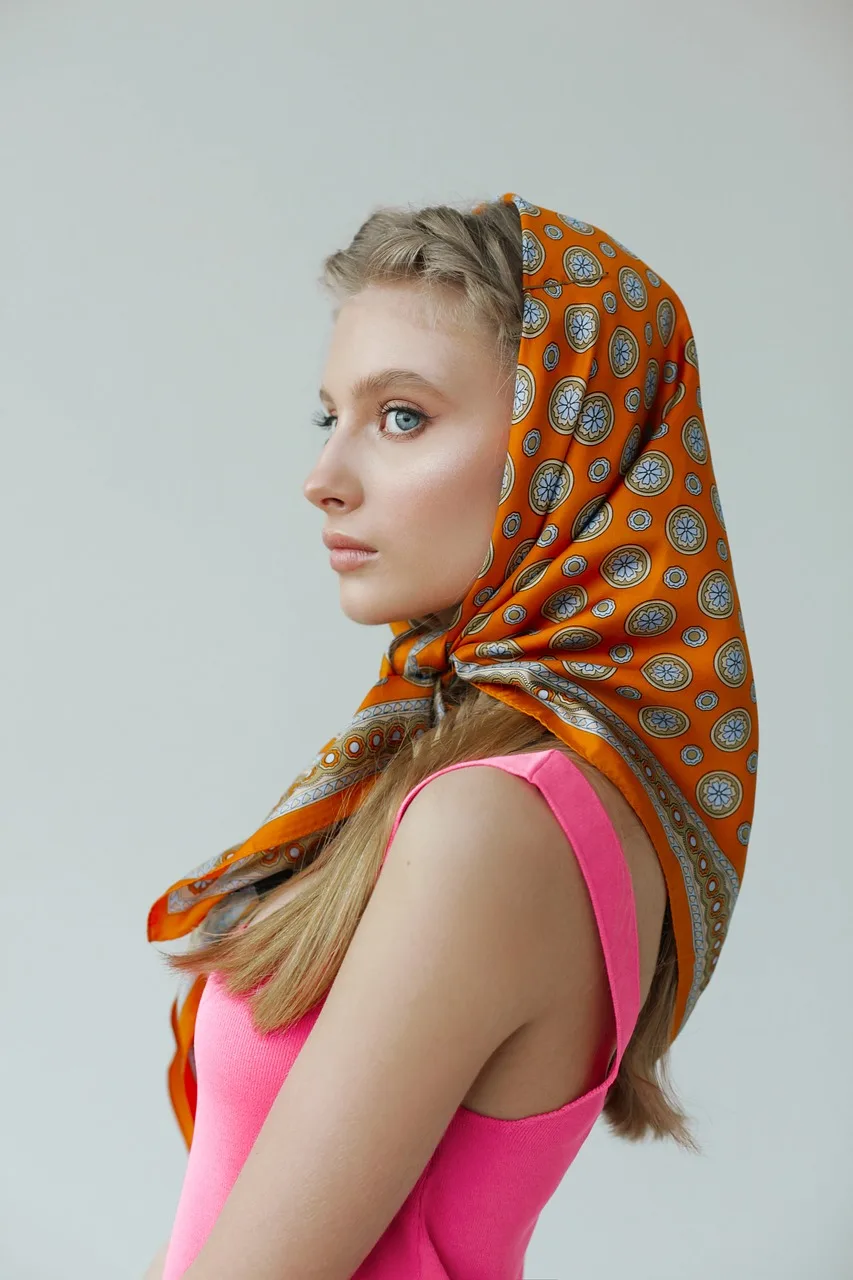

Çekim Tablosu
Belirtme (-i)eşarbı
Yönelme (-e)eşarba
Bulunma (-de)eşarpta
Çıkma (-den)eşarptan
Tamlayan (-in)eşarbın
Çoğul (-ler)eşarplar
Tanım
•başörtüsü
•Kadınların saçlarını örtmek için kullandıkları örtü
Diğer Dillerde
Almancaschal (eril) /ʃaːl/
scarf · shawl
çekim: çoğul Schals · tamlayan Schals
eş: Shawl
köken: Borrowed from English shawl, from Persian شال (šâl).
aile: Schalheit
Wir haben keine Cupid mit einem Schal hoodwink'd, Bearing einen Tataren gemalt Bogen der Latte, — Biz, bir Tatar boyalı yay çıta Rulman, bir eşarp ile hoodwink'd hiçbir Cupid
schales Bier
scarf, muffler
eş: cache-col, coffin à roupies, touret de nez, nasal, muserole, picrate
köken: From cache (“hide”) + nez (“nose”).
'Yoga, rouleau de cuisine, lessive, (rire) eau, écharpe en coton, gouttes pour les yeux.' — Yoga, kağıt havlu, deterjan, (gülüşler) su, pamuk eşarp, göz damlası.
İspanyolcabufanda, chalina, toca, toquilla (dişil) /buˈfanda/
scarf
çekim: çoğul bufandas
köken: Most likely from Old French bouffante, present participle of bouffer (“to puff up”) (compare imitative origins of both Medieval Latin buffa and English puff).
Los pañuelos están en la gaveta. — Eşarplar çekmecede.
İtalyancabandana, fascia, scaldacollo, sciarpa (dişil) /banˈda.na/
bandana
çekim: çoğul bandane
köken: Borrowed from English bandana.
Avremo nessun Cupido hoodwink'd con una sciarpa, Bearing arco dipinto una tartara di listelli, — Biz, bir Tatar boyalı yay çıta Rulman, bir eşarp ile hoodwink'd hiçbir Cupid
Rusçaшарф /ʂarf/
scarf (type of clothing)
çekim: çoğul ша́рфы · tamlayan ша́рфа
köken: Borrowed from Polish szarfa, from German Schärpe, from French écharpe.
Мы не будет никакой Купидон hoodwink'd с шарфом, принимая окрашены нос татарина из планки, — Biz, bir Tatar boyalı yay çıta Rulman, bir eşarp ile hoodwink'd hiçbir Cupid
— Позво́льте полюбопы́тствовать, — спроси́л он по́сле небольшо́го молча́ния, — кому́ назнача́ется э́тот ми́ленький шарф?
لكن لحسن حظها انها مش لابسة كوفية زي البنت التانية اللي كانوا هيخنقوها بيها — Ama şükür eşarp takmamıştı, bir başka kız eşarbıyla boğulacaktı neredeyse,
headscarf, hijab
çekim: çoğul روسریها
köken: From رو (ru, “on”) + سر (sar, “head”) + ـی (-i).
Kazakçaбөкебай, мойынорағыш
down shawl · scarf
çekim: çoğul бөкебайлар · tamlayan бөкебайдың
köken: Borrowed from Russian пухо́вый (puxóvyj).
Tatarcaяулык
Felemenkçedas, hoofddoek, sjaal, sluier (eril) /dɑs/
A badger, various species of genera Meles and Taxidea. · Eurasian badger (Meles meles)
çekim: çoğul dassen
köken: From Middle Dutch das, from Old Dutch *thas, from Proto-West Germanic *þahs, from Proto-Germanic *þahsuz.
aile: dasborstel, dashond, daskwast, daslook, dassenbuil, dassenburcht, dassenhaar, dassenhol, dassenleer, dassensmout
Om haar haren heeft zij een zijden sjaal gebonden. — Saçlarının üzerine ipek bir eşarp bağlamış.
scarf (long garment worn around the neck)
çekim: çoğul cachecóis
eş: echarpe
köken: Borrowed from French cache-col (“scarf, muffler”), from cache (“hide”) + col (“neck”).
Não teremos Cupid hoodwink'd com um lenço, Bearing arco pintado um tártaro de ripa, — Biz, bir Tatar boyalı yay çıta Rulman, bir eşarp ile hoodwink'd hiçbir Cupid
Yunancaκασκόλ (nötr) /kaˈskol/
scarf, muffler
köken: Learned borrowing from French cache-col. See French cacher & col
Θα έχουμε καμία Έρως hoodwink'd με ένα μαντίλι, Έχοντας ζωγραφισμένα τόξο έναν Τάταρο της πεταχτό, — Biz, bir Tatar boyalı yay çıta Rulman, bir eşarp ile hoodwink'd hiçbir Cupid
light scarf, usually rectangular
köken: Borrowed from English scarf.
またはナイフで侵入していた第三の少女のような、 — Ama şükür eşarp takmamıştı, bir başka kız eşarbıyla boğulacaktı neredeyse,
headscarf; kerchief; bandana
köken: First attested as Late Old Korean 土捲 in the Jīlín lèishì (鷄林類事 / 계림유사), 1103 Sino-Korean word from 頭巾
우리는 라스의 타르 타르의 그려진 나비 넥타이를 베어링, 스카프와 함께 hoodwink'd 더 큐피드도 없을 거예요 — Biz, bir Tatar boyalı yay çıta Rulman, bir eşarp ile hoodwink'd hiçbir Cupid
İsveççehalsduk, huvudduk, sjalett
scarf (long garment worn around the neck)
çekim: çoğul halsdukar · tamlayan halsduks
köken: hals + duk
Vi har inga Cupid hoodwink'd med en scarf, Med en Tartar är målad båge ribba, — Biz, bir Tatar boyalı yay çıta Rulman, bir eşarp ile hoodwink'd hiçbir Cupid
kerchief, headscarf · tissue (facial tissue)
çekim: çoğul chustki · tamlayan chustki
köken: Etymology tree Polish chusta Proto-Indo-European *-keh₂der. Proto-Balto-Slavic *-kāˀ Proto-Slavic *-ъka Old Polish -ka Polish -ka Polish chustka From chusta + -ka.
Nie będziemy mieli Cupid hoodwink'd z szalikiem, mając tatarskie namalowany łuk z listwy, — Biz, bir Tatar boyalı yay çıta Rulman, bir eşarp ile hoodwink'd hiçbir Cupid
Hintçeदुपट्टा, स्कार्फ़ (eril) /d̪ʊ.pəʈ.ʈɑː/
scarf, dupatta
çekim: çoğul दुपट्टे
köken: दु- (du-, “two”) + पट्टा (paṭṭā, “ribbon of cloth”).
Fincehuivi, kaulahuivi, kaulaliina /ˈhui̯ʋi/
headscarf, scarf (piece of cloth worn over the head) · neckerchief, necker (type of neckwear, consisting of a rolled piece of cloth and often a woggle)
çekim: çoğul huivit · tamlayan huivin
eş: Standard Finnish, Kuusjoki, Pertteli, Sauvo, liina, Eura
köken: Borrowed from dialectal Swedish hviv (“women's headwear, bride's veil”) or from earlier Old Swedish hviver.
aile: huivio, bandanahuivi, harsohuivi, hartiahuivi, huiviholkki, huivikaulus, huivineula, huivipää, huppuhuivi, höyhenhuivi
Me ei Cupid hoodwink'd kanssa huivi, Bearing tartar n maalattu keula rima, — Biz, bir Tatar boyalı yay çıta Rulman, bir eşarp ile hoodwink'd hiçbir Cupid
scarf (knitted garment worn around the neck)
çekim: çoğul šály · tamlayan šály
eş: šál
Kero ho trochu škádlí a utahuje si z něho. — Ve eşarp düdük 's...
kerchief
çekim: çoğul basmale · tamlayan basmale
köken: Borrowed from Ottoman Turkish باصمه (basma, “printed cloth”).
Prietenul meu mi-a făcut cadou o eșarfă de mătase. — Arkadaşım bana bir ipek eşarp hediye etti.
cloth · kerchief · shawl
çekim: çoğul kendők
köken: From the Old Hungarian verb kend (“to wipe”) + -ő (present-participle suffix). It was frequently used in the antiquity in the phrase kendő keszkenő (“dishtowel, wipe”).
aile: kendős, kendőz, asztalkendő, fejkendő, nyakkendő, vállkendő, zsebkendő
Majd nem Cupid hoodwink'd egy sálat, ellátott tatár által festett íjat a léc, — Biz, bir Tatar boyalı yay çıta Rulman, bir eşarp ile hoodwink'd hiçbir Cupid
İbraniceצָעִיף
אבל למזלה היא אינה לובשת צעיף כי אז הייתה נחנקת מה שקרה עם בחורה אחרת שנקלעה לנסיבות דומות — Ama şükür eşarp takmamıştı, bir başka kız eşarbıyla boğulacaktı neredeyse,
Latincefōcāle
Dancahalstørklæde /ˈhalstˢɶɐ̯ˌkʰl̥ɛːðə/
scarf
çekim: çoğul halstørklæder · tamlayan halstørklædes
köken: From hals (“neck”) + tørklæde (“scarf”).
Vi har ingen Amor hoodwink'd med et tørklæde, forsynet med et Tartar er malet bue tremme, — Biz, bir Tatar boyalı yay çıta Rulman, bir eşarp ile hoodwink'd hiçbir Cupid
Etimoloji
Fransızca
Eş & Zıt Anlamlılar
Örnek Cümleler
O eşarp kötü.
That scarf is ugly.
O bir eşarp örüyor.
She is knitting a scarf.
Ve eşarp düdük 's...
Here they come..
Mary bir eşarp örüyor.
Mary is knitting a scarf.
Mary'ye bir eşarp aldım.
I bought Mary a scarf.
O koyu mavi bir eşarp taktı.
She wore a dark blue scarf.
Bir eşarp takan o kız bakire.
That girl who's wearing a scarf is a virgin.
Leyla yeni bir eşarp giyiyor.
Layla is wearing a new scarf.
Bu eşarp yumuşak hissettiriyor.
This scarf feels soft.
Tom, Mary'ye bir eşarp satın aldı.
Tom bought Mary a scarf.
Tom, Mary için bir eşarp satın aldı.
Tom bought a scarf for Mary.
Mary boynuna kırmızı bir eşarp giydi.
Mary wore a red scarf around her neck.