Sözlük
/Terazi
terazi
/te.ɾaːˈzi/
noun
TR → EN
"terazi" kelimesinin İngilizcesi: balance, libra, libra, scales, libra. Anlamı, çevirisi, telaffuzu ve örnek cümleler aşağıdadır.
Çeviri
Genelbalancenoun
Genellibraname
Genellibra
Genelscales
Genellibra
Genelscales
Görsel
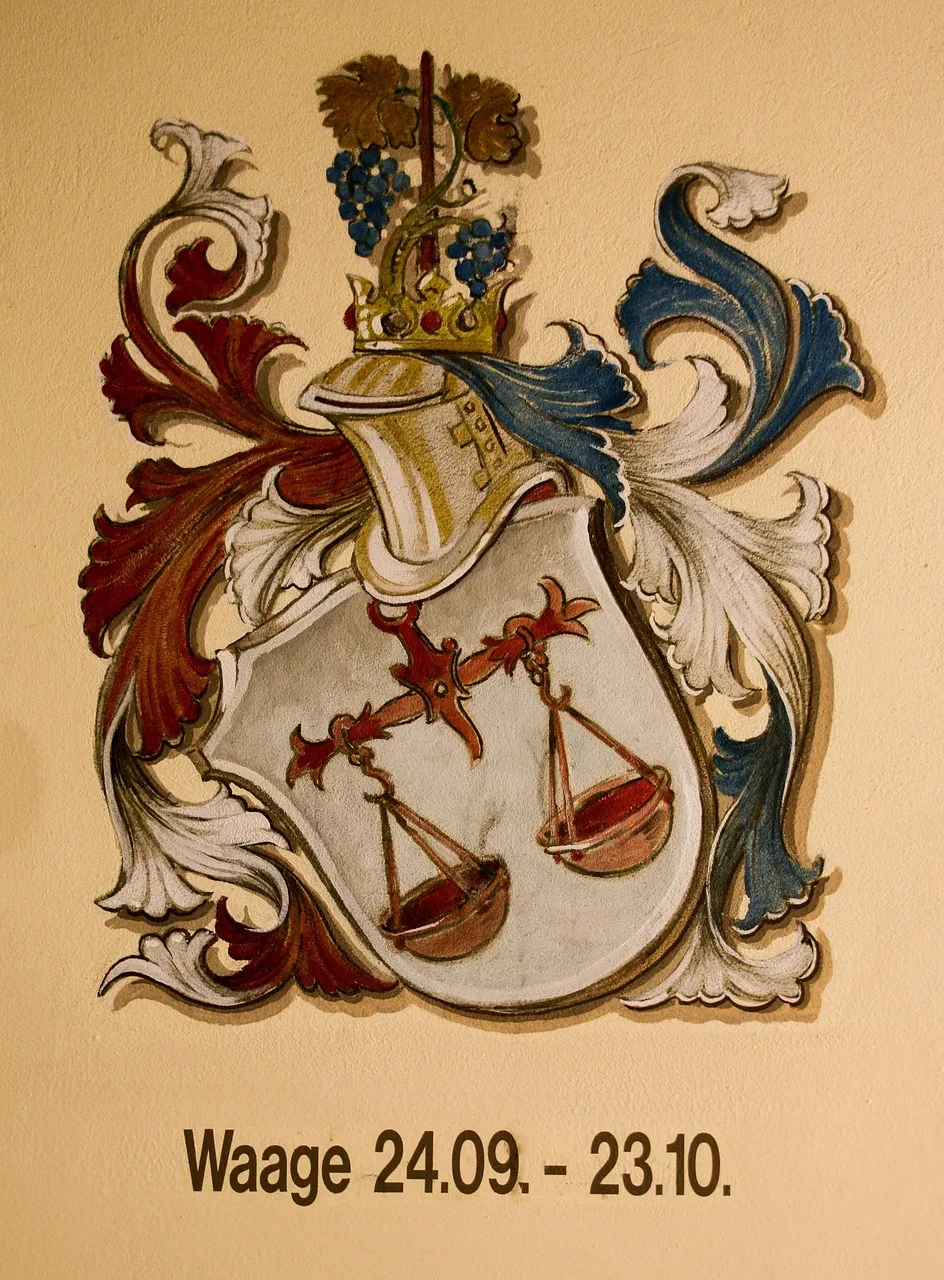
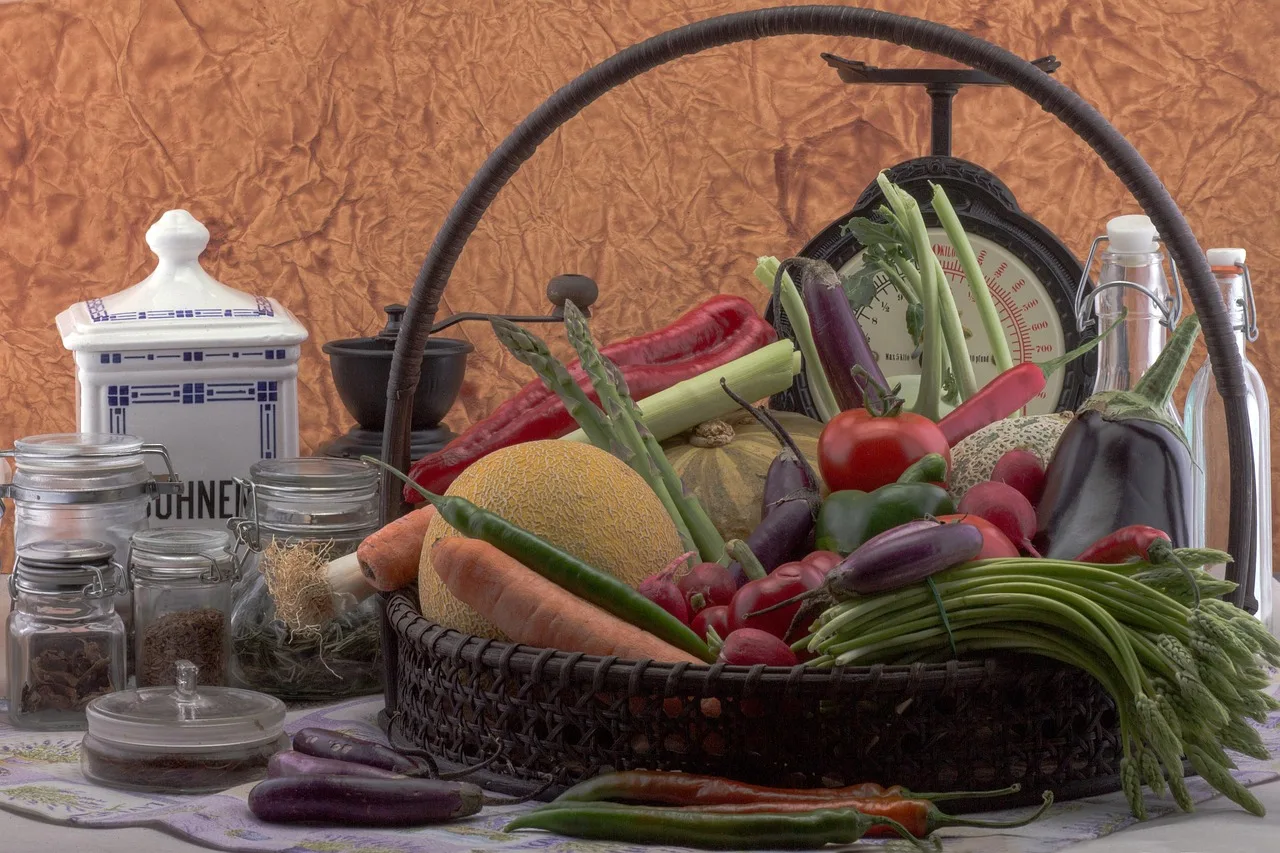
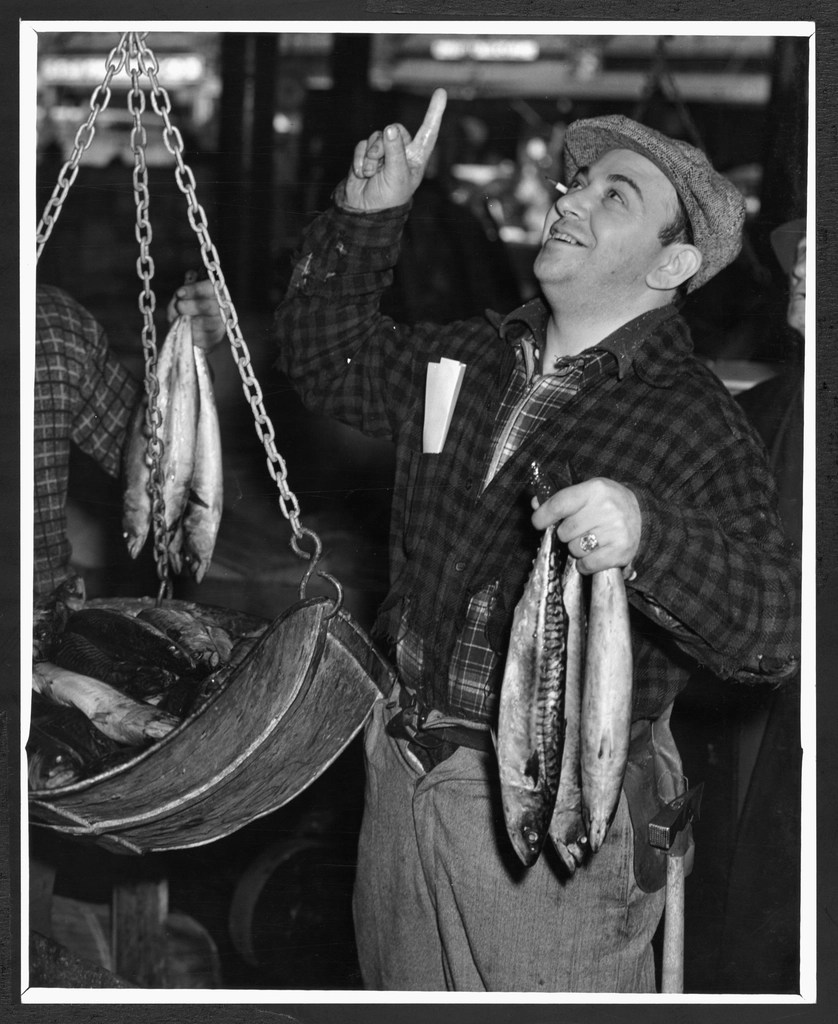
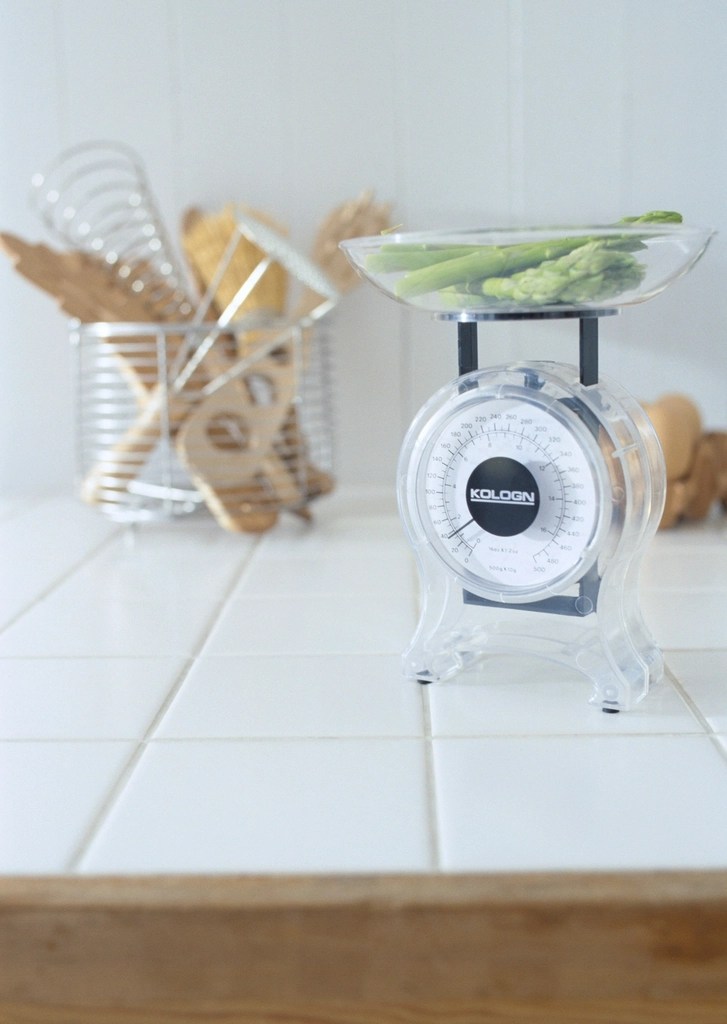
Çekim Tablosu
Belirtme (-i)teraziyi
Çoğul (-ler)teraziler
Tanım
•isim, gök bilimi: Terazi Burcu
•isim: Bir kolun iki ucuna asılı iki kefeden oluşan tartı; mizan, vezne
•Elektronik tartma aracı
•İp cambazlarının dengeyi sağlamak için kullandıkları uzun sırık
•teknik: su terazisi
•spor: Vücudun, asılarak veya dayanarak yere paralel bulunduğu denge duruşu
Atasözü & Deyim
“Terazi var, tartı var, her şeyin bir vakti var”
Diğer Dillerde
Almancawaage (dişil) /ˈvaːɡə/
scales (weighing machine) · Libra
çekim: çoğul Waagen · tamlayan Waagen
eş: Libra, Drachenwaage, Gewicht
köken: From Middle High German wāge, from Old High German wāga, from Proto-West Germanic *wāgu (“scales”). Cognate with Dutch waag, English wey. The spelling Waage was used alongside Wage since at least the 17th century. As the etymological school of the 19th century favoured single vowels, some doubled spellings like baar, Schooß, Waage were abolished during the reforms of the early 20th century.…
aile: Briefwaage, Personenwaage, Waagschale, Zünglein an der Waage
Waage — Terazi Burcu
Fransızcabalance (dişil) /ba.lɑ̃s/
scales · balance · drop-net
çekim: çoğul balances
eş: bascule, dynamomètre, peson, trébuchet
köken: Inherited from Middle French balance, from Old French balance, from Vulgar Latin *bilancia, from Latin bilanx, from bi- (see Latin bis) and lanx.
aile: mettre en balance, peser dans la balance
Balance — Terazi Burcu
İspanyolcabalancear, balanza, báscula, contrabalancear, contrapesar, equilibrar /balanθeˈaɾ/
to balance · to swing, to rock, to sway · to roll (plane or ship)
çekim: geçmiş balanceé · ortaç balanceado · şimdiki balancea
köken: From balanza + -ear.
aile: balanceador, balanceo
- Terazije — - Terazije
İtalyancabilancia, bilanciamento, bilanciare, bilanciere, bilancio, conguagliare (dişil) /biˈlan.t͡ʃa/
balance, scales, scale (device for weighing) · balance (see also bilancio)
çekim: çoğul bilance
eş: pesa, rete da pesca, bilanciere
köken: From Late Latin *bilancia, from Latin bilanx, from bi- (see Latin bis) and lanx.
Bilancia — Terazi Burcu
bilancia dei pagamenti
bilancia commerciale
Rusçaбезмен (eril) /bʲɪzˈmʲen/
stilyard · a weight measure, 2+¹⁄₂ фу́нта (fúnta) – 1.022 kg
çekim: çoğul безме́ны · tamlayan безме́на
eş: кантер, кантарь, контарь, динамометр, кантарик, контарик
köken: Inherited from Old East Slavic безмѣнъ (bezměnŭ), which see for more.
Весы — Terazi Burcu
Arapçaرَصِيد, مِيزَان
الميزان — Terazi Burcu
subject non-past participle of qapmaq (“to snap”)
çekim: çoğul qapanlar · tamlayan qapanın
köken: Borrowed from Classical Persian قَپَان (qapān).
Özbekçemezon, tarozi
Tatarcaүлчәү
Felemenkçeevenwicht, weegschaal (nötr) /ˈeː.və(n)ˌʋɪxt/
balance, equilibrium · equilibrium · equal weight
çekim: çoğul evenwichten
eş: balans
köken: From even (“even”) + wicht (“weight”).
aile: evenwichtig, evenwichtsbalk, evenwichtsniveau
Weegschaal — Terazi Burcu
Portekizcebalança, balanço, equilíbrio (dişil) /baˈlɐ̃.sɐ/
balance · scales (device for weighing goods for sale)
çekim: çoğul balanças
köken: Inherited from Late Latin *bilancia, from Latin bilanx, from bi- (see Latin bis) and lanx.
aile: balancear, balanceado, balanço, abalançar
- Terazije — - Terazije
to counterbalance, make to balance · to make to balance (a budget or balance sheet)
çekim: geçmiş αντιστάθμισα · ortaç έχοντας αντισταθμίσει · şimdiki αντισταθμίζει · ulaç αντισταθμίζοντας
Ζυγός — Terazi Burcu
balance (of an account)
köken: Sino-Korean word from 殘額.
천칭자리( LIBRA) Constellation name (optional) — TERAZİConstellation name (optional)
İsveççeavvägning, balansera, balansräkning, balansvåg, jämna ut sig, stå och väga
balancing (act of trying to reach a good balance between different (abstract) things) · a balance, a trade-off
çekim: çoğul avvägningar · tamlayan avvägnings
köken: av (“off”) + väga (“weigh”) + -ning (“-ing”)
Vågen — Terazi Burcu
Lehçebalansjer, balansować, bilans, bilansować, bilansować się, waga (eril) /baˈlan.sjɛr/
balance wheel
çekim: çoğul balansjery · tamlayan balansjera
köken: Etymology tree French balance Proto-Indo-European *-yósder. Proto-Italic *-āzijos Latin -āriusnom. Latin -ārius Old French -ier Middle French -er French -ier French balancierbor. Polish balansjer Borrowed from French balancier.
aile: balansowy, balans, balansówka, balansować, przebalansować, zbalansować
Waga — Terazi Burcu
Ukraynacaбалансува́ти, вага́, ва́ги, урівнова́жити, урівнова́жувати
Терези — Terazi Burcu
balance, scales
çekim: çoğul तराज़ुओं
köken: Borrowed from Classical Persian ترازو (tarāzū), from Avestan 𐬙𐬀𐬭𐬁𐬰𐬎 (tarāzu). Compare Bengali তরাজূ (toraju), Gujarati ત્રાજવું (trājvũ), Marathi तराजू (tarājū), Odia ତରାଜୁ (tarāju).
Finceliipotin, loppu, loppuosa, loput, olla tasapainossa, ottaa sisään /ˈliːpotin/
balance wheel, balance · footman (part of a spinning wheel)
çekim: çoğul liipottimet · tamlayan liipottimen
köken: liipottaa + -in
Vaaka — Terazi Burcu
Çekçeváhy (dişil) /ˈvaːɦɪ/
inflection of váha: · nominative/accusative/vocative plural
çekim: çoğul vah · tamlayan vah
eş: Lib
Váhy — Terazi Burcu
Libra
çekim: çoğul balanțe · tamlayan balanțe
köken: From balanță.
Balanță — Terazi Burcu
Macarcaegyenleg, elfogulatlanság, kiegyensúlyozottság, lelki béke, mérleg, semlegesség /ˈɛlfoɡulɒtlɒnʃaːɡ/
impartiality, fairness (the quality of being impartial: treating all parties, rivals, or disputants equally)
çekim: çoğul elfogulatlanságok
köken: elfogulatlan + -ság (“-ness, -ity”, noun-forming suffix)
Mérleg — Terazi Burcu
İbraniceאִזֵּן, איזון, מאזן, מאזניים, מֹאזְנַיִם (eril)
balance, scales
çekim: çoğul מֹאזְנַיִם
köken: The word has equivalents in several Semitic languages. It seems to be a dual form of the singular *מוֹזֵן, derived from the root *ו־ז־ן whose ancient meaning was weighing, compare Arabic وَزَنَ (wazana, “to weigh”). If so, the expected spelling of the word would be *מוֹזְנַיִם. The current spelling is probably the result of a late allusion (in spelling only) to the word אׇזְנַיִם (oznáyim,…
ראו על כך בפסקה לעיל. — Bunu koyun terazinin gözüne.
Latincelībra, statēra, trutina
balance, (pair of) scales
çekim: çoğul trutinae · tamlayan trutinae
köken: Early borrowing from Ancient Greek τρυτάνη (trutánē), displaying vowel reduction.
aile: trutinō, trutinor
Dancaafvejning, balance, ligevægt, saldo, vægt (nötr)
balance · a balance sheet
çekim: çoğul balancer · tamlayan balances
zıt: ubalance
köken: Via French balance, from Latin bilanx.
aile: balanceakt, balancepolitik, balancepunkt, balanceøvelse, betalingsbalance, handelsbalance, kønsbalance, overbalance, saltbalance, valutabalance
Vægten — Terazi Burcu
Norveççebalansere, vekt
Hvem var Harald Hårfagre? — Babası Terazici Hasan Ağa idi.
Endonezcebalans, seimbang, timbangan /ˈba.lans/
balance: · a state in which opposing forces harmonise; equilibrium · balance sheet: a list accounting for the debits on one side, and for the credits on the other
çekim: çoğul balans-balans
köken: From Dutch balans, from Middle Dutch balanse, from Old French balance, from Latin bilanx.
Ini timbangan WiFi saya. — Bu benim WiFi terazim.
Etimoloji
Proper noun form of terazi.
Eş & Zıt Anlamlılar
Örnek Cümleler
- Terazije
- Terazije
Tom Terazi.
Tom is a Libra.
Terazi Burcu
Libra
Teraziye çık.
Stand on the scales.
Terazi burcuyum.
I'm a Libra.
Tom Terazi burcu.
Tom is a Libra.
Doğru teraziyle tartın.
Weigh on an even balance.
Terazi BurcuZodiac sign
Libra
Doğru terazi ile tartın.
Weigh on an even balance.
Terazi3- letters Zodiac sign
Lib
Fell All-Way hassas terazisi
Fell All-Way precision level
"Ve doğru terazi ile tartın."
Weigh on an even balance.
Birleşik Kelimeler
Terazi Burcu