Sözlük
tanrı
/tanˈɾɯ/
noun
A1 seviye
TR → MACARCA
"tanrı" kelimesinin İngilizcesi: bálvány, isten, Isten, lény, lét (ezés). Anlamı, çevirisi, telaffuzu ve örnek cümleler aşağıdadır.
Çeviri
Genelbálvány
Genelisten
GenelIsten
Genellény
Genellét (ezés)
Görsel
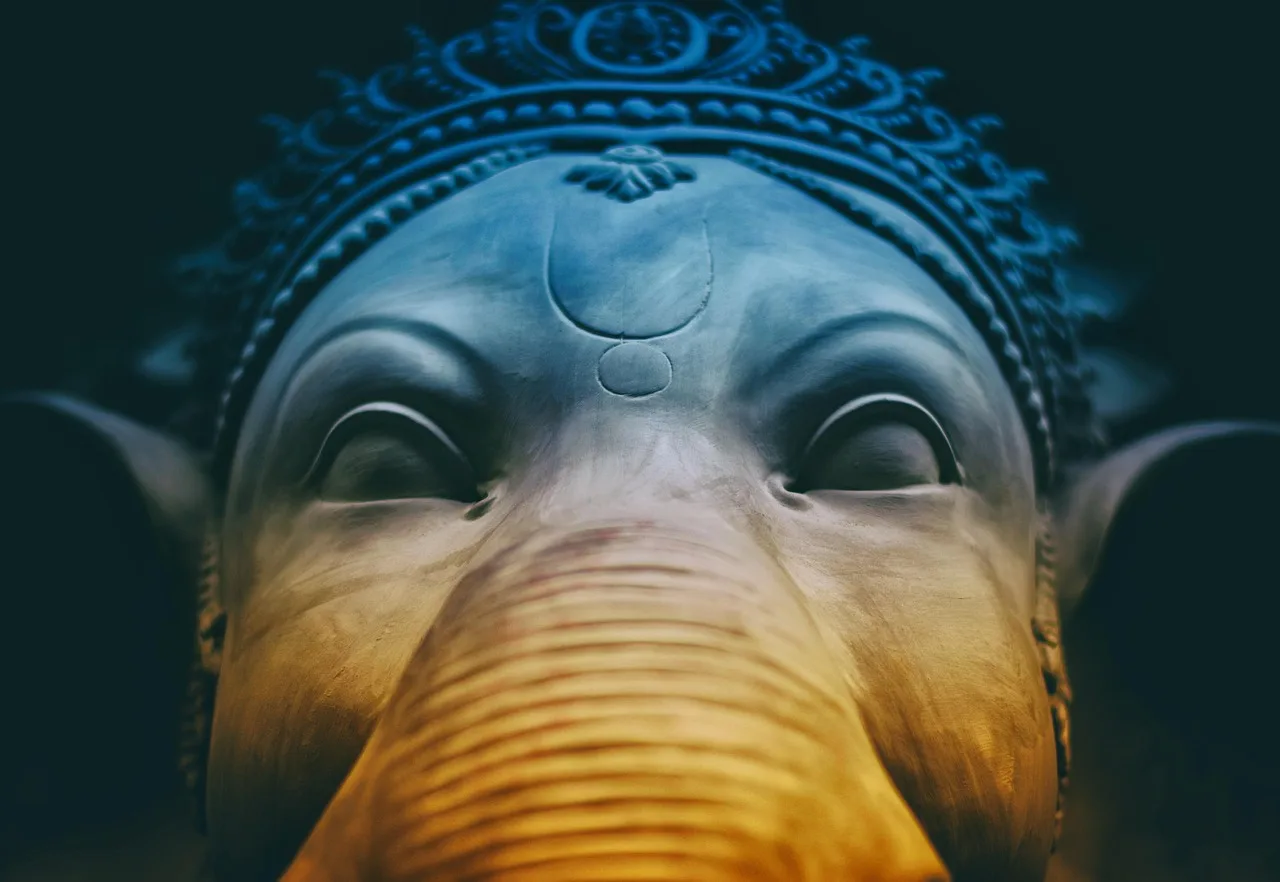
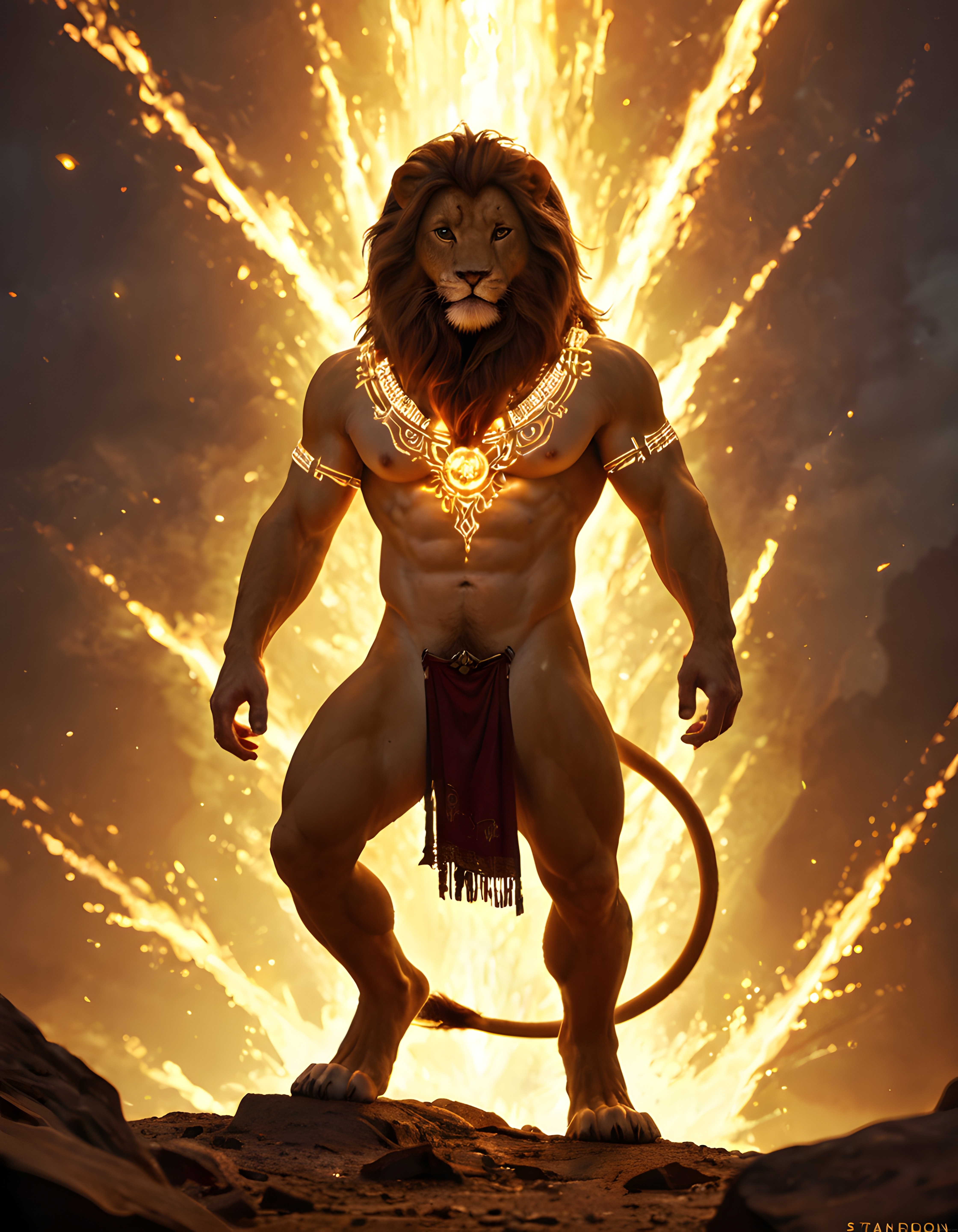

Çekim Tablosu
Belirtme (-i)tanrıyı
Yönelme (-e)tanrıya
Bulunma (-de)tanrıda
Çıkma (-den)tanrıdan
Tamlayan (-in)tanrının
Çoğul (-ler)tanrılar
Tanım
•idol, image, fetish
Diğer Dillerde
Formerly standard spelling of da sein which was deprecated in the spelling reform (Rechtschreibreform) of 1996.
çekim: çoğul Daseine · tamlayan Daseins
köken: From da (“there”) + sein (“to be”).
- Ahh! — - Tanrım!
Im Gefängnis gewesen sein, das ist ein großes Erlebnis, das kein politischer Mensch aus seinem Dasein streichen kann.
Dasein…Dasein muss doch reichen / Und die Reichen müssen da sein / Wenn man sie braucht
Fransızcadieu, Dieu, divinité (eril) /djø/
a god, male divinity
çekim: çoğul dieux
eş: Allah, Créateur, Dieu le Père, Éternel, Être suprême, Grand Architecte de l’Univers
köken: Inherited from Middle French dieu, from Old French deu, from Latin deus, from Old Latin deivos, from Proto-Italic *deiwos, from Proto-Indo-European *deywós.
aile: demi-dieu, dieudonné m & adjective, dieux du ciel, grand Dieu, homme de dieu, jurer ses grands dieux
Oh mon dieu ! — Oh Tanrım
İspanyolcacriatura, deificar, dios, Dios, endiosar, ente (dişil) /kɾjaˈtuɾa/
creature (living being), critter · small child, infant
çekim: çoğul criaturas
köken: From Latin creatūra. Cognate with English creature.
Oh, cielos. — Tanrı ^
creature · an infant or small child · protege
çekim: çoğul creature
eş: animale, essere, vivente, individuo, persona, uomo
köken: Derived from Late Latin creātūra, from Latin creō.
aile: creaturaccia, creaturina, creaturone
- Oddio! — - Tanrım!
Laudato ſie mi ſignore cū tucte le tue creature, ſpetialm̄te meſſoꝛ lo fr̄e ſole […]
Vergine Madre figlia del tuo figlio ¶ humile et alta piu che creatura ¶ termino fiſſo decterno conſiglio […]
Rusçaбог, Бог, Аллах /box/
God (in monotheistic religions)
çekim: çoğul бо́ги · tamlayan бо́га
eş: Господь, Творец, Всевышний
köken: See бог (box).
aile: Бо́же
О Боже! — Oh Tanrım
с на́ми Бог
В нача́ле сотвори́л Бог не́бо и зе́млю.
Бо́же, царя́ храни́!
köken: From the root ء ل ه (ʔ l h). Widely theorized to be a contraction of الٱِلٰه (al-ilāh, “God”), from الإلٰه (al-ʔilāh, “the deity”) with loss of initial hamza after the definite article ال (al-). Others suggest it is a variant spelling of the more ancient أَلّٰه (ʔallāh), the extra ل (l) serving as an emphatic marker to emphasize distinction, first attested in the Mecca and Taif region, and later…
aile: آيَةُ الله, أَسْتَغْفِرُ ٱللّٰهَ, إِنْ شَاءَ ٱللّٰهُ, الله أبهى, اللَّٰهُمَّ, اللّٰهُ أَكْبَرُ, بِسْمِ ٱللَّٰهِ ٱلرَّحْمَٰنِ ٱلرَّحِيمِ, بِسْمِ ٱللّٰهِ, سُبْحَانَ ٱللّٰهِ, ٱلْحَمْدُ لِلَّٰهِ
يا إلهي! — Tanrı ^
قُلْ هُوَ ٱللّٰهُ أَحَدٌ ٱللّٰهُ ٱلصَّمَدُ لَمْ يَلِدْ وَلَمْ يُولَدْ وَلَمْ يَكُنْ لَهُ كُفُوًا أَحَدٌ
فَلَمَّا سَمِعَ يَسُوعُ قَالَ: هٰذَا ٱلْمَرَضُ لَيْسَ لِلْمَوْتِ بَلْ لِأَجْلِ مَجْدِ اللّٰهِ لِيَتَمَجَّدَ ٱبْنُ اللّٰهِ بِهِ.
being, dasein, existence · divine will, divine decree
köken: Inherited from Middle Persian [script needed] (bwšn /bawišn/, “being”). By surface analysis, بو (bov-, present stem of بودن (budan, “to be”)) + ـش (-eš, suffix deriving nouns from verbs).
Allah, God
köken: From Arabic اَللّٰه (allāh).
aile: Allah ağzından eşitsin, Allah qoysa, Allah tərəfi, Allah üzümə baxdı, Allahdan olan kimi, Allahın altında, Allahın ətəyindən yapışmaq, Allahın verdiyindən, Allahın verən günü, Allahından olmaq
Allah qoysa
Allah qoysa gələn ay təzə işə başlayıram.
Allah rəhmət eləsin
Allah
köken: Borrowed from Arabic اللّٰه (allāh).
Allah
köken: Inherited from Chagatai الله (allāh), from Classical Persian اَللّٰه (allāh), from Arabic اللّٰه (allāh).
Allah
köken: Borrowed from Arabic اَللّٰه (allāh). Cognate with Bashkir Алла (Alla).
aile: Алла сакласын, Аллага шөкер
Felemenkçeafgod, bestaan, god, God, godenbeeld, idoliseren (eril) /ˈɑf.xɔt/
idol; false deity
çekim: çoğul afgoden
eş: idool
köken: From Middle Dutch afgod, afgot, from Old Dutch afgot. Equivalent to af + god. Compare German Abgott.
aile: afgoderij, afgodes, afgodig, afgodin, afgodisch, afgodist, afgodsbeeld, afgodslang, verafgoden
O, mijn God. — - Tanrım.
Portekizcedeus, Deus, existência, ídolo (eril) /ˈdews/
god; deity
çekim: çoğul deuses
eş: divindade
köken: From Old Galician-Portuguese deus (“God”), from Latin deus (“god, deity”), unusual in that it was derived from the nominative instead of the accusative (deum), from Old Latin deivos (“god, deity”), from Proto-Italic *deiwos (“god, deity”), from Proto-Indo-European *deywós (“god, deity”), from *dyew- (“sky, heaven”).
aile: antideus, cavalinho-de-deus, deus grego, deus-dará, deus-rio, endeusar, louva-a-deus, pão de deus, pelo amor de deus, sem-deus
- Meu Deus! — - Tanrım.
idol · reflection
çekim: çoğul είδωλα · tamlayan ειδώλου
eş: εικόνα
köken: From Ancient Greek εἴδωλον (eídōlon, “eidōlon”).
Χριστέ μου. — - Tanrım.
idol (Asian popular performer) · popular person
eş: アイドリング
köken: Borrowed from English idol. Attested in the late 1880s, in the novel Ukigumo, as a poetic alternative to 本尊 (“object of worship”), but popularized with its current meaning after the 1964 Japanese release of the French film Cherchez l'idole (Find the Idol).
神主。 — Tanrı ^
誰もが目を奪われていく 君は完璧で究極のアイドル
クラスのアイドル
Shangdi (sky deity in Chinese traditional religions)
eş: 真神
köken: ;Shangdi (the supreme deity in Chinese mythology and folk religion) ;God (Christian) ;customers
aile: 上帝教, 上帝羔羊, 五方上帝, 拜上帝會, 拜上帝会, 玄天上帝, 玉皇上帝
識神來趣。 — Tanrı oyunudur.
惟時上帝不保,降若茲大喪。
惟时上帝不保,降若兹大丧。
卬盛于豆,于豆于登。 其香始升,上帝居歆。
Korece(다신교의) 신
오 마이 갓! — Ah, tanrım
existence; the state of being · a (conspicuous) individual
çekim: çoğul existenser · tamlayan existensens
Om Gud. — Tanrı ^
God (single god of monotheism)
çekim: çoğul bogowie · tamlayan boga
eş: bóstwo, bałwan, idol, bożyszcze, idol
köken: Etymology tree Proto-Slavic *bȍgъ Old Polish bóg Polish bóg ▲ Latin Deussl. Polish Bóg From bóg. Semantic loan of Latin Deus. Compare English God.
aile: Bóg mi świadkiem, Bóg wie, Bóg zapłać, dlaboga, dzięki Bogu, gość w dom, Bóg w dom, jak Bóg da, jak mi Bóg miły, jak Pan Bóg przykazał, jak u Pana Boga za piecem
Z Bogiem. — Tanrı ^
Pan Bóg
Bòg ſię rodzi, moc truchleie, Pan Niebioſow, obnażony […]
Smiele rzec może, mam Obrońcę Boga, Nieprzyidzie na mnie żadna ſtraſzna trwoga. […]
Бог? — Bir tanrı?
famine; scarcity · an inopportune time · timeless
çekim: çoğul अकालों
köken: Borrowed from Sanskrit अकाल (akāla).
देश में बहुत भयानक अकाल पड़ा है।
Finceepäjumala, jumala, Jumala, jumalankuva, olemassaolo, olento /ˈepæˌjumɑlɑ/
A false god. · An idol (image representing a false god).
çekim: çoğul epäjumalat · tamlayan epäjumalan
köken: epä- + jumala
aile: epäjumalankuva, epäjumalanpalvoja, epäjumalanpalvonta
Epäjumala. — Tanrı ^
Çekçebůh, Bůh, bytí, bytost, existence, stvoření (eril) /ˈbuːx/
uctívaná nadpřirozená bytost mající moc nad přírodou a lidmi
çekim: çoğul bozi · tamlayan boha
köken: Inherited from Old Czech bóh, from Proto-Slavic *bogъ.
aile: bezbožný, bohabojný, bohorovný, boží, božský, nábožný, pobožný, zbožný, bohdá, nazdařbůh
K Bohu. — Tanrı ^
Rumencecreatură, dumnezeu, Dumnezeu, existență, făptură, ființă (dişil) /kre.aˈtu.rə/
creature
çekim: çoğul creaturi · tamlayan creaturi
köken: Borrowed from French créature, Late Latin creatūra, from Latin creō. Equivalent to crea + -tură.
Dumnezeu!.. — Tanrı ^
Macarcabálvány, isten, Isten, lény, lét (ezés) /ˈbaːlvaːɲ/
idol, image, fetish
çekim: çoğul bálványok
köken: Borrowed from a Slavic language; see Proto-Slavic *bъlvanъ (“statue, idol”) for more.
aile: bálványos, bálványoz, bálványfa, bálványimádás, bálványkép, bálványszobor, kőbálvány, sóbálvány
- Te hős! — - Tanrım!
İbraniceאֵל, אֱלֹהִים, אלוהים, אלוהים \ אֱלֹהִים, בריה, יצור (eril) /ʔiloːˈhiːm/
a god
çekim: çoğul אֱלוֹהִים
köken: From the plural of אֱלוֹהַּ (elóah, “god”).
aile: הַר הָאֱלֹהִים
?הפצצה מתה — - Tanrım!
אָֽנֹכִ֨י יְהֹוָ֣ה אֱלֹהֶ֔יךָ אֲשֶׁ֣ר הֽוֹצֵאתִ֩יךָ֩ מֵאֶ֨רֶץ מִצְרַ֜יִם מִבֵּ֣ית עֲבָדִ֗ים
second-person plural present active imperative of animō
Etimoloji
Eski Türkçe 𐱅𐰭𐰼𐰃 (teŋri)
Deyimler
Eş & Zıt Anlamlılar
Örnek Cümleler
Tanrı ^
Zot!
- Tanrım.
Oh, Jesus.
- Tanrım!
Oh, Jesus, I'm cooking!
Oh Tanrım
Oh my!
Oh Tanrım.
Oh my goodness.
Oh Tanrım!
Oh my gosh!
- Tanrı'm!
- Oh god!
Bir tanrı?
A god?
Tanrı yok.
No God.
Ah tanrım!
Oh my!
Ay tanrım!
Oh my!
Oh, Tanrım!
Oh, my God!