yastık
/jasˈtɯk/
noun
C1 seviye
TR → EN
"yastık" kelimesinin İngilizcesi: pillow, cushion, bolster, cushion, bolster. Anlamı, çevirisi, telaffuzu ve örnek cümleler aşağıdadır.
Çeviri
Genelpillownoun
Genelcushionnoun
Genelbolsternoun
Genelcushion
Genelbolster
Genelpillow
Genelpillow
Genelcushion
Genelcushion
Genelpillow
Görsel

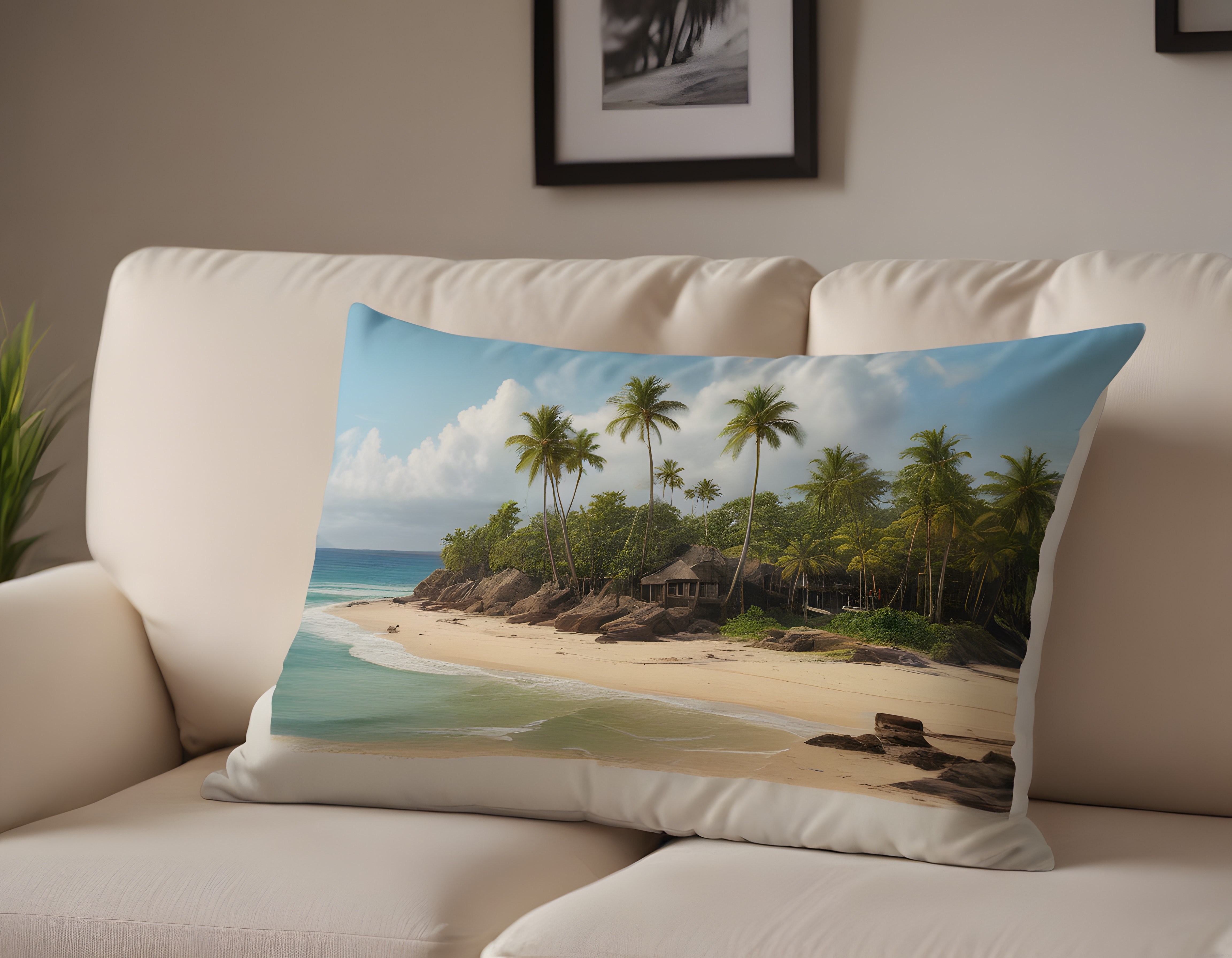
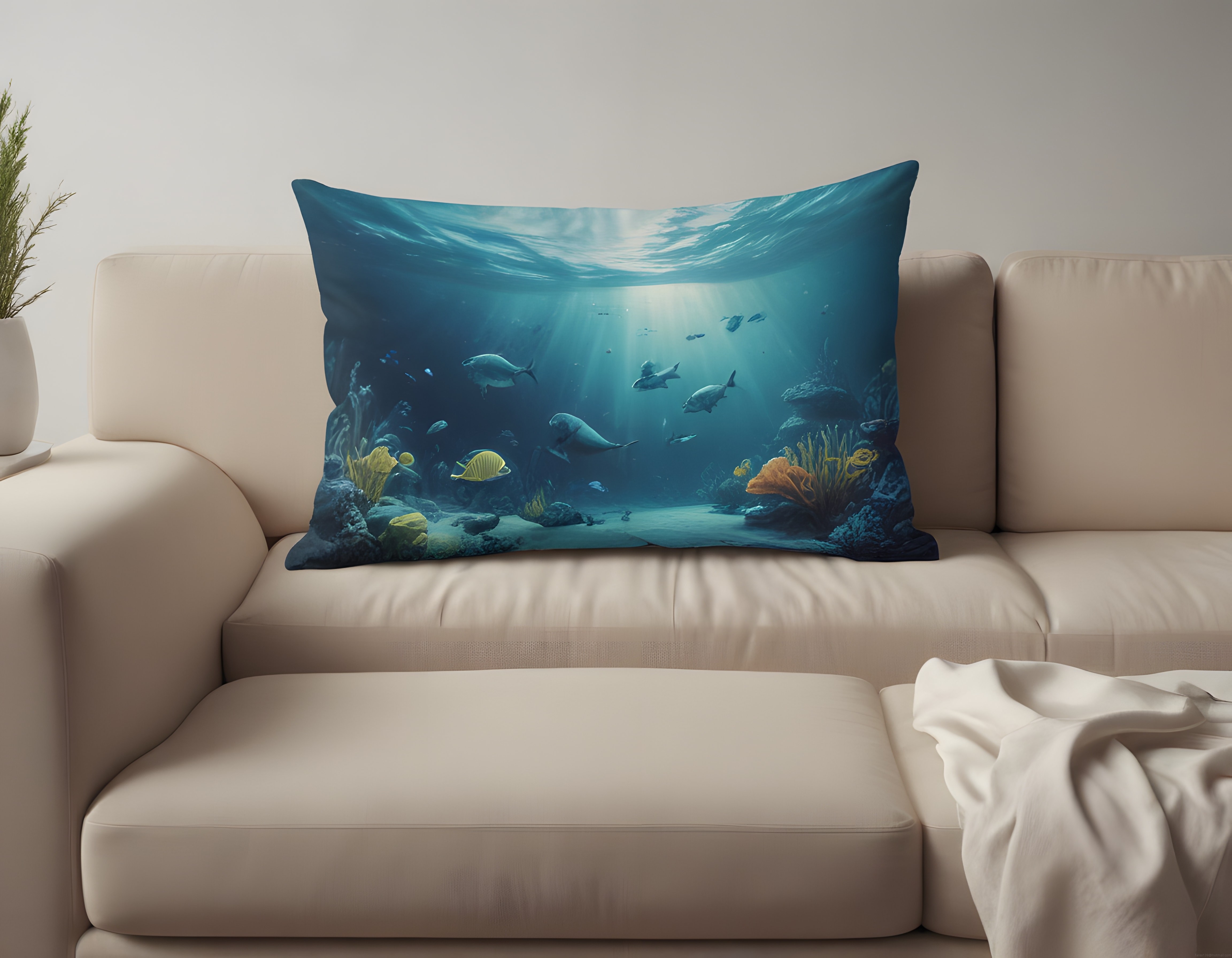
Çekim Tablosu
Belirtme (-i)yastığı
Yönelme (-e)yastığa
Bulunma (-de)yastıkta
Çıkma (-den)yastıktan
Tamlayan (-in)yastığın
Çoğul (-ler)yastıklar
Tanım
•içi pamuk, yün doldurulmuş ve üzerine baş konan veya dayanılan küçük minder.
•Başın altına koymak veya sırtı dayamak için kullanılan, içi yün, pamuk, kuş tüyü, ot ve benzeriyle doldurulmuş küçük minder
•Fide yetiştirmek için ince toprak ve gübreden hazırlanmış yüksekçe yer
•Yapılarda, makinelerde bazı bölümlerin üzerine dayandığı parça
•Bu biçimde yapılmış ve türlü işlerde kullanılan şey
Atasözü & Deyim
“Sağ (sağlam) baş yastık istemez”
Diğer Dillerde
Almancaabdämpfen, abfedern, Bande, Kissen, Kopfkissen, Kopfpolster /ˈapˌdɛmpfən/
to dampen · to mute, especially kettledrums
çekim: geçmiş dämpfte ab · ortaç abgedämpft · şimdiki dämpft ab · ulaç abdämpfend
köken: From ab- + dämpfen.
Ich lehnte mich zurück in die Kissen. — Yastıklar yaslandı.
FransızcaCoussin, oreiller
Je me suis penché en arrière sur les oreillers. — Yastıklar yaslandı.
İspanyolcaalmohada, almohadón, amortiguante, amortiguar, banda, citara (dişil) /almoˈada/
pillow (soft cushion used to support the head)
çekim: çoğul almohadas
eş: cabecera, faceruelo, almohadón, funda
köken: Etymology tree Arabic المِخَدَّة (al-miḵadda) Andalusian Arabic المُخَدَّة (al-muḵadda)bor. Spanish almohada Borrowed from Andalusian Arabic مُخَدَّة (muḵadda), from Arabic مِخَدَّة (miḵadda, “pillow”). Cognate with Asturian almuhada (“pillow”), Aragonese almada (“pillow”), Galician and Portuguese almofada (“pillow”), Leonese almugada, olmada (“pillow”).
aile: almohadado, almohadazo, almohadilla, almohadita, almohadón, consultar con la almohada, muerdealmohadas
- Que pasa con las almohadas... — - Peki bu yastıklar...
İtalyancaammortizzare, attutire, cuscino, guanciale, sponda, testiera /am.mor.tidˈd͡za.re/
to amortize (a debt) · to write off · to cushion, to dampen (shocks or vibrations)
çekim: geçmiş ammortizzàto · ortaç ammortizzàto · şimdiki ammortìzza · ulaç ammortizzànte
eş: ammortare, estinguere, reintegrare, recuperare, assorbire, attenuare
Mi appoggiai allo schienale contro i cuscini. — Yastıklar yaslandı.
Rusçaподушка (dişil) /pɐˈduʂkə/
pillow, cushion
çekim: çoğul поду́шки · tamlayan поду́шки
köken: * Inherited from Old East Slavic подушька (podušĭka), from Proto-Slavic *podušьka. Cognate with Ukrainian по́душка (póduška), Czech poduška, Slovak poduška, Polish poduszka. Derived from Proto-Slavic *poduxa (whence Ukrainian по́духа (póduxa), Old Czech poducha); also compare Proto-Slavic *duxъna (“feather-bedspread”). Ultimately derivable from Proto-Slavic *duxъ (“breath, spirit”), through the…
aile: поду́шечка, поду́шка безопа́сности, поду́шка-перду́шка
Я откинулся на подушки. — Yastıklar yaslandı.
Arapçaمِخَدَّة, نَمْرَقَة, نُمْرُقَة, نِمْرِقَة, وَسَادَة, وُسَادَة
الطماطم: 1750. — Yastıklama Ürünleri 17.5.
Farsçaبالش /baː.ˈliʃ/
pillow, cushion
çekim: çoğul بالشها
köken: Inherited from Middle Persian 𐭡𐭠𐭫𐭱𐭭 (bʾlšn' /bālišn/), from Proto-Iranian *barjíš, from Proto-Indo-Iranian *bʰarȷ́ʰíš, from Proto-Indo-European *bʰelǵʰ-; see there for further information.
pillow
çekim: çoğul balışlar · tamlayan balışın
köken: Borrowed from Classical Persian بَالِش (bāliš).
aile: balışüzü
pillow
çekim: çoğul жастықтар · tamlayan жастықтың
köken: From Proto-Turkic *yaŕtuk. Cognates include Turkish yastık, Chuvash ҫытар (śyt̬ar), Kyrgyz жаздык (jazdık), Yakut сыттык (sïttïk).
Özbekçebolish, yostiq
Tatarcaмендәр, ястык
Felemenkçekussen, hoofdkussen
Ik leunde achterover tegen de kussens. — Yastıklar yaslandı.
Portekizcealmofada, amortecedor, amortecer, coxim, tabela, travesseiro (dişil) /aw.moˈfa.dɐ/
cushion (soft material in cloth bag) · pillow
çekim: çoğul almofadas
köken: Borrowed from Arabic المِخَدَّة (al-miḵadda, “the pillow/cushion”), via Andalusian Arabic. Cognate with Spanish almohada.
E podiam-se espetar alfinetes nelas. — O küçük yastıkları dikerdik.
Ela pôs o seu dente debaixo da almofada.
Yunancaμαξιλάρι, προσκέφαλο, σπόντα, στρώμα (nötr)
pillow · cushion
çekim: çoğul μαξιλάρια · tamlayan μαξιλαριού
köken: From Byzantine Greek μαξιλάριν (maxilárin), from earlier μαξιλάριον (maxilárion), μαξιλλάριον (maxillárion), derived with a diminutive suffix from Latin māxillāris (“of the jaw”) or māxilla, māxillārum.
Έσκυψα πίσω από τα μαξιλάρια. — Yastıklar yaslandı.
Η Άννα κοιμάται με δύο μαξιλάρια.
Μπορείς να μου δώσεις το μαξιλάρι από τον καναπέ, παρακαλώ;
cushion
köken: Borrowed from English cushion, from Vulgar Latin *coxīnus (“seat pad”), from Latin coxa (“hip, thigh”), ultimately from Proto-Indo-European *koḱs- (“joint”).
縫い針を挿しておくことができます — O küçük yastıkları dikerdik.
Korece베개 /pe̞ɡɛ/
pillow
köken: First attested in the Worin seokbo (月印釋譜 / 월인석보), 1459, as Middle Korean 벼〮개 (Yale: pyékày), equivalent to 베- (be-, “to pillow”) + -개 (-gae, inanimate agent suffix).
저는 바느질해서 작은 베개들을 만들었습니다. — O küçük yastıkları dikerdik.
베개를 베다
to damp (suppress vibrations) · to dampen, to make less intense
çekim: geçmiş dämpade · ortaç dämpad · ulaç dämpande
köken: From Old Swedish dämpa, from Middle Low German dempen, from Proto-Germanic *dampijaną.
Jag lutade mig tillbaka mot kuddarna. — Yastıklar yaslandı.
dämpa ljuset
Det dämpar smärtan
Lehçeamortyzować, chronić, ochraniać, ochronić, poduszka, zagłówek /a.mɔr.tɘˈzɔ.vat͡ɕ/
to amortize · to absorb (physical blow/shock/hit) · to break, to easen (e.g. a fall)
çekim: geçmiş amortyzowano · şimdiki amortyzuje
eş: dokonywać odpisu amortyzacyjnego, łagodzić, osłabiać, tłumić, zmniejszać
köken: Internationalism, possibly borrowed from German amortisieren, English amortize, or French amortir, ultimately from Latin + -ować. First attested in 1801.
I oparł się plecami o poduszki. — Yastıklar yaslandı.
amortyzować wstrząsy
amortyzować skutki (czegoś)
pillow, cushion
çekim: çoğul तकिए
köken: Borrowed from Classical Persian تَکْیَه (takya, “support, prop”).
योगिनी ने एक बड़ा तकिया पाँव तले रख दिया
Fincepehmentää, pehmustaa, pehmuste, tyyny, valli /ˈpehmentæːˣ/
to soften, make soft or softer · to soften, mellow (someone's character/nature/disposition)
çekim: geçmiş pehmentänyt · şimdiki pehmentäisi · ulaç pehmentävä
köken: pehmeä (“soft”) + -ntää (factitive verb)
aile: pehmennin, pehmennys, pehmennellä, pehmentyä
Nojasin selkänsä tyynyt. — Yastıklar yaslandı.
Çekçemantinel, nárazník, poduška, polštář, polštářek, vypoltářovat (eril) /ˈmantɪnɛl/
boards (in ice hockey etc) · cushion (in billiards etc) · restriction, boundary
çekim: çoğul mantinely · tamlayan mantinelu
eş: pažení, hrazení
Opřel jsem se zády o polštáře. — Yastıklar yaslandı.
Rumenceabsorbi, amortizor, perină, pernă /absorˈbi/
to absorb
çekim: geçmiş absorbit · ortaç absorbit · şimdiki absoarbe
köken: Borrowed from French absorber, from Latin absorbēre, based on sorbi.
aile: absorbant, absorbire, absorbit
M-am aplecat cu spatele de perne. — Yastıklar yaslandı.
Macarca-csillapító, -tompító, -védő, díszpárna, mandiner, oldalfal /ˈdiːspaːrnɒ/
throw pillow, cushion (a small decorative pillow)
çekim: çoğul díszpárnák
köken: dísz (“decoration”) + párna (“pillow”)
Odahajoltam háttal a párnákat. — Yastıklar yaslandı.
İbraniceכַּר, כָּרִית
והיו לי את הכריות הקטנות האלה שהייתי תופר — O küçük yastıkları dikerdik.
an elbow cushion for leaning on
çekim: çoğul cubitālia · tamlayan cubitālis
köken: Substantivation of apocopated cubitāle, nominative neuter singular of cubitālis (“pertaining to the elbow”). Alternatively, directly from cubitum + -al. For the same meaning development (pillow, cushion, derived from a body part), compare: Latin cervīcal (cervīcālis), coxīnus (whence cushion) (coxa), Ancient Greek προσκεφάλαιον (proskephálaion) (<κεφαλή (kephalḗ)), Greek μαξιλάρι (maxilári)…
Dancaafbøde, bande, hovedpude, hynde, polstre, pude (nötr) /bandə/
gang (a group of people united for the purpose of crime or vandalism)
çekim: çoğul bander · tamlayan bandes
köken: Borrowed via German Bande from French bande, which is itself borrowed from a Germanic language (cf. Gothic 𐌱𐌰𐌽𐌳𐍅𐍉 (bandwō, “sign”), from *bandwō).
aile: bandekrig, bandekriminalitet, bandeleder, bandemedlem, bandemiljø, bandeopgør, drengebande, indvandrerbande, narkobande, røverbande
Jeg lænede mig tilbage mod puder. — Yastıklar yaslandı.
Norveççehodepute, pute
Den er særlig utbredt i persiske tepper. — Yastık lavlarda yaygın olarak bazalt bulunmaktadır.
Endonezcebantal /ˈbantal/
pillow (soft cushion used to support the head in bed)
çekim: çoğul bantal-bantal
köken: Inherited from Malay bantal, possibly from Proto-Malayo-Polynesian *bantal (“bundle of cloth or clothes”).
aile: bantal-bantal, bantalan, berbantal, membantalkan, memperbantal, bantal golek, bantal guling, bantal kampuh, bantal kursi, bantal menyusui
Aku bersandar bantal. — Yastıklar yaslandı.
Etimoloji
From Ottoman Turkish یاصدق (yasdıḳ, “bolster, pillow”), from Proto-Turkic *yaŕtuk. Cognates include Albanian jastëk, Azerbaijani yastıq, Chuvash ҫытар (śyt̬ar), Karakhanid يَسْتُقْ (yastuq), Kazakh жастық (jastyq), Kyrgyz жаздык (jazdık), Southern Altai јастык (ǰastïk), Serbo-Croatian јастук, Northern Altai частык (častïk), Yakut сыттык (sïttïk).
Eş & Zıt Anlamlılar
Eş anlamlılar
Örnek Cümleleryastık ile daha fazla örnek cümle →
Pembe yastık temiz.
The pink pillow is clean.
Yastık temiz değil.
The pillow isn't clean.
Bu yastık rahatsız.
This pillow is uncomfortable.
Yastık ister misin?
Would you like a pillow?
Yastıksız uyuyamam.
I can't sleep without a pillow.
Yastıklar yaslandı.
I leaned back against the pillows.
Yastıkları.. getir!
Fetch... the cushions!
Dizilmiş yastıklar,
Cushions arranged,
Yastıklar dizilmiş,
Cushions arranged,
Ona bir yastık attı.
She threw a pillow at him.
Tom yastıksız uyudu.
Tom slept without a pillow.
Dizi dizi yastıklar,
Cushions arranged,
İlgili Sorular
Yastık ve battaniyelerle kale yapma yönteminiz nedir?
Yastık ve battaniyelerle bir fort oluşturmak için hangi teknikleri kullanıyorsunuz?
Yastık ve battaniyelerle bir fort inşa ederken izlediğiniz adımları açıklayın.
Yastık ve battaniyelerle bir kale yapmanın detaylı tarifini paylaşır mısınız?
Lütfen yastık ve battaniyelerden bir kale inşa etme adımlarını ayrıntılı olarak anlatın.
İlgili / Bileşik Terimler
Genelpillowcase
Genelpillow fight
Genelpillow fight