Sözlük
/tencere
tencere
/ˈten.d͡ʒe.ɾe/
noun
C2 seviye
TR → EN
"tencere" kelimesinin İngilizcesi: kettle, pot, saucepan, pot, saucepan. Anlamı, çevirisi, telaffuzu ve örnek cümleler aşağıdadır.
Çeviri
Genelkettle
Genelpot
Genelsaucepan
Genelpot
Genelsaucepan
Görsel
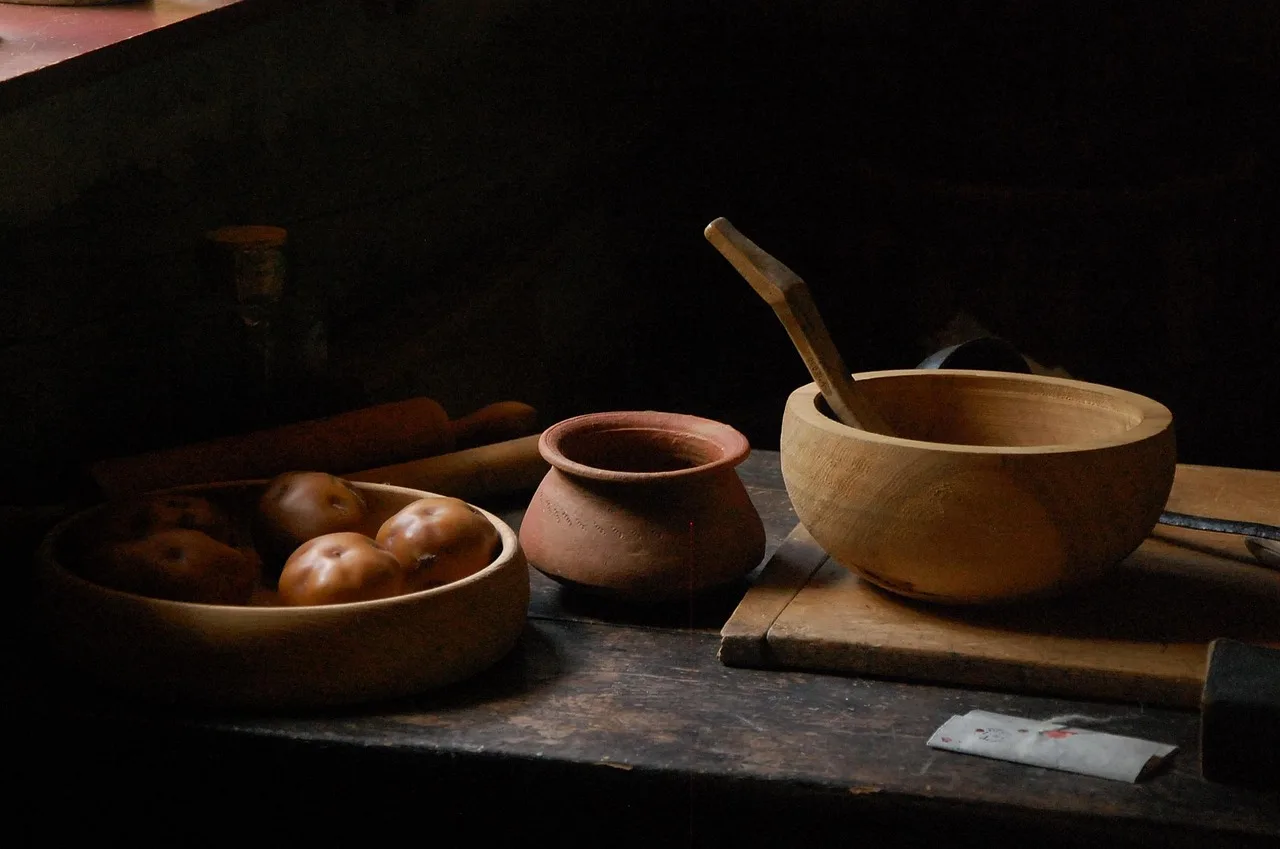
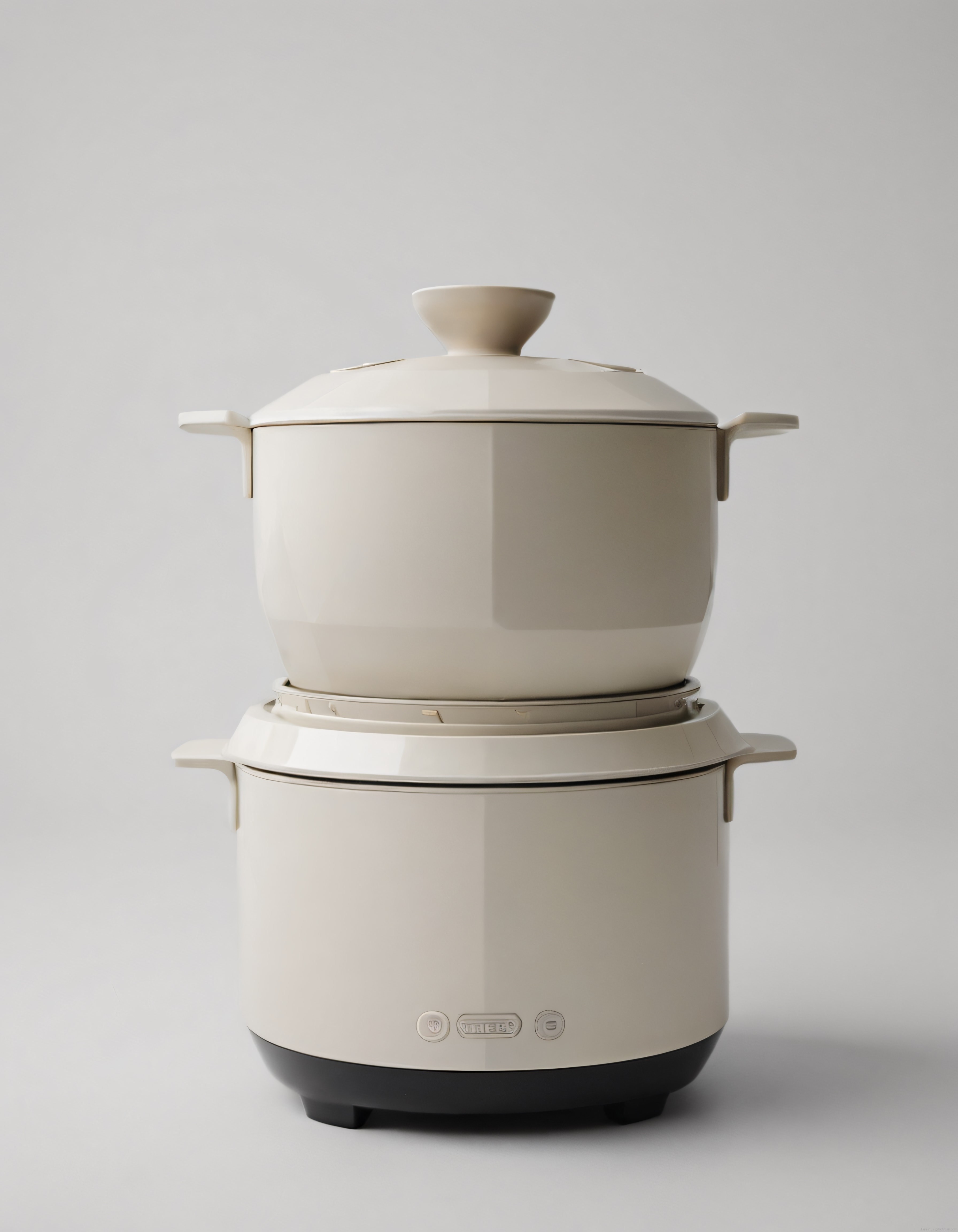
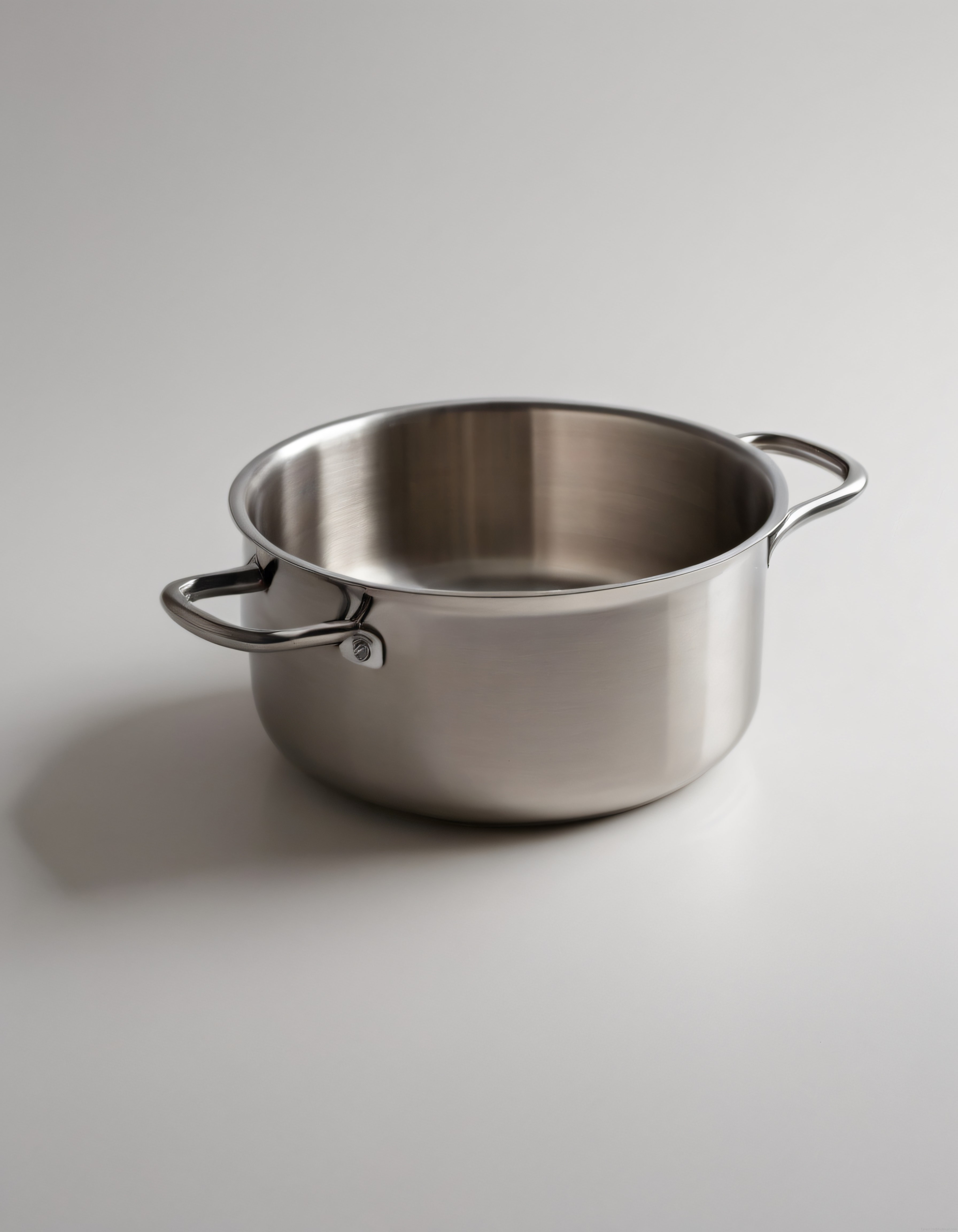
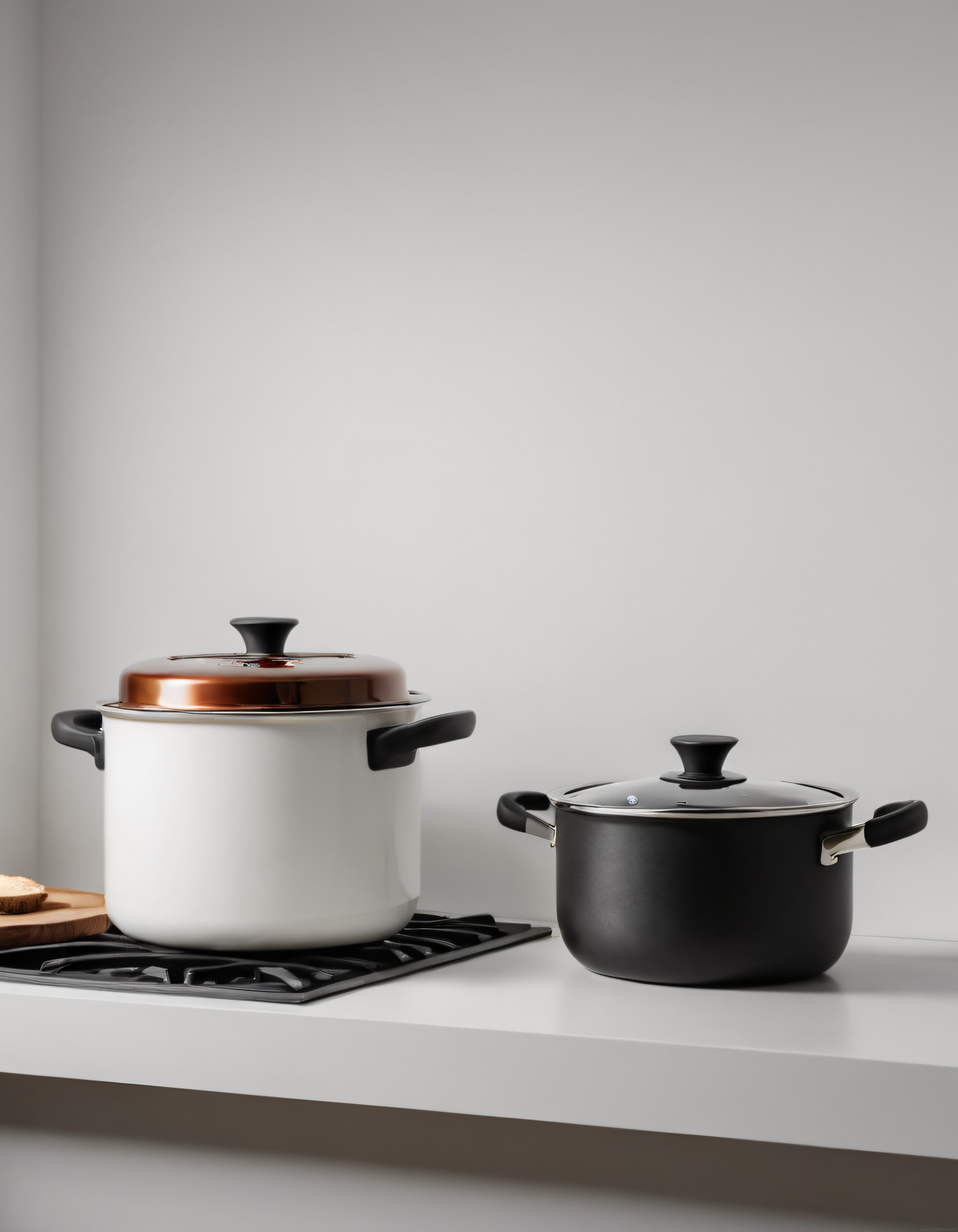
Çekim Tablosu
Belirtme (-i)tencereyi
Yönelme (-e)tencereye
Bulunma (-de)tencerede
Çıkma (-den)tencereden
Tamlayan (-in)tencerenin
Çoğul (-ler)tencereler
Tanım
•isim: İçinde yemek pişirilen, kapaklı, genellikle metal kap
Atasözü & Deyim
“Tencere yuvarlanmış, kapağını bulmuş”
“Herkesin tenceresi kapalı kaynar”
Diğer Dillerde
Almancatopf (eril) /tɔpf/
pot (flat-bottomed, open-topped vessel, especially for cooking food) · saucepan (deep cooking vessel with one handle)
çekim: çoğul Töpfe · tamlayan Topfes
köken: From Middle High German topf, from Old High German *topf, from Proto-West Germanic *dopp, from Proto-Germanic *duppaz (“hollow, bowl”), from Proto-Indo-European *dʰewb- (“deep, hollow”). Cognate with Dutch dop (“little cup, thimble”), Low German Dopp (“shell, pod, bowl”), Saterland Frisian Dop (“shell, pod, bowl”), English dop (“cup in which a diamond is cut”). Both in historic sources and modern…
aile: töpfern, Töpfer
Tempera auf Pappelholz. — Tencerede tereyağını eritelim.
Fransızcabeu, beuh, bouilloire, chaudron, herbe, mari (dişil) /bø/
weed, pot (marijuana)
çekim: çoğul beus
eş: beuhère, herbe, marijuana, weed
köken: Clipping of beuhère, verlan form of herbe (“grass”).
Je fais bouillir de l'eau dans une casserole. — Suyu bir tencerede kaynatıyorum.
Quand il fume de la beu, Ludo devient un sage homme. Chaque fois que je lui pose une question essentielle, il se met à préparer un joint.
cauldron · boiler · caldera
çekim: çoğul calderas
eş: calderada, cafetera, pava, tetera
köken: From Late Latin caldāria (“cooking-pot”), caldārium, derived from Latin caldus (“hot”). Doublet of caldero.
aile: caldera doble, calderón
Pineda lehmannii Hieron. — Tencerede tereyağını eritelim.
İtalyancabollitore, cannabis, cucuma, erba, marijuana, marmitta (eril) /bol.liˈto.re/
boiler, still · kettle · milk saucepan
çekim: çoğul bollitori
eş: scaldaacqua
köken: From bollire + -tore.
La fusta, piccola galea sottile. — Düdüklü Tencere, Metin Eloğlu.
Rusçaкастрюля (dişil) /kɐˈstrʲʉlʲə/
stockpot, saucepan, pan, pot, casserole (a deep cooking vessel with one or two handles and a lid)
çekim: çoğul кастрю́ли · tamlayan кастрю́ли
köken: Borrowed from German Kastrol, variant of Kasserolle, from French casserole.
Положи морковку в котелок. — Havuçları tencereye koy.
Хорошо́ промы́тые я́блоки наре́зать то́нкими ло́мтиками, положи́ть в кастрю́лю, зали́ть 2 стака́нами воды́ и поста́вить вари́ть.
Arapçaإِنَاء, حلة, حلَّة, طَنْجَرَة, غَلَّايَة, قِدِر (dişil)
suit, costume, attire
çekim: çoğul حُلَل · tamlayan حُلَّةٍ
köken: Borrowed from Classical Syriac ܚܠܐ (ḥellā, “dust, secretion, powdery film; veil”) stemming from the sense of a veil clouding or covering the eyes like dust or a film.
موزة عويص علي الدرعي .. — Tencerede tereyağını eritelim.
Farsçaدیگ, قَابْلَمِه /ˈdeːɡ/
pot (cookery)
köken: From Middle Persian dyk' (dēg, “cauldron”), from Proto-Iranian *dai(a)-ka-, from Proto-Iranian *daiH- (“to shine, radiate, light a fire”), with possible semantic contamination from Proto-Iranian *daĵ- (“to burn”). The former is from Proto-Indo-European *deyh₂- (“to shine, be bright”) and cognate with Semnani دیک (dik, “pot”), Sanskrit दीप् (dīp, “to blaze, illuminate”), Ancient Greek δέατο…
aile: تهدیگ, دیگدان, دیگوله, دیگچه
tea caddy · teapot, teakettle
çekim: çoğul çaydanlar · tamlayan çaydanın
köken: Borrowed from Classical Persian چَایْدَان (čāydān). By surface analysis, çay + -dan.
saucepan
çekim: çoğul кәстрөлдер · tamlayan кәстрөлдің
köken: From Russian кастрю́ля (kastrjúlja), from German Kastrol, variant of Kasserolle, from French casserole.
Özbekçechovgun, choynak, kastryul, qozon, tuvak
Tatarcaчәйнек
Felemenkçepan, kookpan, braadpan
Mensen denken dat ze verdienen potten van geld en dus leiden een fijn leven. — İnsanlar, para tencere kazanmak ve böylece iyi bir hayat sürmek düşünüyorum.
teapot
çekim: çoğul bules
köken: Unknown, perhaps from Malay buli, buli-buli (“small stoppered vial or flask of glass or porcelain”), or from Arabic بُلْبُلَة (bulbula).
Reduz-se o lume e cozinha-se por dez minutos. — Tencerenin kapağı kapatılıp orta ateşte 40 dakika kadar pişirilir.
casserole · saucepan · stewpot
çekim: çoğul κατσαρόλες · tamlayan κατσαρόλας
eş: χύτρα
köken: From Italian cazzarola.
Μικρασιάτης, γιος του Μίδα. — Düdüklü Tencere, Metin Eloğlu.
pot (usually refers to teapot or coffeepot)
köken: From English pot.
aile: コーヒーポット, ティーポット
^ バター、生クリームを加えることもある。 — Tencere, tabak getirmeleri gerekir.
Çince壺 /壶, 鍋 /锅
江淮一帶吃茯苓糕和炒麵。 — Tencere ve tabak getirmemizi istiyorlar.
a cooking pot
eş: 솥
köken: First attested as Early Modern Korean 남비 (nampi) in the Maeilsinmun (매일신문), 2 June, 1898, borrowed from Japanese 鍋(なべ) (nabe, “pot”). This form reflects a shift in pronunciation due to umlaut (regressive assimilation by the second vowel ㅣ (i)). Compare now-proscribed 남비 (nambi).
비트뿌리를 채소로 먹는다. — Tencerede tereyağını eritelim.
cannabis (drug)
çekim: tamlayan brajs
För sådan jordning är varmförzinkad stållina att föredra. — Kaynatılan tencere çelik tercih edilmeli.
röka braj
kettle · teapot
çekim: çoğul czajniki · tamlayan czajnika
eş: gw. (Poznań) herbatnik, imbryk, sagan, imbryk
köken: Etymology tree Chinese 茶der. Ottoman Turkish چایbor. Russian чай (čaj) Proto-Indo-European *-nós Proto-Balto-Slavic *-inas Proto-Slavic *-ьnъ Proto-Indo-European *-eykos Proto-Balto-Slavic *-eikas Proto-Slavic *-ikъ Proto-Slavic *-ьnikъ Russian -ник (-nik) Russian ча́йник (čájnik)bor. Polish czajnik Borrowed from Russian ча́йник (čájnik). By surface analysis, czaj + -nik.
Na podwoziu osadzony był stalowy kadłub. — Kaynatılan tencere çelik tercih edilmeli.
Ukraynacaго́рщик, кастру́ля, коте́л, ро́ндель
Натиснути на кнопку. — Eti basınçlı tencereye alın.
kettle, teakettle
çekim: çoğul केतलियाँ
köken: Etymology tree English kettlebor. Hindi केतली Borrowed from English kettle.
Finceampua umpimähkään, eriste, heittää häkkiin, jumpru, kattila, kattilallinen /ˈeristeˣ/
insulator (substance that does not transmit sound, heat, or electricity)
çekim: çoğul eristeet · tamlayan eristeen
köken: eristää (“to insulate”) + -e
aile: eristeinen, eristehuopa, eristekerros, eristemateriaali, kosteudeneriste, kosteuseriste, kumieriste, kumieristeinen, levyeriste, lämmöneriste
Köysihississä käytetään kannattimina teräsköysiä. — Kaynatılan tencere çelik tercih edilmeli.
Çekçecejcha, helmice, hrnec, kotel, marihuana, půlitr
povlečení peřiny nebo deky
eş: cícha, povlečení, břich, panděro, teřich, bachor
Jablonné v Podještědí. — Tencerede tereyağını eritelim.
kettle · teapot
çekim: çoğul ceainice · tamlayan ceainicului
köken: Borrowed from Russian ча́йник (čájnik). By surface analysis, ceai + -nic.
Ei fac oale, vagoane... — Tencere yaparlar, at arabaları...
cauldron (large suspended metal pot for cooking over an open fire)
çekim: çoğul bográcsok
köken: From Ottoman Turkish باقراج (bakrac, “copper bucket”), from باقر (bakır, “copper”).
aile: bográcsos, bográcsozik
Az emberek azt hiszik, hogy keresnek egy halom pénz, és ezáltal egy finom életet. — İnsanlar, para tencere kazanmak ve böylece iyi bir hayat sürmek düşünüyorum.
İbraniceחֲשִׁישׁ, סִיר, קוּמְקוּם
הרוטב חייב להכיל חרדל. — Tencere, tabak getirmeleri gerekir.
Latincecortīna
grass
çekim: çoğul græsser · tamlayan græs'
köken: From Old Danish græs, from Old Norse gras (“grass”), from Proto-Germanic *grasą.
aile: aksgræs, citrongræs, duskgræs, elefantgræs, fodergræs, græsareal, græsart, græseng, græsfrø, græsgang
Opslag på Smørrebrød. — Tencerede tereyağını eritelim.
Etimoloji
Osmanlı Türkçesi تنجره (tencere), Farsça تنگیره (tengîre)
Örnek Cümleler
Tencere taşıyor.
The pot is boiling over.
Düdüklü tencerem yok.
I don't have a pressure cooker.
Tencere kapağı nerede?
Where's the pan lid?
Para tencereyi kaynatır.
Money will make the pot boil.
Havuçları tencereye koy.
Put the carrots in the pot.
Tencerenin kapağını kapat.
Cover the saucepan.
Tencereyi kaynatan paradır.
Money will make the pot boil.
Çorba tencerede fokurduyor.
The soup is bubbling in the pot.
Tom güveci tencereden yedi.
Tom ate the stew right out of the pot.
Ben düdüklü tencereyi açamam.
I can't open the pressure cooker.
Bir tencerede su kaynatıyorum.
I am boiling the water in a saucepan.
Tenceredeki çorba çok tuzluydu.
The soup in the pot tasted very salty.
İlgili Sorular
Basınçlı tencere içinde pişirildiğinde kaynama sıcaklığı yükselir mi düşer mi?
Basınçlı tencerede pişirme sürecinde kaynama sıcaklığı artar mı yoksa azalır mı?
Basınçlı tencerede pişirirken kaynama noktası artar mı yoksa azalır mı?
Basınçlı tencerede yemek pişirirken kaynama noktası daha yüksek mi yoksa daha düşük mü olur?
Basınçlı tencerede pişirme sırasında kaynama noktasının değişimi nasıl olur?
İlgili / Bileşik Terimler
Genelpot calling kettle black
Birleşik Kelimeler
tencere yemeğidüdüklü tencere