Sözlük
/taşra
taşra
adv
C2 seviye
TR → EN
"taşra" kelimesinin İngilizcesi: country, upcountry, upstate. Anlamı, çevirisi, telaffuzu ve örnek cümleler aşağıdadır.
Çeviri
Genelcountry
Genelupcountry
Genelupstate
Görsel
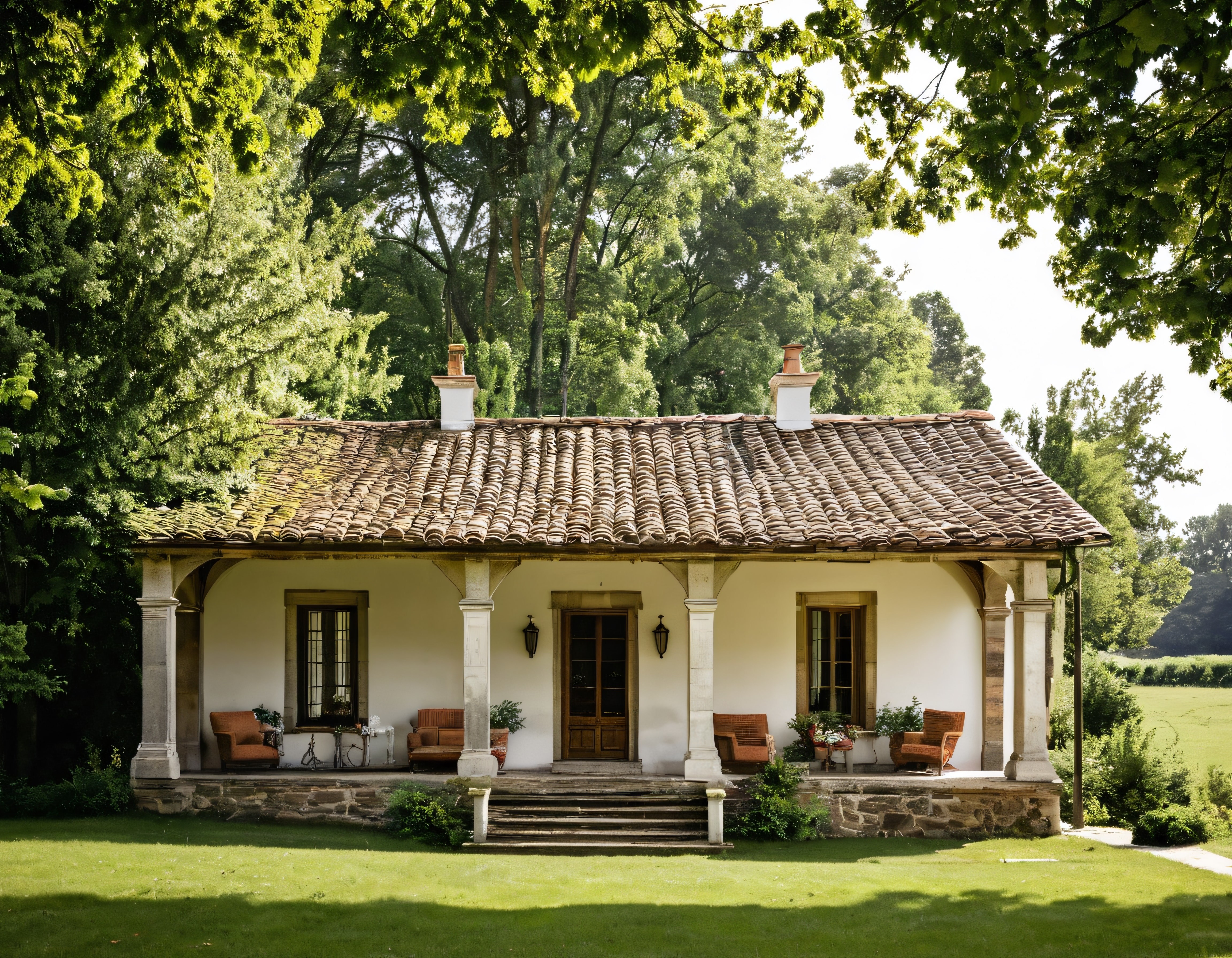
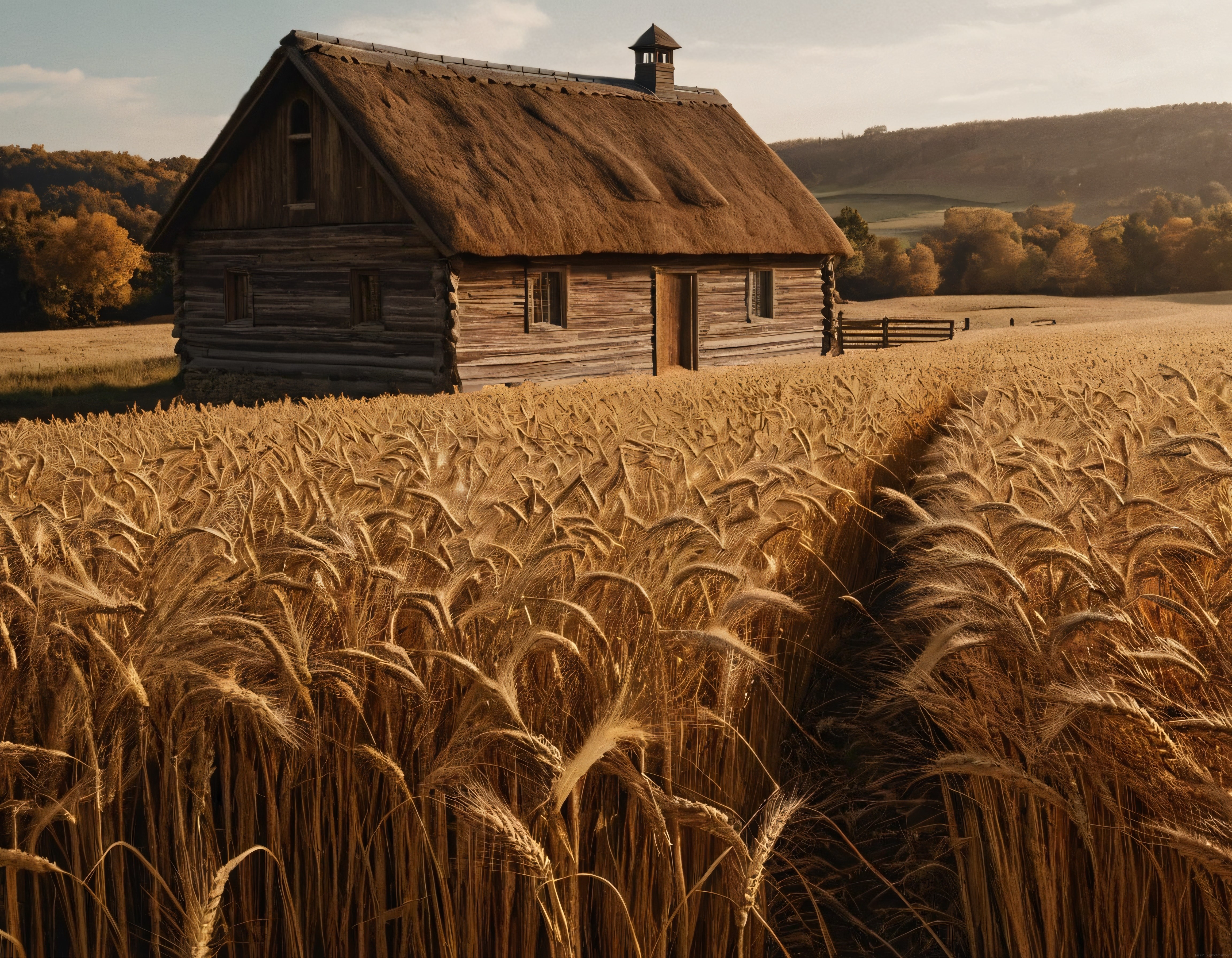
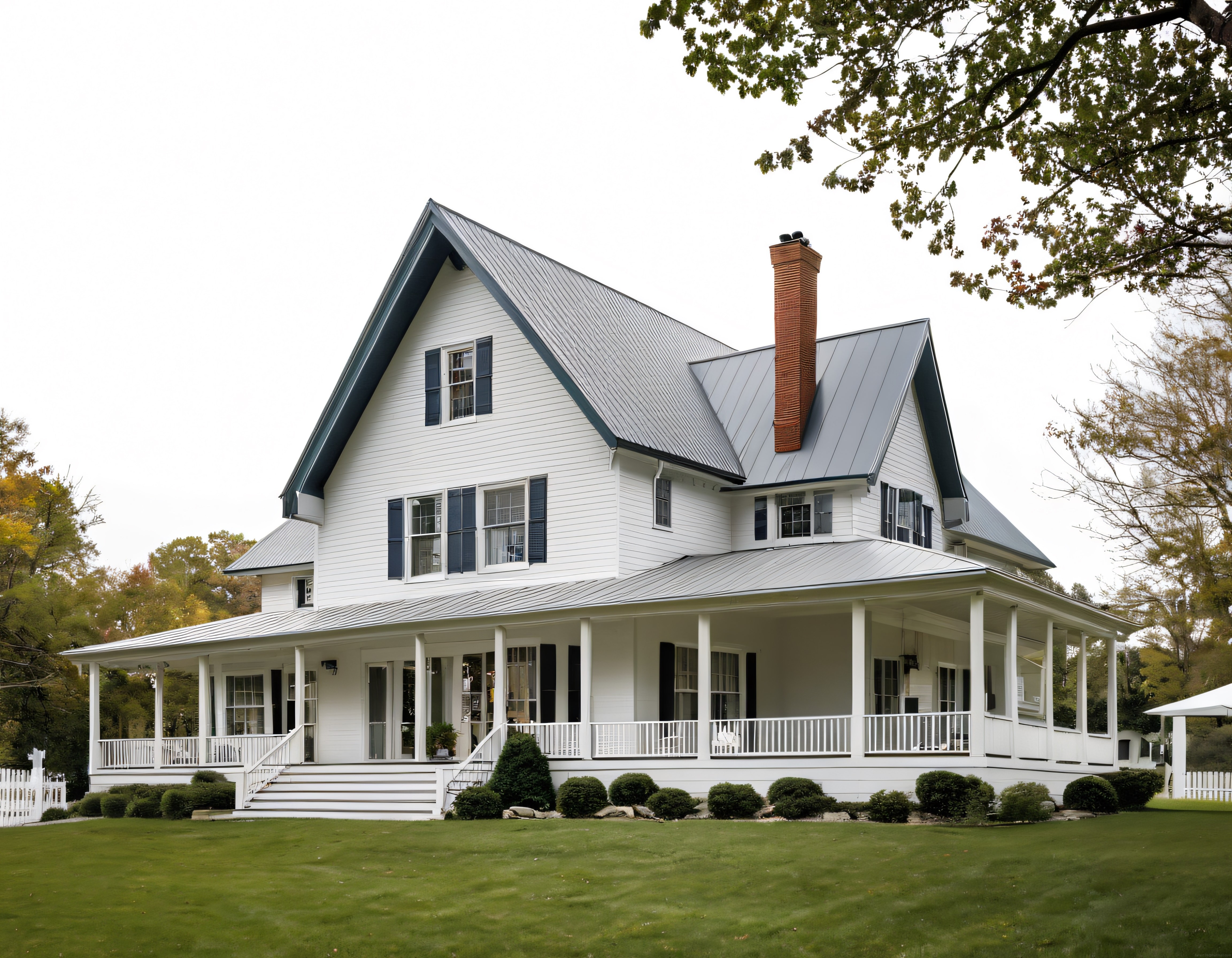
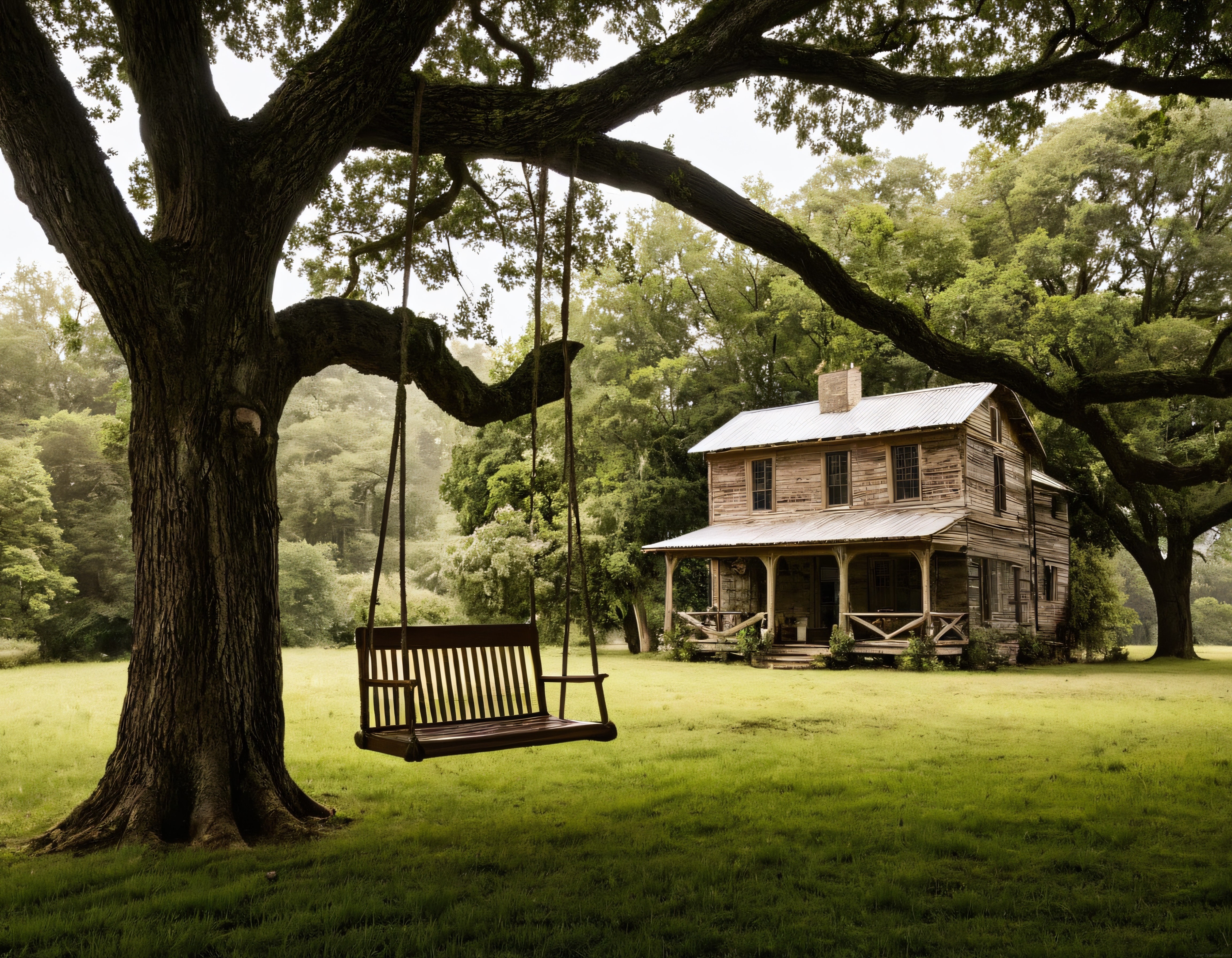
Çekim Tablosu
Belirtme (-i)taşrayı
Çoğul (-ler)taşralar
Tanım
•Bir ülkenin başkenti veya en önemli şehirleri dışındaki yerlerin hepsi
Diğer Dillerde
AlmancaCountry, Land, Land-, ländlich, Landschaft, nördliche Hälfte (des US-Bundesstaates)
Countrymusic/Countrymusik
Es heißt: — Adı "Taşra".
Fransızcacampagnard, campagne, contrée, de la campagne, de la contrée, de province /kɑ̃.pa.ɲaʁ/
country · rustic
çekim: çoğul campagnards
köken: From campagne + -ard.
Ça s'intitule " La Campagne ". — Adı "Taşra".
İspanyolcaagreste, campaña, campeño, campero, campesino, campestre /aˈɡɾeste/
rustic, rural
eş: rural, silvestre
köken: Borrowed from Latin agrestis.
aile: topillo agreste
Se llama "El campo". — Adı "Taşra".
rural area: country, countryside · cultivated land: farmland, land · campaign
çekim: çoğul campagne
eş: campo, contado, coltivazione, coltivazioni, colture, fondo
köken: From Late Latin campānia (whence also Spanish campaña, Portuguese and Occitan campanha, French champagne), from campāneus, based on Latin campus (“level field”). Doublet of champagne, borrowed from French.
Si intitola "La campagna". — Adı "Taşra".
Rusçaпровинция, периферия
Оно называется "Деревня". — Adı "Taşra".
plural of بَلَد (balad)
çekim: çoğul بِلَاد
لذا نعيش بعيدا في الهامش. — Bizler taşrada yaşıyoruz.
Farsçaحاشیه نشین, حُوْمِهٔ شَهْر, دِیار, روسْتا, روستایی, سَرْزَمین
rural, country, pastoral, rustic
çekim: çoğul روستاییان
Azericedövlət, el, kənd, məmləkət, ölkə /dœy̯(v)ˈlæt/
state, government · state, public (carried out or funded by the state on behalf of the community) · wealth, richness
çekim: çoğul dövlətlər · tamlayan dövlətin
köken: From Arabic دَوْلَة (dawla).
aile: dövlət katibi, dövlətçilik, dövləti, dövlətləndirmək, dövlətlənmək, dövlətlilik, dövlətli, dövlətmənd, dövlətpərəstlik, dövlətpərəst
dövlət başçısı
dövlət səviyyəsində
dövlət büdcəsi
Kazakçaел, мемлекет /el/
people, mass · population · nation, country
çekim: çoğul елдер · tamlayan елдің
köken: Inherited from Kipchak [Term?], from Proto-Common Turkic *ēl, from Proto-Turkic *ēl. Cognate with Turkish el and il, etc.
дамыған елдер
дамушы елдер
неғұрлым аз дамыған елдер
Özbekçediyor, kishvar, mamlakat, oʻlka, qishloq
country
çekim: çoğul mamlakatlar · tamlayan mamlakatning
köken: Borrowed from Arabic مَمْلَكَة (mamlaka).
Tatarcaдәүләт, ил
wealth, riches. · state.
köken: From Classical Persian دَوْلَت (dawlat), from Arabic دَوْلَةٌ f (dawlatun).
Felemenkçeboeren-, land, land-, open veld, platteland, plattelands (nötr) /lɑnt/
land, country, realm, territory · land (part of Earth not covered by water) · a constituent country of the Kingdom of the Netherlands; the territorial government of an overseas constituent country
çekim: çoğul landen
eş: grond, rijk, staat, platteland, vaderland
köken: From Middle Dutch lant, from Old Dutch lant, from Proto-West Germanic *land, from Proto-Germanic *landą, from Proto-Indo-European *lendʰ- (“land, heath”).
aile: achterland, Adélieland, Avondland, bijland, binnenland, binnenslands, boerenland, braakland, buitenland, buitenslands
Het heet "Het land". — Adı "Taşra".
Portekizcedo campo, grosseiro, interior, nação, países, rural /ɡɾoˈse(j).ɾu/
coarse (of inferior quality) · impolite
eş: bruto, desleixado, mal-acabado, malfeito, meia-boca, porco
zıt: cortês, caprichado, esmerado, fino
köken: From grosso + -eiro.
aile: grosseiramente, grosseirismo
Chama-se "O Campo". — Adı "Taşra".
Yunancaαγροτικός, εξοχικός, επαρχία, επαρχιώτικος, χώρα /aɣɾotiˈkos/
agrarian · relating to a farm or farmer · rural, relating to the countryside
köken: From Byzantine Greek ἀγροτικός (agrotikós, “rustic, rural”). By surface analysis, αγρός (agrós, “field”) + -τικός (-tikós).
aile: αγροτικός γιατρός, αγροτικός συνεταιρισμός
Ονομάζεται "Η εξοχή". (Βίντεο) Αφήγηση: "Η Εξοχή" — (Video) "Taşra"
country (music genre)
köken: From English country.
『田舎』 — Adı "Taşra".
Çinceгоцзя, дичү, 國家 /国家, 地區 /地区, 農村 /农村, 鄉下 /乡下
尽管沿海和内陆的城市中心几乎完全罗马化,农村状况却截然不同。 — Kıyı ve iç bölgelerdeki kent merkezlerinin tamamı Romanize olmuşken taşrada durum tamamıyla farklıdır.
political state, nation, country, polity
köken: Sino-Korean word from 國家, from 國 (“country”) + 家 (“house”)
이 시는 "시골"이라고 합니다. — Adı "Taşra".
국가가 끝나면 청중들을 착석하게 하고서는 첫번째 연설자를 소개해 주세요.
İsveççelandet, lands-, landsbygd, landsort
definite singular of land
Hur kan du plugga tillsammans med oss när du är en fattig tjej? — Taşralının tekiyken nasıl bizimle çalışabilirsin ki?
country (territory of a nation) · krai (administrative division of some countries) · edge, boundary, end (boundary line of a surface)
çekim: çoğul kraje · tamlayan kraju
eş: państwo, kraina, region, województwo, okręg, region
köken: Etymology tree Proto-Indo-European *krey- Proto-Indo-European *kreh₁y- Proto-Indo-European *kroh₁y- Proto-Indo-European *kroyh₁- Proto-Indo-European *kroyh₁-eye-ti Proto-Balto-Slavic *krájīˀtei Proto-Slavic *krojiti? Proto-Indo-European *krey-der.? Proto-Slavic *kràjь Old Polish kraj Polish kraj Inherited from Old Polish kraj.
aile: Dzierżykraj, kraina, krajan, obieżykraj
Wiersz nazywa się "Wieś". — Adı "Taşra".
edge of the world
Ukraynacaкраї́на, прові́нція
Тож ми живемо на відшибі. — Bizler taşrada yaşıyoruz.
country · realm, region; land, soil · kingdom; territory
çekim: çoğul किशवरों
köken: Borrowed from Classical Persian کِشْوَر (kišwar, “realm, region; country; kingdom, territory; clime”), from Middle Persian 𐭪𐭱𐭥𐭥 (kišwar), from Avestan 𐬐𐬀𐬭𐬀𐬱𐬀𐬎𐬎𐬀𐬭𐬀 (karšvar, “realm, region; one of the seven realms of the world”), from the root 𐬐𐬀𐬭𐬀𐬱𐬀 (karš-, “to plough”) Cognate Pashto کِشْوَر (kišwár), Central Kurdish کیشوهر (kîşwer, “continent”), and Sogdian [script needed] (kyšp /kišp/,…
Fincekantri, maa, maalainen, maalais-, maaseutu, valtio /ˈkɑntri/
country, country music
çekim: tamlayan kantrin
köken: Borrowed from English country.
aile: kantrifestivaali, kantrilaulaja, kantrimusiikki, kantriyhtye
Kuinka voisitkaan opiskella kanssamme, aateliton? — Taşralının tekiyken nasıl bizimle çalışabilirsin ki?
to stand · to stay on place · to stand by, to hold by
çekim: geçmiş stála · ortaç stála · şimdiki stojí
eş: země, spolkový stát
köken: Inherited from Old Czech státi, from Proto-Slavic *stojati, from Proto-Indo-European *steh₂-.
aile: dostát, postát, postoj, ustát, zůstat stát s otevřenou pusou, povstalec, povstat, povstání, přistát, přístav
Jak s námi můžeš studovat, když jsi obyčejná? — Taşralının tekiyken nasıl bizimle çalışabilirsin ki?
My stojíme za náčelníkem.
Kolik to stojí?
Za tu námahu to nestojí.
nation country, land · people
çekim: çoğul națiuni · tamlayan națiuni
köken: Borrowed from Latin nātiōnem, likely via Italian nazione or French nation.
Se numeşte "La ţară." — Adı "Taşra".
country, land
çekim: çoğul országok
köken: From the uruszág variant of uraság (“squire”), from uru, the old form of úr (“master, mister, gentleman”) + -szág, a variant of -ság (“-dom”).
aile: Országh, országos, országszerte, anyaország, álomország, csodaország, mennyország, meseország, országgyűlés, országhatár
Tehát mi a világ végén lakunk. — Bizler taşrada yaşıyoruz.
rural; rustic; wild (of or pertaining to land, fields or the countryside) · clownish; rude; uncultivated; coarse; savage; barbarous; brutish
çekim: karşılaştırma agrestior · üstünlük agrestissimus
köken: Dissimilated from earlier *agrestris, from ager (“field, farm”) + -estris (“located, dwelling in”). Root cognate with Ancient Greek ἄγροικος (ágroikos). Compare typologically pāgānus, rūsticus. See the opposite cīvīlis for more.
aile: sēmiagrestis, subagrestis
Norveççelandsens
Men jødenes påske var nær, og mange drog før påsken fra landet op til Jerusalem for å rense sig. — Yahudilerin Fısıh Bayramı yakındı. Taşradakilerin birçoğu bayramdan önce arınmak için Yeruşalime gitti.
Etimoloji
From Ottoman Turkish طشره, 19th century alteration of طشاری (modern dışarı). Doublet of dışarı.
Eş & Zıt Anlamlılar
Eş anlamlılar
Örnek Cümleler
Adı "Taşra".
It's called "The Country."
(Video) "Taşra"
(Video) Narration: "The Country."
Taşrada yaşıyorum.
I live upstate.
Tom bir taşra çocuğu.
Tom is a country boy.
Uzak bir taşra kenti.
That of a remote provincial city.
Babam taşrada yaşıyor.
My father lives in the country.
Ben bir taşra çocuğuyum.
I'm a country boy.
Sami bir taşra çocuğudur.
Sami is a country boy.
Sami bir taşra oğlanıdır.
Sami is a country boy.
Bizler taşrada yaşıyoruz.
So we live in the boonies.
Şimdi, bir taşra çocuğuyum.
I'm a country boy now.
Yine önemsiz bir taşra kenti.
Again, that of an unimportant provincial city.