Sözlük
/sonbahar
sonbahar
"sonbahar" kelimesinin İngilizcesi: autumn, fall, fall, autumn, fall. Anlamı, çevirisi, telaffuzu ve örnek cümleler aşağıdadır.
Çeviri
Genelautumnnoun
Genelfallnoun
Genelfall
Genelautumn
Genelfall
Genelautumn
Genelautumn
Genelfall
Genelautumn
Genelfall
Görsel


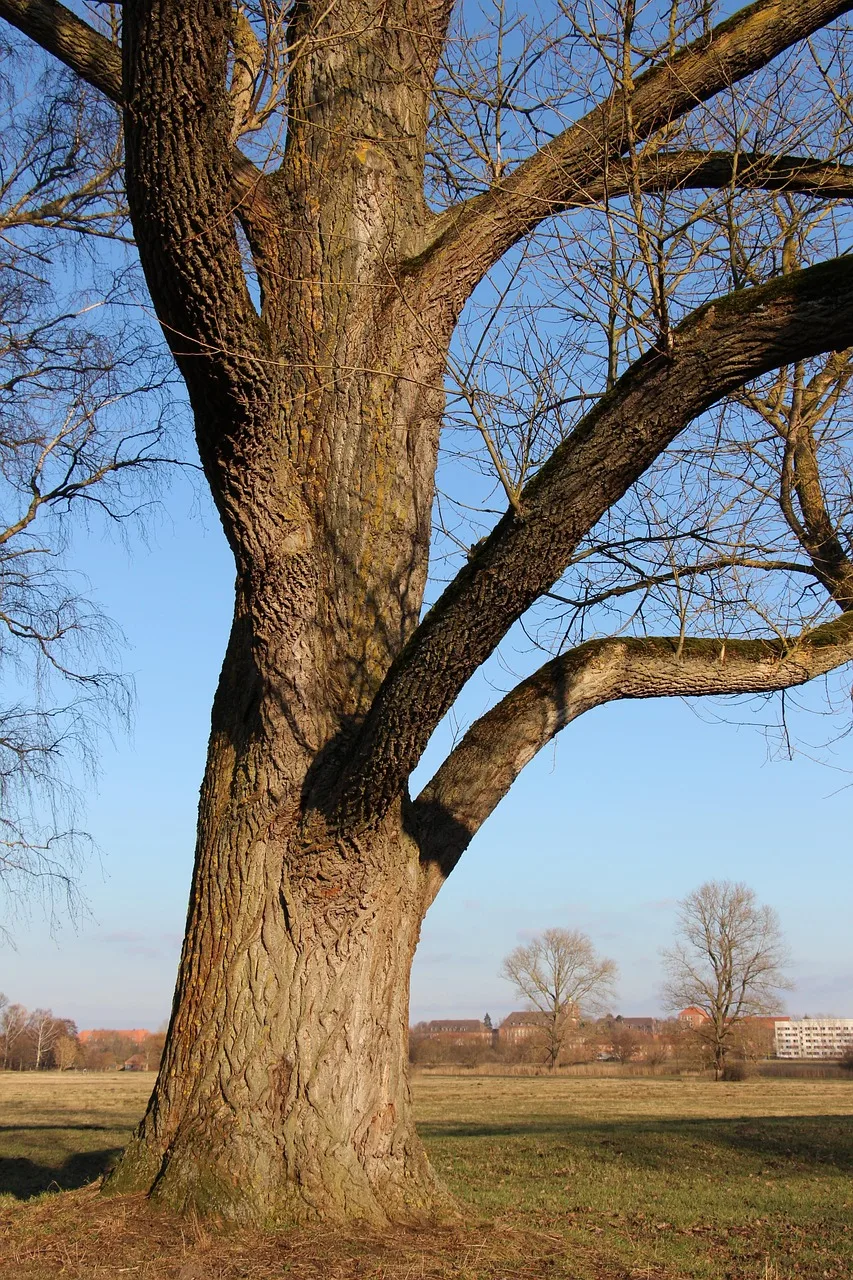
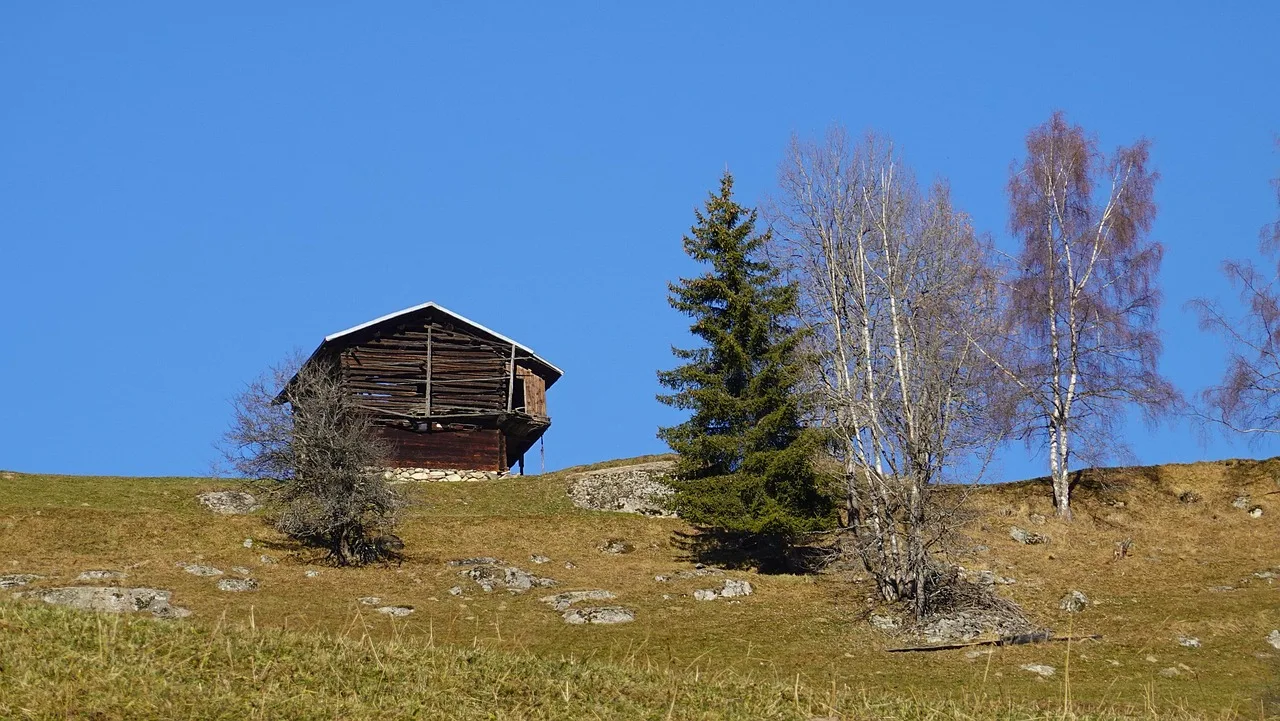
Çekim Tablosu
Belirtme (-i)sonbaharı
Yönelme (-e)sonbahara
Bulunma (-de)sonbaharda
Çıkma (-den)sonbahardan
Tamlayan (-in)sonbaharın
Çoğul (-ler)sonbaharlar
Tanım
•isim: Kuzey yarım kürede 24 Eylül-21 Aralık, güney yarım kürede 21 Haziran-23 Eylül tarihleri arasındaki zaman dilimi, yazla kış arasındaki mevsim; güz, hazan, bağ bozumu
•mecaz: Yaşlılık dönemi
Diğer Dillerde
autumn, fall
çekim: çoğul Herbste · tamlayan Herbstes
köken: From Middle High German herbest, from Old High German herbist, from Proto-West Germanic *harbist. Compare Dutch herfst, Low German Harvst, West Frisian hjerst, English harvest.
aile: Frühherbst, Herbst-Tagundnachtgleiche, Herbstanfang, herbstartig, Herbstbeginn, Herbstferien, Herbstlaub, herbstlich, Herbstluft, Herbstpunkt
Herbstreis. — Sonbahar pirinci.
Fransızcaautomne, Automne, arrière-saison (eril) /o.tɔn/
autumn, fall
çekim: çoğul automnes
köken: From Old French automne, a borrowing from Latin autumnus. The inherited equivalent was après août (literally “after August”).
aile: épices d'automne, équinoxe d'automne
Riz d'automne... — Sonbahar pirinci.
İspanyolcacaer, caerse, caída, colapsar, decadencia, descender /kaˈeɾ/
to fall (to move to a lower position due to gravity) · to fall (to come down, to drop, to descend) · to fall down, to collapse (to fall to the ground)
çekim: geçmiş caí · ortaç caído · şimdiki cae
eş: colgar, inclinarse, pender, desprenderse, soltarse, corresponder
köken: Etymology tree Proto-Indo-European *ḱad- Proto-Indo-European *-eti Proto-Indo-European *ḱádeti Proto-Italic *kadō Classical Latin cadō Late Latin cadeō Old Spanish caer Spanish caer Inherited from Old Spanish caer, from Late Latin cadēre, from Classical Latin cadere. Cognate with French choir, Galician caer, Portuguese cair.
aile: caedizo, caer a pelo, caer a plomo, caer bien, caer chuzos de punta, caer como chinches, caer como moscas, caer como un baldado de agua fría, caer de indio, caer de las nubes
Ahora es otoño. — Şimdi sonbahar.
La lluvia cae más fuerte que antes.
El pelo dañado puede caerse.
caer en la trampa
İtalyancaautunno (eril) /awˈtun.no/
autumn, (US) fall
çekim: çoğul autunni
köken: Borrowed from Latin autumnus (“autumn, fall”), of uncertain etymology. First attested in 1306, replacing several inherited forms (cf. proto-Italian octummio, attested in a Latin document from 762, via Late Latin autumnius). The Latin etymon is directly continued by Romanian toamnă, Aromanian toamnã (unless these reflect the variant in a-), Italian autono (Northern Italy, 15th c.), Romansh utuon…
Equinozio d' autunno: — Sonbahar ekinoksu:
Rusça(женское имя), осень (dişil) /ˈosʲɪnʲ/
autumn, fall
çekim: çoğul о́сени · tamlayan о́сени
eş: закат, увядание, год
köken: Inherited from Old East Slavic осень (osenĭ), from Proto-Slavic *esenь, from Proto-Indo-European *h₁es-en-, whence English earn and German Ernte (“harvest”). Doublet of есень (jesenʹ) and есеня (jesenja), cognate with Belarusian во́сень (vósjenʹ) and Ukrainian о́сінь (ósinʹ).
aile: осе́нник, о́сенью, по о́сени, позднеосе́нний, предосе́нний, раннеосе́нний, Proverbs, цыпля́т по о́сени счита́ют
Осеннее равноденствие — Sonbahar ekinoksu:
autumn, fall · harvest · fresh ripe dates or fruit in general
çekim: tamlayan خَرِيفٍ
köken: From the root خ ر ف (ḵ r f) meaning "to gather produce", "to become ripe or attaining fullness". Cognate with Hebrew חֹורֶף (khóref), Sabaean and Qatabanian Old South Arabian 𐩭𐩧𐩰 (ḫrf), Mehri ḫarf, Shehri ḫorf, Soqotri ḥorf, Harsusi ḫōref, Ge'ez ኀሪፍ (ḫärif).
خريفيّ: — Sonbahar ekinoksu:
to fall · to happen, to occur · to fall ill
çekim: geçmiş افتاد · ortaç افتاده · şimdiki میافتد · ulaç افتنده
köken: From Middle Persian [script needed] (’wpt- /ōft-/, “fall”), from Proto-Iranian *ava- (“away, down”) + *pat- (“to fly, rise; to fall”), the former from Proto-Indo-Iranian *Háwa (“away, down”), the latter from Proto-Indo-European *peth₂- (“to spread out; to spread one's wings, fly”).
aile: اتفاق افتادن, افت, افت کردن, افتاده, افتادگی, برافتادن, جا افتادن, درافتادن
زن برو افتاد و بوسید آن لبش بر جهانیدش ز خواب اندر شبش
خاصه که در چشم افتد خس ز باد چشم افتد در نم و بند و گشاد
اتفاق افتادن
to fall (applied to objects) · to get off · to get down
çekim: geçmiş düşmüş · ortaç düşmüş · şimdiki düşür
zıt: minmək, qalxmaq
köken: From Proto-Turkic *tüĺ- (“to fall, move down”).
aile: düşkün, düşkünlük, düşük, düşüklük, düşüncə, düşünmək, ardına düşmək, başa düşmək, dalınca düşmək, əldən düşmək
Yarpaq yerə düşdü
Düş maşından!
Düş aşağı, qonaqları qarşıla!
autumn, fall
çekim: çoğul күздер · tamlayan күздің
köken: Inherited from Kipchak [Term?], from Proto-Common Turkic *kǖz, from Proto-Turkic *kǖŕ (“autumn”). Cognate with Kyrgyz күз (küz), Bashkir көҙ (köź), Tatar көз (köz); Turkmen güýz, Azerbaijani güz, Turkish güz; etc.
autumn, fall (season)
çekim: çoğul kuzlar · tamlayan kuzning
köken: Inherited from Chagatai [Term?] (“autumn, fall”), from Proto-Common Turkic *kǖz (“autumn, fall”), from Proto-Turkic *kǖŕ (“autumn, fall”).
autumn, fall
çekim: çoğul көзләр · tamlayan көзнең
köken: From Proto-Turkic *kǖŕ (“autumn”). Cognate with Bashkir көҙ (köź), Kazakh күз (küz), Kyrgyz күз (küz), Turkish güz, Uzbek kuz.
aile: көзге
Felemenkçeherfst, herfst, najaar (eril) /ɦɛrfst/
autumn, fall
çekim: çoğul herfsten
eş: eindfase, najaar
köken: From Middle Dutch herfst, from Old Dutch *hervist, from Proto-West Germanic *harbist, from Proto-Germanic *harbistaz, from Proto-Indo-European *kerp-. The original meaning was “harvest time”, as is seen in herfstmaand. Cognate with German Herbst, Low German Harvst, West Frisian hjerst, English harvest; further with Latin carpere (“to pick, to pluck”), Greek καρπός (karpós, “fruit, harvest”).
aile: herfstaster, herfstavond, herfstkleur, herfstmaand, herfstnachtevening, herfstschroeforchis, herfsttij, herfsttijd
Herfst-equinox: — Sonbahar ekinoksu:
to fall; to fall down; to drop · to fall (to fall so it is no longer attached to or on top of something) · to fall; to collapse (to be overthrown, defeated or annulled)
çekim: geçmiş caí · ortaç caído · şimdiki cai
köken: Inherited from Old Galician-Portuguese caer, from Late Latin cadēre, from Latin cadĕre, from Proto-Italic *kadō, from Proto-Indo-European *ḱad- (“to fall”). Cognate with Galician caer and Spanish caer.
aile: caída, cair a ficha, cair aos pedaços, cair como uma luva, cair de amores, cair de boca, cair duro, cair fora, cair na estrada, cair no sono
Equinócio do Outono: — Sonbahar ekinoksu:
A maçã caiu.
Saciado, cahiu de papo para cima, olhando as estrellas, que vinham nascendo.
O livro caiu da mesa.
Yunancaπέφτω, πτώση, Πτώση, φθινόπωρο /ˈpe.fto/
to fall, fall off, drop · to hang · to come down
çekim: geçmiş έπεσα · ortaç πεσμένος · şimdiki πέφτει · ulaç πέφτοντας
köken: Inherited from Byzantine Greek πέφτω (péphtō), from Ancient Greek πίπτω (píptō) with regular dissimilation [pt] > [ft] and [i] > [e] based on the aorist stem πεσ- (pes-).
Φθινοπωρινό ρύζι. — Sonbahar pirinci.
Japonca秋。
秋分: — Sonbahar ekinoksu:
to drop; to fall; to descend · to depress · to decline; to go down; to decrease
eş: 暴跌, 低落
zıt: 高漲, 高涨, 上升
交配期是秋季。 — Üreme zamanı sonbahardadır.
Korece가을 /ka̠ɯɭ/
autumn, fall
eş: 추
köken: First attested in the Worin seokbo (月印釋譜 / 월인석보), 1459, as Middle Korean ᄀᆞᅀᆞᆶ (Yale: kòzòlh), probably from Old Korean 秋察 (*KOsol, *KOcol) (also written in the alternative form Old Korean 秋察尸). Cognate with Jeju ᄀᆞ슬 (gawseul) & ᄀᆞ을 (gaweul), the first of which preserves the Old Korean /s/. Perhaps related to ᄀᆞᇫ〯다〮 (Yale: kǒz-tá, “to cut; to sever”), referring to the harvest.
aile: 가을비, 가을철, 늦가을
추분점: — Sonbahar ekinoksu:
to become · to turn into (with an optional preposition till) · to remain, to stay
çekim: geçmiş blev · ortaç bliven · ulaç blivande
eş: bliva, förbli, varda
köken: Apocopic form of bliva, from Old Swedish bliva, from Middle Low German blîven (“to remain”), from Old Saxon bilīvan, from Proto-West Germanic *bilīban, from Proto-Germanic *bilībaną. Displaced Swedish varda completely in the present tense, and partly in the past tense.
aile: bli av, bli av med, bli till, bli åka av
Höstdagjämning: — Sonbahar ekinoksu:
En gång reeste han emillan Stockolm ok Upsala mäd Nordfelldt som sedan bleef Præsident i Göteborg.
Jag blev glad när jag fick klappa kaninen
Vi stannade tills det blev mörkt
Lehçejesień, padać, paść, polegnąć, spadać, spadanie (dişil) /ˈjɛ.ɕɛɲ/
pora roku między latem a zimą
çekim: çoğul jesienie · tamlayan jesieni
köken: Etymology tree Proto-Slavic *esenь Polish jesień Inherited from Proto-Slavic *esenь.
aile: jesieniara, jesieniarz, jesienić, jesiennieć
Fall rice. — Sonbahar pirinci.
Осіннє рівнодення: — Sonbahar ekinoksu:
fall (season), autumn · decay · autumn, old age
zıt: बहार, बहाराँ
köken: Borrowed from Classical Persian خزان, probably from Bactrian. First attested in c. 1609 as Middle Hindi خزاں (xzaṉ).
Fincealasmeno, hävitä, heittäytyä, jäädä, kaatua, kukistua /ˈhæʋitæˣ/
to disappear, vanish · to get lost, be misplaced · to disperse, dissipate, clear
çekim: geçmiş hävinnyt · şimdiki häviää · ulaç häviävä
zıt: ilmaantua, ilmestyä
köken: From Proto-Finnic *hävit'äk. Related to Estonian hävima, Ingrian hävitä, Karelian hävitä and Ludian hävitä.
aile: häviämätön, hävikki, häviäjä, häviäminen, häviämä, häviö, hävittää
Syyspäiväntasaus — Sonbahar ekinoksu:
Yhtäkkiä linnut hävisivät.
Minulta hävisi lompakko kotiin.
Sumu häviää.
Çekçepodzim (eril) /ˈpodzɪm/
autumn, fall
çekim: çoğul podzimy · tamlayan podzimu
eş: jeseň, podzimek
zıt: jaro, vesna
köken: Inherited from Old Czech podzim, created as pod- + zima. Cognate with Lower Sorbian nazyma (via Proto-Slavic *zima). Also compare Persian پاییز (pâyiz, “autumn”) (< Proto-Iranian *pati- (“against”) + *jimáh (“winter”)) (cognate via Proto-Indo-European *ǵʰéyōm).
Podzimní rovnodennost: — Sonbahar ekinoksu:
na podzim
to fall
çekim: geçmiş căzut · ortaç căzut · şimdiki cade
köken: Inherited from Late Latin cadēre, from Latin cadĕre.
aile: cădenie, cădere, cădință, căzător, căzătură, căzut
Orez de toamnã. — Sonbahar pirinci.
Am căzut și nu pot să mă ridic!
fall
çekim: çoğul bukások
köken: From bukik + -ás (noun-forming suffix).
Őszi napéjegyenlőség: — Sonbahar ekinoksu:
autumn · winter
çekim: çoğul סתווים
köken: Compare Arabic شِتَاء (šitāʔ, “winter”).
בסתיו 1944, — 1944 sonbaharında, 2.
autumn, fall
çekim: çoğul autumnī · tamlayan autumnī
köken: From earlier auctumnus, of unclear ultimate origin: * From Proto-Indo-European *h₃ewǵ- (“cold”) (compare Old Irish úacht, Lithuanian áušti (“to cool off”), Old Armenian ոյծ (oyc)). * Borrowed from an Etruscan word, like Etruscan 𐌀𐌕𐌖𐌍𐌄 (atune, “autumn”). * From Proto-Indo-European *h₂sews- (“dry”), as in "drying up season." Possibly influenced by auctus (“enriched, enlarged, ample”).
to become (go from one state into another, with a predicative or the preposition til (“to”); the latter is preferred with nouns if a change is implied) · to be (used with the past participle to form the passive voice) · to amount (to total or evaluate)
çekim: geçmiş blev · ortaç blevet · ulaç blivende
köken: From Middle Low German bliven, from Old Saxon bilīƀan, from Proto-Germanic *bilībaną, cognate with German bleiben (“to remain”). In the sense “to become", it replaced native vorde.
aile: døvbleven, forblive, tilbagebleven, tilbageblivende, tilblive, udeblive, vedblive
Efterårsjævndøgn: — Sonbahar ekinoksu:
Hun blev læge da hun var 25 år.
Vejret vil blive koldt når solen er gået ned.
Ællingen blev til en svane
Etimoloji
Osmanlı Türkçesi صوك بهار sözcüğünden devralındı
Eş & Zıt Anlamlılar
Örnek Cümleler
Şimdi sonbahar.
It's fall now.
Sonbahar geliyor.
Autumn is coming.
Sonbaharı severim.
I love autumn.
İşte sonbahar geldi.
Here the fall came.
Yine sonbahar geldi.
It is autumn again.
Sonbahar havası var.
It feels like fall.
Serin sonbahar geldi.
Cool Autumn arrived.
Sonbahar gelmiş gibi.
It seems to be autumn.
Bu sonbahar evleniyor.
She is getting married this fall.
Bu, her sonbaharda oldu.
This happened every fall.
Bu yıl sonbahar gecikti.
Fall is late this year.
Sonbaharda ay çok güzel.
In autumn, the moon is very beautiful.
İlgili Sorular
Sevdiğim kişi sonbaharda üniversiteye başlayacak, onun gitmesiyle nasıl başa çıkabilirim?
Hamile miyim? Son adetimin üzerinden yaklaşık iki buçuk ay geçti, göğüslerim hafif ağrıyor, sürekli yorgun hissediyorum ve ara sıra mide rahatsızlığı yaşıyorum. 18 yaşındayım, geçen sonbaharda üniversiteye başladım. Kürtaj konusunda inançlı değilim, hamile olduğum takdirde çocuğu kesinlikle tutmayı düşünüyorum ama bu yüzden üniversiteyi bırakmak zorunda kalabilirim, ailem çok üzülür. 4 yıldır birlikte olduğum erkek arkadaşım ve ben her zaman çok dikkatli davranıp korunma yöntemleri kullandık, fakat daha önce böyle bir durum yaşamadık.
25 yaşındayım ve kolej beyzbol takımıyla oynama isteğim var. Sonbahar liginde yer alabilir miyim?
Akarsu suyunun sonbaharda bu kadar açık olmasının nedeni nedir?
Aşık olduğum kişi sonbaharda üniversiteye gidecek, bu durumu nasıl atlatabilirim?
Birleşik Kelimeler
sonbahar ekinoksu