Sözlük
/pençe
pençe
"pençe" kelimesinin İngilizcesi: paw, claw, talon, grip, tap. Anlamı, çevirisi, telaffuzu ve örnek cümleler aşağıdadır.
Çeviri
Genelpawnoun
Genelclawnoun
Geneltalon
Genelgrip
Geneltap
Genelunguis
Genelungula
Genelclaw
Genelpaw
Genelpaw
Genelclaw
Genelclaw
Görsel


Çekim Tablosu
Belirtme (-i)pençeyi
Yönelme (-e)pençeye
Bulunma (-de)pençede
Çıkma (-den)pençeden
Tamlayan (-in)pençenin
Çoğul (-ler)pençeler
Tanım
•(mecaz) etkisinden kurtulmak olanaksız, etkisi çok olan güç
•ayakkabının tabanındaki kösele
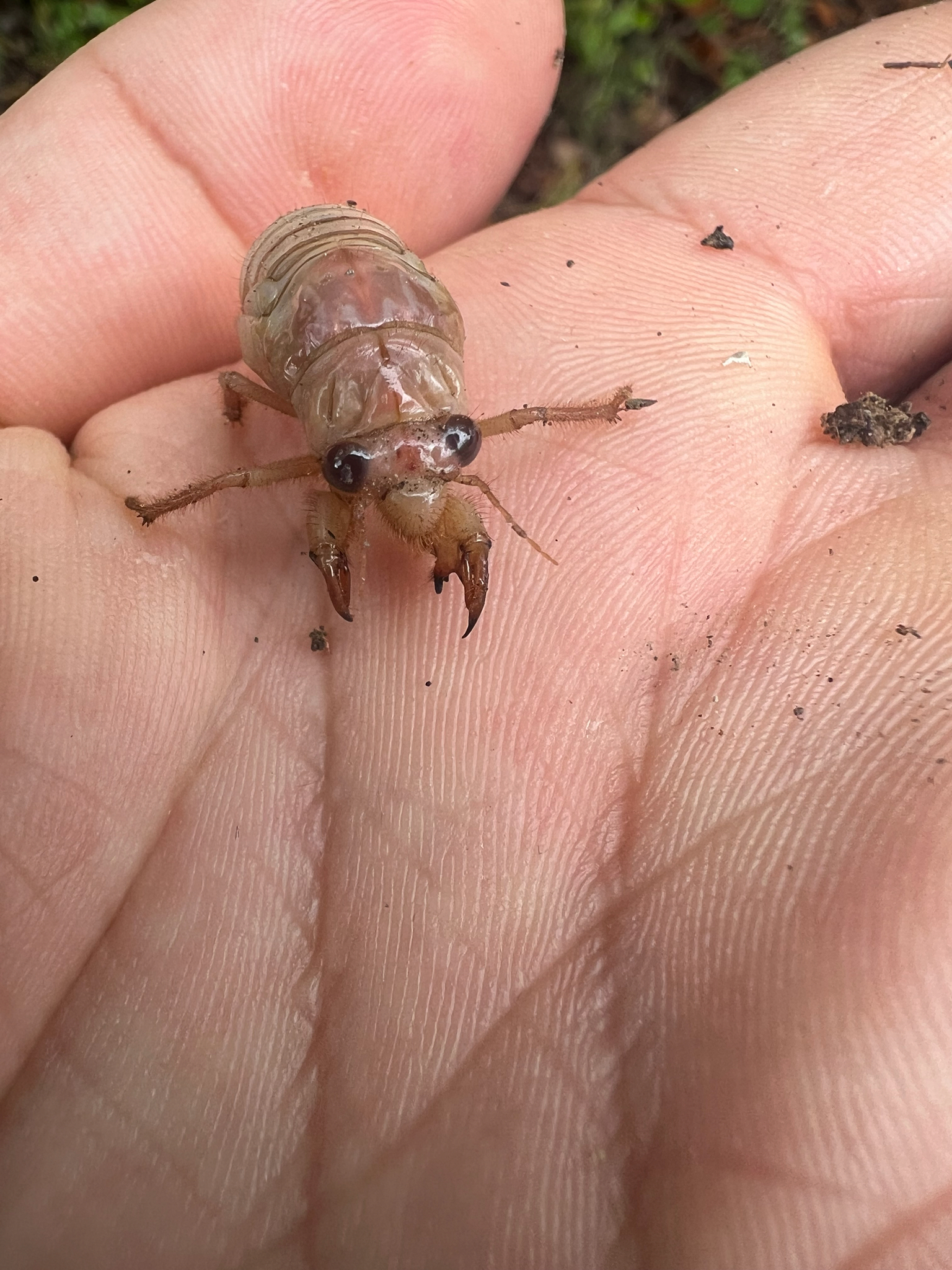
•yırtıcı hayvanların ön ayaklarının parmaklarıyla tırnakları
•Etkisinden kurtulmak olanaksız, etkisi çok olan güç
•Ayakkabının tabanındaki kösele
•Yırtıcı hayvanların ön ayaklarının parmaklarıyla tırnakları
Atasözü & Deyim
“Rüşvet kapıdan girince insaf (iman) bacadan (pencereden) çıkar”
Diğer Dillerde
Almanca(ein Objekt) abzweigen, Abgang, abhören, Abhören, Abzweig, anbohren (eril) /ˈapˌɡaŋ/
exit · departure · sale
çekim: çoğul Abgänge · tamlayan Abganges
eş: Abstieg, Ausscheiden, Austritt, Fortgang, Rückzug, Weggang
zıt: Aufgang, Zugang, Auftritt, Ankunft
köken: ab- + Gang
aile: Abgangsklasse, Abgangstreppe, Abgangszeugnis, Lawinenabgang, Schulabgang, Treppenabgang, Weinabgang
& Dialog — & Pencere
claw · talon · scratch mark
çekim: çoğul griffes
eş: serre
köken: Inherited from Middle French griffe, either deverbal from griffer, which see, or through an unattested Old French noun from Old High German grif, from Proto-Germanic *gripiz.
& Fenêtre — & Pencere
coup de griffe
Les pattes de cet animal sont armées de griffes.
Il a beau n’avoir pas mis son nom à cet ouvrage, il y a mis sa griffe.
İspanyolcaagarrar, agarre, apoderarse de, atenazar, chuzar, cliquear /aɡaˈraɾ/
to grab or take hold of · to hold on · to catch (an illness, feeling etc.)
çekim: geçmiş agarré · ortaç agarrado · şimdiki agarra
eş: alcanzar, cachar, captar, concebir, chanelar, darse cuenta
köken: From a- + garra (“claw”) + -ar.
aile: agarrada, agarradera, agarradero, agarrado, agárramela que me crece, agarrar a putazos, agarrar de pato, agarrar el gusto, agarrar fuego el cañal, agarrar llave
& Ventana — & Pencere
Se agarró de mi brazo para no caerse
İtalyancaattingere, cliccare, estrarre, intercettare, maschiare, maschio /atˈtin.d͡ʒe.re/
to pump or draw (liquid, typically from a pump or well) · to draw (money), withdraw
çekim: geçmiş attìnto · ortaç attìnto · şimdiki attìnge · ulaç attingènte
eş: raccogliere, prendere, tirare su, acquistare, ricavare, ottenere
köken: Etymology tree Proto-Indo-European *h₂éd Proto-Italic *ad Proto-Italic *ad- Latin ad- Proto-Indo-European *teh₂g- Proto-Italic *tangō Latin tangō Latin attingere Italian attingere From Latin attingere (“to touch”).
Finestra — & Pencere
Rusçaпята, лапа, пятерня, лапа; когти
& Диалог — & Pencere
Arapçaتَنَصَّتَ, مَقْبِض
النافذة — & Pencere
Farsçaگرفتن /ɡi.rif.ˈtan/
to grab · to grip · to take
çekim: geçmiş گرفت · ortaç گرفته · şimdiki میگیرد · ulaç گیرنده
eş: ستدن
köken: Etymology tree Proto-Indo-European *gʰrebh₂-der. Old Persian [Term?] (/grab-/) Middle Persian [Term?] (/griftan/) Persian گرفتن Inherited from Middle Persian [Term?] (/griftan/), from Old Persian [Term?] (/grab-/, “to seize”), from Proto-Indo-European *gʰrebh₂- (“to grab, sieze”). Cognates include Central Kurdish گرتن (girtin), Northern Luri گرتێ (geretı), Baluchi گرگ (girag), Sanskrit…
گربه دو موش را گرفت.
Azericetutuş
Felemenkçeafluisteren, aftakking, aftappen, begrip, draadtap, draadtappen /ˈɑflœy̯stərə(n)/
to eavesdrop
çekim: geçmiş luisterden af · ortaç afgeluisterd · şimdiki luistert af · ulaç afluisterend
köken: From af + luisteren.
aile: afluisteraar, afluisterapparatuur, afluisterbaar, afluistering, afluistermicrofoon, afluisterpraktijk, afluisterwerk
& Venster — & Pencere
inflection of agarrar: · second-person singular imperative
& Janela — & Pencere
to hold over one's head; to hold high · to hold something up to shade oneself · to put one's hands over; to cover
çekim: geçmiş かざした
ダイアログ — & Pencere
火に手をかざして本を読む
ランプに手をかざす
İsveççeavledning, avlyssna, avlyssning, bugga, gängtapp, grepp
a derivation
çekim: çoğul avledningar · tamlayan avlednings
köken: avleda + -ning
Fönster — & Pencere
Lehçechwyt, gwintować, gwintownik, klepnąć, napoczynać, podsłuchiwać (eril) /ˈxfɘt/
grip (manner of holding things with the hands) · trick, gimmick (effective, clever or quick way of doing something) · trick, gimmick, ploy (something designed to fool or swindle)
çekim: çoğul chwyty · tamlayan chwytu
eş: ujmowanie, łapanie
köken: Blend of Proto-Slavic *xvatъ + Proto-Slavic *xytъ. By surface analysis, deverbal from chwytać.
aile: chwyt barowy, chwyt marketingowy, uchwyt
Okno — & Pencere
Finceasentaa salakuuntelulaite, avata, haaroitus, hanajuoma, kääntää, kahva /ˈɑʋɑtɑˣ/
to open · to open, open up, establish, inaugurate · to turn on, switch on
çekim: geçmiş avannut · şimdiki avaa · ulaç avaava
köken: From Proto-Finnic *avait'ak (compare Estonian avama, Veps avaita, Votic avatõ), derived from Proto-Finno-Ugric *aŋa- (compare Erzya анксема (anksema, “ice hole”), автемс (avtems, “to open”) (from *aŋta-), Northern Mansi [script needed] (āŋkwi, “to open, to take off, to skin”), Northern Khanty эӈкта (eṇkta, “to open, to take off, to unfasten”), Tundra Nenets [script needed] (ńaŋər-)).
aile: avaamaton, avaaja, avaaminen, avain, avajaiset, avanne, avanto, avauma, avaus, availla
Ikkuna (2) — & Pencere
Avasin sipsipussin.
Avasin oven.
Avasin oven lukon.
Çekçedržadlo, rukojeť, sevření, stisk, uchopení, závitník (nötr) /ˈdr̩ʒadlo/
handle (part of an object held in a hand) · handrail
çekim: çoğul držadla · tamlayan držadla
eş: rukojeť, madlo, držák, střenka, násada
köken: From držet + -dlo.
Okno — & Pencere
Macarcacsap, csapra ver, csapszeg, csavarmenetet fúr, kiaknáz, kihasznál /ˈt͡ʃɒp/
tap, faucet · spigot, pivot, peg, pin (usually made of wood) · cone (a type of light-sensitive cell found along with rods in the retina of the eye)
çekim: çoğul csapok
köken: From German Zapfen.
aile: csapol, csapos, csaplyuk, csapvíz, jégcsap, keverőcsap, tűzcsap, vízcsap, a csapból is folyik
& Ablak — & Pencere
İbraniceמַבְרֵז
& חלון — & Pencere
Latinceampla
a handle, a grip
çekim: çoğul amplae · tamlayan amplae
köken: Derived from amplus (“ample, large”). Older theories derived the word from Proto-Indo-European *h₂em-lo-, from *h₂em- (“to grasp”), and linked to ānsa (“handle”).
Dancaaflytning, greb
grip, hold · a grasp, understanding · a handle (e.g. on a door)
çekim: çoğul grebene · tamlayan grebs
köken: From Old Norse grip. Related to gribe.
aile: dobbeltgreb, dørgreb, fejlgreb, førergreb, håndgreb, jerngreb, kunstgreb, kvælergreb, vejgreb
& Dialog — & Pencere
Norveççeavlytte, avlytting, fatte, gripe, tappe, tappekran
Vindusrolle — Pencere Rolü
to knock (to rap one's knuckles against something, especially wood)
çekim: çoğul ketuk-ketuk
köken: Affixation of ke- + tuk (“knock”).
& Dialog — & Pencere
Aku telah mengetuk pintunya dengan kuat, tapi masih belum terdengar oleh orang rumah.
Vietnamcagiữ chặt, nắm, nắm chặt /nam˧˦/
to hold; to grip; to grasp · to grasp (opportunity, power, etc.); to seize
köken: From Proto-Vietic *-namʔ (Ferlus, 2007), with the straightforward Muong Bi cognate nẳm. Curiously, Ferlus (2007) also assigned this word, along with Pong nɨm⁴, to the reconstruction *-nəmʔ; both might be different reconstructions of one etymology. Chut [Mày] nɯ̆m⁴ ("to grasp") (Babaev & Samarina, 2018) might also be listed. Compare maybe Riang [Lang] kᵊnəm² ("clenched (of fist)"). Schuessler…
aile: cơm đùm cơm nắm, nắm bắt, nắm đằng chuôi, nắm đấm, nắm giữ, vơ đũa cả nắm
Thoại (2) — & Pencere
Bulgarcaдръжка, канелка, метчик, нарязвам резба, отклоне́ние, подслушвам (dişil) /ˈdrɤʃkɐ/
handle
çekim: çoğul дръ́жки
köken: From държа (dǎrža, “to hold”) + -ка (-ka).
Прозорци — & Pencere
Slovakçaodpočúvanie, odposluch, stiahnuť, stočiť
& Dialóg — & Pencere
Litvancasugriebti
Letoncapieklauvēt, sagrābt, satvert, spunde, tapa, tvēriens (dişil)
plug (hole filler) · spigot · stopgap
çekim: çoğul tapas · tamlayan tapas
Katalancaagafar, empunyar, fer un toc, mascle, tap /ə.ɣəˈfa/
to take, hold · to pick up · to grasp
çekim: geçmiş agafí · ortaç agafat · şimdiki agafa
köken: From a- + Old Catalan gafar, the latter from a Germanic source possibly meaning 'hook', from which also German Gabel (“fork”), Swedish gaffel.
aile: agafa-sants, agafa-sopes, agafada, agafatós, agafes, agafós
spigot · faucet · stick
çekim: çoğul billas
köken: From Old Galician-Portuguese billa (13th century, Cantigas de Santa Maria), either from Paleo-Hispanic or from Old French bille (“stick”); ultimately from Proto-Celtic *belyom (“tree; trunk”).
aile: billote
Etimoloji
Farsça pence
Kelime Ailesi
Eş & Zıt Anlamlılar
Eş anlamlılar
Örnek Cümleler
& Pencere
& Window
Pencere% 1
Window %1
Ana Pencere
Main Window
Sol pencere
Left Media
Sağ pencere
Right Media
Pencere Yok
No Windows
Yeni pencere
New window
Pencere Tipi
Type of Window
Pencere Kipi
Window Mode
& Pencereler
& Windows
Pencereyi aç.
Open the window.
Pencere açık.
The window is open.