Sözlük
/korku
korku
"korku" kelimesinin İngilizcesi: fear, horror, scare, dread, trepidation. Anlamı, çevirisi, telaffuzu ve örnek cümleler aşağıdadır.
Çeviri
Genelfearnoun
Genelhorrornoun
Genelscarenoun
Geneldreadnoun
Geneltrepidationnoun
Genelfear
Genelalarm
Genelanxiety
Genelapprehension
Genelawe
Genelconsternation
Genelfright
Genelhorror
Genelphobia
Geneltrepidation
Genelfright
Genelfear
Genelfright
Geneltrepidation
Geneltrepidation
Genelfear
Görsel

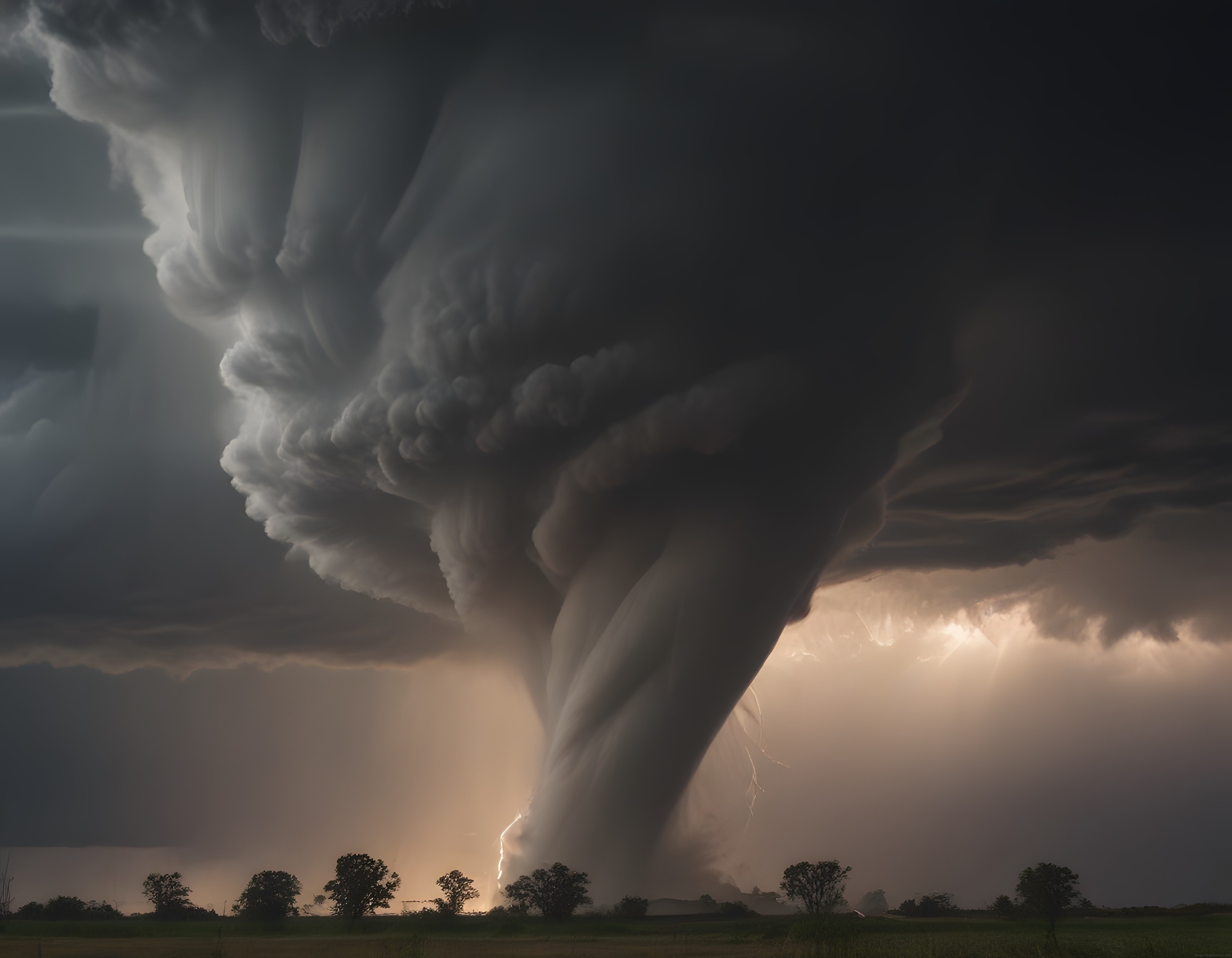
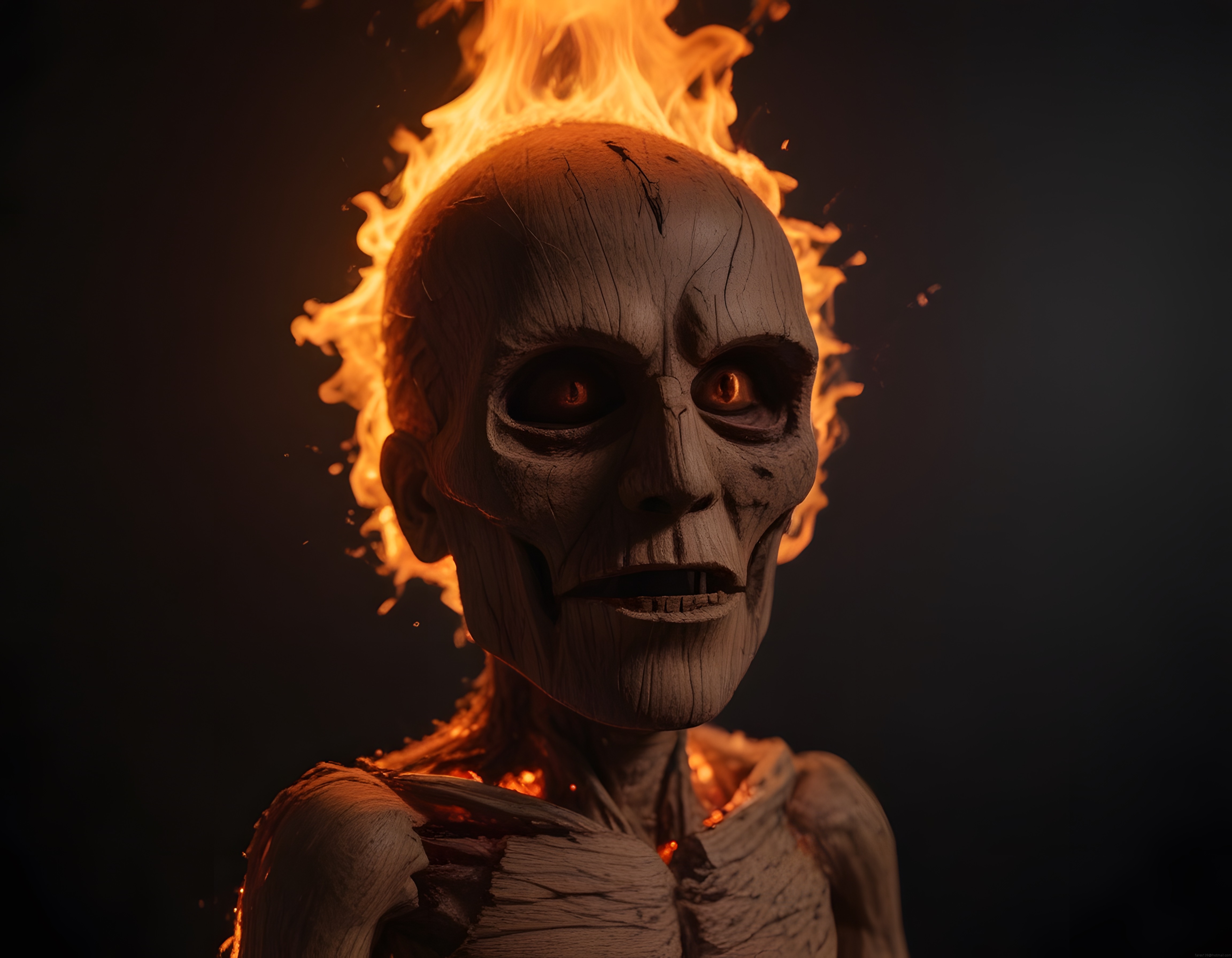

Çekim Tablosu
Belirtme (-i)korkuyu
Yönelme (-e)korkuya
Bulunma (-de)korkuda
Çıkma (-den)korkudan
Tamlayan (-in)korkunun
Çoğul (-ler)korkular
Tanım
•isim: Bir tehlike veya tehlike düşüncesi karşısında duyulan kaygı, üzüntü
•Kötülük gelme ihtimali
•ruh bilimi: Gerçek veya beklenen bir tehlike ile yoğun bir acı karşısında uyanan ve coşku, beniz sararması, ağız kuruması, solunum ve kalp atışı hızlanması vb. belirtileri olan veya daha karmaşık fizyolojik değişmelerle kendini gösteren duygu
Atasözü & Deyim
“Dünyada tasasız baş bostan korkuluğunda bulunur”
“Islanmışın yağmurdan korkusu olmaz”
“Korkulu rüya (düş) görmektense uyanık yatmak evladır (yeğdir)”
“Korkunun ecele faydası yoktur”
Diğer Dillerde
fear; fright; anxiety
çekim: çoğul Ängste · tamlayan Ängste
eş: Beklemmung, Furcht, Panik, Sorge, Bammel, Flatter
köken: From Middle High German angest, from Old High German angust, from Proto-Germanic *angustiz.
aile: angsthaft, Angsthase, ängstigen, ängstlich, Angstmeier, Flugangst, Höhenangst, Platzangst, Prüfungsangst, Todesangst
Die Angst geht um. — Korku hakim.
Alle haben Angst vorm schwarzen Mann
Fransızcacrainte, Crainte, peur, peur (dişil) /kʁɛ̃t/
fear, fright
çekim: çoğul craintes
eş: peur, trémeur
köken: From craindre + -te. Attested since the 13th century; replaced Old French crieme.
aile: de crainte de, que, n'aie crainte, n'ayez crainte
C'est terrible ! — O korkunçtur.
İspanyolcaalarma, despertador, lamentar, miedo, pavor, pavura (dişil) /aˈlaɾma/
alarm (a summons to arms) · alarm (a sound intended to give notice of approaching danger) · alarm (a mechanical device for rousing attention)
çekim: çoğul alarmas
eş: rebato, rebato
köken: Borrowed from Italian all'arme, allarme; see also French alarme.
aile: alarma anti-incendio, alarma de incendios, alarmar, alarmismo, alarmista, dar la voz de alarma, estado de alarma
Tom tiene miedo. — Tom korkuyor.
İtalyancaallarme, aver paura di, paura, temere, timore (eril) /alˈlar.me/
alarm · alert
çekim: çoğul allarmi
eş: antifurto, comando, segnale, suono, segnale di pericolo, agitazione
köken: Univerbation of all' (“to the”) + arme (“weapons”, archaic plural of arma), literally “to the weapons, to arms”.
aile: allarmare, allarmismo, teleallarme
Ci terrorizzava. — Beni korkuttu.
Rusçaстрах /strax/
fear · risk, peril
çekim: çoğul стра́хи · tamlayan стра́ха
eş: боязнь, испуг, ужас, паника, риск, ответственность
köken: Inherited from Proto-Slavic *straxъ.
aile: под стра́хом, стра́ха ра́ди, перестрахо́вщик, перестрахова́ться, страхо́вка, страхова́ть, страхолю́дина, страхолю́дный, на сво́й стра́х и ри́ск, не за страх, а за со́весть
Я испугался. — Beni korkuttu.
Страх попо́лз че́рез чё́рные о́кна в ко́мнату, и Коротко́в, стара́ясь не гляде́ть в них, закры́л их што́рами.
де́лать что́-либо на сво́й стра́х
to fear, to be afraid of · to feel free or be scared for
çekim: geçmiş خِفْتُ
ألا تخافون الله ؟! — Korku tanrısıdır.
قُلْتُ : إِنِّي أَخَافُ أَنْ يَكُونَ اِنْصِرَافًا لَيْسَ بَعْدَهُ عَوْد
fear
köken: From Middle Persian [script needed] (bym /bīm/, “fear, fright, dread”), from Proto-Iranian *biHmáh, from Proto-Indo-Iranian *bʰiHmás, from Proto-Indo-European *bʰeyh₂- (“to fear”). Cognate with Avestan 𐬠(𐬀)𐬌𐬌- (b(a)ii-, “to fear”), Sanskrit बिभेति (bibheti, “to fear”) (compare identical formation भीम (bhīmá, “fearful”)), Old Church Slavonic боꙗти (bojati, “to fear”) (Russian бояться…
aile: بیمناک, بیمه
هر محال از دست او ممکن شود / هر حرون از بیم او ساکن شود
Azericeqorxmaq, qorxu, zəngli saat /ɡorxˈmɑx/
to be afraid
çekim: geçmiş qorxmuş · ortaç qorxmuş · şimdiki qorxur
köken: From Proto-Turkic *kork-. Cognates include Turkish korkmak, Kazakh қорқу (qorqu), Uzbek qoʻrqmoq, Chuvash хӑра (hăra).
aile: qorxaq, qorxulu, qorxunc, qorxusuz, qorxu, qorxutmaq, qorxuzmaq
Biz sizdən heç də qorxmuruq.
O heçnədən qorxmurdu, ölümdən də belə.
Qorxuram məni unuda.
phobia
çekim: geçmiş қорықтым · ortaç қорыққан
köken: Inherited from Proto-Turkic *kork-. Cognate with Azerbaijani qorxmaq (“to be afraid”), Uzbek qoʻrqmoq (“to be afraid”).
to be afraid
çekim: geçmiş qoʻrqib · ortaç qoʻrqgan · şimdiki qoʻrqadi · ulaç qoʻrqayotgan
köken: Cognate with Azerbaijani qorxmaq (“to be afraid”), Kazakh қорқу (qorqu, “to be afraid”).
Tatarcaкурку
Felemenkçeangst, vrees, zorg, bezorgdheid
Dat is verschrikkelijk. — O korkunçtur.
to alarm · to agitate; frighten; startle · to disquiet, unsettle
çekim: geçmiş alarmei · ortaç alarmado · şimdiki alarma
eş: agitar, alvoroçar, aterrorizar, desassossegar, despertar, espantar
zıt: acalmar, sossegar, tranquilizar
köken: From alarme + -ar or from French alarmer.
aile: alarmado
Isso é terrível. — O korkunçtur.
Yunancaδέος, ξυπνητήρι, συναγερμός, φοβάμαι, φοβία, φόβος (nötr) /ˈðe.os/
awe (a feeling of fear and reverence)
çekim: tamlayan δέους
Çince害怕 /xaɪ̯⁵¹⁻⁵³ pʰä⁵¹/
to be afraid; to be scared; to be frightened
eş: 嚇, 吓, 忌, 怕, 怕懼, 怕惧
我非常害怕。
每天做一件你害怕不敢做的事。
Korece무서움, 공포, 두려움
to fear
çekim: geçmiş befarade · ortaç befarad · ulaç befarande
köken: From Middle Low German bevaren or older German befahren, to be- + fara (“danger”) + -a.
Själens Amerika: . — "Amerika Korku".
Vi befarar att överlevande kan bli svåra att hitta.
Statsministern befarade att valet kan komma att behöva senareläggas, till en följd av pandemin.
to alarm, to alert (to alert the proper authority of some danger) · to alarm, to alert (to draw attention to something potentially dangerous) [with instrumental ‘with what’] or · to alarm, to alert (to cause worry)
çekim: geçmiş alarmowano · şimdiki alarmuje
eş: wzywać, bić na alarm, podnosić alarm, niepokoić, poruszać
köken: Etymology tree Proto-Indo-European *h₂éd Proto-Italic *ad Latin ad Italian a Proto-Indo-European *h₂el-der. Proto-Italic *olnos Old Latin olle Latin ille Latin illam Italian la Proto-Indo-European *h₂er-der. Proto-Indo-European *h₂(e)rmosder. Latin arma Italian arme Italian allarmeder. Polish alarm Proto-Indo-European *h₂euh₁-der.? Proto-Slavic *-ovati Old Polish -ować Polish -ować Polish…
aile: alarmujący, alarmująco
Urosłeś. — Korkunç !
alarmować policję
Погода була жахливою. — Hava korkunçtu.
fear
çekim: çoğul ख़ौफ़ों
köken: Borrowed from Classical Persian خوف (xawf), from Arabic خَوْف (ḵawf).
ख़ौफ़ आता है अपने ही घर से माह-ए-शब-ताब के निकलते ही xauf ātā hai apne hī ghar se
Fincehälyttää, hälytys, hätäännyttää, herätyskello, huolestuttaa, kammo /ˈhælytːæːˣ/
to alarm (to call to arms; to give notice of approaching danger; to rouse to vigilance and action; to put on the alert)
çekim: geçmiş hälyttänyt · şimdiki hälyttäisi · ulaç hälyttävä
köken: häly + -ttää
aile: hälyttävä, hälytin, hälyttäminen, hälytys, hälyttyä
phobia
çekim: çoğul fobii · tamlayan fobii
köken: Borrowed from French phobie.
Macarcaaggódik, attól tart, ébresztő, fegyverbe, fél, félelem /ˈɒɡːoːdik/
to worry about something, to be anxious about something or for somebody (-ért)
çekim: geçmiş aggódtak
köken: From the obsolete verb aggik (“to care about something”) + -ódik (reflexive or passive verb-forming suffix), where the verb is of disputed origin: either from Proto-Finno-Ugric *aŋke (“tight, depressed, distress, become tight”), or with a semantic blend and split related to agg (“very old”). A connection with Proto-Finno-Ugric *šoŋkɜ (“squeeze; narrow”) is considered unlikely.
aile: aggodalom, aggódás, aggódó
Aggódom a fiamért.
fear, dread, anxiety, apprehension · awe, reverence
çekim: çoğul metūs · tamlayan metūs
köken: Of unknown origin. Klingenschmitt connects the word to Old Irish moth m (“astonishment”), which is semantically attractive; however, he does not explain the phonetic mechanisms by which the two words could be related.
aile: metuō, in metū sum, meticulōsus, metum concipiō, metum habeō
carminibus metus omnis obest; perditus ēnsem
afraid, anxious, alarmed
çekim: tamlayan angsts
köken: From Middle High German angest, from Old High German angust, from Proto-Germanic *angustiz.
Etimoloji
From Ottoman Turkish قورقو (korku), equivalent to kork- (“to be afraid”) + -u (deverbal nominal suffix).
Deyimler
Kelime Ailesi
Eş & Zıt Anlamlılar
Örnek Cümleler
Ne korkunç!
How awful!
O korkunçtur.
That's terrible.
Beni korkuttun!
You startled me!
Korkuluğa tutun.
Hold on to the rail.
Ben korkunç açım.
I am terribly hungry.
Yılan korkum var.
I have a horror of snakes.
Isı bugün korkunç.
The heat is terrible today.
Gitmeye korkuyorum.
I am afraid to go.
Görünüm korkunçtur.
The outlook is grim.
Korku onu susturdu.
Fear robbed him of speech.
Beni öyle korkutma!
Don't scare me like that!
O yüzmeye korkuyor.
He is afraid to swim.
İlgili Sorular
Bu ay iki kez, iki hafta farkla adet oldum ve korkuyorum, nasıl bir durumla karşı karşıyayım?
Bir mağazada gördüğüm kızla, onu korkutmadan tanışmak için en uygun yol nedir?
Bana korku hikayeleri önerir misiniz? Gerçek ya da kurgu olabilir, önemli değil. Bu hafta sonu bir uyku kampı yapacağım ve arkadaşlarımı korkutmak istiyorum.
Kendimi daha cesur ve korkusuz hissetmek için ne yapmalıyım?
Bir çocuğa ilgi duyuyorum ve onun da bana karşı bir ilgisi olduğunu düşünüyorum, ama ona itiraf etmekten korkuyorum. Ne yapmalıyım?
İlgili / Bileşik Terimler
Genelfrightful
Genelhorror movie
Genelhorror movie
Genelhorror film
Genelghost train
Birleşik Kelimeler
korku damarıalan korkusubaşarısızlık korkusucan korkusuışık korkusukapalı yer korkusukonuşma korkusumeydan korkusuölüm korkususu korkusuyenilik korkusuyükseklik korkusu