Sözlük
/küs
kuş
/kuʃ/
noun
A2 seviye
TR → EN
"kuş" kelimesinin İngilizcesi: fowl, bird, bird, bird, dick. Anlamı, çevirisi, telaffuzu ve örnek cümleler aşağıdadır.
Çeviri
Bilimfowlnoun
Bilimbirdnoun
Genelbird
Genelbird
Geneldick
Geneldick
Genelbird
Geneldick
Genelbird
Genelbird
Geneldick
Genelbird
Geneldick
Görsel
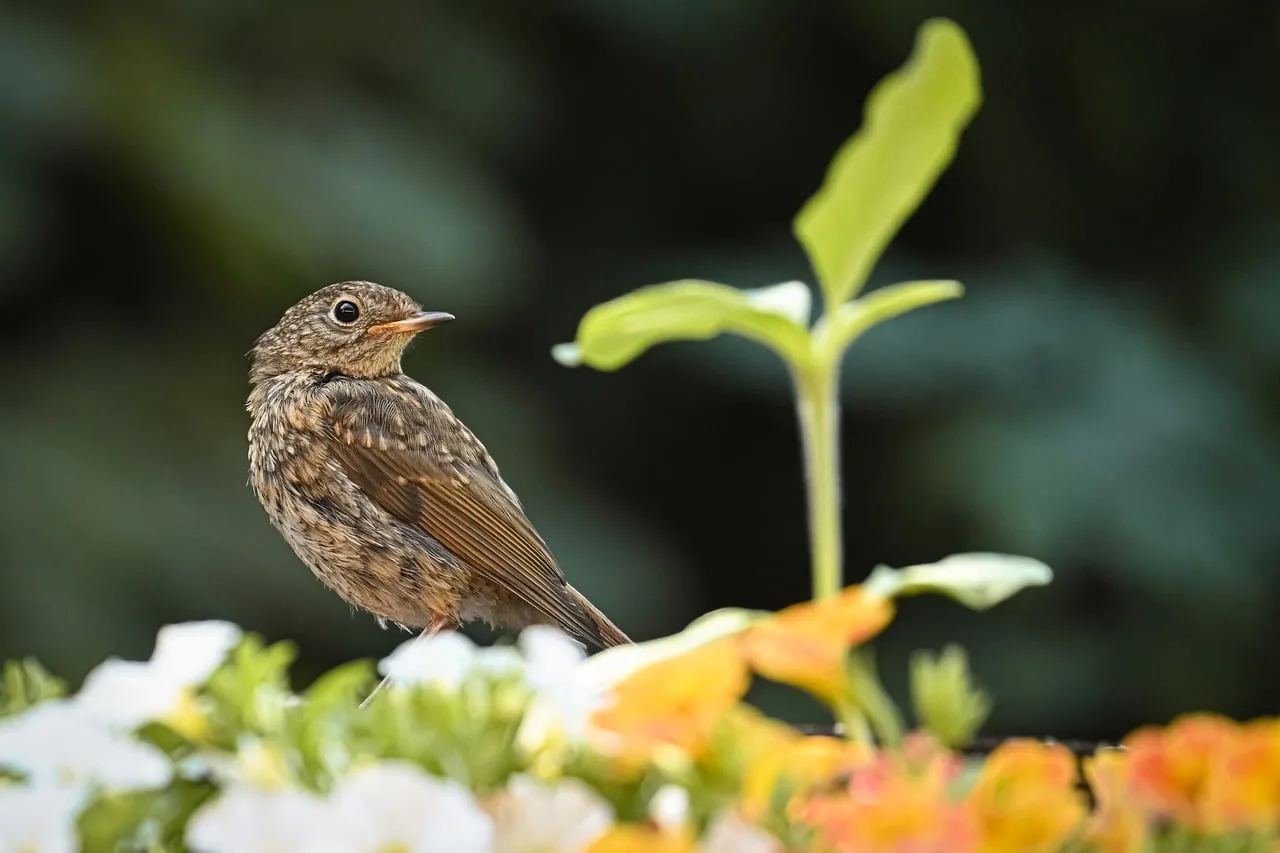

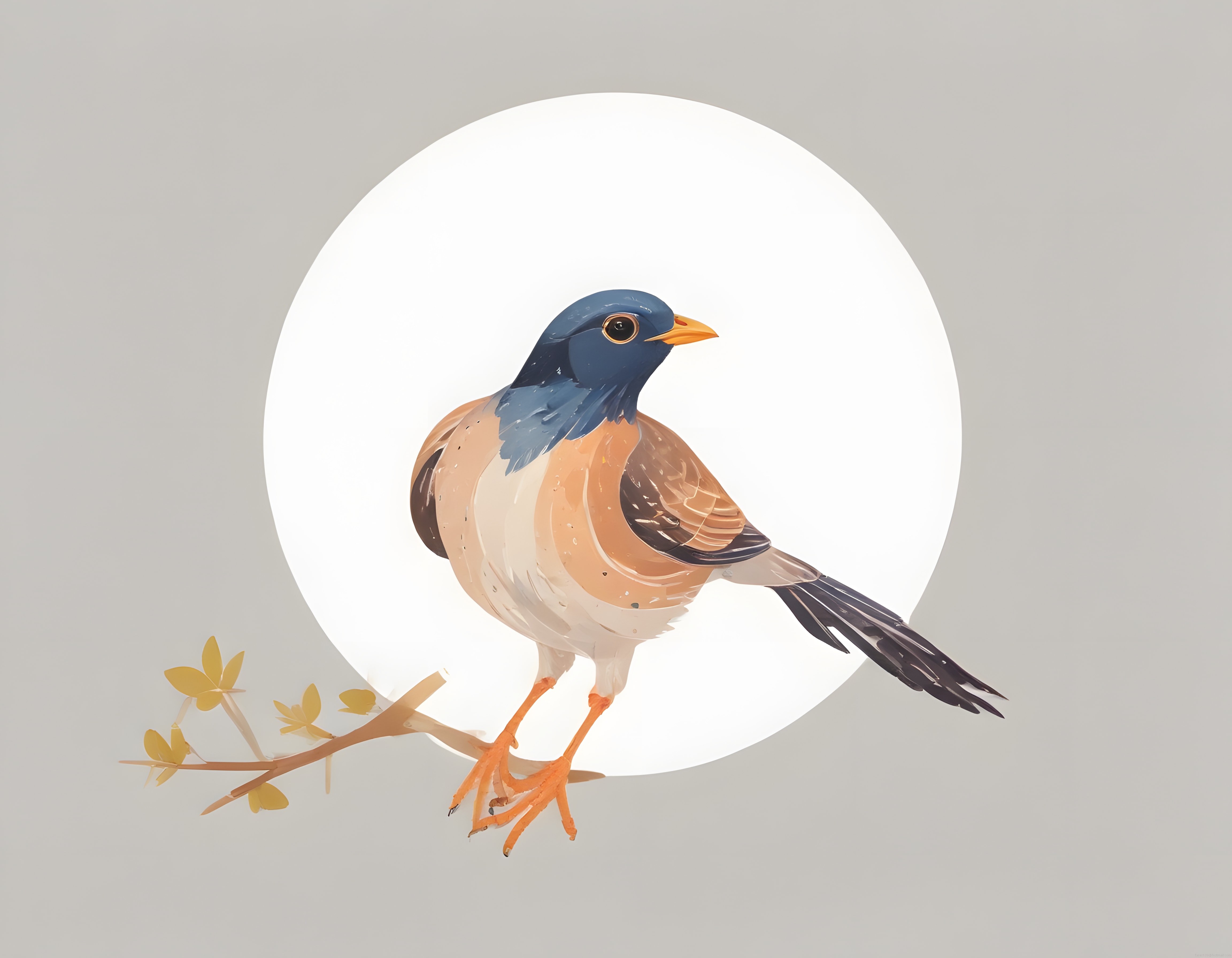
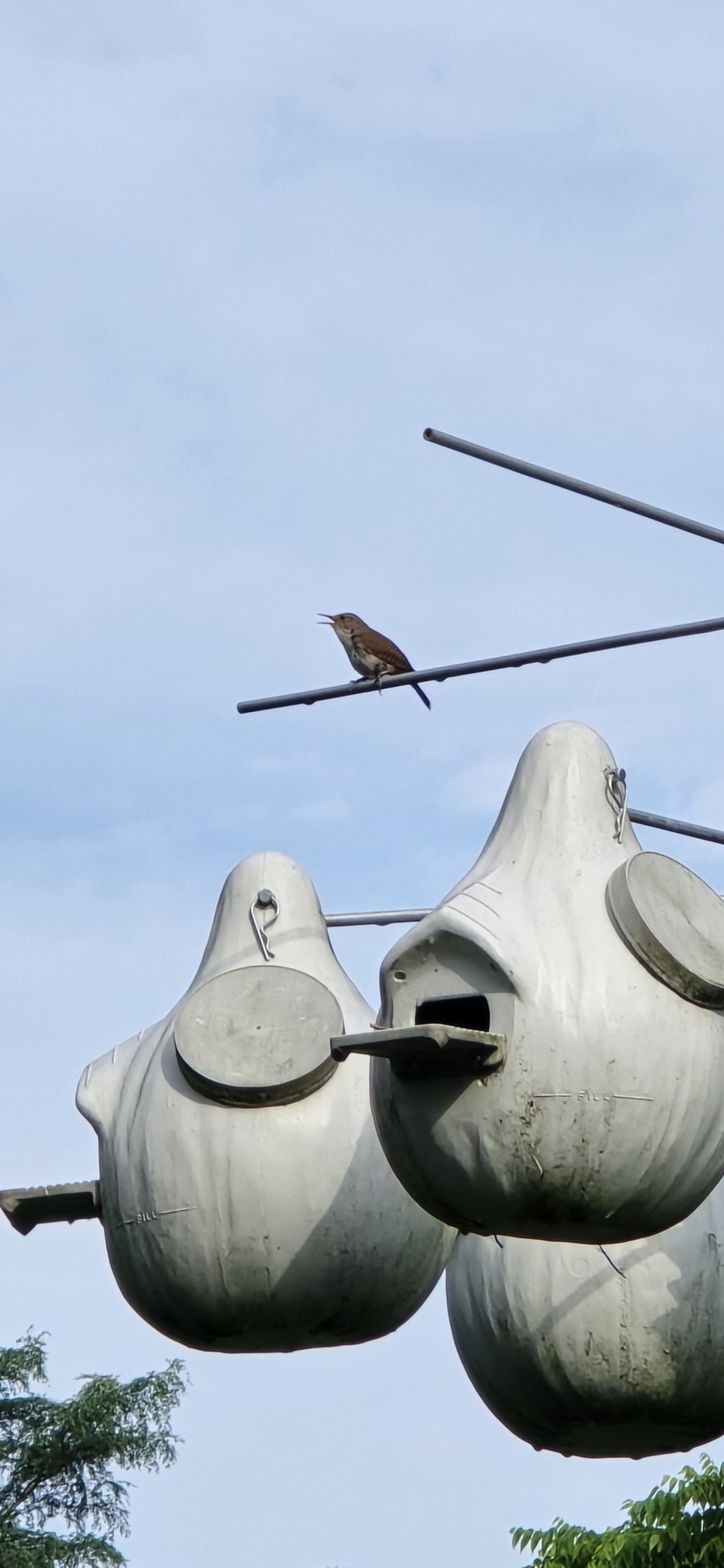
Çekim Tablosu
Belirtme (-i)kuşu
Yönelme (-e)kuşa
Bulunma (-de)kuşta
Çıkma (-den)kuştan
Tamlayan (-in)kuşun
Çoğul (-ler)kuşlar
Tanım
•isim: Yumurtlayan omurgalılardan, akciğerli, sıcakkanlı, vücudu tüylerle örtülü, gagalı, iki ayaklı, iki kanatlı uçucu hayvanların ortak adı
•Elbiselerde kol altına eklenen üçgen şeklindeki kumaş parçası
•Yaşlanan atların sağrısında tüyü dökülen yer
•acemi er
Atasözü & Deyim
“Kanatsız kuş uçmaz”
“Kuş vardır eti yenir, kuş vardır et yedirilir”
“Kuş kanadına kira istemez”
“Kuş uçmaz, kervan geçmez”
“Sebepsiz kuş bile uçmaz”
Diğer Dillerde
a bird · an idiot, a clown (dimwitted or ridiculous person) · a kite (an aeroplane or any aircraft)
çekim: çoğul Vögel · tamlayan Vogels
eş: Piep, Meise, Flugzeug
köken: From Middle High German vogel, vagel, from Old High German fogal, fugal, from Proto-West Germanic *fugl, from Proto-Germanic *fuglaz; possibly related to *fleuganą (“to fly”) through dissimilation from earlier *fluglaz. Cognates include Low German Vagel, Dutch vogel, English fowl, Danish fugl, Swedish fågel, Gothic 𐍆𐌿𐌲𐌻𐍃 (fugls).
aile: vogelartig, Vogelei, vögeln
& kuser; — & kuser;
Was für ’n Vogel bist du denn?
Junge, du bist so ein Vogel!
Lasst uns den Vogel in die Luft bringen.
bird
çekim: çoğul oiseaux
eş: volatile, zèbre, zigoto, zoziau, zozio, zozyau
köken: Inherited from Middle French oyseau, from Old French oisel c. 1100, from Late Latin aucellus m (“little bird”), a diminutive ultimately based on Latin avis f (“bird”), from Proto-Italic *awis, from Proto-Indo-European *h₂éwis. Compare Norman ouaîsé, Franco-Provençal usél. Compare also the French oie (“goose”), derived from another diminutive of avis.
aile: à chaque oiseau son nid est beau, à l'oiseau royal, à vol d’oiseau, avoir un appétit d’oiseau, battu de l’oiseau, bec d’oiseau, cervelle d’oiseau, comme un oiseau tombé du nid, drôle d’oiseau, en bec d’oiseau
& kuser; — & kuser;
İspanyolcapájaro (eril) /ˈpaxaɾo/
bird, especially a perching bird · homosexual · penis
çekim: çoğul pájaros
eş: bribón, canalla, charrán, galopín, golfante, granuja
köken: Inherited from Old Spanish páxaro, pássaro, from Vulgar Latin *passarum, alteration of Latin passer (“sparrow”). Compare Portuguese pássaro, Dalmatian paserain, French passereau. A distant cognate of peña.
aile: a vuelo de pájaro, cabeza a pájaros, cazar el pájaro, espantapájaros, írsele el pájaro, leche de pájaro, matar dos pájaros de un tiro, no hay pájaros en los nidos de ayer, pajarera, pajarero
& kuser; — & kuser;
İtalyancauccello (eril) /utˈt͡ʃɛl.lo/
bird · willy (British), peter (US), dick; (the penis)
çekim: çoğul uccelli
eş: alato, pennuto, volatile, augello, pene
köken: From Late Latin aucellus m (“little bird”), a diminutive ultimately based on Latin avis f (“bird”), from Proto-Italic *awis, from Proto-Indo-European *h₂éwis. Doublet of augello, which was borrowed from Occitan. Compare Neapolitan auciello, Ligurian öxéllo, Sicilian auceḍḍu.
aile: uccellaccio, uccellagione, uccellaia, uccellaio, uccellame, uccellamento, uccellatura, uccellanda, uccellare, uccellatoio
questo è un uccello. — Kuş bu.
Rusçaзоол. птица, обиженный /ɐˈbʲiʐɨn(ː)ɨj/
past passive perfective participle of оби́деть (obídetʹ)
eş: уязвлённый, оскорблённый, разобиженный, расстроенный, обойдённый, обделённый
aile: оби́женно
KUser — & kuser;
Arapçaأَيْر, برطال, زُب, زُبْر, طَائِر, طير (dişil) /tˤajr/
birds
çekim: çoğul طُيُور · tamlayan طَيْرٍ
زقزقة طائر — Kuş Ötüşü
Farsçaپَرَنْدِه, پَرِنْدَه, جیگَر, دوسْتدُخْتَر, زِیْد, کیر /ˈkeːr/
penis, cock, prick
çekim: çoğul کیرها
köken: From Middle Persian [Book Pahlavi needed] (kyl /kēr/, “penis”). Cognate with Khotanese [script needed] (kūra, “membrum virile”), Northern Kurdish kîr, Central Kurdish کێر (kêr /kēr/), Zazaki kir and Northern Luri کێل (kıl). Note also Middle Armenian կլիր (klir).
aile: کلهکیری, کیر خوردن, کیر شدن, کیر مکیدن, کیر کردن, کیرم دهنت!, کیرِ خَر, کیری
دوستان کار کیر بازی نیست / هیچ کاری بدین درازی نیست dōstān kār i kēr bāzī nēst / hēč kārē badēn dirāzī nēst. (Ubayd e Zakani)
bird · mistake
çekim: çoğul quşlar · tamlayan quşun
köken: Inherited from Old Anatolian Turkish قوش (quş). Inherited from Proto-Turkic *kuš (“bird”).
aile: dəvəquşu, qızılquş, quş qripi, quşbaz, quşçuluq, quşlamaq, quşluq
quş buraxmaq
cock, dick
köken: From Proto-Turkic *kotak (“penis”). Cognate with Tatar кутак (qutaq), Bashkir ҡутаҡ (qutaq), Kyrgyz коток (kotok), Uzbek qoʻtoq (“penis”), etc.
dick, penis
çekim: çoğul qoʻtoqlar
köken: From Proto-Turkic *kotak (“penis”). Cognate with Tatar кутак (qutaq), Bashkir ҡутаҡ (qutaq), Kyrgyz коток (kotok), Kazakh қотақ (qotaq, “penis”), etc.
bird
çekim: çoğul кошлар · tamlayan кошның
köken: From Proto-Turkic *kuĺ. Cognate with Bashkir ҡош (qoş).
кошлар сайрий
Felemenkçevogel (eril)
a surname
çekim: çoğul vogels
köken: From Middle Dutch vōgel, from Old Dutch fogal, vogal, from Proto-West Germanic *fugl, from Proto-Germanic *fuglaz. Cognate with German Vogel, English fowl, Icelandic fugl.
aile: bosvogel, broedvogel, eendvogel, fregatvogel, gevogelte, hoofdvogel, ijsvogel, kbv, koevogel, kraanvogel
& kuser; — & kuser;
De tuin zit vol met verschillende soorten vogels, zoals merels, mussen en roodborstjes.
Het geluid van fluitende vogels vulde de lucht in de vroege ochtend.
De schutter mikte op het kleine vogeltje dat op de paal was geplaatst.
Portekizcepássaro (eril) /ˈpa.sa.ɾu/
passerine (any bird of the order Passeriformes) · bird (any member of the class Aves, especially a small one)
çekim: çoğul pássaros
eş: passarinho
köken: From Old Galician-Portuguese passaro, from Vulgar Latin *passarum, from Latin passer (“sparrow”), ultimately from Proto-Indo-European *p(e)t-tro- (“who flies, bird”), from *peth₂- (“to fly”). Compare English passerine, Spanish pájaro, Dalmatian paserain, Romanian pasăre.
aile: passarada, passaralho, passaredo, passareiro, passarinho, pássaro-angu, pássaro-do-mel, pássaro-mosca, pássaro-pêndulo, pássaro-preto
& kuser; — & kuser;
girlfriend (female partner in an unmarried romantic relationship) · babe, hottie, doll (attractive young woman)
çekim: çoğul γκόμενες · tamlayan γκόμενας
eş: ερωμένη, κοπελιά, φιλενάδα
köken: From Italian gommeno, from French gommeux (“dandy”).
aile: γκομενίτσα, γκομενάκι, γκομενάρα, γκομενάκιας, γκομενιάρης, γκομενίζω
Τιτίβισμα πουλιού — Kuş Ötüşü
Η Ασπασία είναι η γκόμενα του Μάκη.
Κοίτα εκεί μια γκόμενα, πω πω πω.
penis, dick
köken: 御- + ちんちん
鳥のさえずり — Kuş Ötüşü
Çinceфинё, фичин, чёр, чёчёзы, 鳥 /鸟, 鳥仔 /鸟仔
尋便開悟。 — Kusmayı önler.
The chili pepper, often specifically the Korean chili pepper, a variety of Capsicum annuum. · willy, wee-wee, penis
köken: First attested in the Gugeupganibang eonhae (救急簡易方諺解 / 구급간이방언해), 1489, as Middle Korean 고쵸〮 (Yale: kwòchyó). Its original meaning was “black pepper”. Two hypotheses exist regarding its origin: # From Japanese 胡椒(こしょう) (koshō), in turn from Chinese 胡椒 [Sino-Korean reading 호초 (hocho)]. # From 고초(苦草) (gocho, “bitter vegetable”), acquiring its current meaning after the introduction of chili peppers…
새 소리 — Kuş Ötüşü
definite natural masculine singular of ball
çekim: çoğul ballar · tamlayan balles
köken: See the etymology of the corresponding lemma form.
aile: raggarballe med svängdörr, suga balle, vinballe
Detta är en fågel. — Kuş bu.
asshole (mean or rude person) · schmuck (poor schmuck or lost soul)
çekim: çoğul dupki · tamlayan dupka
eş: dupol, dupuś, zero, oferma, fujara
köken: Etymology tree Polish dupa Proto-Indo-European *-kos Proto-Slavic *-kъ Proto-Slavic *-ъkъ Old Polish -ek Polish -ek Polish dupek From dupa + -ek.
& kuser; — & kuser;
Ukraynacaпісю́н, птах, пти́ця /ptax/
bird
çekim: çoğul птахи́ · tamlayan пта́ха
köken: From Proto-Slavic *pъtakъ.
& kuser; — & kuser;
sparrow · bird · shuttlecock
çekim: çoğul चिड़ियाँ
köken: Inherited from Sauraseni Prakrit *𑀘𑀺𑀟𑀺𑀕𑀸 (*ciḍigā), a feminine form from 𑀘𑀺𑀟𑀺𑀕 (ciḍiga), from Sanskrit *चिटिक (*ciṭika), चटक (caṭaka, “sparrow”). Cognate with Bengali চড়ুই (coṛui), Assamese চৰাই (sorai).
aile: → Assamese: চিৰিয়াখানা, ⇒ Bengali: চিড়িয়াখানা, → Bengali: চিড়িয়া
a male given name
çekim: çoğul jormat · tamlayan jorman
köken: Karelian form of Jeremias (ultimately from Biblical Hebrew יִרְמְיָה (yirm'yá, literally “Yahweh will raise”)) and of the Russian saint's name Ермола́й (Jermoláj), from Ancient Greek Ἑρμόλαος (Hermólaos, “god Hermes + people”).
aile: Jormalainen, eräjorma
Harrasta lintuja. — Kuş İzi.
Çekçeardıç kuşu, arı kuşu, balıkçi kuşu, bimbas, pták, bomağli kuşu, çavuş kuşu
Ptačí pípání@ item: inlistbox — Kuş Ötüşü
diminutive of cocoș; small rooster · penis
çekim: çoğul cocoșei · tamlayan cocoșelului
köken: From cocoș + -el.
Ciripit — Kuş Ötüşü
tail · penis
çekim: çoğul farkak
köken: From far + -k (nominal suffix).
aile: farkas, farkatlan, farkinca, farkú, farokcsont, lófarok, se füle, se farka
& kuser; — & kuser;
İbraniceזַיִן, עוֹף, ציפור \ צִפּוֹר, שמש (dişil) /ʃamʃ/
public servant
çekim: çoğul שְׁמָשׁוֹת
köken: From Proto-Semitic *śamš-.
aile: אֵין כָּל חָדָשׁ תַּחַת הַשָּׁמֶשׁ, בֵּית שֶׁמֶשׁ, דּוּד שֶׁמֶשׁ, מַעֲרֶכֶת הַשֶּׁמֶשׁ, מִשְׁקְפֵי שֶׁמֶשׁ, עיט שמש, שִׁמְשִׁי, שְׁעוֹן שֶׁמֶשׁ
ציפור הקוליברי? — Sinek kuşu
וְזָרַח הַשֶּׁמֶשׁ וּבָא הַשָּׁמֶשׁ וְאֶל־מְקוֹמוֹ שׁוֹאֵף זוֹרֵחַ הוּא שָׁם׃
וְאָמַר רַבִּי יִצְחָק: שֶׁמֶשׁ בְּשַׁבָּת — צְדָקָה לַעֲנִיִּים
a bird · omen, portent
çekim: çoğul avēs · tamlayan avium
köken: Inherited from Proto-Italic *awis. Cognates include Ancient Greek ἀετός (aetós), and Sanskrit वि (ví), and Albanian vito (“woodpidgeon”).
aile: auca, aucella, avicella, aucellus, auceps, aviārium, aviārius, avicula, aviculārius, avipēs
Invitent croceis [apes] halantes floribus horti Et custos furum atque avium cum falce saligna
et vēnērunt ad eum avēs multī colōris innumerābilēs
a detective
çekim: çoğul detektiver · tamlayan detektivs
köken: From English detective.
& kuser; — & kuser;
Etimoloji
Osmanlı Türkçesi قوش, Eski Türkçe 𐰴𐰆𐰽 (qus¹).
Deyimler
kuş gibi
kuşa benzemek
kuşa dönmek
kuş gibi uçmak
kuş kadar yemek
kuş mu konduracak?
kuş gibi yemek
Kelime Ailesi
Eş & Zıt Anlamlılar
Örnek Cümleler
& kuser;
& kuser;
Kuş öldü.
The bird is dead.
Kuş gökte
The bird is in the sky.
Uçan Kuş.
From Flying Dog.
Kuş Ötüşü
Bird Tweet
Hint kuşu
Junglefowl
Kuş uçuşu
Bird flight Feathered dinosaur
Ara Kuşak
Intermediate band
O bir kuş.
It's a bird.
Tom kustu.
Tom vomited.
Kustun mu?
You vomitted?
Kuş ölmüş.
The bird is dead.
İlgili Sorular
İlgili / Bileşik Terimler
Genelstupid
Geneldumb
Genelornithology
Genelhackberry
Genelchickweed
Genelstarwort
Genelornithophile
Genelcurrant
Genelornithologist
Genelornithology
Genelbirdhouse
Genelbirdwatcher
Genelornithophile
Genelbevy
Genelcurrant
Genelaerial viewpoint
Genelbird flu
Genelbird cherry
Genelzante currant
Genelbird's eye view
Genelbird's eye view
Genelbird flu
Genelavian influenza
Genelas crow flies
Genelblack currant