Sözlük
/köse
köşe
/cœˈʃe/
noun
C1 seviye
TR → EN
"köşe" kelimesinin İngilizcesi: angle, corner, nook, cor ner, cantle. Anlamı, çevirisi, telaffuzu ve örnek cümleler aşağıdadır.
Çeviri
Genelanglenoun
Genelcornernoun
Genelnooknoun
Genelcor ner
Genelcantle
Görsel
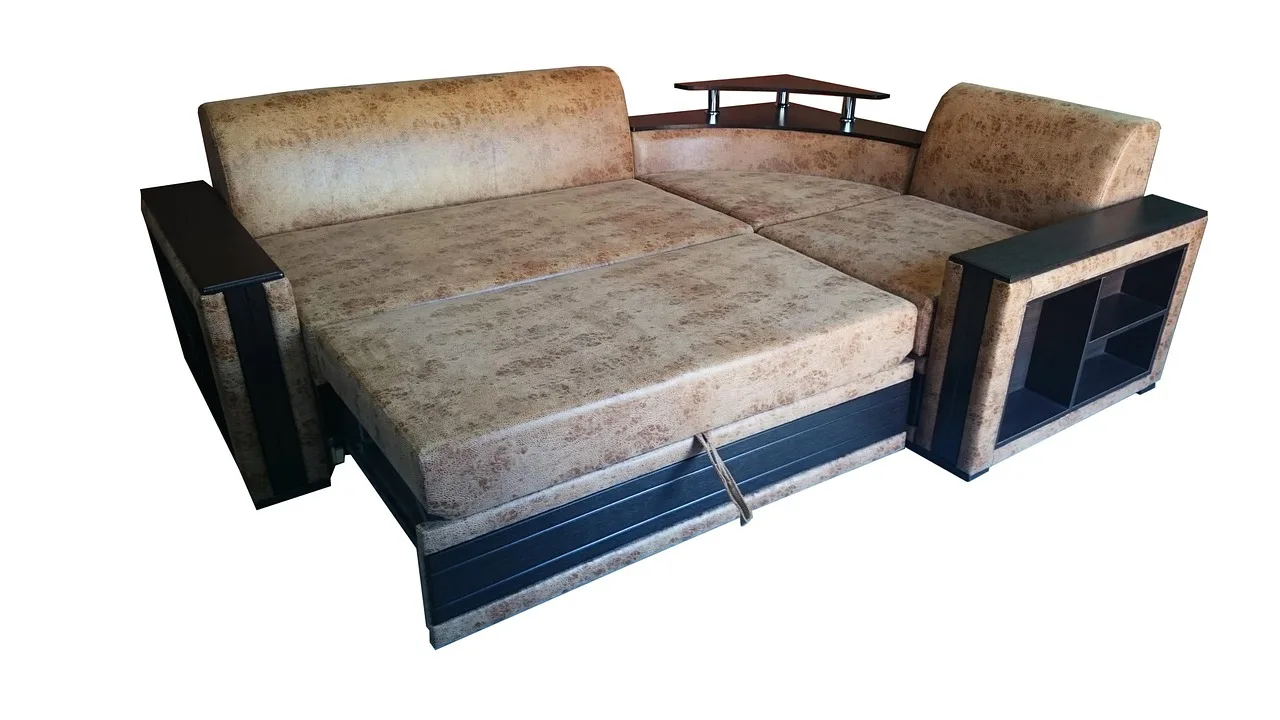

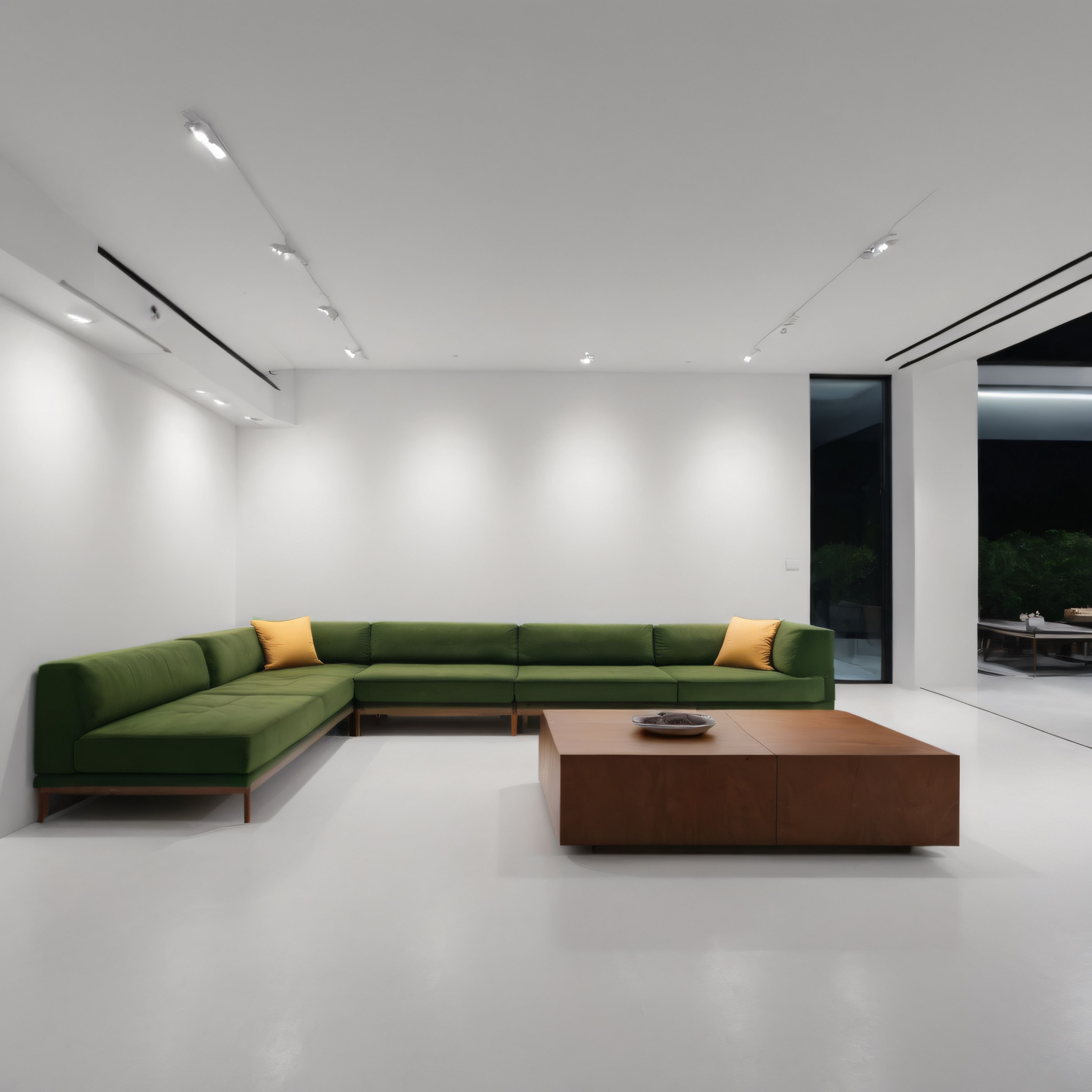
Çekim Tablosu
Belirtme (-i)Köse'yi
Yönelme (-e)Köse'ye
Bulunma (-de)Köse'de
Çıkma (-den)Köse'den
Tamlayan (-in)Köse'nin
Çoğul (-ler)Köseler
Tanım
•(mecaz) Kimsenin kolay kolay uğramadığı yer:
•Birbirini kesen iki çizginin, iki düzlemin oluşturduğu açı; zaviye.
•bıyığı, sakalı çıkmayan
•Bölüm, yer veya yan:
•Futbol, hentbol ve su topunda kale çizgilerinin kesişme noktalarından her biri; korner.
•Gümüşhane iline bağlı bir ilçe belediyesi.
•Gümüşhane ilinin bir ilçesi.
•İki duvarın birleştiği girintili veya çıkıntılı yer:
Atasözü & Deyim
“Her sakaldan bir tel çekseler köseye sakal olur”
“Kele köseden yardım olmaz”
Diğer Dillerde
AlmancaAngel, angeln, Aussenecke, Blickpunkt, Blickwinkel, Ecke (dişil)
singular imperative of angeln
çekim: çoğul Angeln · tamlayan Angeln
eş: Erl
köken: From Middle High German angel, from Old High German angul, from Proto-Germanic *angulō, *angô, from Proto-Indo-European *h₂enk- (“something bent, hook”). Compare Dutch angel, hengel, English angle.
aile: angeln, aus den Angeln heben, Fensterangel, Fischangel, Fußangel, Laufangel, Magnetangel, Sperrangel, Torangel, Türangel
Ecke 2 — 2. Köşe
Auch die Angeln an den Türen des inneren Hauses, des Allerheiligsten, und an den Türen der Tempelhalle waren aus Gold.
Fransızcaacculer, angle, coin, cornériser, manœuvrer, piéger /a.ky.le/
to corner someone, to prevent retreat or escape
çekim: geçmiş acculé · ortaç acculé · şimdiki accule · ulaç acculant
köken: From a- + cul + -er.
Coin 1 — 1. Köşe
to corral, to corner
çekim: geçmiş acorralé · ortaç acorralado · şimdiki acorrala
eş: encorralar
köken: From a- + corral + -ar.
aile: acorralamiento
Esquina 1 — 1. Köşe
İtalyancaAnglo, angolo, angolo sporgente, chiave di lettura, pietra d'angolo, punto di vista (eril) /ˈan.ɡlo/
Anglian (of the Angles) · English
çekim: çoğul angli
Angolo 2 — 2. Köşe
Rusçaбезусый и безбородый, угол (eril) /ˈuɡəɫ/
corner · angle · dwelling, quarters
çekim: çoğul углы́ · tamlayan угла́
eş: выступ, пересечение, пристанище, приют, обиталище, обитель
köken: Inherited from Proto-Slavic *ǫgъlъ, from Proto-Indo-European *h₂engulos (“joint?”), from *h₂eng- (“corner”).
aile: углова́тый, углово́й, -уго́льник, уго́льник, уго́льный, -уго́льный, во главу́ угла́, во главе́ угла́, гнило́й у́гол, кра́сный у́гол
Угол 1 — 1. Köşe
заверну́ть за́ угол
Arapçaرُكْن, زَاوِيَة
زاوية 1 — 1. Köşe
Azericebucaq, guşə, künc, nəzər nöqtəsi, nöqteyi-nəzər /buˈd͡ʒɑx/
angle
çekim: çoğul bucaqlar · tamlayan bucağın
köken: From Proto-Turkic *būč-gak, from Proto-Turkic *būč- or Proto-Turkic *bïč-. Cognate with Turkish bucak, Chuvash пӗҫмех (pĕśmeh).
aile: beşbucaqlı, düzbucaq, düz bucaq, düzbucaqlı, üçbucaq, dördbucaq
Kazakçaбұрыш /bʊˈrəʃ/
bell pepper, Capsicum annuum
çekim: çoğul бұрыштар · tamlayan бұрыштың
köken: Etymology tree Sanskrit मरिच (marica) Sanskrit मरीच (marīca) Urdu مِرْچ (mirc)bor. Hindi मिर्च (mirc)bor. Classical Persian مُرْچ (murč)bor. Kazakh бұрыш From Classical Persian مُرْچ (murč), from Hindustani مِرْچ (mirc) / मिर्च (mirc), ultimately from Sanskrit मरिच (marica). Cognate with Bashkir борос (boros), Kyrgyz мурч (murc), Uzbek murch, Turkmen burç (“pepper”).
Tatarcaмөеш, почмак
angle, a figure formed by two rays which start from a common point · corner, nook, the space in the angle between converging lines or walls which meet in a point
aile: өчпочмак
Felemenkçehengelen, hoek, invalshoek, standpunt /ˈɦɛ.ŋə.lə(n)/
to angle, to fish with a fishhook on a line on a rod · to fish for information or some reaction
çekim: geçmiş hengelden · ortaç gehengeld · şimdiki hengelt · ulaç hengelend
köken: From Middle Dutch hengelen, equivalent to hengel (“fishing rod”) + -en. The fishing sense is influenced by Dutch angel (“fishhook”), Middle Dutch angelen (“to pierce with a hook”). Compare also hengelroede (“fishing rod”) with dialectal or obsolete Dutch angelroede (“fishing rod”), German Angelrute (“fishing rod”).
aile: gehengel, hengelaar
Hoek 2 — 2. Köşe
Portekizceangla, ângulo, canto, dobrar, encurralar, pescar (com linha) (dişil) /ˈɐ̃.ɡlɐ/
feminine singular of anglo
çekim: çoğul anglas
Canto 1 — 1. Köşe
το ακριανό μέρος ενός χώρου, ο χώρος που σχηματίζεται ανάμεσα σε γειτονικές πλευρές ή επιφάνειες
Γωνία 2 — 2. Köşe
corner · An area of interest or specialization · One of the corners of the strike zone
köken: From English corner.
頂点 1 — 1. Köşe
喫煙コーナー
ATMコーナー
スポーツコーナー
alternative form of 과객(過客) (gwagaek, “visiting passerby, traveler”)
köken: Dialectal pronunciation or nativisation of the Sino-Korean term 과객 (過客, gwagaek, “visiting passerby”). Compare Northern Gyeongsang 과각 (gwagak).
색상 — 1. Köşe:
그 묘지가 바로 요 마을 뒤에... 어느 가각이 지나가면서...
İsveççefiska efter, hörn, hörna, knut, korsning, meta (nötr)
a corner; the point where two converging lines meet; an angle, either external or internal. · a corner; the space in the angle between converging lines or walls which meet in a point; the point where two walls meet · a corner; an intersection of two streets; any of the four outer points off the street at that intersection.
çekim: çoğul hörns · tamlayan hörns
köken: From Old Norse hyrna, from Proto-Germanic *hurnijǭ.
Hörn 1 — 1. Köşe
Från jordens alla hörn
LehçeAngl, kącik, kąt, miara kąta, punkt widzenia, róg
członek plemienia germańskiego zamieszkującego od V do VI wieku Brytanię
Róg 1 — 1. Köşe
Ukraynacaву́гол, заганя́ти в кут, заганя́ти у ву́гол, заганя́ти у глухи́й кут, за́куток, кут /kut/
corner · angle
çekim: çoğul кути́ · tamlayan кута́
köken: From Proto-Slavic *kǫtъ.
Кут 2 — 2. Köşe
Hintçeआंग्ल, कोण, कोना, दृष्टिकोण, नुक्कड़ (eril) /ɑːŋ.ɡlᵊ/
Anglo · English
çekim: çoğul आंग्लों
köken: Derived from English anglo
aile: आंग्ल अमरीकी, आंग्ल भारतीय, आंग्लदेश, आंग्लभाषा, आंग्लिक
Finceahdistaa nurkkaan, ajaa nurkkaan, kääntää, kääntyä, kadunkulma, kantti /ˈkæːntæːˣ/
to turn, reorient (change the direction or orientation of); to turn (around), reverse, invert · to corner (turn around a corner) · to invert (word order)
çekim: geçmiş kääntänyt · şimdiki kääntäisi · ulaç kääntävä
köken: From Proto-Finnic *käntädäk (“to turn; to bend”) (compare Estonian käänama, Veps käta). Semantic development * (to turn): From Proto-Finnic or earlier. * (to invert): Semantic loan from Latin invertō. * (to bend, fold): At least from Proto-Finnic. * (to translate): Attested since the time of Mikael Agricola (output c. 1543–1552). Probably figuratively from “to turn” (compare Latin vertō (“to…
aile: käänteinen, käänne, käännin, käännös, kääntäjä, kääntäminen, kääntö, Kääntä, käännellä, käännähtää
Kulma 2 — 2. Köşe
kääntää ympäri
Käännä vipua myötäpäivään.
Kun hän käänsi pullon ympäri nukkuvan siskonsa päällä, korkki pullahti irti.
corner (the space in the angle between converging lines or walls which meet in a point)
çekim: çoğul kouty · tamlayan kouta
eş: roh, úhel, vingl, konec světa, kraj
köken: Inherited from Old Czech kút, from Proto-Slavic *kǫtъ. Compare Serbo-Croatian kut and Polish kąt
aile: kout pikle, kout železo dokud je žhavé
Roh 2 — 2. Köşe
Rumencecolț, cotire, cotitură, pescui, punct de vedere, ungher (nötr)
corner, nook · angle · heel (end-piece of a loaf of bread)
çekim: çoğul colțuri · tamlayan colțului
köken: Borrowed from Old Church Slavonic кольць (kolĭcĭ), from колъ (kolŭ) + -ьць (-ĭcĭ), from Proto-Slavic *kolъ. Compare Bulgarian колец (kolec), Serbo-Croatian kòlac.
Colț 1 — 1. Köşe
Macarcaangli, csücsök, hajhász, horgászik, nézőpont, pályázik /ˈt͡ʃyt͡ʃøk/
corner, tip
çekim: çoğul csücskök
aile: csücskös, csücskű, szíve csücske
2. sarok — 2. Köşe
angle · point of view
çekim: çoğul זוויות
köken: Cognate with Aramaic זָוִיתָא and Arabic زَاوِيَة (zāwiya).
aile: זווית התקפה, זָוִית הַתְקָפָה, זווית חדה, זָוִית חַדָּה, זווית ישרה, זָוִית יְשָׁרָה, זווית קהה, זָוִית קֵהָה, זווית שטוחה, זָוִית שְׁטוּחָה
פינה 1 — 1. Köşe
LatinceAngliī, angulus /ˈaŋ.ɡʊ.ɫʊs/
An angle. · A corner. · A retired, unfrequented place, a nook, corner, lurking place.
çekim: çoğul angulī · tamlayan angulī
köken: From Proto-Italic *angulos, from Proto-Indo-European *h₂engulos (“joint?”), from *h₂eng- (“bend, curve”). Cognates include Sanskrit अङ्गुरि (aṅgúri, “finger, toe”), Ancient Greek ἀγκύλος (ankúlos, “crooked, curved”), Old High German enchil (“ankle, joint”), Icelandic ekkja and Old Church Slavonic ѫгълъ (ǫgŭlŭ, “angle”).
aile: angulāris, angulātus, angulōsus, multangulus, quadrangulus, quadriangulus, quinquangulus, septangulus, sexangulus, triangulis
Dancaangler, hjørne, perspektiv, synspunkt, synsvinkel, vinkle /jœrnə/
corner · nook · niche
çekim: çoğul hjørner · tamlayan hjørnes
köken: From Old Norse hyrna f, *hyrni n (not attested in Classical Old Norse, but in Middle Norwegian), from Proto-Germanic *hurnijǭ f, *hurniją n.
Hjørne 1 — 1. Köşe
Det ville svare til, at nedenstående graf har en ▻Eulertur, hvilket den ikke har, idet ikke hvert hjørne har lige valens...
Endonezcesudut, sudut pandang /ˈsu.dʊt/
corner · angle: · a viewpoint; a way of looking at something. The focus of a news story
çekim: çoğul sudut-sudut
köken: Inherited from Malay sudut.
aile: bersudut, disudutkan, ditersudutkan, ketersudutan, menyudut, menyudutkan, tersudut, tersudutkan, sudut alas, sudut datar
Nol- Dipojokkan — Sıfır Köşeli
(Standard Malay)
a corner (space in the angle between converging lines or walls) · an angle · a piece of something, having a corner-like shape
köken: Non-Sino-Vietnamese reading of Chinese 角 (SV: giác).
aile: cái răng cái tóc là góc con người, chân trời góc bể, chân trời góc biển, gai góc, góc bẹt, góc bể chân trời, góc biển chân trời, góc bù nhau, góc cạnh, góc độ
Góc 2 — 2. Köşe
một góc bánh chưng
Etimoloji
Farsça fa (fa) (gôşe)
Kelime Ailesi
Eş & Zıt Anlamlılar
Örnek Cümleler
1. Köşe
Corner 1
2. Köşe
Corner 2
1. Köşe:
Corner:
2. Köşe:
Corner 2:
Şu köşede.
[ANATSUl] ...In the corner.
Köşede dur.
Stop at the corner.
Köşegen bu.
This was the main diagonal right here.
Çok köşeler
Poly corners
O köşededir.
It's at the corner.
Sıfır Köşeli
Zero-Cornered
Ark kosekant
Arc cosecant
Köşe noktası
Corner point
İlgili Sorular
Alt dudakta köşe dışı derin bir yırtık var, nasıl iyileşir?
Alt dudağımda köşe dışı ciddi bir yırtık var, ne önerirsiniz?
Alt dudağımda köşe dışı derin bir çatlak var, ne yapmalıyım?
Darrent Williams'ın (Broncos köşe bekçisi) üniversite yıllarındaki Fresman istatistiklerini nereden bulabilirim?
Darrent Williams'ın (Broncos köşe bek) kolej yıllarındaki Fresman verileri nerede bulunur?
İlgili / Bileşik Terimler
Genelcornerstone
Genelcolumnist
Sporcorner kick
Genelcorner kick