Sözlük
/civciv
civciv
"civciv" kelimesinin İngilizcesi: chick, chick, chick. Anlamı, çevirisi, telaffuzu ve örnek cümleler aşağıdadır.
Çeviri
Genelchick
Genelchick
Genelchick
Görsel

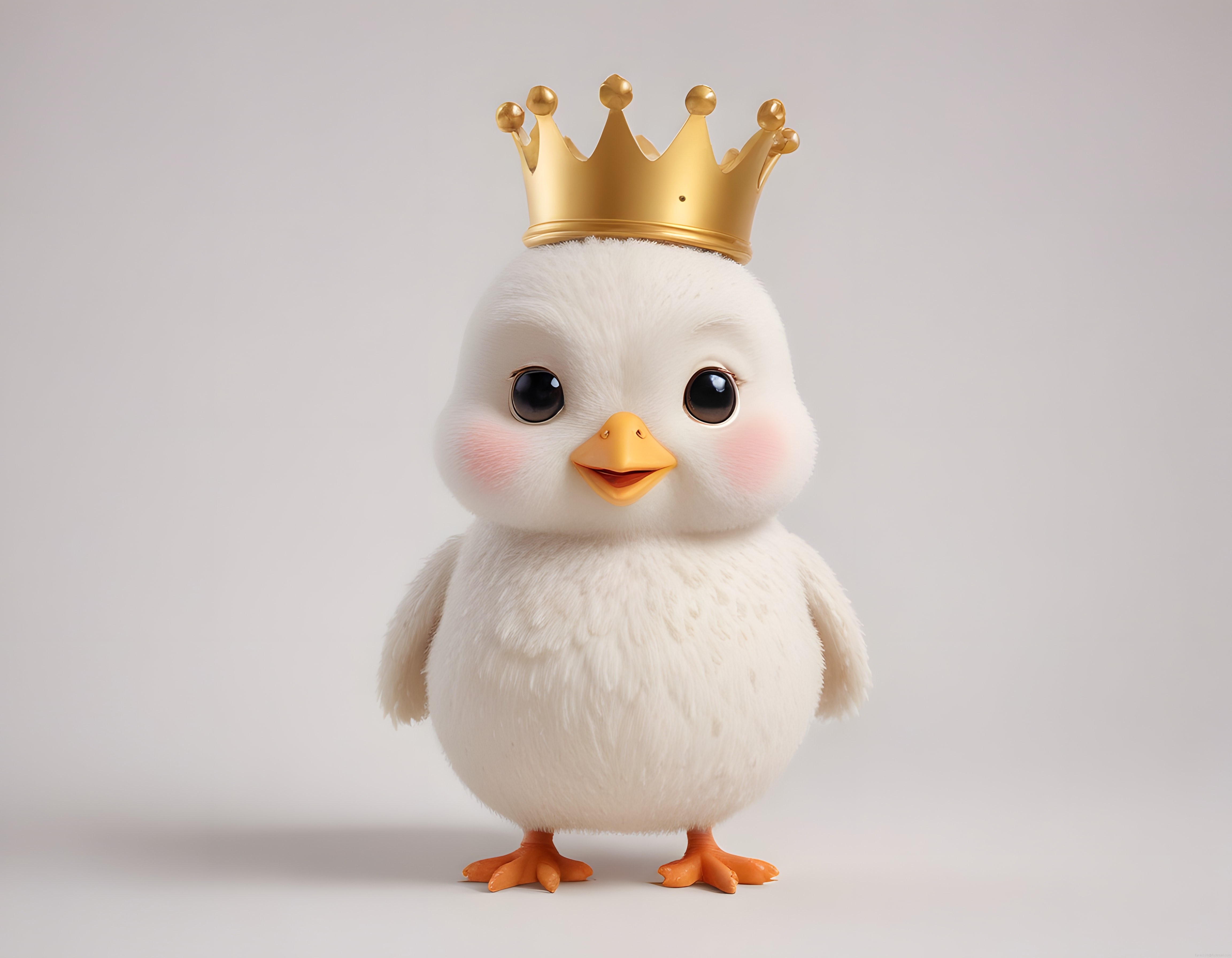


Çekim Tablosu
Belirtme (-i)civcivi
Yönelme (-e)civcive
Bulunma (-de)civcivde
Çıkma (-den)civcivden
Tamlayan (-in)civcivin
Çoğul (-ler)civcivler
Tanım
•isim: Kümes hayvanlarının yumurtadan yeni çıkmış yavrusu; cücük
•mecaz: Acemi, meslekte yeni olan (kimse)
Atasözü & Deyim
“Ufak at da civcivler yesin”
Diğer Dillerde
chick (young bird), fledgling, hatchling, squab (of a pigeon or dove)) · the youngest in a group · plug (as in a cask)
çekim: tamlayan Kükens
eş: Küchlein, Pipperl, Vogeljunges
köken: Via German Low German from Middle Low German kuken, from Old Saxon *kiukīn, from Proto-West Germanic *kiukīn (“chicken”). Cognate with Dutch kuiken, English chicken. A related form is Middle High German kuchil, whence now obsolete Küchlein.
aile: Adlerküken, Albatrosküken, Amselküken, Araküken, Bartgeierküken, Brandentenküken, Brieftaubenküken, Brillenpinguinküken, Bussardküken, Diamanttäubchenküken
Granit und Schiefer liegen massenweise zutage. — Yumurta ve civcivler, büyük ölçüde gizlidir.
Fransızcanana (dişil) /na.na/
chick, bird (especially when attractive)
çekim: çoğul nanas
eş: bimbo, chick, gonzesse, minette, nénette, ninette
köken: Diminutive form of Anna, Anne, popularised after Émile Zola's 1880 novel Nana.
[Jardin Mystérieux - 44m] — Sezon sonu! Satılık civcivler!"
İspanyolcachica, muchacha, pichón, pollito, pollo, polluelo (dişil) /ˈt͡ʃika/
female equivalent of chico: girl · gal, chick · A spice made from the Sobralia orchid.
çekim: çoğul chicas
aile: chica trans
Las Negras mueven primero. — Civcivleri ilk başta siyahtır.
İtalyancagnocca, pollastra, pulcino (dişil) /ˈɲɔk.ka/
a pussy, a cunt · a dish, a babe, a doll, a fox, a piece of ass, a bit of skirt, a bit of totty
çekim: çoğul gnocche
eş: fica
köken: Feminized version of gnocco.
E per prima cosa di che colore sono i negri? — Civcivleri ilk başta siyahtır.
Rusçaцыплёнок /t͡sɨˈplʲɵnək/
chick, young chicken
çekim: çoğul цыпля́та · tamlayan цыплёнка
eş: цыплятина
aile: цыпля́чий, Proverbs, цыпля́т по о́сени счита́ют
Первыми ходят чёрные. — Civcivleri ilk başta siyahtır.
الدجاج الكوري جاهز للطلب .....الموسم انتهى — "Kore tavukları emrinizde! Sezon sonu! Satılık civcivler!"
Farsçaجوجه /d͡ʒuː.ˈd͡ʒa/
chick (baby bird) · chicken · cub, young
çekim: çoğul جوجهها
köken: Probably from Sogdian [script needed] (cwzʾkk /čužăk/, “chick”). Compare the related Turkish civciv (“chick”), which could be imitative.
چوچه پاندا (Dari)
slattern, hussy, floozie, loose girl, an easy-to-get girl, chick · a fellow female musician
çekim: çoğul civilər · tamlayan civinin
köken: Possibly from a form related to Romani ʒuvli (“woman, lady”) found in the regional Romani variety, i.e. from Domari džuwir (“woman”), as per Nishanyan's latest consideration. Compare also Northern Kurdish cewr, dialectal Turkish cıvır (“woman”).
Sözlü növbə çatdı Elmir, Asəfə. Bomba civiyə yaxınlaşıb bir dəfə
Göbəyi açıq, yubkası ağ.
Bu muskullu civilər bizdən nə istəyir?
Kazakçaбалапан /bɑɫɑˈpɑn/
chick (young bird)
çekim: çoğul балапандар · tamlayan балапанның
köken: Inherited from Proto-Turkic *bālapan, derived from *bāla.
aile: балапанша
Felemenkçekuiken (nötr) /ˈkœy̯.kə(n)/
chick, the hatched young of a bird, especially fowl
çekim: çoğul kuikens
köken: From Middle Dutch kuken, kiken, from Old Dutch *kiukīn, originally from Proto-West Germanic *kiukīn.
aile: eendenkuiken, kuikensekser, piepkuiken, uilskuiken
De ster is op dat moment zwart. — Civcivleri ilk başta siyahtır.
Portekizcefilhote de ave, franguinha, garota, pintainho, pintinho, pinto (dişil) /fɾɐ̃ˈɡĩ.ɲɐ/
diminutive of franga · female chick · chick (young woman)
çekim: çoğul franguinhas
O segundo ovo choca por volta do 34º dia após a postura. — İkinci yumurta yapıldıktan yaklaşık 34 gün sonra civciv çıkar.
Yunancaγκόμενα, κλωσσοπουλάκι, κλωσσόπουλο, κοτοπουλάκι, νεαρό πουλί, νεοσσός (dişil) /ˈɡomena/
girlfriend (female partner in an unmarried romantic relationship) · babe, hottie, doll (attractive young woman)
çekim: çoğul γκόμενες · tamlayan γκόμενας
eş: ερωμένη, κοπελιά, φιλενάδα
köken: From Italian gommeno, from French gommeux (“dandy”).
aile: γκομενίτσα, γκομενάκι, γκομενάρα, γκομενάκιας, γκομενιάρης, γκομενίζω
Προέκυψε από τις συζητήσεις που κάναμε για το Pirate Bay. — Pirate Bay'in civcivli zamanında yaptığımız tartışmalardan ortaya çıktı.
Η Ασπασία είναι η γκόμενα του Μάκη.
Κοίτα εκεί μια γκόμενα, πω πω πω.
chick, baby chicken
köken: Of native Korean origin. A derivative of Middle Korean 비〮육 (pí.ywùk, “chick”).
aile: 논병아리, 병아리색, 병아리콩
TPB에 대한 토의중에 나온 아이디어에요 — Pirate Bay'in civcivli zamanında yaptığımız tartışmalardan ortaya çıktı.
İsveççebrud, fågelunge, tjej /brʉːd/
a bride · a girl, a chick, a babe
çekim: çoğul brudar · tamlayan bruds
köken: From Old Swedish brūþ, from Old Norse brúðr (“bride”), from Proto-Germanic *brūdiz.
Ynglen är i början svarta. — Civcivleri ilk başta siyahtır.
brud och brudgum
en snygg brud
motorcyklar och öl och brudar
Lehçekurczak, kurczątko, laska, pisklę (eril) /ˈkur.t͡ʂak/
juvenile chicken (domestic fowl) · chicken (meat)
çekim: çoğul kurczaki · tamlayan kurczaka
eş: kurczę, kurak, kogucik
Nasuneło mi się to w trakcie dyskusji w TPB. — Flattr. Pirate Bay'in civcivli zamanında yaptığımız tartışmalardan ortaya çıktı.
Ukraynacaкурча́, курча́тко, пташа́, пташеня́
Уперше згадується Чернігів. — Civcivleri ilk başta siyahtır.
Hintçeचूज़ा (eril) /t͡ʃuː.zɑː/
chick, young chicken
çekim: çoğul चूज़े
köken: Borrowed from Classical Persian چوزه (čūza).
Fincekananpoika, linnunpoika, linnunpoikanen, tipu, typykkä, tytsy /ˈkɑnɑnˌpoi̯kɑ/
chick, pullet, chicken (young hen) · chicken (meat of young hen)
çekim: çoğul kananpojat · tamlayan kananpojan
eş: broileri
köken: kanan (“hen's”, genitive) + poika (“young”)
aile: syöttökananpoika
Uudet versot ovat aluksi tummanpunaisia. — Civcivleri ilk başta siyahtır.
cat (domestic animal) · attractive woman
çekim: çoğul kočky · tamlayan kočky
eş: číča, micka, šťabajzna, kus, kocour, želva
köken: Inherited from Old Czech kočka, from Proto-Slavic *kòťьka.
Vyplynulo to s diskuse, kterou jsme měli ohledně Pirate Bay. — Pirate Bay'in civcivli zamanında yaptığımız tartışmalardan ortaya çıktı.
hrát si jako kočka s myší
female lover; chick, broad
çekim: çoğul gagici · tamlayan gagice
köken: From gagiu + -ică, from Romani gaʒo
A apărut de pe urma discuţiilor avute în cadrul The Pirate Bay. — Pirate Bay'in civcivli zamanında yaptığımız tartışmalardan ortaya çıktı.
Macarcacsaj, csibe, fióka, kiscsibe, kiscsirke, kismadár /ˈt͡ʃɒj/
a Romani girl · a girl · a woman
çekim: çoğul csajok
köken: Borrowing from Romani ćhaj (“girl”).
[Titkos Kert, 44 m] — Sezon sonu! Satılık civcivler!"
İbraniceאֶפְרוֹחַ, אֶפְרוֹחַ m or פַּרְגִּית, גּוֹזָל, פרגית, צ׳וּצָ׳ה (dişil)
pullet, spring chicken · boneless chicken meat · chick (young woman)
çekim: çoğul פרגיות
זה נבע מדיונים שעשינו .במהלך מפרץ הפיראטים — Pirate Bay'in civcivli zamanında yaptığımız tartışmalardan ortaya çıktı.
Latincepullus /ˈpʊl.lʊs/
any young animal, young, especially · any young animal, young, especially: · a foal
çekim: çoğul pullī · tamlayan pullī
köken: Disputed; two etymologies are plausible: * From Proto-Italic *polnos, from Proto-Indo-European *polH-on- (“offspring, (animal) young”); compare Ancient Greek πῶλος (pôlos, “foal; young girl”), Proto-Germanic *fulô (“foal”), Albanian pjellë (“child”) and pelë (“mare”), Old Armenian ուլ (ul, “kid, fawn”). The verbal root is likely found in Albanian pjell (“to beget”), which implies a connection to…
aile: pullārius, pullastra, pullicēnus, pullīnus, *pulliō, pullō, pullulus
bene erat non piscibus urbe petitis, / sed pullo atque haedo
Dancafugleunge, kylling, pigebarn, sild, ungfugl (nötr)
a chick, (baby bird)
çekim: çoğul fugleunger · tamlayan fugleunges
köken: From fugl + -e- + unge.
Det kom ud af de diskussioner vi havde med the Pirate Bay. — Pirate Bay'in civcivli zamanında yaptığımız tartışmalardan ortaya çıktı.
Endonezceanak ayam
Akhir musim, ayam muda diskon! — Sezon sonu! Satılık civcivler!"
Bulgarcaма́цка, пиле, пи́ле, пи́ленце (nötr) /ˈpilɛ/
chicken, chick · pullet · small bird
çekim: çoğul пи́лета
köken: From Proto-Slavic *pilę.
- Тя се роди от няколко дискусии в "Пиратският Залив". — Pirate Bay'in civcivli zamanında yaptığımız tartışmalardan ortaya çıktı.
Etimoloji
From Ottoman Turkish جیوجیو (civciv, “cry of a young bird; young bird”). Probably imitative. In pre-Ottoman writing (Ahmedî, İskendernâme) as [script needed] (cūje), and similarly in Persian, as جوجه (juje). Compare Armenian ճիվճիվ (čivčiv), ծիվծիվ (civciv, “cry of a bird”), Bulgarian джив-джив (dživ-dživ), Macedonian џив-џив (dživ-dživ).
Eş & Zıt Anlamlılar
Eş anlamlılar
Örnek Cümleler
O bir civciv aldı.
She bought a baby chick.
Parti en civcivli döneminde.
The party is in full swing.
Civciv cik cik diye ses çıkarır.
The chick peeps.
Tavuğun sekiz tane civcivi vardır.
The hen has eight chicks.
Tom civcivleri bir karton kutuya koydu.
Tom put the chicks in a cardboard box.
Tavuğun civcivleri yumurtadan çıkıyorlar.
The hen's chicks are hatching.
Bu yumurtalardan biri henüz civciv çıkarmadı.
One of these eggs hasn't hatched yet.
Sezon sonu! Satılık civcivler!" Gizemli Bahçe
[Mysterious Garden 44 m] <Mysterious Garden>
Azerbaycan posta pulu (2012) Bir günlük civciv.
Caroline Stoessinger (2012) A Century of Wisdom.
Gerçekten hızlı arabalar ve civciv şarkıları değiliz.
We're not really the fast cars and chicks songs.
Her iki ebeveyn de civcivleri beslemeye yardımcı olur.
Both parents assist in feeding the chicks.
İncil'e göre, pelikan civcivlerini kendi kanıyla besledi.
According the bible, the pelican fed its chicks with its own blood.
Birleşik Kelimeler
civciv sarısı