Sözlük
/çubuk
çubuk
/tʃu.buk/
name
C1 seviye
TR → EN
"çubuk" kelimesinin İngilizcesi: bar, pipe, rod, stave, stripe. Anlamı, çevirisi, telaffuzu ve örnek cümleler aşağıdadır.
Çeviri
Genelbar
Genelpipe
Genelrod
Genelstave
Genelstripe
Genelswitch
Genelwand
Genelwattle
Genelchibouk
Genelstick
Genelchibouk
Genelstick
Genelchibouk
Genelstick
Görsel
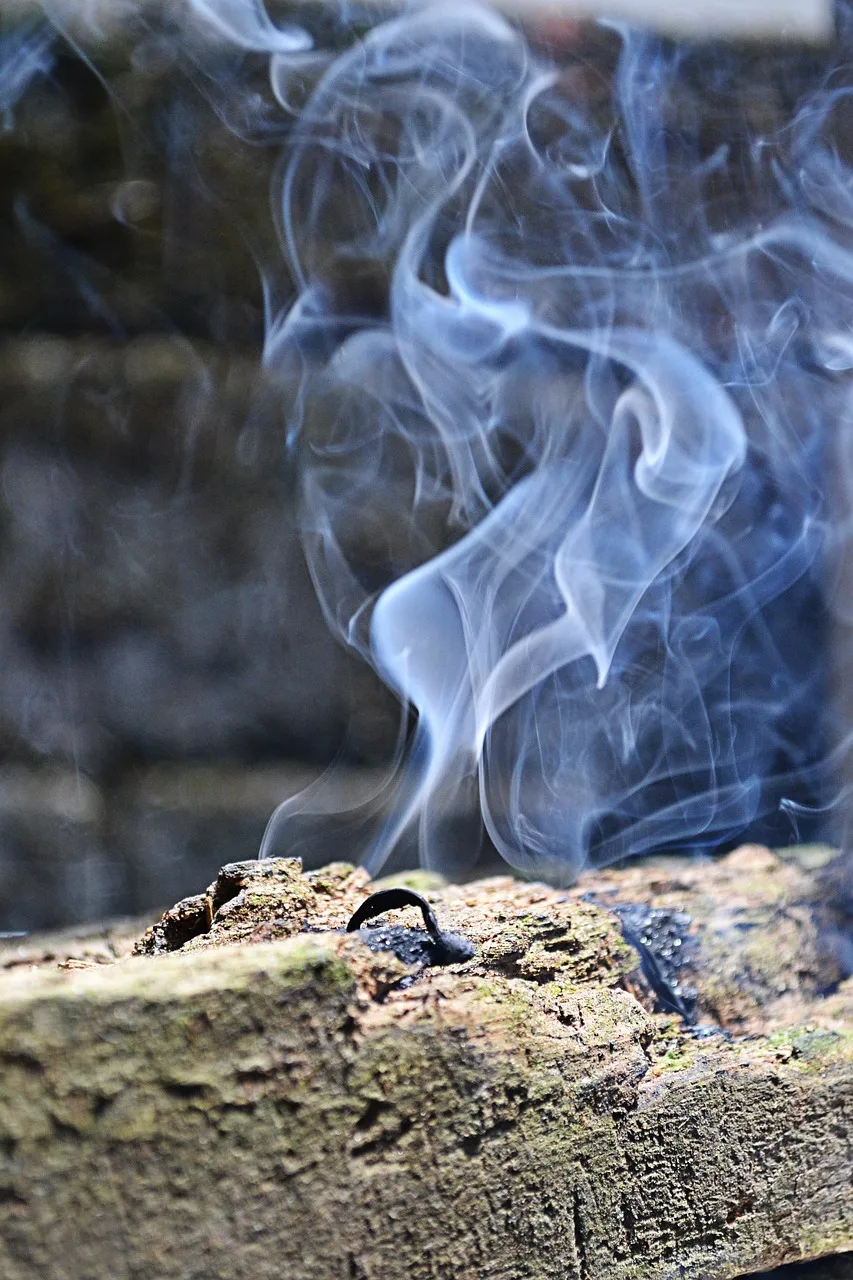
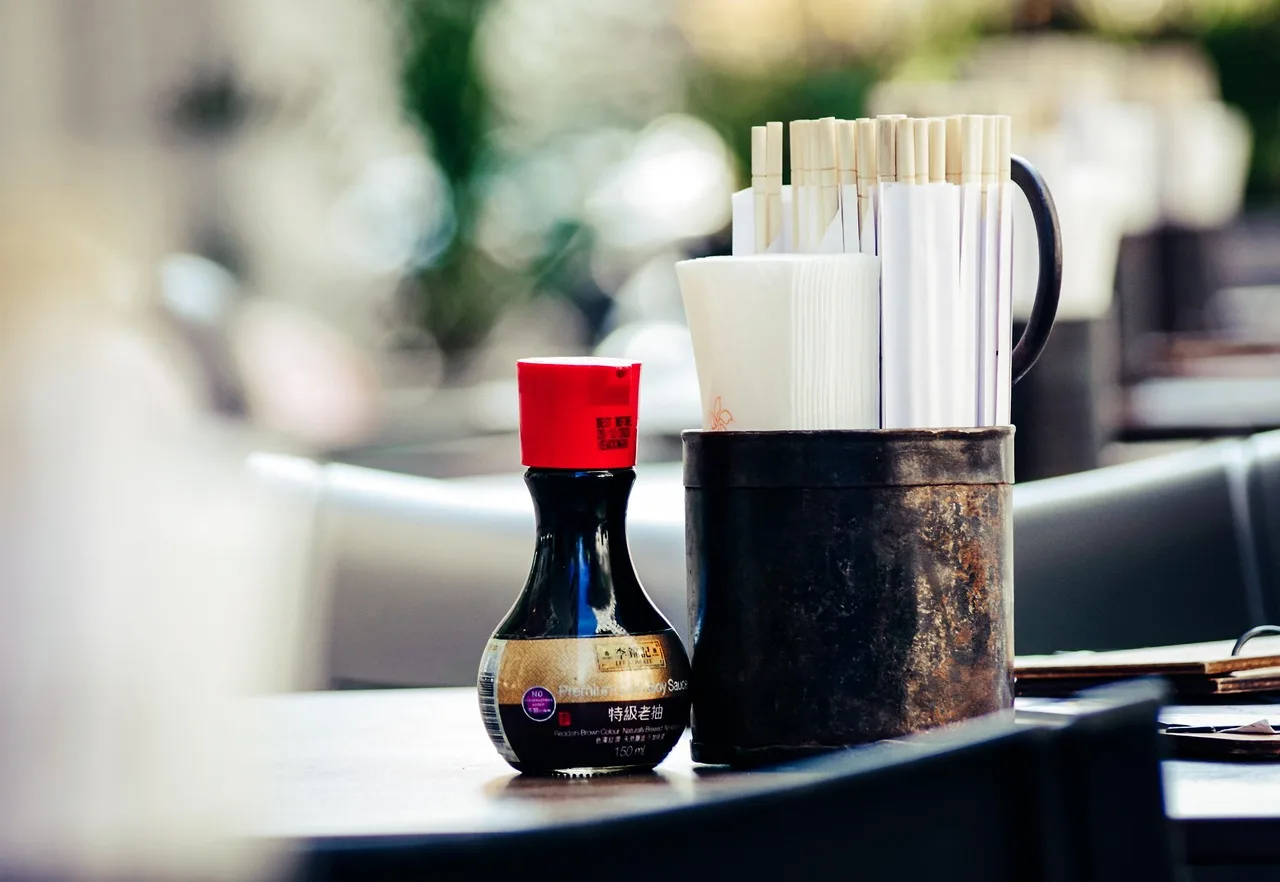
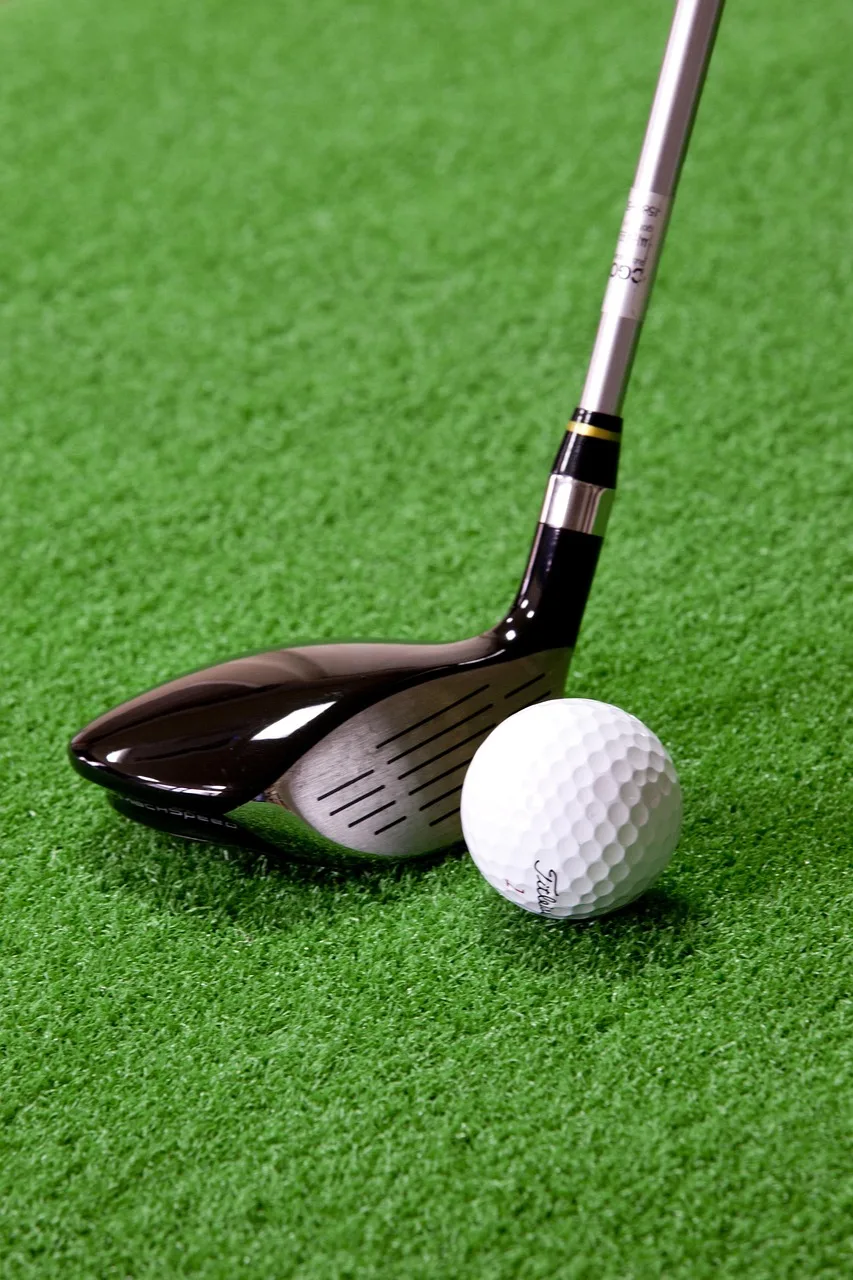

Çekim Tablosu
Belirtme (-i)çubuğu
Yönelme (-e)çubuğa
Bulunma (-de)çubukta
Çıkma (-den)çubuktan
Tamlayan (-in)çubuğun
Çoğul (-ler)Çubuklar
Tanım
•ana direkler üzerine sürülen ikinci ve üçüncü direk parçası
•Ankara iline bağlı bir ilçe belediyesi
•Ankara'nın bir ilçesi.
•değnek biçiminde ince, uzun ve sert olan şey
•Gaziantep ili İslahiye ilçesine bağlı bir köy
•Kastamonu ili İnebolu ilçesine bağlı bir köy
•Konya ili Kadınhanı ilçesine bağlı bir köy
•körpe dal
Diğer Dillerde
to attach, to affix, to pin
çekim: geçmiş heftete an · ortaç angeheftet · şimdiki heftet an · ulaç anheftend
zıt: loslösen
köken: From an- + heften.
aile: Anheftung, anheftend, angeheftet
Untere Leiste anzeigen — Alt çubuk
FransızcaBande, barre, Branche, bâton, verge, baguette, Tuyau de pipe, embout du narguilé
Tuyau de pipe, embout du narguilé.
Barre du bas — Alt çubuk
İspanyolcaabogacía, acertar, achuntar, astilla, atascarse, atinar (dişil) /aboɡaˈθia/
the practice of law; lawyering · advocacy
çekim: çoğul abogacías
köken: Semi-learned borrowing from Medieval Latin advocātia, from Latin advocātus (“attorney”).
Barra inferior — Alt çubuk
İtalyancaAntibari, Antivari, asta, asticella, attaccare, attaccarsi /anˈti.va.ri/
Bar (a city in Montenegro)
köken: Inherited from Ecclesiastical Latin Antivaris, itself from Byzantine Greek Ἀντίβαρις (Antíbaris). Due to its position opposite to the city of Bari, sometimes spelled and read as Antibari, as if it were anti- (“opposite of”) + Bari.
Barra in basso — Alt çubuk
Arapçaإِصْبَع, بَار, حَانَة, عَصًا, عُصِيّ, عِصِيّ
الشريط الأعلى — Alt çubuk
Farsçaچسبیدن /t͡ʃʰæs.biː.d̪ǽn/
to stick, to be stuck, to adhere · to cling, to grasp
çekim: geçmiş چسبید · ortaç چسبیده · şimdiki میچسبد · ulaç چسبنده
köken: Inherited from Classical Persian چسپیدن (časpīdan).
Azericebar, batırmaq, çubuq, meyxana, pivəxana, sancmaq /ˈbɑɾ/
fruit · crop, harvest, yield · fruit (an end result, effect, or consequence)
çekim: çoğul barlar
köken: From Persian بار.
Kazakçaасатаяқ, сойыл, сырахана, таяқ, шыбық
stick (piece of wood) · asatayak (a traditional Kazakh percussion instrument)
çekim: çoğul асатаяқтар · tamlayan асатаяқтың
eş: таяқ, сойыл
köken: From Arabic عَصًا (ʕaṣan, “stick”) + таяқ (taäq, “stick”).
Felemenkçeadvocatuur, baar, balie, ban, barreren, blijven steken (dişil) /ˌɑt.foː.kaːˈtyːr/
the lawyer profession, bar
çekim: çoğul advocaturen
köken: Borrowed from German Advokatur. Equivalent to advocaat + -uur.
Onderbalk — Alt çubuk
YunancaΑντιβάριον, βέργα, δικηγορία, δικηγόροι, Θηβάριον, καπηλειό
κομμένο λεπτό κλαδί χωρίς φύλλα
Γραμμή & κορυφής — Alt çubuk
a stick, such as lipstick or a hockey stick · drumstick
köken: Borrowed from English stick.
ドッキどき? — Çubuk mu?
スティック回し
twig, branch
eş: 수지
köken: First attested in the Seokbo sangjeol (釋譜詳節 / 석보상절), 1447, as Middle Korean 나못가지 (Yale: namwoskaci). Equivalent to 나무 (namu) + -ㅅ- (-s-) + 가지 (gaji).
대만? — Çubuk mu?
attorneyship, lawyership (title, function, or position given to a lawyer) · bar (lawyers collectively)
çekim: tamlayan adwokatury
eş: palestra
köken: Etymology tree Proto-Indo-European *h₂éd Proto-Italic *ad Proto-Italic *ad- Latin ad- Proto-Indo-European *wekʷ-der. Proto-Indo-European *wokʷ-der. Latin vocō Latin advocō Latin advocātuslbor. ▲ German Advokatsl. ▲ French avocatsl. Polish adwokat Proto-Slavic *-ura Polish -ura Polish adwokatura From adwokat + -ura. First attested in 1800.
Górny pasek — Alt çubuk
adwokatura studencka
prawo o adwokaturze
ustawa o adwokaturze
to be stopped, to stop · to be stuck, jammed, entangled · to falter
çekim: geçmiş अटकता · şimdiki अटकता है
köken: Hindi verb set अटकना (aṭaknā) अटकाना (aṭkānā) अटकवाना (aṭakvānā) Etymology tree Proto-New Indo-Aryan *𑀅𑀟𑀇 (*aḍaï) Hindi अटकना Inherited from Proto-New Indo-Aryan *अट्टक्कइ (aṭṭakkaï), from *𑀅𑀝𑁆𑀝- (*aṭṭa-) + -𑀓𑁆𑀓- (-kka-), related to Hindi अड़ना (aṛnā, “to be stubborn”). Ultimately probably derived from Dravidian. Cognate with Punjabi ਅਟਕਣਾ (aṭakṇā), Gujarati અટકવું (aṭakvũ), Marathi अडकणे…
गाड़ी रास्ते में अटक गई।
पेड़ पर मेरी पतंग अटक गई।
बोलते-बोलते अटकना
Finceanniskelupaikka, baari, baarikaappi, baaritiski, bee, epäröidä /ˈɑnːiskeluˌpɑi̯kːɑ/
licensed establishment (bar, pub, restaurant etc. licensed to serve alcohol to the public for immediate consumption at the premises)
çekim: çoğul anniskelupaikat · tamlayan anniskelupaikan
köken: anniskelu (“dispensing”) + paikka (“place”)
Neljä kalteria — Dört çubuk
Çekçečibuk, hůl, větev
Čtyři lišty — Dört çubuk
Macarcaág, bár, bárpult, bárszekrény, beakad, beszorul /ˈaːɡ/
branch
çekim: çoğul ágak
köken: From Proto-Finno-Ugric *šaŋka. Cognates include Northern Mansi таг (tag, “twig, branch”).
aile: áganként, ágas, ágastul, ágazat, ágazik, ágú, ágrólszakadt, faág, iparág, oldalág
Címsor — Alt çubuk
İbraniceבָּאר \ בָּר, בָּר, ידני, מַקֵל, מַקֵּל, סוֹרֵג \ סוֹרָג
manual
köken: יד (yad, “hand”) + ־ני (-ní)
שהיא פיתיון? — Çubuk mu?
LatinceAntibarium, baculum, bastum, caduceus, canaba, caupōna /ˈba.kʊ.ɫũː/
walking stick, cane, staff · sceptre, rod, verge (staff of office) · stick, cudgel
çekim: çoğul bacula · tamlayan baculī
köken: Uncertain, though probably loaned from a non-Indo-European substrate. The term is possibly cognate with Proto-Slavic *bokъ, Proto-Celtic *bakkos, Ancient Greek βάκτρον (báktron), and Proto-West Germanic *pagil. Based on these forms, the Proto-Indo-European root *bak- has been reconstructed. The term could be construed as a derivative of Proto-Indo-European *bak-tlom, although De Vaan postulates a…
aile: bacillum, bacillus, baculāris, imbēcillus
-able
köken: From Middle Low German -bar. Compare Old Norse -bærr.
& Bundlinje — Alt çubuk
Norveççebjelke, bule, drikkested, girspak, hockeykølle, kjepp
Stil for linje — Çubuk biçemi
Endonezcebatang, menempel, ranting, tongkat /ˈbataŋ/
log (the trunk of a dead tree, cleared of branches) · staff, bar (any long, thin object) · branch (any of the parts of something that divides like the branch of a tree)
çekim: çoğul batang-batang
köken: Inherited from Malay batang, from Proto-Malayic *bataŋ, from Proto-Malayo-Polynesian *bataŋ. * Semantic loan from Banjarese for bathing, washing and toilet areas on the river bank are made from large wooden beams tied together to resemble a raft. * Semantic loan from Malay (Riau dialect) for ship steering link. * Semantic loan from Bacanese Malay for a large collection of wood floating in the…
aile: batangan, berbatang, sebatang, batang air, batang bor, batang bunga, batang buruk, batang garing, batang hari, batang hidung
Grafik batang — Çubuk grafik
Bulgarcaбарче, басту́н, забождам, забрана, запазвам се, запрещение /zɐˈbɔʒdɐm/
to stick (in) · to stab · to pin (to, on)
çekim: geçmiş none · ortaç забо́ждан · şimdiki забо́жда · ulaç забо́ждащ
& Долна лента — Alt çubuk
bar (place where alcoholic beverages are sold)
çekim: çoğul bãrai · tamlayan bãro
köken: From English bar.
bar (business licensed to sell intoxicating beverages) · saloon (a tavern) · trolley (shopping cart)
çekim: çoğul bāri · tamlayan bāra
cane, walking stick, stick
çekim: çoğul kepid · tamlayan kepi
köken: From Estonian Swedish käpp.
aile: keppima, keppija, keppar, kepimees, kepitaja
Abū Ḥanīfa, araabia õpetlane ... — İbrahim Agah Çubukçu, Türk akademisyen.
to glue, to stick · to transmit, to infect
çekim: geçmiş apeguí · ortaç apegat · şimdiki apega
köken: From a- + pegar.
Etimoloji
Inherited from Ottoman Turkish چبوق (çibuk, çıbuk, çubuk), from Proto-Turkic *čöpik (“stick, twig”).
Örnek Cümleler
Çubuk mu?
A pound?
Alt çubuk
Bottom & bar
Dört çubuk
Four bars
& Yan Çubuk
& Sidebar
Çubuk grafik
& Bar graph
Top ve Çubuk
Ball and Stick
Yan Çubuklar
Sidebars
Çubukları Çiz
Draw Sticks
Yan ÇubukName
Sidebar
Çubuk Grafiği
Bar Chart
Araç Çubukları
Toolbars
Altın Çubuklar
Gold Bars