tırnak
/tɯɾˈnak/
noun
C1 seviye
TR → EN
"tırnak" kelimesinin İngilizcesi: nail, hoof, nail, fingernail, hoof. Anlamı, çevirisi, telaffuzu ve örnek cümleler aşağıdadır.
Çeviri
Genelnail
Genelhoof
Genelnail
Genelfingernail
Genelhoof
Genelnail
Genelfingernail
Görsel
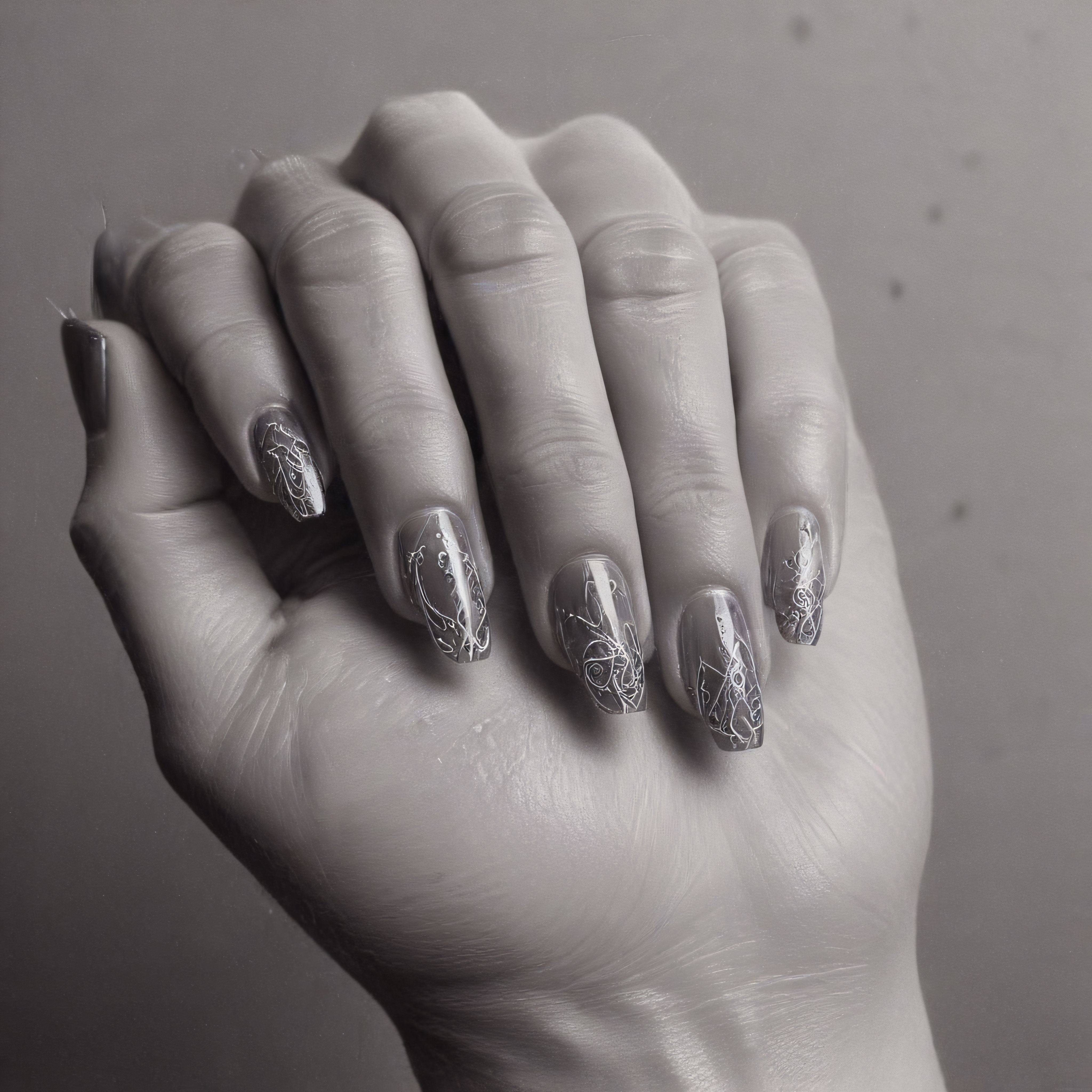
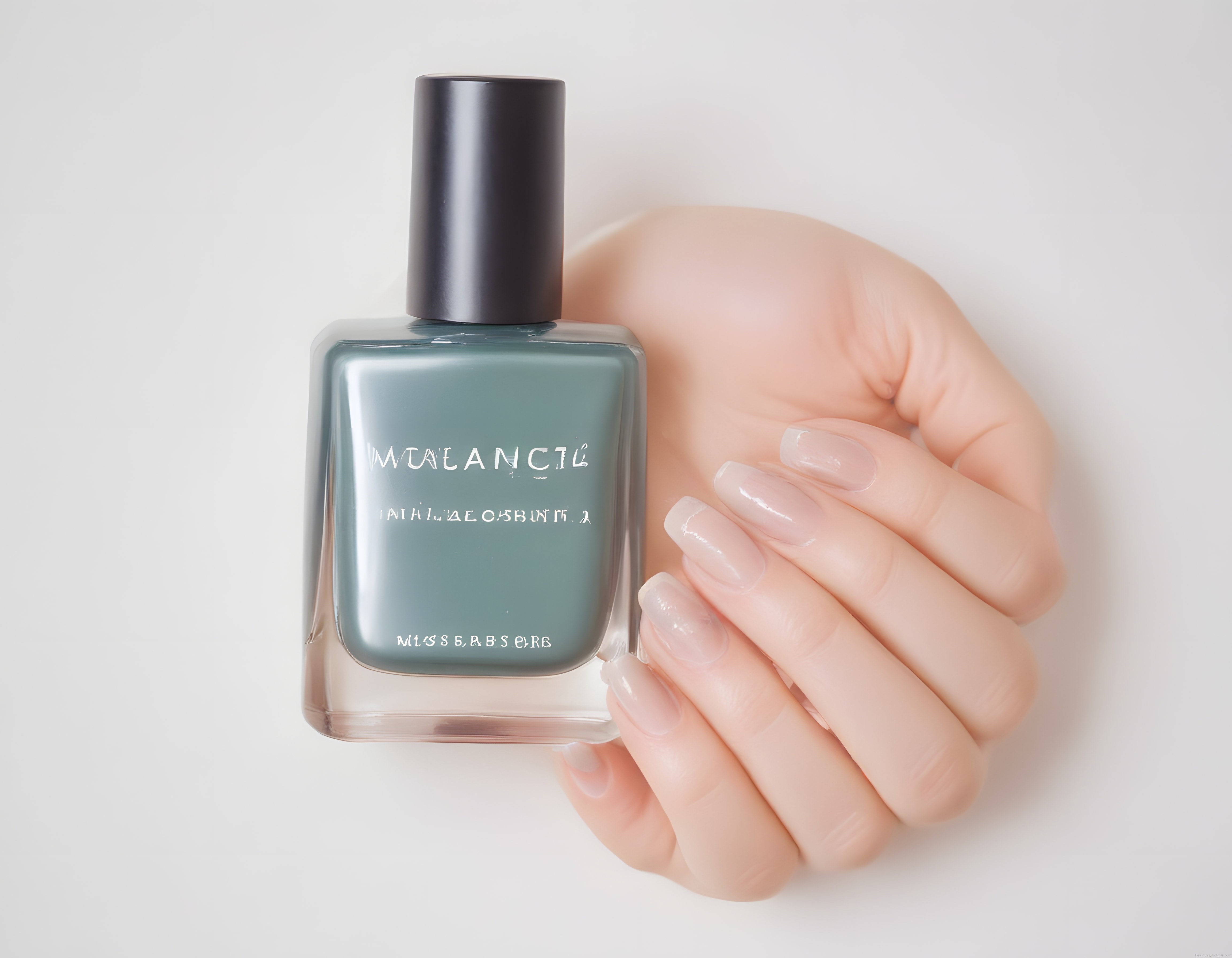

Çekim Tablosu
Belirtme (-i)tırnağı
Yönelme (-e)tırnağa
Bulunma (-de)tırnakta
Çıkma (-den)tırnaktan
Tamlayan (-in)tırnağın
Çoğul (-ler)tırnaklar
Tanım
•ciltçilikte tek yaprakları büküp cildi birleştirebilmek için bir yanında bırakılan şerit durumundaki kenar
•gemi demirinin ucundaki yassı parça
•heykel dökümünde, kalıp parçalarının birleştirilmesinde kolaylık sağlamak amacı ile yapılan dişlerin her biri
•insanda ve birçok omurgalı hayvanda parmak uçlarının dış bölümünü örten boynuzsu tabaka
•kanca gibi araçların kıvrık yeri
•kanun çalmakta kullanılan mızrap
•Mersin ili Gülnar ilçesine bağlı bir köy.
•tenekecilerin delik açmak için kullandığı alet, keski
Atasözü & Deyim
“Etle tırnak arasına girilmez”
“Et tırnaktan ayrılmaz”
“Kurtla ortak olan tilkinin hissesi, ya tırnaktır ya bağırsak”
“İnsan ayaktan, at tırnaktan kapar”
Diğer Dillerde
Almancafingernagel, Fingernagel, nagel (eril) /ˈfɪŋərˌnaːɡəl/
fingernail
çekim: çoğul Fingernägel · tamlayan Fingernagels
eş: Nagel
köken: Finger + Nagel
Doppeltes Anführungszeichen — Çift tırnak
nail, fingernail
çekim: çoğul ongles
köken: Inherited from Old French, from Vulgar Latin *ungla, syncopated form of Latin ungula, from unguis, ultimately from Proto-Indo-European *h₃negʰ-.
aile: bec et ongles, ciseaux à ongles, lime à ongles, onglerie, onglet, rubis sur l'ongle, sur l'ongle, vernis à ongles
Guillements doubles — Çİft Tırnak
İspanyolcaacertar, achuntar, atinar, casco, clavar, clavetear /aθeɾˈtaɾ/
to hit, to hit upon · to be right
çekim: geçmiş acerté · ortaç acertado · şimdiki acierta
eş: descifrar, descubrir, hallar, adivinar
zıt: desacertar
köken: From a- + Latin certus + -ar. Compare English ascertain.
aile: acertado, acertar con, acertijo, piensa mal y acertarás
Comillas dobles — Çİft Tırnak
La bala acertó al policía en la pierna.
¿Cuántas preguntas acertaste? –Ninguna.
El pronóstico del tiempo acertó hoy.
İtalyancachiodo, inchiodare, unghia, zampa, zoccolo (eril) /ˈkjɔ.do/
nail (hit with a hammer) · rivet · hobnail
çekim: çoğul chiodi
eş: bulletta, borchia, arpione, idea fissa, fissazione, mania
köken: Inherited from Latin clāvus with /aw/ > /ɔ/ and then insertion of an epenthetic /d/ (possibly chosen by analogy with chiudere).
aile: chiodare, chiodato, chiodatura, chiodino, chiodo di garofano, inchiodare, schiodare
Virgolette doppie — Çİft Tırnak
Rusçaанат. ноготь
Двойные кавычки — Çİft Tırnak
Arapçaحافِر, خُفّ, ضفر, ظُفْر, ظِفِر, ظِلْف
علامات التصريح: — Tırnak araları:
Farsçaمیخ, ناخُن, نَاخُن /ˈmeːx/
nail
çekim: çoğul میخها
köken: From Middle Persian [script needed] (myh /mēx/), from Old Persian 𐎶𐎹𐎢𐎧 (MYUX /mayūxa/), from Proto-Indo-Iranian *mayū́kʰas (“peg, nail”), ultimately a borrowing from the the BMAC substrate. Cognate with Sanskrit मयूख (mayūkha, “peg”).
nail, fingernail · hoof (the tip of a toe of an ungulate such as a horse) · quotation mark
çekim: çoğul dırnaqlar · tamlayan dırnağın
köken: From Proto-Turkic *tïrŋa-k (“finger-nail, claw”). Cognate with Old Turkic 𐱃𐰃𐰺𐰭𐰴 (tïrŋaq, “fingernail”), Turkish and Crimean Tatar tırnak, etc.
aile: dırnaqarası, dırnaqtutan
hoof
çekim: çoğul тұяқтар · tamlayan тұяқтың
köken: From Proto-Turkic *tuńak. Cognate with Bashkir тояҡ (toyaq), Kyrgyz туяк (tuyak), Southern Altai туйгак (tuygak), Uzbek tuyoq, Uyghur تۇياق (tuyaq), Khakas туйғах (tuyğax), Shor туйғақ (tuyğaq), Tuvan дуюг (duyug), Turkmen toýnak, Turkish toynak, Yakut туйах (tuyaq, “hoof”), etc.
aile: тұяқсыз, тұяқты
Özbekçemix, tirnoq, tuyoq
fingernail
çekim: çoğul tirnoqlar · tamlayan tirnoqning
köken: From Proto-Turkic *tïrŋak.
Felemenkçehoef, inkloppen, nagel, nagelen, slagen voor, spijker (eril) /ɦuf/
hoof
çekim: çoğul hoeven
köken: From Middle Dutch hoef, from Old Dutch *huof, from Proto-Germanic *hōfaz, from Proto-Indo-European *ḱoph₂ós. Cognate with West Frisian hoef, German Huf, English hoof, Danish hov.
aile: hoefblad, hoefijzer
Dubbel aanhalingsteken — Çift tırnak
clove (a tree, Syzygium aromaticum, syn. Eugenia aromatica) · unexpanded buds of the clove tree, used as spice · blackhead, comedo
çekim: çoğul cravos
köken: From Old Galician-Portuguese cravo, from Latin clāvus (“nail”) (with an irregular phonetic evolution; compare Spanish clavo).
aile: cravar, dar uma no cravo, outra na ferradura, encravar
Aspas — Çift tırnak
Revolução dos Cravos
nail (metal fastener used for joining wood, etc) · rivet · informer, snitch, grass (UK), ratfink (US)
çekim: çoğul καρφιά · tamlayan καρφιού
köken: Inherited from Ancient Greek καρφίον (karphíon), diminutive of κάρφος (kárphos). Cognate with Mariupol Greek карфи́ (karfí).
aile: καρφάκι, καρφί για μέταλλα, καρφίτσα, καρφοβελόνα, κάρφωμα, καρφώνομαι, καρφώνω, καρφωτής, καρφωτός, ξυλόκαρφο
Διπλά εισαγωγικά — Çİft Tırnak
καρφί για μέταλλα
fingernail
eş: 指甲, 指甲, 指甲蓋兒, 指甲, 指甲, 指甲蓋兒
aile: 手指甲剪
而雙頭鷹的爪、喙和舌頭則是紅色的。 — Bu ayının dili ve tırnakları kırmızıdır.
Korece손톱 /sʰo̞ntʰo̞p̚/
fingernail
köken: Of native Korean origin. From 손 (son, “hand”) + 톱 (top, “covering”).
aile: 손톱깎이
인용: — Tırnak araları:
the horny tip of a digit on the foot of a cloven-hoofed animal; a claw, a toe, etc.
çekim: çoğul klövar · tamlayan klövs
köken: Inherited from Old Swedish klø̄f, from the root of klyva (“split, cleave”).
aile: klövdjur, klövjestig, mul- och klövsjuka
Dubbla citationstecken — Çift tırnak
Lehçegwóźdź, paznokieć, wbijać gwóźdź (eril) /ˈɡvuɕt͡ɕ/
nail (metal rod with a sharp tip on one end and a flattened head on the other, which is struck with a hammer to drive it into something) · clou (greatest attraction of an event or period) · exchange (in vint: act of exchanging one card between two partners)
çekim: çoğul gwoździe · tamlayan gwoździa
eş: clou
köken: Inherited from Old Polish gwóźdź. Sense 2 is a semantic loan from French clou.
aile: gwóźdź do trumny, zupa z gwoździa
Cudzysłów — Tırnak işareti
Ukraynacaкопито́, копи́то, ні́готь, прибивати, прибити, цвях /prebeˈʋate/
to nail, to nail down (to attach with a nail) · to press to the ground, to beat down (by an impact or by wind or water) · to drive (somewhere—of the wind or water)
çekim: geçmiş прибива́вши · şimdiki прибива́є
köken: From приби́ти (prybýty) + -ва́ти (-váty). Compare Russian прибива́ть (pribivátʹ), Belarusian прыбіва́ць (prybivácʹ), Polish przybijać.
aile: прибива́ння, прибива́тися
Подвійні лапки — Çift tırnak
nail, tack · spike; stud · axis
çekim: çoğul कीलें
köken: From Sanskrit कील (kīla).
मंगल सूर्य्य से १३६०००००० मील दूर है और यह अपनी कील पर २४ १/२ घंटे में एक बार घूम आता है।
hoof (thick keratin covering of the tip of a toe of an ungulate) · The hoof of an odd-toed ungulate.
çekim: çoğul kaviot · tamlayan kavion
köken: From Proto-Finnic *kapja + -o (compare dialectal kapia), ultimately borrowed from Proto-Germanic *hāfaz (or earlier). Cognate to Estonian kabi, Votic kabjõ.
aile: kaviollinen, etukavio, kavioeläin, kaviojalkainen, kaviokoukku, kaviokuonoyökkö, kaviokuume, kavionjälki, kaviosuoja, kavioura
Lainausmerkit — Çİft Tırnak
Çekçenehet, tırnak işareti, uvozovky (eril) /ˈnɛɦɛt/
nail, fingernail
çekim: çoğul nehty · tamlayan nehtu
eş: nehtík, nehýtek, pazour, pahnost
köken: Inherited from Old Czech nehet, nohet, from Proto-Slavic *nogъtь, ultimately from Proto-Indo-European *h₃nogʰ-.
aile: nehetnatec, nehtíček, pazneht
Uvozovky — Tırnak işareti
hoof
çekim: çoğul copite · tamlayan copite
köken: Borrowed from Old Church Slavonic копыто (kopyto), from Proto-Slavic *kopyto.
Citate: — Tırnak araları:
Macarcaelcsíp, elfog, elkap, eltalál, köröm, lebuktat /ˈɛlfoɡ/
to catch, to capture · to overcome, to overwhelm, to overpower, to seize (with emotion or thought)
çekim: geçmiş elfogtak
köken: el- + fog (“to hold, grab, seize”)
aile: elfogat → elfogatóparancs, elfogás
Idéző jelek — Tırnak işareti
2012, Miklós Gábor Kövesdi (translator), Kathy Reichs, A csontok nem hazudnak (Deadly Décisions), Ulpius-ház →ISBN, chapter 25, page 247
İbraniceמִסְמֵר, מַסְמֵר, סִמֵּר, פַּרְסָה, ציפורן, צִפֹּרֶן (dişil) /t͡siˈpoʁen/
claw, nail (fingernail or toenail) · dianthus, carnation · clove
çekim: çoğul ציפורניים
köken: Inherited from Proto-Semitic *θ̣upr-, *θ̣ipr- (“nail, claw”). Cognate with Akkadian 𒌢 (ṣuprum) and Arabic ظُفْر (ẓufr).
aile: ציפורן חודרנית, צִפֹּרֶן חוֹדְרָנִית, צִפָּרְנֵי חָתוּל
גרשיים: — Tırnak araları:
וַהֲבֵאתָהּ, אֶל־תּוֹךְ בֵּיתֶךָ; וְגִלְּחָה אֶת־רֹאשָׁהּ, וְעָשְׂתָה אֶת־צִפָּרְנֶיהָ.
חַטַּאת יְהוּדָה, כְּתוּבָה בְּעֵט בַּרְזֶל – בְּצִפֹּרֶן שָׁמִיר; חֲרוּשָׁה עַל־לוּחַ לִבָּם, וּלְקַרְנוֹת מִזְבְּחוֹתֵיכֶם.
fingernail, toenail · talon, claw · hoof
çekim: çoğul unguēs · tamlayan unguium
köken: From Proto-Italic *ungus, from Proto-Indo-European *h₃negʰ- (“nail”). Cognates include Ancient Greek ὄνυξ (ónux), Old Irish ingen, Sanskrit नख (nakhá, “claw, nail”), Old Armenian եղունգն (ełungn), Old Church Slavonic ногъть (nogŭtĭ), Lithuanian nagas, Persian ناخن (nâxon), Albanian nyell, and Old English næġl (English nail).
aile: ad unguem, in unguem, unguiculus, ungula
Iamque satur nigrīs longum rapit unguibus hydrum
hoof
çekim: çoğul hove · tamlayan hovs
köken: From Old Danish hof, from Old Norse hófr, from Proto-Germanic *hōfaz, cognate with Norwegian, Swedish hov, English hoof, German Huf.
Dobbelt anførselstegn — Çift tırnak
Norveççefakke, fange, spiker, spikre, treffe
Ytterst på fingrene sitter neglene. — Parmaklarda yassı tırnaklar bulunur.
Etimoloji
Eski Türkçe
Deyimler
Kelime Ailesi
Eş & Zıt Anlamlılar
Eş anlamlılar
Örnek Cümlelertırnak ile daha fazla örnek cümle →
Çİft Tırnak
Double Quotes
Çift tırnak
Double quote
Tırnak işareti
Quotes
Tırnak işareti
Quotes
Tırnak araları:
Quotes:
Tırnaklar düşer.
The nails fall off.
Tırnaklarını kes.
Clip your nails.
Tırnak boyutunda.
It's about the size of a fingernail.
Tırnak & Ayarları
Custom & Quotes
Bir tırnak kırdım.
I broke a nail.
Tırnakların kirli.
Your fingernails are filthy.
Tırnaklarını ısırma.
Don't bite your nails.
İlgili Sorular
Tırnak boyası rengini nasıl seçmeliyim?
Çocuğumun tırnak yeme alışkanlığını nasıl durdurabilirim?
İlaç kullanmadan tırnak mantarını nasıl temizleyebilirim?
Tırnak cilası yemek sağlığa zararlı mı?
İnsanların tırnak işareti (tırnak işareti) kullanımını yanlış yapması beni çok rahatsız ediyor. Bu konuda nazik miyim?
İlgili / Bileşik Terimler
Genelquotation mark
Genelquotation mark
Genelquotation marks
Genelnail file