Sözlük
/sokak
sokak
"sokak" kelimesinin İngilizcesi: street, alley, avenue, street, street. Anlamı, çevirisi, telaffuzu ve örnek cümleler aşağıdadır.
Çeviri
Genelstreetnoun
Genelalleynoun
Genelavenue
Genelstreet
Genelstreet
Genelstreet
Görsel
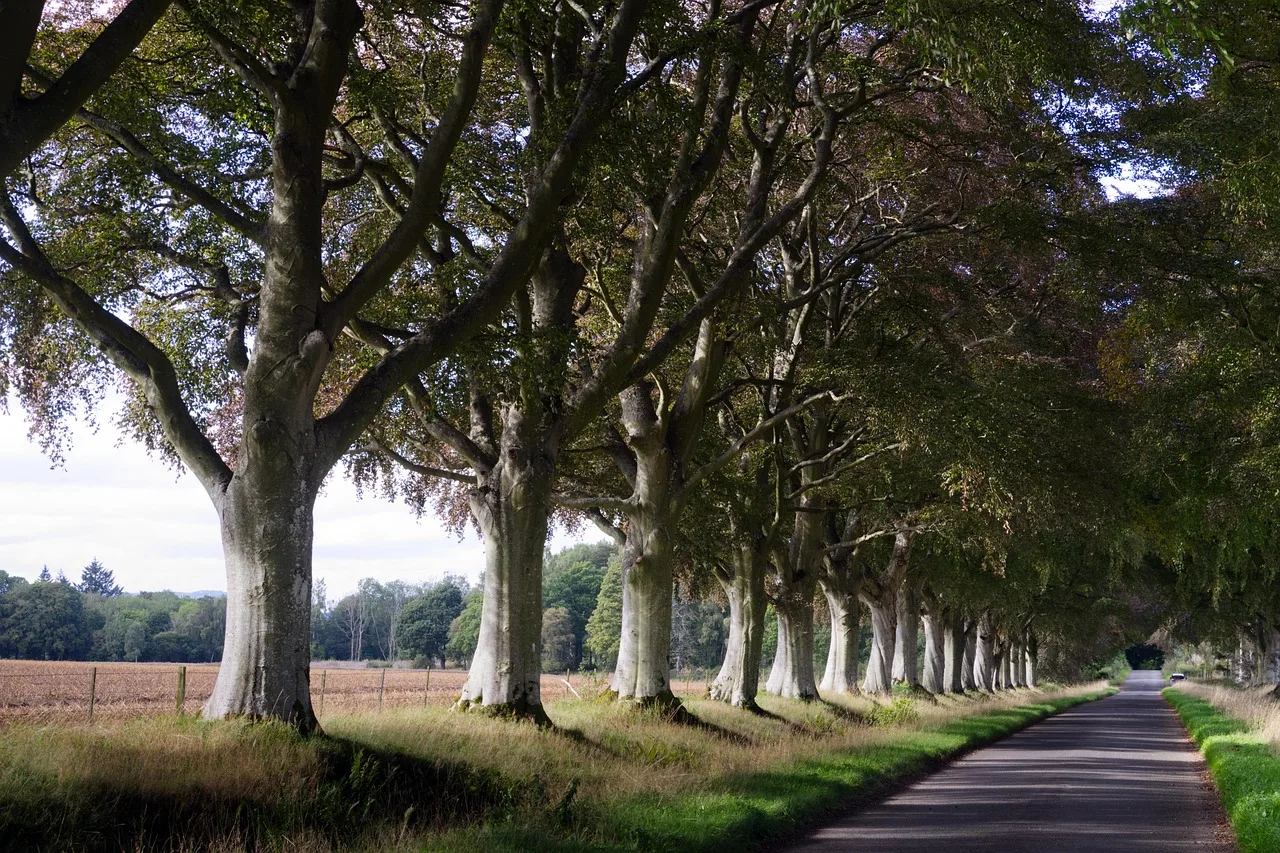



Çekim Tablosu
Belirtme (-i)sokağı
Yönelme (-e)sokağa
Bulunma (-de)sokakta
Çıkma (-den)sokaktan
Tamlayan (-in)sokağın
Çoğul (-ler)sokaklar
Tanım
•isim: İl, ilçe vb. yerleşim bölgelerinde, iki yanında evler bulunan, caddeye oranla daha dar veya kısa olabilen yol
Diğer Dillerde
Almancastrasse (dişil) /ˈʃtʁaːsə/
Switzerland and Liechtenstein standard spelling of Straße
çekim: çoğul Strassen · tamlayan Strassen
Die Sprache der Strasse. — Sokak dili konuşur.
street, road
çekim: çoğul rues
köken: Inherited from Old French rue, developed figuratively from Latin ruga.
aile: à la rue, à tous les coins de rue, avoir pignon sur rue, bouffe de rue, coin de rue, courir les rues, cuisine de rue, fille des rues, ruelle, vélorue
Une rue. — Bir sokak.
İspanyolcaacera, calle, calleja, callejo, callejón, callejuela (dişil) /aˈθeɾa/
pavement, sidewalk
çekim: çoğul aceras
eş: andén, vereda
köken: From hacera, from facera, from facero, from Latin faciarius, from faciēs (“face”).
aile: acera de enfrente
Una calle. — Bir sokak.
İtalyancacalle, carruggio, strada, strettoia, via, vialetto (dişil) /ˈkal.le/
(narrow) path · route, way, road · alley (especially in Venice)
çekim: çoğul calli
köken: From Latin callem (“path”).
Le strade pessime. — Arka Sokaklar.
Or sen va per un secreto calle, ¶ tra ’l muro de la terra e li martìri, ¶ lo mio maestro, e io dopo le spalle.
[…] guardai in alto e vidi le sue spalle ¶ vestite già de’ raggi del pianeta ¶ che mena dritto altrui per ogne calle.
Rusçaулица (dişil) /ˈulʲɪt͡sə/
street
çekim: çoğul у́лицы · tamlayan у́лицы
eş: линия, двор
köken: Inherited from Old East Slavic улица (ulica), from Proto-Slavic *ulica.
1 Ул. — Bir sokak.
на у́лице
Я перешёл че́рез у́лицу и вошёл вслед за старико́м в конди́терскую.
turn (at a street, road etc.) · alley
çekim: çoğul döngələr · tamlayan döngənin
köken: From dön + -gə.
street
çekim: çoğul көшелер · tamlayan көшенің
köken: From Persian کوچه (kuče).
Özbekçekoʻcha, tor koʻcha, xiyobon
Tatarcaурам
street
Felemenkçestraat (dişil) /straːt/
street, paved way · channel, strait · straight
çekim: çoğul straten
köken: From Middle Dutch strâte, from Old Dutch strāta, from Proto-West Germanic *strātu (“street”), from Latin strāta, ultimately from Proto-Indo-European *sterh₃- (“to stretch out, extend, spread”). The geographical sense “strait” is a phono-semantic matching of Middle English streit, from Old French estreit, from Latin strictus. Compare German Straße. The poker sense “straight” is a phono-semantic…
aile: achterafstraat, autostraat, bestraten, fietsstraat, hoofdstraat, kerkstraat, milieustraat, speelstraat, straatarm, straatartiest
Hij staat terug op de straat. — Yine sokaklardadır.
Straat Yucatan — the Yucatán Channel or Straits of Yucatán
Straat (van) Malakka
Portekizcebeco, rua, ruela, travessa, viela (eril) /ˈbe.ku/
alley
çekim: çoğul becos
köken: Possibly from Latin via + -eco, cf. Italian vico.
aile: beco sem saída, bequinho
Numa esquina. — Bir sokak.
μικρός στενός δρόμος
Τον δρόμο για τις φυλακές». — Biz sokaklardaydık."
street
köken: Borrowed from English street.
aile: ストリートバスケット, ストリートファーニチャー: → any outdoor bench, map, information sign, picnic table, drinking fountain, or other similar fixture
「そして、そこには街路があった。 — Biz sokaklardaydık."
Korece거리 /kʌ̹ɾi/
road, street · a component ceremony of a gut ritual
eş: 길, 도로
köken: First attested in the Seokbo sangjeol (釋譜詳節 / 석보상절), 1447, as Middle Korean 거리〮 (Yale: kèlí). Possibly an ancient pre-Sino-Korean borrowing from Old Chinese 街 (OC *kˤre, “street”).
aile: 길거리, 네거리, 사거리
장회익 (2000). — Sokak Çocukları (2000).
서울굿은 열두거리가 있다.
a street
çekim: çoğul gator · tamlayan gatas
köken: From Old Swedish gata, from Old Norse gata, from Proto-Germanic *gatwǭ.
aile: cykelgata, fägata, gatbeläggning, gatbredd, gatbuller, gatflicka, gathus, gathörn, gatkamomill, gatkrasse
Mariefred: Museifören. — Musti: Sokak çocuğu.
avenue, drive, boulevard (broad street, especially one bordered by trees)
çekim: çoğul aleje · tamlayan alei
eş: al.
köken: Etymology tree Early Medieval Latin alāre Old French aler Old French alee French alléebor. Polish aleja Borrowed from French allée. First attested in 1676–1686. Compare Slovincian aléj.
aile: aleja gwiazd
"Zagubieni w ulicach miasta". — Biz sokaklardaydık."
Є вулиця. — Bir sokak.
alley, narrow street; lane, passage · kucheh
köken: Borrowed from Classical Persian کوچه (kūča)
street (paved part of road in a village or a town, especially one bordered by pavements or sidewalks)
çekim: çoğul kadut · tamlayan kadun
köken: Borrowed from Old Swedish gata, from Old Norse gata, from Proto-Germanic *gatwǭ.
aile: asuinkatu, asuntokatu, hidaskatu, jalankulkukatu, joulukatu, kadunkaluste, kadunkulma, kadunkulmaus, kadunlakaisija, kadunlakaisu
Olimme kaduilla.” — Biz sokaklardaydık."
Çekçeulice (dişil) /ˈulɪt͡sɛ/
street
çekim: çoğul ulic · tamlayan ulic
eş: cesta, prospekt, třída, bulvár, veřejnost, dav
köken: Inherited from Old Czech ulicě, from Proto-Slavic *ulica.
aile: pouliční, uličník
Ticho torza v bílé tóze. — Beyaz Kule'ye giden bir sokak.
Děti si hrály na ulici.
Na ulici je led.
Neměl žádný dům. Skončil na ulici.
Rumencealee, stradă, stradelă, străduță (dişil) /aˈle.e/
allée
çekim: çoğul alei · tamlayan alei
köken: Borrowed from French allée.
Povestea unei străzi. — Bir sokak.
alley (narrow street)
çekim: çoğul sikátorok
köken: Probably borrowed from Latin.
Az utca. — Bir sokak.
alley, lane (narrow street)
çekim: çoğul angiportūs · tamlayan angiportūs
köken: From the descendant of Proto-Indo-European *h₂énǵʰus (“narrow”, see Latin angustus) + portus which meant "crossing" in PIE times, but "harbor" in Latin.
Near-synonym: platea
street (a paved part of road, usually in a village or a town)
çekim: çoğul gader · tamlayan gades
köken: From Old Danish gatæ, from Old Norse gata, whence English gate. Cognate with German Gasse (“lane”), Gothic 𐌲𐌰𐍄𐍅𐍉 (gatwō).
aile: blindgade, boldgade, busgade, diagonalgade, gadebarn, gadedreng, gadedør, gadefejer, gadehandler, gadekamp
Livet i gaderne. — Yine sokaklardadır.
Endonezcegang, jalan, jalan raya /ˈɡaŋ/
alleyway, alley, narrow street. A narrow pathway bound by walls on both sides
çekim: çoğul gang-gang
köken: From Dutch gang (“passageway, alley”), from Middle Dutch ganc, from Old Dutch gank, gang, from Proto-Germanic *gangaz, from Proto-Indo-European *ǵʰongʰ-o-s, from *ǵʰengʰ- (“to step; stride”). Doublet of geng.
A Kiong : Anak Hokian. — Pirana: Sokak çocuğu.
gang buntu
Etimoloji
Arapça
Deyimler
Eş & Zıt Anlamlılar
Eş anlamlılar
Örnek Cümleler
Sokak boş.
The street is empty.
Sokak ıssız.
The street is deserted.
Sokak çok dar.
The street is very narrow.
Sokak hasarlı.
The street is damaged.
Hangi sokakta?
In which street?
Sokakta oynama.
Don't play in the street.
Sokak yine boş.
The street is empty again.
Sokaklar boştu.
The streets were empty.
O sokak akıllı.
He's street smart.
Sokak çok boştu.
The street was very empty.
Sokak kapatıldı.
The street has been closed.
Bu dar bir sokak.
This is a narrow street.
İlgili Sorular
Omaha ya da Bellevue, Nebraska’da sokak hokeyi oynamak isteyenler kimler?
Amerikalılar, göçmen protestolarının ne zaman sona ereceğini neden düşünüyor? Şu anda 11 milyondan fazla insan sokaklarda.
Brezilya hükümeti, evsiz çocukları sokaklardan uzaklaştırıp yetimhanelere yerleştirmek için hangi tedbirleri alıyor?
Eğer İsa’yı çok seviyorsanız, sokakta karşınıza çıktığında ne yapmayı düşünürsünüz?
Fragil Rock grubu ile Sasame sokak çetesi arasındaki ölümüne mücadeleye yol açan faktörler nelerdir?
İlgili / Bileşik Terimler
Genelstreetlight
Genelstreetball
Genelstreetlight
Genelstreet dog
Genelstreet lamp
Genelstreet children
Genelstreet light
Birleşik Kelimeler
sokak çocuğusokak kadınısokak kapısısokak kızısokaktaki adamara sokakarka sokakçıkmaz sokak