Sözlük
/ova
ova
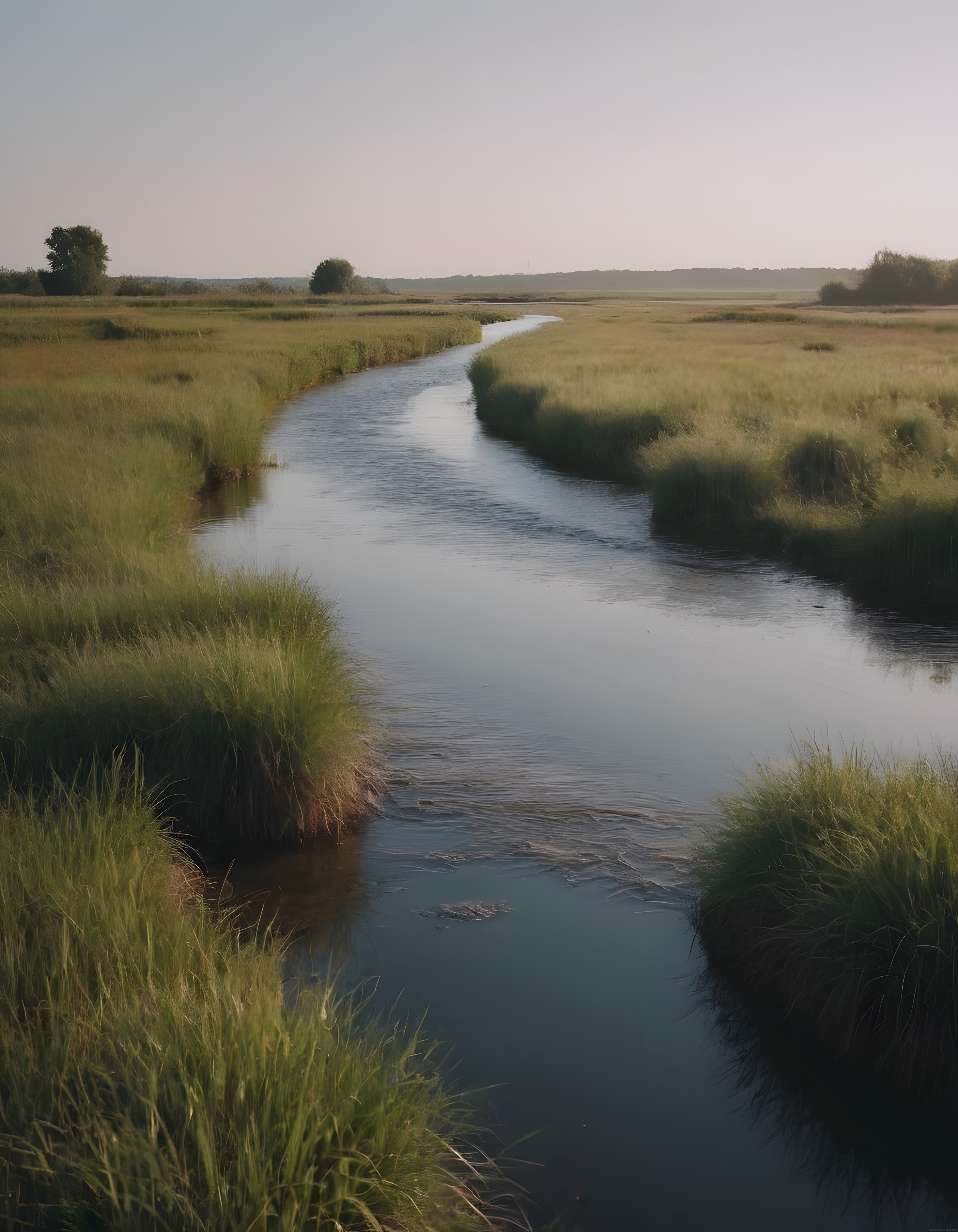
"ova" kelimesinin İngilizcesi: lowland, plain, lowland, champaign, plain. Anlamı, çevirisi, telaffuzu ve örnek cümleler aşağıdadır.
Çeviri
Genellowlandnoun
Genelplainnoun
Genellowland
Genelchampaign
Genelplain
Genelplain
Genelplain
Genelgrassy plainnoun
Görsel


Çekim Tablosu
Belirtme (-i)ovayı
Yönelme (-e)ovaya
Bulunma (-de)ovada
Çıkma (-den)ovadan
Tamlayan (-in)ovanın
Çoğul (-ler)ovalar
Tanım
•isim: Çevrelerine göre çukurda kalmış, çoğunlukla alüvyonla örtülü, eğimi az, akarsuların derine gömülmediği, geniş veya dar düzlük; yazı (II)
Atasözü & Deyim
“Arı bey olan kovana üşer”
“Ağılda oğlak doğsa ovada otu biter”
“Dağ, ovanın süt anasıdır”
“Doğru söyleyeni dokuz köyden kovarlar”
“Zengin arabasını dağdan aşırır, züğürt (fakir) ovada yolunu şaşırır”
Diğer Dillerde
AlmancaEbene, Natur-, schlicht (dişil) /ˈʔeːbənə/
plain · plane · storey, floor
çekim: çoğul Ebenen · tamlayan Ebenen
eş: Flachland, Niederung, Plateau, Platte, Tafel, Tiefland
köken: From Middle High German ebene, from Old High German ebanī, from Proto-Germanic *ebnaz, whence also Old English efn (English even), Old Norse jafn. The sense “plane” is a semantic loan from Latin planum, whereas the sense “storey, floor” is one from English level.
München 1989 — Varşova 1989
Fransızcanature, plaine, simple, simple texte, uni (dişil) /na.tyʁ/
nature · lexical category
çekim: çoğul natures
köken: Inherited from Middle French nature, Old French nature, borrowed from Latin nātūra.
aile: contre nature, Dame Nature, dans la nature, en nature, état de nature, force de la nature, grandeur nature, nature morte, petite nature, plus vrai que nature
La Coexistence pacifique. — Çukurova Barış.
C'est que, rompant avec l'imitation des siècles précédents, ils retournent à l'éternelle inspiratrice, à la nature . . .
İspanyolcaa palo seco, con solamente caracteres normales, desabrido, enterizo, entero, libre de caracteres especiales /a ˌpalo ˈseko/
on its own (without any other type of food)
köken: Literally, “on (a) dry stick”. The phrase dates back to the 18th century sailors who would eat the bare minimum during violent storms, when the mast (the "stick") would be bare of sails ("dry").
Soy pro-paz. — Çukurova Barış.
İtalyancaal naturale, in bianco, pianura, semplice /im ˈbjan.ko/
free from writing, printing, etc.; blank, undated · without condiments, sauces, or spices; plain (of food) · unconsummated (of a marriage)
aile: andare in bianco, assegno in bianco, cambiale in bianco, firmare in bianco, mangiare in bianco, matrimonio in bianco, nottata in bianco, notte in bianco
Abbiamo visitato la Slovacchia. — Slovakya'yı ziyaret ettik.
consegnare un compito in bianco
pasta in bianco
Rusçaравнина (dişil) /rɐvˈnʲinə/
plain (an expanse of land with relatively low relief)
çekim: çoğul равни́ны · tamlayan равни́ны
köken: Inherited from Proto-Slavic *orvьnina.
Azericedüzən, düzənlik, sadə, saya /dyzæn/
plain (expanse of land with relatively low relief, usually exclusive of forests, deserts, and wastelands.)
çekim: çoğul düzənlər · tamlayan düzənin
köken: From Azerbaijani düz.
aile: düzənlik
Özbekçetekislik
Tatarcaтигезлек
simple · easy (not difficult) · simplex, unitary (not composite)
çekim: karşılaştırma eenvoudiger · üstünlük eenvoudigst
eş: simpel, makkelijk, simpel, sober
köken: From Middle Dutch êenvoudich. By surface analysis, eenvoud + -ig. Compare German einfältig (“simple-minded”, originally “simple”).
aile: doodeenvoudig, eenvoudigheid, eenvoudigweg, vereenvoudigen
Portekizceinsípido, planície, simples /ĩˈsi.pi.du/
insipid; flavorless · boring; dull
eş: sensabor
zıt: monótono, gostoso, saboroso, sápido
köken: Learned borrowing from Latin īnsipidus (“tasteless”), from in- (“not”) + sapidus (“savory”).
aile: insipidez
Yunancaκάμπος, πεδιάδα, πεδίο, ύπαιθρος (eril) /ˈkam.bos/
plain (large, flat lands)
çekim: çoğul κάμποι · tamlayan κάμπου
köken: From Byzantine Greek κάμπος (kámpos), from Latin campus.
Lehçejednolity, nieprzyprawiony, po prostu, prosty, równina, zwyczajnie /jɛd.nɔˈli.tɘ/
unitary, uniform, indiscrete, homogenous
eş: regularny, stały
köken: Etymology tree Proto-Indo-European *ís? Proto-Indo-European *h₁óynosder. Proto-Balto-Slavic *edīˀnas Proto-Slavic *edìnъ Old Polish jeden Polish jeden Proto-Slavic *-o- Old Polish -o- Polish -o- Polish lity Polish jednolity From jeden + -o- + lity.
aile: jednolitość, ujednolicić, ujednolicać
Ukraynacaрівни́на
Hintçeमैदान (eril) /mɛː.d̪ɑːn/
park, lawn · field, court
çekim: çoğul मैदानों
köken: Etymology tree Proto-Indo-European *me Proto-Indo-European *dʰeh₁-? Proto-Indo-European *-dʰe Proto-Indo-European *médʰi Proto-Indo-European *-os Proto-Indo-European *médʰyos Proto-Indo-Iranian *mádʰyas Proto-Iranian *mádyah Proto-Indo-European *-nós Proto-Indo-Iranian *-nás Proto-Iranian *-nah Proto-Iranian *mádyanah Iranianbor. Arabic مَيْدَان (maydān)bor. Classical Persian مَیْدَان…
aile: मैदान-ए-जंग
Fincemaustamaton, selvä, tasamaa, tasanko, tavallinen, yksinkertainen /ˈmɑu̯stɑmɑton/
unflavored, natural, unspiced
çekim: karşılaştırma maustamattomampi · üstünlük maustamattomin
köken: maustaa + -maton
ordinary, common, regular, usual
çekim: karşılaştırma obyčejnější · üstünlük nejobyčejnější
eş: běžný, obvyklý, normální, prostý, typický, obecný
zıt: neobyčejný
köken: Inherited from Proto-Slavic *obyčajьnъ. Equivalent to obyčej + -ný.
Jsou to prostě obyčejní lidé, kteři si jen kladou otázky.
plain (an expanse of land with relatively low relief)
çekim: çoğul câmpii · tamlayan câmpii
köken: Either from câmp (“field”) + -ie or from Vulgar Latin *campia, from Ancient Greek [Term?]. Compare Sicilian campia and Calabrian (?) campia; less likely from Latin campus + -inea.
Macarcaalföld, egyszerű, róna, síkság /ˈɒlføld/
lowland, plain (a plain that does not rise higher than 200 meters above sea level)
çekim: çoğul alföldek
köken: From al- (“under, low”) + föld (“land”).
aile: alföldi, Kisalföld, Nagyalföld, Németalföld
Norveççeensfarga, ensfarget
Endonezcedataran /daˈtaran/
plain; flatland · platform
çekim: çoğul dataran-dataran
köken: Affixation of datar + -an, inherited from Malay dataran.
aile: dataran abisal, dataran aluvial, dataran banjir, dataran landai, dataran medium, dataran pantai, dataran rendah, dataran tandus, dataran tinggi, dataran tinggi bulan
Etimoloji
Inherited from Ottoman Turkish اوا, from Proto-Turkic *oba (“cavity, valley”).
Eş & Zıt Anlamlılar
Örnek Cümleler
O Cenovalı.
He comes from Genoa.
O onu kovar.
She repulses him.
Onu kovalım.
Let's fire him.
Kova su dolu.
The bucket is full of water.
Onu kovacağım.
I'll fire him.
Kovada ne var?
What's in the bucket?
Tom'u kovalım.
Let's fire Tom.
Bu kova akıyor.
This bucket leaks.
O bir kazanova.
He's a casanova.
Onları kovalım.
Let's fire them.
Tom'u kovacağım.
I'm going to throw Tom out.
Bizi kovamazsın.
You can't fire us.
İlgili Sorular
"Ther‑Rx" işaretli yeşil oval tabletin içeriği ve amacı nedir?
WPI 4500 kodlu, beyaz ve oval bir hap hakkında bilgi verir misiniz?
Şarkının sanatçısı ve adı nedir? – Gözlerinizi kapatın, beni görebiliyor musunuz? Rocky Dağları boyunca süzülürken, Kansas ovasını süpüren rüzgar gibi hareket ediyorum. Oklahoma’da yol alırken yanımda olduğunuzu biliyorum. Çiftlik evleri, hava çanları, moteller, kafeler, tarlalar ve reklam panoları... Kalplerimiz arasındaki binlerce mil... İpucu: Bu bir country şarkısı!♥
Polikistik over tanısı aldım ve bir yıl boyunca kistler kaybolmadı. Doktorum, sonraki randevuya kadar (altı ay) kistler hâlâ varsa laparoskopi düşünmemizi önerdi. Ovarian laparoskopi hakkında kafam karışık: Bu sadece gözlem amaçlı mı, yoksa kist tespit edilirse drenaj da yapılır mı? Ayrıca bu işlem "ovaryal drilling" olarak biliniyor mu?
Evrenin şeklinin oval olduğu görüşü kimde?
İlgili / Bileşik Terimler
Genelacer campestre
Genelswift fox