Sözlük
/mantarla
mantar
"mantar" kelimesinin İngilizcesi: mushroom, cork, mushroom, blight, fungus. Anlamı, çevirisi, telaffuzu ve örnek cümleler aşağıdadır.
Çeviri
Genelmushroomnoun
Genelcork
Genelmushroom
Genelblight
Genelfungus
Genelfungus
Genelmushroom
Genelmushroom
Görsel
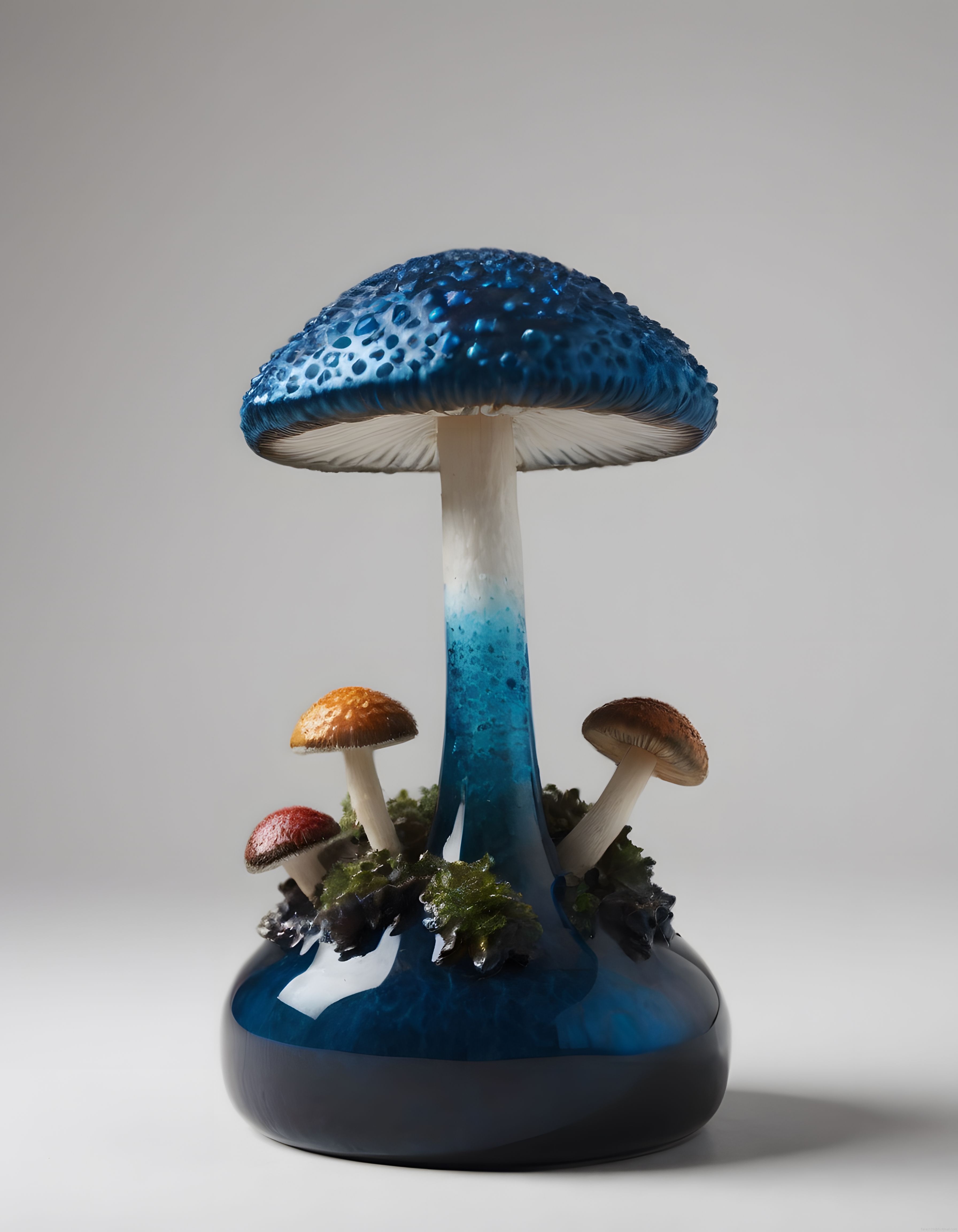


Çekim Tablosu
Belirtme (-i)mantarı
Yönelme (-e)mantara
Bulunma (-de)mantarda
Çıkma (-den)mantardan
Tamlayan (-in)mantarın
Çoğul (-ler)mantarlar
Tanım
•isim, bitki bilimi: Mantarlardan, içinde zehirlileri de bulunan, silindir bir gövde ve üst tarafı şapka biçiminde olan ilkel canlıların genel adı (Fungi)
•Esnek ve sudan hafif olduğundan şişe tapası, cankurtaran simidi, cankurtaran yeleği, ayakkabı tabanı ve daha birçok şeyin yapımında kullanılan, su geçirmeyen, meşe ağacı tabakası
•Bu tabakadan yapılan şişe tapası
•Kaldırım vb. yerlere araçların park edilmesini engellemek amacıyla zemine konulan mantar biçimindeki beton yükselti
•Çocukların özel tabanca ile patlattıkları barutlu madde
•Balık ağlarını su yüzünde tutmaya veya olta sarmaya yarayan mantar parçası
Diğer Dillerde
Almancachampignon, pilz (eril) /ˈʃam.pɪnˌjɔŋ/
button mushroom, champignon (a mushroom of the Agaricus genus)
çekim: çoğul Champignons · tamlayan Champignons
eş: Angerling, Egerling, Agaricus, Psalliota
köken: Unadapted borrowing from French champignon.
Korkring — Mantar Halka
FransızcaBouchon (de bouteille), Champignon, Champignon (affection de la peau) (eril) /ʃɑ̃.pi.ɲɔ̃/
mushroom · fungus (in general) · fungal infection
çekim: çoğul champignons
köken: Inherited from Vulgar Latin *campāniolus (“grows in the field”), from Late Latin campāneus (“relating to fields”), from Latin campānia (“level country”). The “accelerator” sense comes from the fact that accelerator pedals were initially mushroom-shaped.
aile: appuyer sur le champignon, champignon chinois, champignon de Paris, champignonner, champignonneux, champignonnière, champignonniste, pousser comme des champignons
Anneau de liège — Mantar Halka
des champignons hallucinogènes
avoir des champignons
appuyer sur le champignon
mushroom · penis
çekim: çoğul callampas
eş: seta, cambuche, chabola, champa, jacal, quilombo
köken: Borrowed from Quechua k'allampa.
aile: población callampa, valer callampa
Anillo de corcho — Mantar Halka
İtalyancafungo (eril) /ˈfun.ɡo/
mushroom · fungus
çekim: çoğul funghi
eş: micete, fungosità
köken: From Latin fungus.
Anello di sughero — Mantar Halka
Rusçaгриб /ɡrʲip/
fungus (a category of eukaryotic organism, having cell walls but no chlorophyll) · mushroom
çekim: çoğul грибы́ · tamlayan гриба́
köken: Inherited from Proto-Slavic *gribъ.
aile: грибни́к, грибни́ца, грибко́вый, грибо́к, грибови́дный, грибое́д, расти́ как грибы́, ча́йный гриб, Phrases, как грибы́ по́сле дождя́
Кольцо из пробки — Mantar Halka
Meronyms: шля́пка (šljápka), но́жка (nóžka)
to rip apart, to rend the seam, to cleave, to break apart, to crack · to split open, to cut open, to slit open, to crack · to lance, to lacerate, to gash, to cut, to make an incision
çekim: geçmiş فَطَرْتُ
köken: Cognate to Hebrew פָטַר (pāṭar, “to set free, to let out, to release, to dismiss”), Aramaic פָטַר (pāṭar, “to cleave, to separate, to free, to discharge”), Aramaic פְטַר (pəṭar, “to free, to release, to dismiss”), Classical Syriac ܦܛܰܪ (pṭar, “to leave, to desist from; to shoot out; to separate, to dissolve; to dismiss”), Ugaritic 𐎔𐎉𐎗 (pṭr, “to split”), hypercorrected Ugaritic 𐎔𐎑𐎗 (pẓr, “to free,…
aile: عِيدُ ٱلْفِطْرِ
كورك حلقة — Mantar Halka
Azericegöbələk, mantar, yağışdan sonra göbələk kimi çıxmaq /ɟœbæˈlæc/
mushroom · fungus
çekim: çoğul göbələklər · tamlayan göbələkin
köken: From Proto-Turkic *kömbe, *kömbelek. Cognate with Turkmen kömelek, Tatar гөмбә (gömbä) and Chuvash кӑмпа (kămp̬a).
mushroom, champignon
köken: From қозы (qozy, “lamb”) + құйрық (qūiryq, “tail”).
mushroom
köken: From Proto-Turkic *kömbe, most likely a borrowing from Proto-Slavic *gǫba. Cognate with Azerbaijani göbələk and Chuvash кӑмпа (kămp̬a).
Felemenkçedobber, kurk, kurkschors, paddenstoel, stop, stopsel (eril) /ˈdɔ.bər/
float (buoyant device used when fishing)
çekim: çoğul dobbers
köken: From Middle Dutch dobber, of unclear further origin.
aile: dobberen, een harde dobber
Matsutake-champignons. — Çam mantarı.
Portekizcecogumelo (eril) /ko.ɡuˈmɛ.lu/
mushroom
çekim: çoğul cogumelos
köken: Inherited from Vulgar Latin *cucumellus, diminutive of Latin cucuma (“large cooking vessel”). Compare Galician cogomelo, Occitan cocomèla and Sardinian cugumeddu.
Anéis de Cortiça — Mantar Halka
YunancaΚορκ, μανιτάρι, φελλός
Cork (a city in County Cork, Ireland) · Cork, County Cork (a county of Ireland)
Δακτύλιος φελλού — Mantar Halka
菌類のうちで比較的大型の子実体を形成するもの、あるいはその子実体そのもの。菌類が胞子を散布するための構造体。食用とするものもあるほか、毒を含む物もある。
eş: たけ, くさびら
コルクリング — Mantar Halka
stopper, plug
eş: 뚜껑, 덮개, 닫개, 병마개
köken: First attested in the Gukhan hoehwa (國韓會話 / 국한회화), 1895, as Early Modern Korean 마개 (Yale: makay).
이 버섯들을 추수해 보았는데요, — Mantarlar hasat ediliyor.
to explode
çekim: geçmiş exploderade · ortaç exploderad · ulaç exploderande
zıt: implodera
Glas svamp. — Çam mantarı.
Lehçegrzyb, rosnąć jak grzyby po deszczu, rosnąć jak na drożdżach (eril) /ˈɡʐɘp/
fungus, mushroom (a category of eukaryotic organism, having cell walls but no chlorophyll) · mushroom cloud
çekim: çoğul grzyby · tamlayan grzyba
köken: Etymology tree Proto-Indo-European *gʰrebʰ- Proto-Balto-Slavic *grebtei Proto-Slavic *greti Proto-Slavic *gribati? Proto-Indo-European *gley- Proto-Indo-European *gleybʰ- Proto-Indo-European *gleybʰ-os Proto-Slavic *glibъ? Proto-Indo-European *gerbʰ-der.? Proto-Slavic *gъrbъ? Proto-Slavic *gribъ Old Polish grzyb Polish grzyb Inherited from Old Polish grzyb, from Proto-Slavic *gribъ.
aile: dwa grzyby w barszcz, grzybiarz, grzybica, grzybień, grzybnia, grzybobójczy, grzybobranie, grzybowy, podgrzybek
Pierścień korkowy — Mantar Halka
Ukraynacaґалаґа́н, за́тичка, Корк, ко́рок, поплаве́ць, чіп (eril) /t͡ʃʲip/
nub, tap · zingel
çekim: çoğul чопи́ · tamlayan чопа́
köken: From Proto-Slavic *čepъ.
Коркове кільце — Mantar Halka
mushroom
çekim: çoğul कुकुरमुत्ते
köken: Inherited from Sanskrit कुक्कुर (kukkura, “dog”) + मूत्र (mūtra, “urine”).
Finceaiheuttaa mustelma, itiöemä, koho, korkata, korkittaa, korkki /ˈitiøˌemæ/
A sporocarp or fruiting body of a fungus.
çekim: çoğul itiöemät · tamlayan itiöemän
köken: Compound of itiö (“spore”) + emä (“womb”).
Korkkirengas — Mantar Halka
mushroom (fungus and fruit of fungus) · sponge (material used to wash dishes or the body) · sponge (Porifera)
çekim: çoğul houby · tamlayan houby
köken: Inherited from Old Czech húba, from Proto-Slavic *gǫba. This might be related to Middle High German swamb (German Schwamm), Latin fungus and Greek σπόγγος (spóngos) or σφόγγος (sfóngos), which supposes some consonant transposition.
aile: houbařský, houbovitý, houbový, houbař, houbařka, houbelec, houbička, houby s octem, hubka, podhoubí
Jablonecká bižuterie. — Sihirli mantar.
Některé houby jsou jedlé, jiné jedovaté.
fungus · mushroom
çekim: çoğul ciuperci · tamlayan ciuperci
köken: Borrowed, through metathesis, from Serbo-Croatian печурка (pečurka, “mushroom”) or Bulgarian печурка (pečurka), from Proto-Slavic *pečura.
Ciuperci de pin. — Çam mantarı.
Îți plac ciupercile pe pizza?
present participle of dug
çekim: çoğul dugók
köken: dug (“to stick, to insert”) + -ó (present-participle suffix)
aile: banándugó, dugódíj, villásdugó, forgalmi dugó, parafa dugó
Parafagyűrű — Mantar Halka
Használjunk egy edény vizet, vagy tegyünk dugót a lefolyóba a mosogatáshoz és az öblítéshez is!
Kivágódott a pezsgősüveg dugója és habozva folyt az ital a poharakba.
A nő a távkapcsolót kereste, s mivel nem találta, kirántotta a dugót a konnektorból.
mushroom; fungus · fungal growth or infection · candle-snuff
çekim: çoğul fungī · tamlayan fungī
köken: Originally *sfungus. Along with Ancient Greek σπόγγος (spóngos, “sponge”, whence Latin spongia), σφόγγος (sphóngos), and Old Armenian սունկն (sunkn), likely a loanword from a non-Indo-European substrate language. Possibly also related to Georgian სოკო (soḳo), Tsez зикӏу (zik’u), Bezhta сакӏо (sakʼo), Moksha панга (panga) and Erzya панго (pango, “mushroom”). Linguists such as Kluge and Kroonen…
aile: fungifōrmis, fungīnus, fungōsus, fungulus
sponge · fungus · mushroom, toadstool
çekim: çoğul svampe · tamlayan svamps
köken: From Old Danish swamp, from Old East Norse svampr, from Proto-Germanic *swampaz (“sponge, fungus”), variant of *swammaz, from Proto-Indo-European *swombʰ- (“sponge, tree-fungus, swamp”).
aile: brandsvamp, gærsvamp, hatsvamp, hussvamp, natursvamp, rustsvamp, skimmelsvamp, stinksvamp, svampebog, svampecreme
Korkring — Mantar Halka
drikke som en svamp
gå svamp i noget
Etimoloji
Pontus Rumcası μανιτάρι (manitári)
Deyimler
Eş & Zıt Anlamlılar
Örnek Cümleler
Çam mantarı.
Pine mushrooms.
Mantar Halka
Cork Ring
Mantar lekesi
Cork taint
O bir mantar.
It's a fungus.
Trüf mantarları
White truffles.
Mantar çıkmadı.
The cork would not come out.
Mantar ilaçları
Antifungal medicines
Mantarı çıkardı.
He removed the cork.
Bu mantar nedir?
What is this mushroom?
Çam mantarı dedi.
She said pine mushrooms.
Penicillium mantar.
Penicillium fungus.
O bir mantara bastı.
She stepped on a mushroom.
İlgili Sorular
Pennsylvania’nın güneydoğusu ve Maryland’ın kuzeydoğusunda morel mantarları bulmak için hangi alanlar önerilir? Bir toplulukta yer almak ya da yeni tanışmalar yapmak istiyorum, ama mevcut noktalarınızı işgal etmemek istiyorum.
Tırnak mantarı için ilaç dışı tedavi yöntemleri var mı?
Clindamycin HCl ile bir mantar enfeksiyonu tedavi edilebilir mi?
8. sınıf fizik‑bilim projesi kapsamında 30 saniyelik gecikmeyle bir rampadan topu harekete geçirecek bir tetik mekanizması arıyoruz. Kabartma tozu ve sirke ile bir mantar fırlatmayı, ayrıca kumla yavaş yavaş boşalan bir karşı ağırlığı denedik fakat işe yaramadı. Hangi alternatifleri deneyebiliriz?
Kör kişiler psilosibin mantarları ya da LSD gibi psikedelik ilaçlar aldıklarında ne olur?
İlgili / Bileşik Terimler
Bilimsuberin
Genelmycosis
Genelcork oak
Genelpop gun
Genelmushroom poisoning
Birleşik Kelimeler
mantar ağacımantar bilimimantar çorbasımantardoğuranmantarhanemantar hastalığımantar kayamantar kentmantar meşesimantar özümantar panomantar sotesimantar tabakasımantar tabancasıdeli mantarbiftek mantarıciğer mantarıçayır mantarıçörek mantarıduman mantarıfesleğen mantarıgelin mantarıhoroz mantarıimparator mantarıkav mantarıkazayağı mantarıkoyun mantarıkurt mantarıkültür mantarıosuruk mantarıpas mantarıpösteki mantarıpuf mantarıSezar mantarısığır mantarısinek mantarıtavuk mantarıtoz mantarıyer mantarıyumurta mantarı